- Gradual Progression: Spinal rotation should be performed slowly; the goal is to maintain the range of motion you have, not to force a deep stretch that could strain soft tissues.
- Stability is Essential: Always perform seated twists on a non-slip, armless chair to ensure your hips remain anchored, which isolates the movement to the thoracic spine.
- Listen to Your Spine: Sharp pain or radiating sensations are signals to stop immediately; focus on the sensation of lengthening the spine rather than the depth of the rotation.
The ability to rotate the torso is a fundamental movement required for daily activities, from reversing a car to reaching for an object on a shelf behind you. For adults aged 60 to 80, maintaining this rotational mobility is not merely about flexibility; it is a critical component of spinal health and functional independence. As the body ages, the intervertebral discs and the surrounding musculature naturally undergo changes that can lead to stiffness. Targeted, gentle movements like the seated torso-twist help preserve the health of the thoracic spine and reduce the risk of compensatory strain elsewhere in the back.
This article provides a comprehensive guide to understanding why spinal rotation matters, how to perform seated twists safely, and how to integrate this habit into your daily routine to support long-term mobility.

The Anatomy of Rotational Mobility
To understand the importance of the seated torso-twist, one must first understand what occurs in the spine during rotation. The human spine is composed of three primary sections: the cervical (neck), thoracic (mid-back), and lumbar (lower back) regions. The thoracic spine is designed specifically to allow for rotation, whereas the lumbar spine is primarily built for stability and flexion. Over time, many adults develop a sedentary posture—often referred to as “slouching”—which locks the thoracic spine into a fixed position. When the mid-back becomes stiff, the body often forces the lumbar spine to compensate, which can lead to discomfort or injury.
Rotational mobility keeps the connective tissues—the fascia and ligaments—pliable. When you perform a controlled twist, you are essentially “lubricating” the joints through movement, encouraging blood flow to the muscles that support the spine. This is not about achieving extreme flexibility; it is about maintaining the range of motion that allows you to move through your day with ease and confidence.
Why Seated Twists are Ideal for Seniors
When selecting exercises, safety and accessibility are paramount. Seated torso-twists are highly recommended for the 60-80 age demographic for several evidence-based reasons:
- Reduced Fall Risk: Because the movement is performed in a seated position, there is no risk of losing balance, which is a significant consideration for those with inner ear issues or general stability concerns.
- Pelvic Stability: Sitting on a firm chair provides a stable base. This prevents the hips from rotating along with the torso, which ensures that the stretch is effectively targeting the thoracic spine rather than putting torque on the hips or knees.
- Ease of Integration: This exercise requires no specialized equipment. It can be performed on a kitchen chair, a dining room chair, or even a sturdy armchair, making it easy to perform during a coffee break or while waiting for a task to finish.
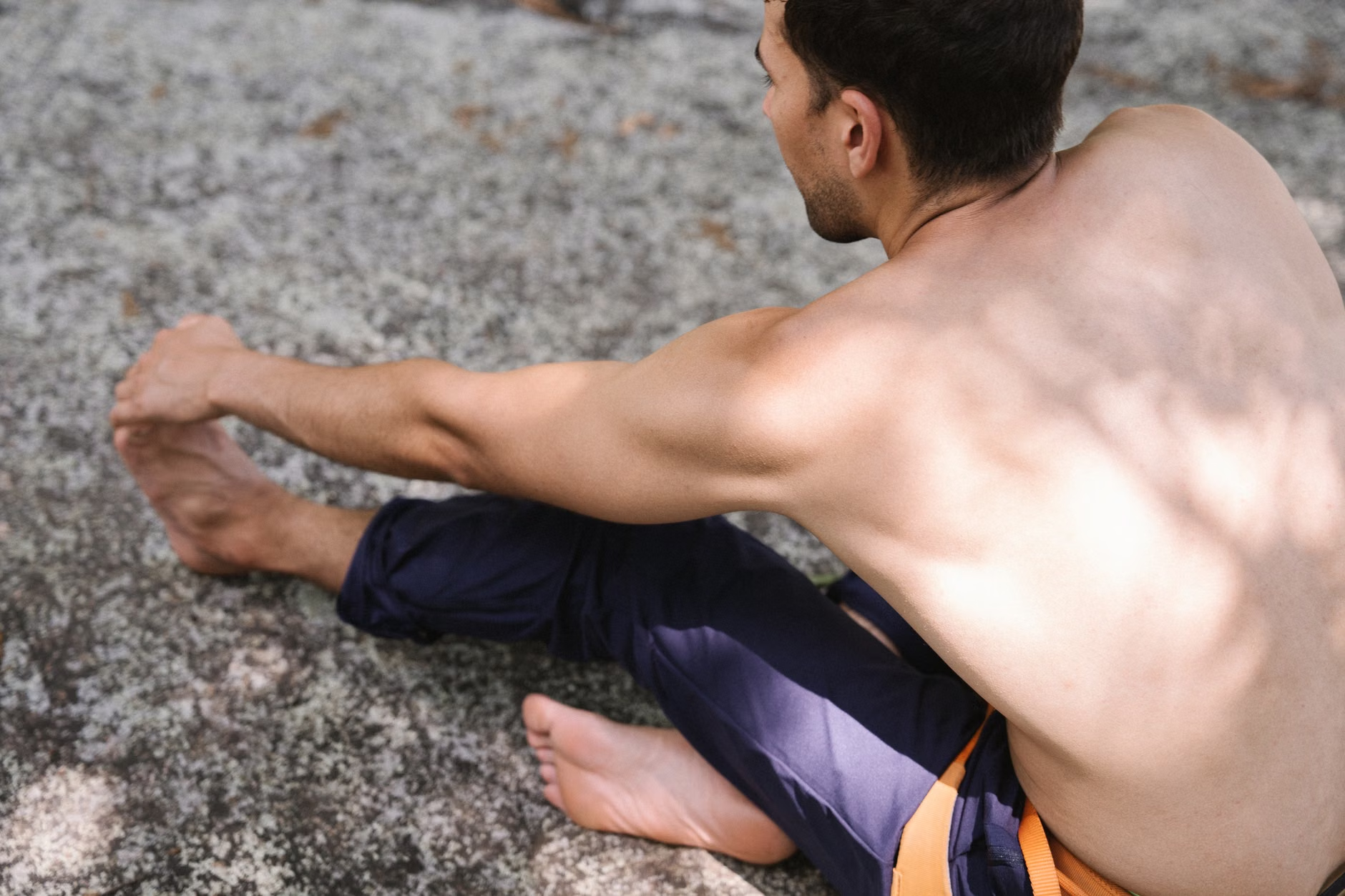
Step-by-Step Guide to the Seated Torso-Twist
Execution is the difference between a beneficial movement and an unnecessary strain. Follow this protocol to ensure you are engaging the correct muscles while protecting your spinal integrity.
1. Preparation and Positioning
Find a sturdy, armless chair. Place your feet flat on the floor, hip-width apart. Ensure your weight is distributed evenly across both sit-bones. If your chair is too high for your feet to touch the floor comfortably, place a folded towel or a small stool under your feet. Your spine should be in a “neutral” position, meaning it is long and straight, not slumped or overly arched.
2. The Initiation Phase
Inhale deeply. As you do so, imagine a string pulling the crown of your head toward the ceiling. This action creates space between your vertebrae. Do not force your shoulders back; simply allow your chest to open naturally. This lengthening is the most important part of the movement because a compressed spine should never be rotated.
3. The Rotation
Exhale slowly while gently turning your torso to the right. Use your left hand to gently grasp the outside of your right knee. Your right hand can rest on the seat of the chair behind you or on the lower back of the chair if it is low enough. Do not pull with your arms. Your arms are merely guides. The movement should originate from your ribcage and mid-back, not your shoulders or neck.
4. The Hold and Release
Hold the position for 15 to 30 seconds. Continue to breathe steadily. If you feel any sharp pain or “pinching” in the lower back, decrease the intensity of the twist immediately. To exit, slowly inhale and return your torso to the center. Repeat on the opposite side.
| Phase | Key Focus | Common Mistake |
|---|---|---|
| Alignment | Neutral spine, feet anchored | Slouching or rounding the shoulders |
| Lengthening | Crown reaching upward | Compressing the spine before twisting |
| Rotation | Mid-back movement only | Forcing the turn with arm strength |
Safety Considerations and Contraindications
While seated torso-twists are generally safe, there are specific conditions where caution is required. If you have been diagnosed with osteoporosis, herniated discs, or severe spinal stenosis, you must consult with your primary care physician or a physical therapist before beginning any new rotational routine. In cases of osteoporosis, extreme twisting may be contraindicated due to the risk of vertebral fracture. A professional can help you modify the degree of rotation so that you gain mobility without compromising bone health.
Furthermore, be aware of “red flag” symptoms. If you experience numbness, tingling, or shooting pain down your arms or legs during or after the exercise, stop immediately. These symptoms suggest nerve involvement and warrant a professional evaluation. Always document these symptoms—note when they happened, how long they lasted, and what movement triggered them—to provide clear information to your healthcare provider during your next appointment.
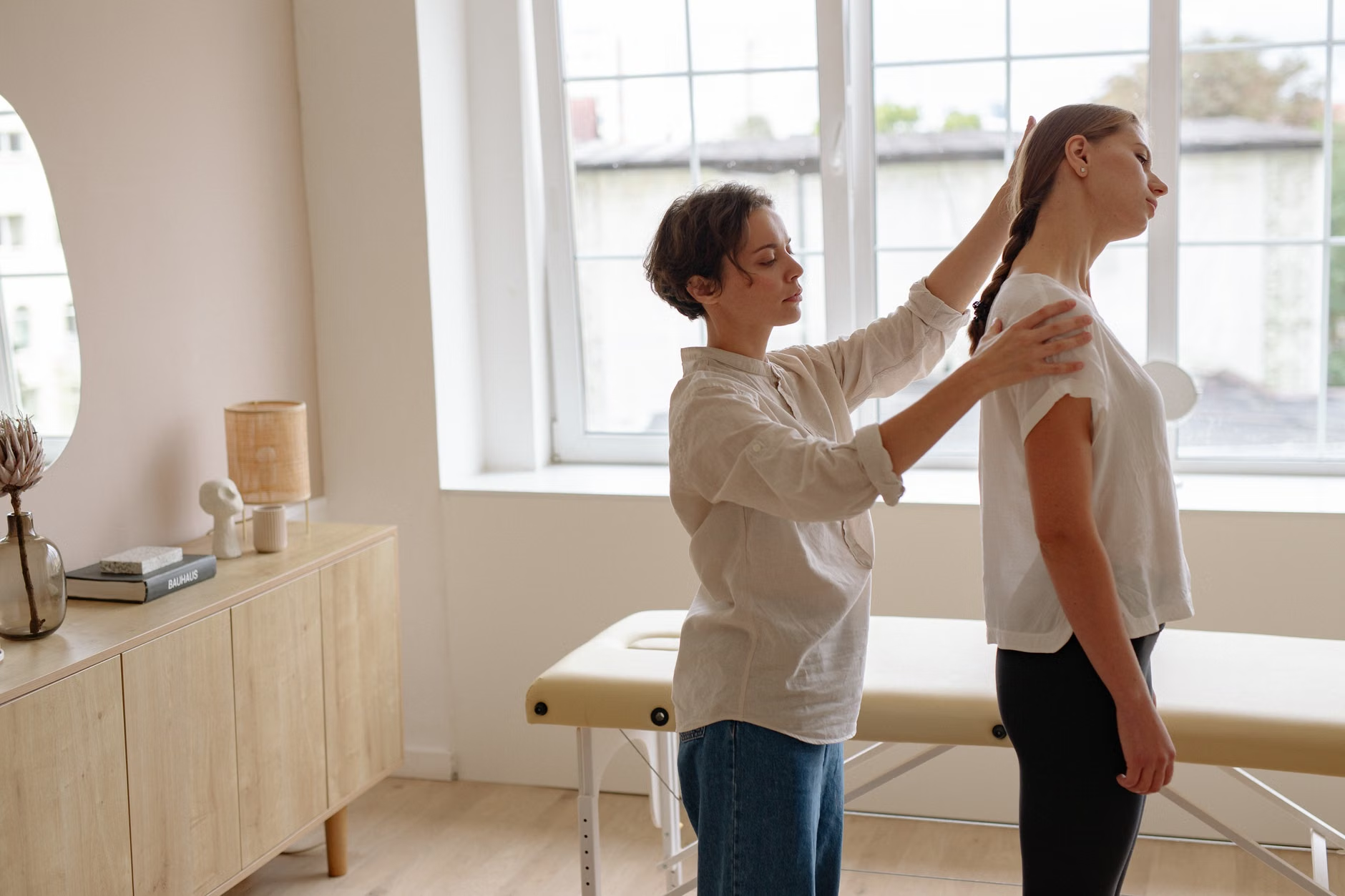
Integrating Mobility into Daily Life
The true value of this exercise lies in consistency rather than intensity. Performing a 5-minute routine once a week is less effective than performing one minute of movement every day. Consider “habit stacking”—attaching the exercise to a part of your day that already exists. For example, perform your seated twists after your morning coffee or while waiting for your computer to boot up.
Keep a “mobility log” if you find it difficult to remember. Simply checking off a box on a calendar can provide the psychological reinforcement needed to turn a conscious effort into a subconscious habit. Remember, the goal is not to reach a “perfect” range of motion. The goal is to ensure that your spine remains a dynamic, functioning part of your body that supports your lifestyle.
Advanced Considerations: Beyond the Twist
For many, the seated twist is the entry point into a broader awareness of spinal health. Once you become comfortable with this movement, you may observe other areas of your body that feel tight, such as the hips or the neck. It is important to treat these as distinct areas. For instance, while a seated twist addresses the thoracic spine, hip tightness is often a result of shortened hip flexors from prolonged sitting. Addressing these areas separately—perhaps through gentle hip openers or neck stretches—will create a comprehensive approach to mobility that far exceeds what a single exercise can achieve.
Another overlooked variable is the role of hydration and nutrition in spinal health. The intervertebral discs are largely composed of water; staying well-hydrated helps maintain their volume and shock-absorbing capacity. While no single food can “cure” spinal stiffness, a diet rich in anti-inflammatory nutrients, such as omega-3 fatty acids found in fish or walnuts, can support overall tissue health, making your daily mobility exercises more effective.
If you find that your spinal stiffness is limiting your ability to perform basic tasks like getting in and out of a car, dressing, or household chores, it is time to seek professional guidance. Do not wait for the discomfort to become chronic. When you visit a healthcare professional, bring a list of your daily activities. Explain clearly which specific movements are difficult. A physical therapist is often the best professional to help you tailor a routine that is specifically designed for your anatomy and your personal mobility goals.
When preparing for an appointment, bring a list of your current medications, as some may affect muscle tone or balance. If you have any relevant imaging, such as X-rays or MRI reports, ensure these are available for your therapist to review. The more specific you can be about your “functional limitations,” the better the provider can tailor their recommendations to your life.
Conclusion
Preserving spinal rotational mobility is a proactive investment in your future. By incorporating seated torso-twists into your daily routine, you are taking a concrete step toward maintaining the freedom of movement that is essential for a high quality of life. Start slowly, prioritize your alignment, and listen to your body’s signals. With consistency and awareness, you can ensure your spine remains a source of strength and support for years to come.
Frequently Asked Questions
1. How many times a day should I perform seated torso-twists?
It is best to start with one or two repetitions per side, once or twice a day. As you become more comfortable, you can gradually increase the frequency, but focus on quality of movement rather than the total number of repetitions.
2. Can I perform these twists if I have a history of back surgery?
If you have had spinal surgery, you must receive clearance from your surgeon or physical therapist before attempting any rotational exercises. They will know the specific limitations of your recovery and can advise on which movements are safe for your unique situation.
3. Does the type of chair I use matter?
Yes. A stable, armless chair is essential. Avoid using chairs with wheels, swivel seats, or soft, deep cushions, as these do not provide the necessary stability to isolate the thoracic spine and could increase the risk of an accidental fall.
Official guidance on physical activity for older adults can be found through resources such as the World Health Organization (WHO) Guidelines on Physical Activity, which emphasize the importance of maintaining functional mobility as a cornerstone of healthy aging.