- Prioritize Weight: Limit your luggage to a single carry-on to maintain personal mobility and reduce physical strain during transit and museum navigation.
- Strategic Pacing: A “minimalist” approach applies to your itinerary as much as your bag; plan for no more than two major galleries per day to prevent fatigue.
- Accessibility First: Research museum floor plans and shuttle services before arrival to avoid unnecessary walking and ensure your comfort throughout the visit.
Redefining Travel Efficiency for the Cultural Explorer
For the active senior traveler, the allure of world-class museums—from the cavernous halls of the Louvre to the quiet, contemplative spaces of Kyoto’s private galleries—is undeniable. However, the physical demands of these environments, characterized by miles of marble flooring, limited seating, and varying climate controls, require a shift in how we approach preparation. Minimalist packing is not merely about “traveling light”; it is a strategic decision to preserve your stamina, protect your joints, and simplify your mobility.
By shedding the burden of heavy luggage and unnecessary accessories, you gain the freedom to navigate transit hubs with ease and focus your energy entirely on the art, history, and culture you came to experience. This guide provides a framework for selecting the right gear and managing your physical resources, ensuring that your museum-focused trips remain a source of enrichment rather than physical exhaustion.
The Physics of Packing: Protecting Your Energy
The primary enemy of a successful museum trip is not a lack of interest, but the accumulation of physical fatigue. When you carry a heavy bag, your gait changes, your center of gravity shifts, and your lower back and knees absorb the impact of every step. For a traveler, these micro-traumas add up over the course of a day.
The “Weight-to-Stamina” Rule: A rule of thumb for travelers aged 60 to 80 is to keep your total “on-body” weight—that is, the weight of your day bag and clothing—below 10% of your body weight. If you weigh 70kg, your daily excursion bag should ideally not exceed 7kg. This includes your water bottle, camera, umbrella, and personal items.
Modular Packing for Seamless Transitions
To achieve this, utilize a modular packing system. Instead of a single large backpack, use a small, ergonomic cross-body bag for your museum days. This keeps your valuables in front of you (enhancing security) and distributes the weight across your chest and shoulder rather than pulling on your neck muscles.
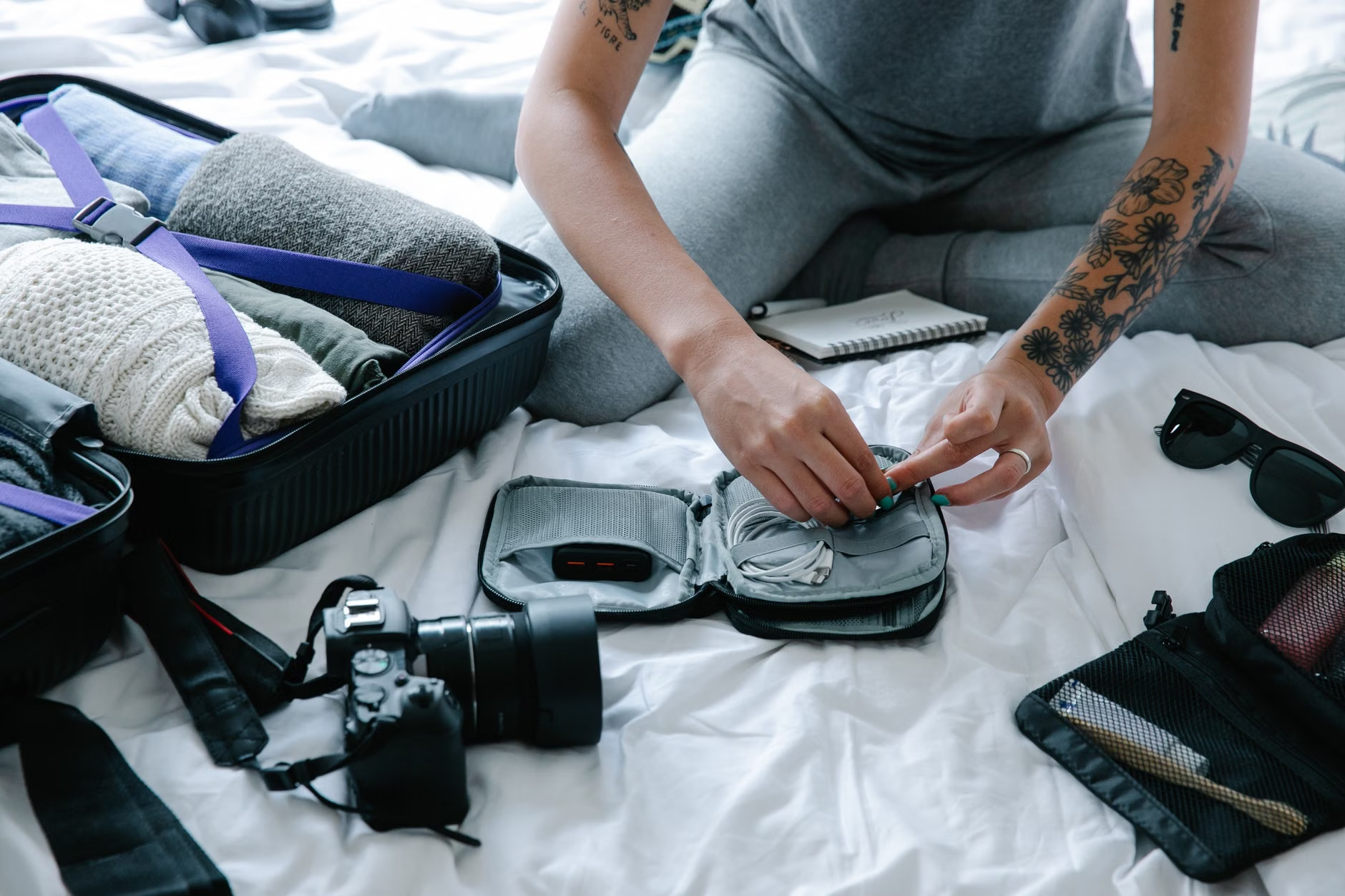
- Packing Cubes: Use these to compress clothing. This forces you to be selective about what you bring, preventing the “just in case” items that add bulk.
- Material Selection: Choose moisture-wicking, lightweight fabrics. Heavy denim or thick wools are poor choices for museums, where temperatures can fluctuate from chilly, air-conditioned galleries to warm, crowded corridors.
- Footwear as Gear: Your shoes are your most important piece of travel equipment. Opt for high-quality walking shoes with orthopedic arch support and shock-absorbing soles. Test them for at least a week before your trip; never break in new shoes on a travel day.
Museums are often architectural marvels, but they are rarely designed with the comfort of the casual visitor in mind. Large, open spaces require significant walking, and the hard, non-porous surfaces (stone, concrete, tile) provide zero shock absorption. Understanding how to manage these environments is critical.
Pre-Visit Accessibility Assessment
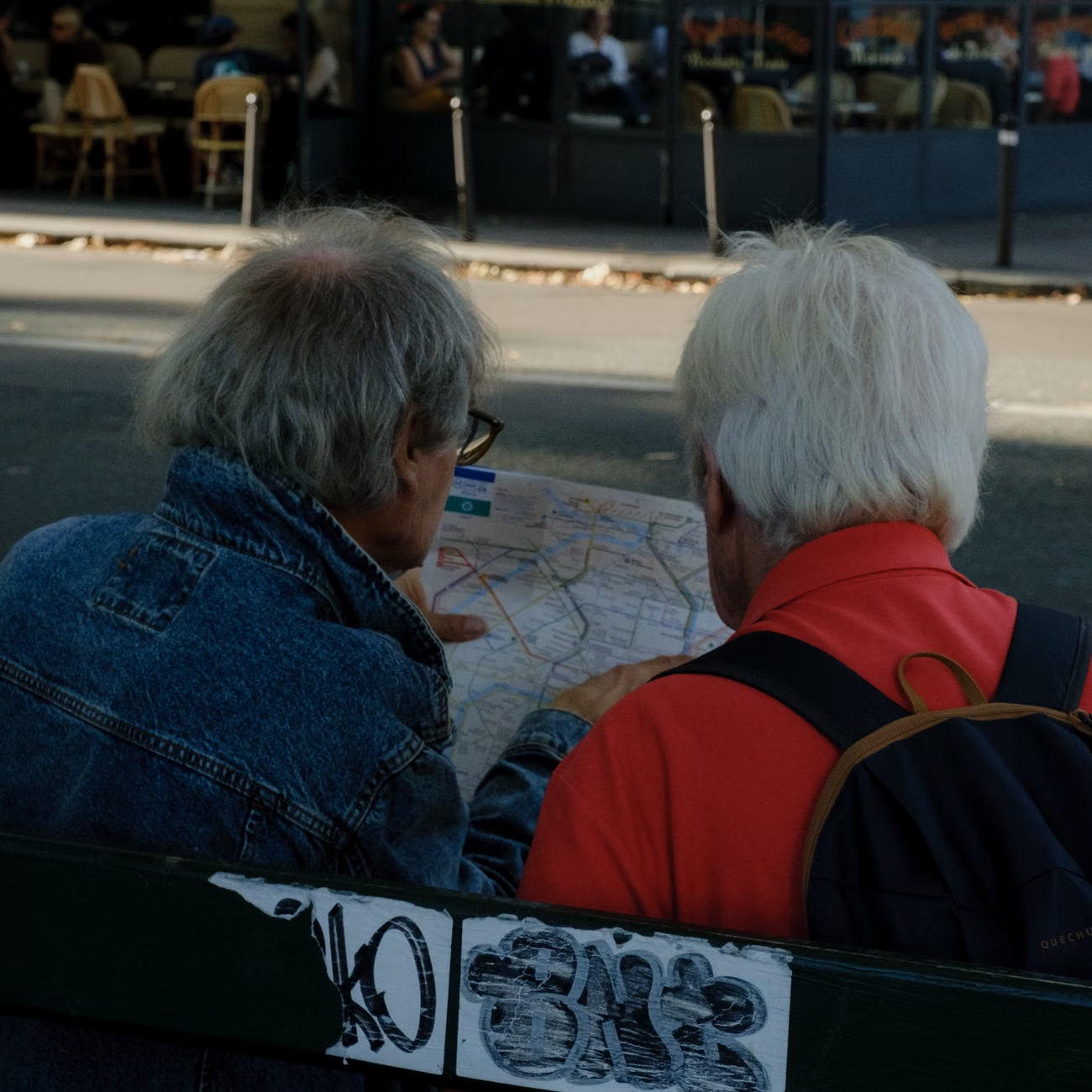
Before you commit to a day of exploration, perform a “digital reconnaissance.” Most major museums provide detailed accessibility information on their websites. Look for:
| Feature | Why It Matters | Actionable Tip |
|---|---|---|
| Lifts/Elevators | Avoids stairs and excessive incline walking. | Download the map in advance to mark lift locations. |
| Seating Availability | Prevents muscle fatigue and provides rest. | Look for “gallery seating” or rest areas in the floor plan. |
| Cloakroom Capacity | Relieves the burden of carrying a heavy coat. | Check if they accommodate larger bags or suitcases. |
The information in this table is vital because many older adults hesitate to use assistance services, fearing they are “not for them.” In reality, these services are designed to extend the duration and quality of your visit. Using a locker for your day bag or taking the elevator to the third floor is not a concession; it is a smart management of your physical resources.
The “Two-Gallery” Protocol: Managing Stamina
One of the most common mistakes travelers make is the “maximalist itinerary”—attempting to see every wing of a museum in a single day. This often leads to “museum fatigue,” a real psychological and physical phenomenon where your ability to process information and maintain physical comfort drops significantly after three hours.
The Strategy: Limit your major visits to two galleries or wings per day. Dedicate the morning to the primary exhibits when your energy levels are at their peak. After lunch, transition to a “low-impact” activity, such as a guided garden tour or a sit-down cultural performance. This creates a natural rhythm of rest and activity.
The Hidden Variable: Humidity and Air Quality. Many historic museums use climate control systems that can be extremely drying. Carry a small, refillable water bottle and use a light moisturizer or saline nasal spray if you are prone to dryness. These small, minimalist additions to your bag can significantly improve your comfort during a long afternoon in a climate-controlled gallery.
Essential Gear Checklist for the Minimalist Traveler
When packing, prioritize items that serve multiple purposes. This is the cornerstone of minimalist travel: every item must earn its place in your bag.
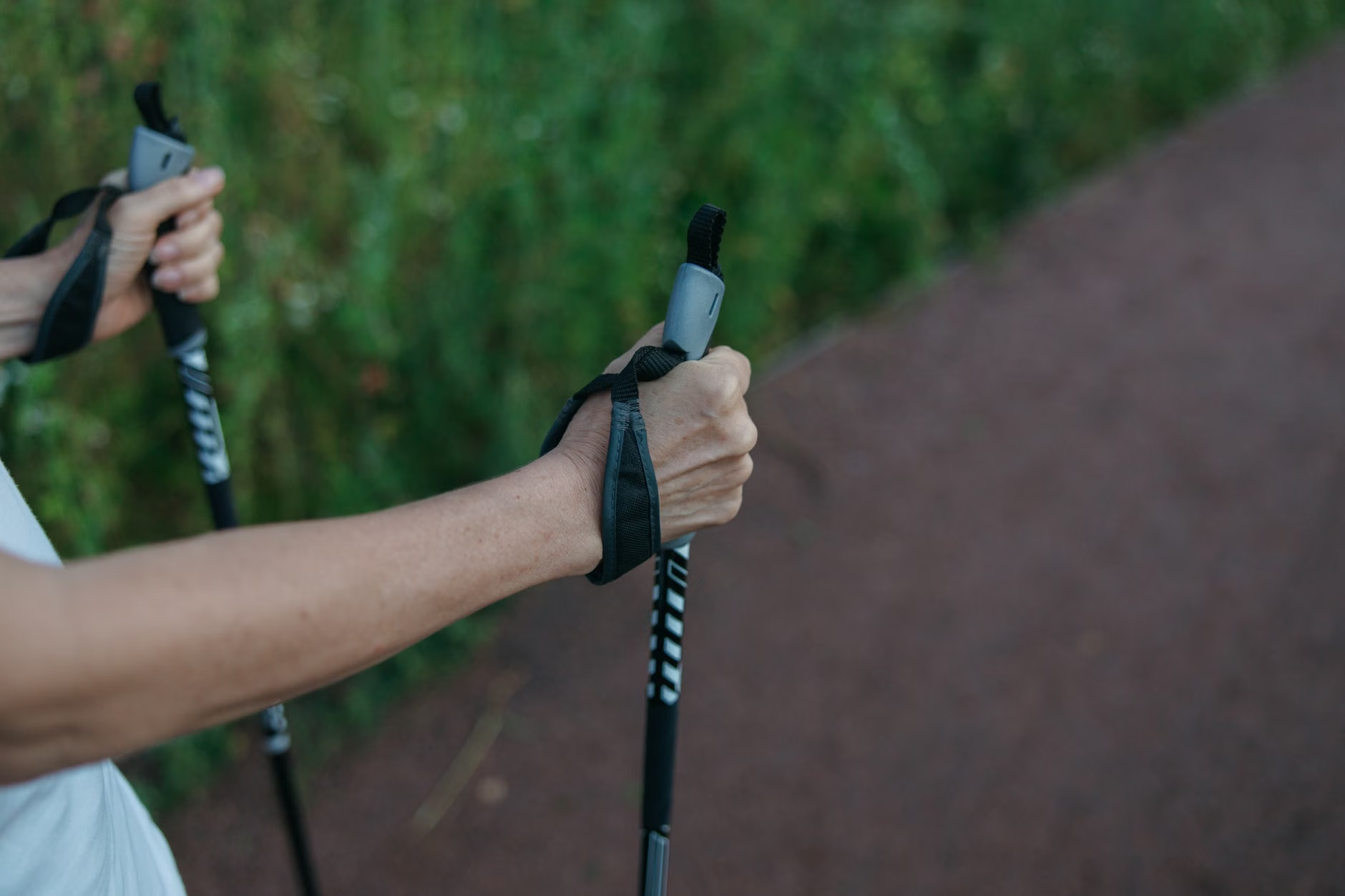
- Collapsible Walking Aid: If you use a cane, invest in a high-quality, foldable carbon-fiber model. It fits easily into a day bag when not in use.
- Portable Power Bank: Modern museums often require you to download an app or scan a QR code for your ticket. A dead phone can cause unnecessary stress. Keep a small, lightweight power bank (5,000mAh is sufficient) in your bag.
- Lightweight Folding Umbrella: Even if the forecast is clear, a compact umbrella can serve as a makeshift sunshade or a light walking support in a pinch.
- Magnifying Lens: Many museum labels are printed in small, low-contrast font. A credit-card-sized magnifying lens is a feather-light addition that saves you from leaning uncomfortably close to displays.
Health Maintenance and Professional Awareness
Traveling is a break from your routine, but it should not be a break from your health maintenance. If you manage a chronic condition, such as hypertension or diabetes, your packing list must reflect this. Minimalist packing does not mean omitting necessary health supplies.
Medication Logistics: Carry your medications in their original containers to avoid issues with security or international customs. Keep a list of all medications, dosages, and your doctor’s contact information in your wallet or a digital document on your phone. If you are traveling internationally, ensure your medication names include the generic chemical name, as brand names vary by country.
Warning Signs: If you experience persistent joint pain, swelling in the ankles, or significant shortness of breath while walking through a gallery, do not “push through.” These are signs that your body needs a break. Locate the nearest seating, elevate your legs if possible, and hydrate. If these symptoms do not subside after 30 minutes of rest, seek out museum security or medical staff; they are trained to assist visitors and can direct you to the nearest first-aid station.
Travel Insurance: Always ensure your travel insurance covers pre-existing conditions and provides access to medical evacuation if necessary. Before you leave, check your policy’s “emergency assistance” number and save it as a contact in your phone.
Conclusion: The Freedom of Less
Minimalist travel is ultimately about prioritizing your experience over your possessions. By refining what you pack and how you move, you allow yourself to engage more deeply with the culture you are visiting. The goal is to return from your trip with memories of the art and the history, not the physical toll of your journey. Remember, the most successful traveler is the one who arrives, explores, and returns home feeling refreshed rather than depleted. Start by auditing your luggage today, and you will find that the less you carry, the further you can go.
Frequently Asked Questions (FAQ)
1. How can I find out if a specific museum provides wheelchairs for visitors?
Most national and major city museums provide wheelchairs free of charge or for a nominal fee. You should visit the museum’s official website, look for an “Accessibility” or “Visitor Information” tab, and call their visitor services desk at least 48 hours in advance to reserve one if necessary. Official government museum portals, such as the Smithsonian Accessibility page, offer excellent examples of what information you should look for.
2. Is it safe to leave my day bag in a museum locker?
Yes, in the vast majority of major museums, cloakrooms and locker areas are monitored by security staff. However, always keep your essential items—passport, medication, and high-value electronics—on your person in a small, secure cross-body bag. Use the locker only for your heavier items like coats, umbrellas, or extra layers.
3. How should I handle the transition between different climates in a museum?
The “layering principle” is your best defense. Wear a moisture-wicking base layer, a light long-sleeved shirt, and a breathable sweater or cardigan. This allows you to easily adjust your temperature as you move between different galleries or transition from the outdoor heat to the air-conditioned interior. Avoid heavy coats that are difficult to carry once removed.