- Prioritize Mobility Gear: Bring your own proven mobility aids, even if you don’t use them daily, to account for the uneven terrain and long distances common in ports.
- Manage Your Energy Budget: Treat your daily stamina as a finite resource; select excursions based on physical requirements rather than just destination popularity.
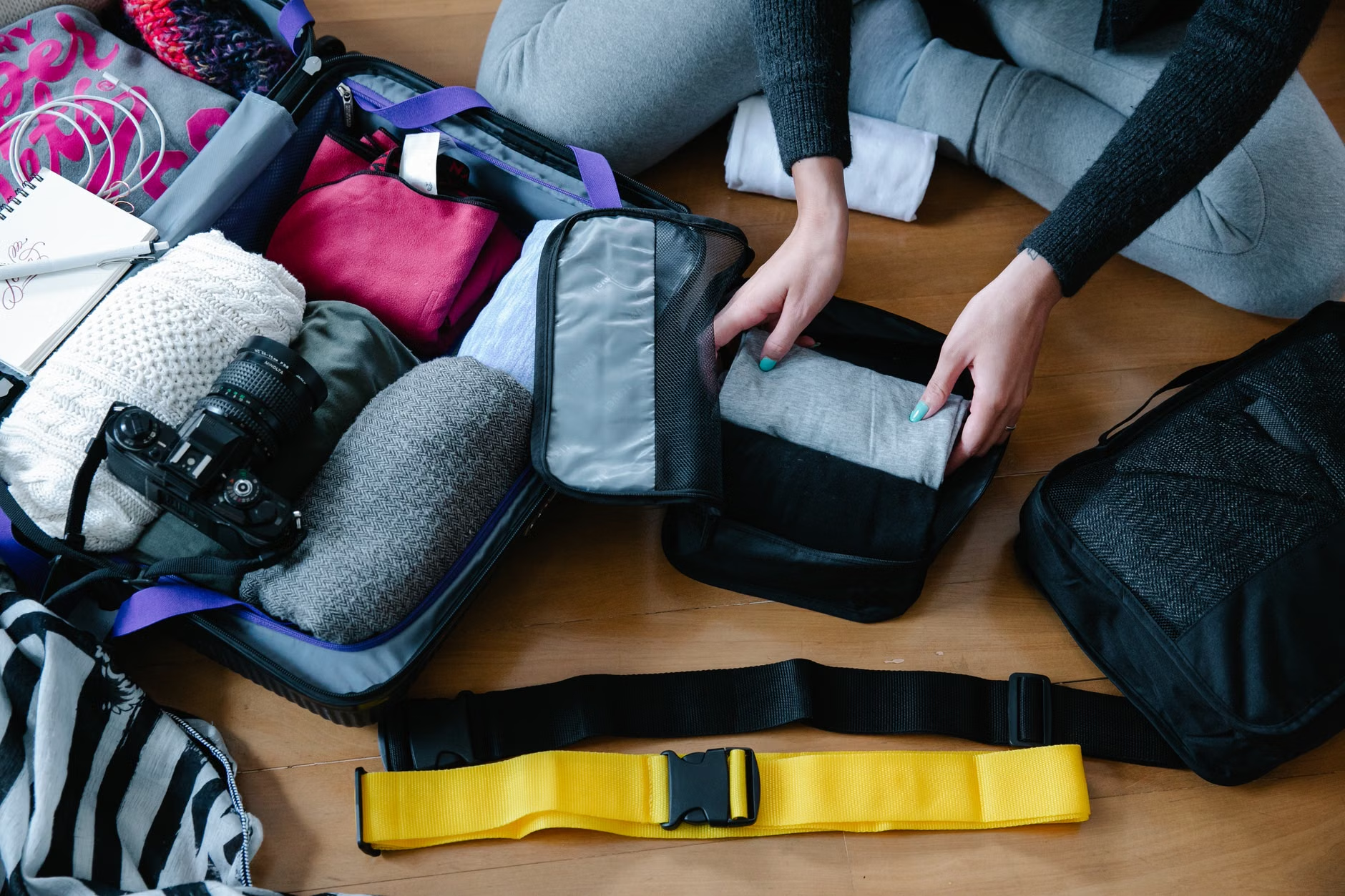
- Strategic Packing: Pack a lightweight “excursion daypack” that balances necessary medical supplies, hydration, and weather protection without exceeding a weight that causes fatigue.
Cruise shore excursions offer a gateway to the world, but they present unique challenges for older adults. The transition from the highly controlled, accessible environment of a modern cruise ship to the unpredictable terrain of a foreign port requires careful preparation. To enjoy your journey safely, your packing strategy must shift from merely “what to bring” to “how to manage mobility and energy” in varied environments.
The Physics of Port Accessibility: Why Your Preparation Matters
Many travelers assume that because a cruise line advertises a destination as “accessible,” the entire experience will be barrier-free. In reality, accessibility in ports varies wildly based on local infrastructure, historical preservation laws, and the nature of the terrain. A port in a modern city like Singapore may offer seamless transitions, whereas a tender-boat excursion to a rocky island in the Mediterranean presents significant physical hurdles.
The primary challenge for seniors on shore is the “last mile” problem. You may be dropped off at a bus terminal that is a significant distance from the actual attraction, or you may encounter cobblestone streets that are notoriously difficult for standard wheeled mobility aids. Understanding that you are moving from a controlled environment to an uncontrolled one is the first step in successful packing.
Assessing Your Personal Mobility Profile
Before packing, categorize your mobility needs. Are you comfortable walking on uneven surfaces? Do you require a seated rest every 30 minutes? Does your balance fluctuate based on heat or humidity? By honestly assessing these variables, you can select the right tools for your specific excursion.
| Mobility Level | Packing Focus | Strategic Advice |
|---|---|---|
| Independent | Supportive footwear, lightweight trekking poles. | Focus on weight distribution in your daypack to maintain center of gravity. |
| Assisted (Cane/Walker) | Collapsible, lightweight aids; rubber-tipped feet for grip. | Ensure your aid is easily stowable for bus or boat transfers. |
| Limited (Wheelchair/Scooter) | Battery backups, specialized repair kits, charger adapters. | Confirm port-to-attraction transfer capabilities with the cruise line beforehand. |
The table above highlights that “one size fits all” advice does not apply to shore excursions. If you use a walker, you must verify that your specific model can be folded and stored in the luggage compartment of a motorcoach—a common requirement in many European and Caribbean ports.
Essential Gear for the “Excursion Daypack”
The contents of your daypack determine your comfort level for the entire day. The goal is to maximize utility while minimizing weight. A heavy bag creates unnecessary strain on your shoulders and back, which accelerates fatigue.
1. Medical Readiness and Personal Care
Do not rely on finding a pharmacy in a foreign port. Pack a “triage kit” that includes:
- Medication Schedule: A pill organizer specifically for the excursion day, plus one extra day’s worth of essential medications in case of unexpected delays in returning to the ship.
- Hydration/Electrolytes: Dehydration is a leading cause of fatigue and lightheadedness in older travelers. Carry a collapsible, BPA-free water bottle and electrolyte tablets.
- Sun and Element Protection: High-SPF sunscreen, polarized sunglasses, and a wide-brimmed hat. Note that the sun intensity at sea level in tropical regions is significantly higher than in temperate zones.
2. The “Just-in-Case” Mobility Toolkit
If you use a cane or walker, pack a small maintenance kit. This should include a spare rubber tip (ferrule) for your cane, as these wear down quickly on asphalt or stone. If you use a battery-operated scooter, ensure you have a universal power adapter. Many countries use different plug types, and relying on a single adapter is a recipe for disaster if it is lost or malfunctions.
Managing Stamina: The Hidden Variable of Cruise Travel
One of the most overlooked aspects of shore excursions is the cumulative effect of travel. You are not just walking at the destination; you are walking from your cabin to the gangway, standing in lines for security, and navigating the ship’s corridors. By the time you step off the ship, you may have already expended 20% of your daily energy budget.
The 60-Minute Rule
A practical decision rule is the “60-Minute Rule.” Plan for no more than 60 minutes of continuous activity followed by a 15-minute rest period. If an excursion description indicates “extensive walking” or “steep inclines,” it likely exceeds this threshold. In such cases, look for “panoramic” or “scenic drive” tours that prioritize viewing attractions from a vehicle with minimal walking requirements.
The Role of Supportive Footwear
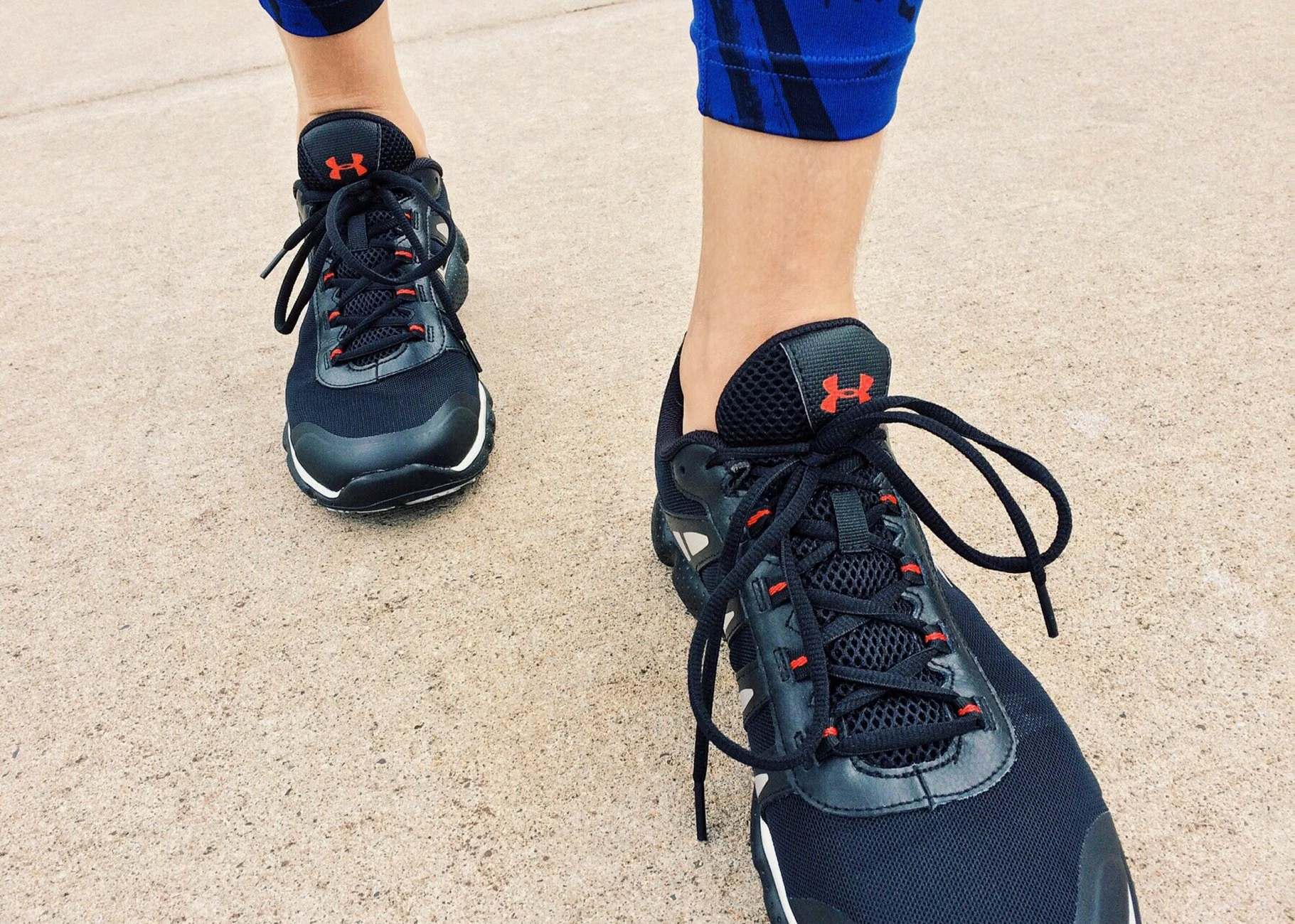
Do not break in new shoes on a cruise. Wear shoes that have been tested over several weeks of daily use. Your feet tend to swell during travel due to changes in air pressure, sodium intake from cruise dining, and increased activity. Shoes with adjustable closures (like Velcro or elastic laces) are superior to traditional tie-laces because they allow you to adjust the fit throughout the day as your feet swell.
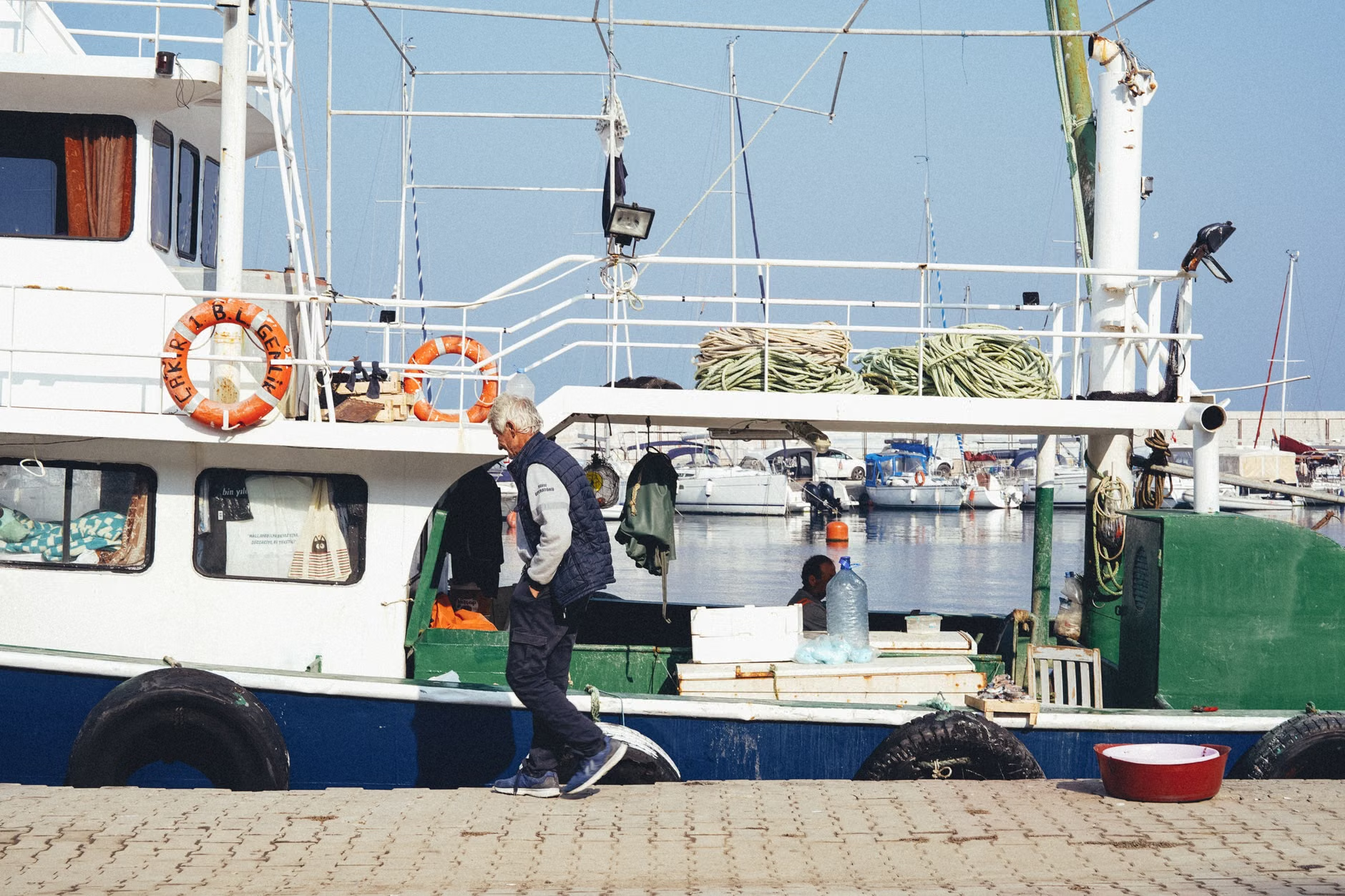
Infrastructure varies significantly by region. In North America and Western Europe, many ports are compliant with standards like the Americans with Disabilities Act (ADA) or equivalent local laws. However, in many parts of South America, Southeast Asia, and Africa, such compliance is not guaranteed.
Pre-Excursion Verification Steps
Before booking any excursion, take these three steps:
- Call the Shore Excursion Desk: Ask specifically about the type of vehicle used. Is it a high-clearance motorcoach with steep stairs, or is there a step-free option?
- Research the Port Terminal: Many cruise ports have websites that explicitly state if they offer shuttle services from the ship to the terminal gate. If the distance is long, do not assume you can walk it.
- Check for “Tender” Requirements: If the ship anchors offshore and uses tender boats, verify if your mobility aid is allowed on the tender. Some cruise lines prohibit non-collapsible wheelchairs on tenders due to safety risks in choppy waters.
If you encounter a destination that is physically demanding, consider hiring a private, accessible taxi for a few hours instead of joining a group tour. While this may have a higher upfront cost, it allows you to control your pace, skip the crowded lines, and return to the ship whenever you feel the onset of fatigue. This is a common and highly effective strategy for seasoned senior travelers who prioritize comfort over the rigidity of a group schedule.
Common Mistakes to Avoid
The most frequent error is over-scheduling. It is tempting to book an excursion for every day of the cruise. However, the cumulative fatigue can lead to illness or injury. Reserve at least one “sea day” or a “port-light” day where you stay on the ship to recover. The ship is often the most accessible environment you will encounter; use it to recharge.
Another mistake is neglecting to carry identification and emergency contact information. Ensure you have a laminated card in your daypack with your name, the name of your cruise ship, the ship’s emergency phone number, and a list of your essential medical conditions and allergies, written in both English and the local language of the port you are visiting.
Conclusion: Empowerment Through Preparation
Accessible travel is not about limitation; it is about empowerment through smart logistics. By understanding the physical demands of your environment, packing specifically for your mobility profile, and respecting your personal energy limits, you can experience the world with confidence. Always prioritize safety over the desire to see “everything.” The most memorable parts of a trip are often the quiet moments of observation at a cafe or the comfort of a well-planned, leisurely tour, rather than a rushed attempt to visit every landmark in a city. Keep your gear organized, your stamina in check, and your expectations grounded in your own physical reality.
Frequently Asked Questions (FAQ)
Q: Should I bring my own wheelchair or walker even if the cruise line offers rentals?
A: Yes. Relying on rental equipment at a port is risky. Availability is often limited, and the equipment may not be adjusted to your specific height or comfort needs. Bringing your own ensures familiarity and reliability throughout your trip.
Q: How do I handle potential language barriers in an emergency during an excursion?
A: Always carry a physical card with your medical information and the cruise ship’s contact details in the local language. You can use translation apps, but a physical card is more reliable if your phone battery dies or you lose signal.
Q: Is it better to book excursions through the cruise line or independently?
A: For seniors with mobility concerns, booking through the cruise line is generally safer because the ship will wait for delayed cruise-sponsored tours. If you book independently, you are responsible for returning to the ship on time, which can be stressful if transportation issues arise.
Official guidance on accessible travel can often be found through national tourism boards or organizations such as the Society for Accessible Travel & Hospitality, which provides detailed resources on navigating international destinations with mobility challenges. Always verify specific port accessibility information on your cruise line’s official website prior to departure.