- Prioritize Weight: A minimalist kit under 2kg is essential to preserve stamina and prevent joint strain during long gallery walks.
- Strategic Seating: Carrying a lightweight, portable stool transforms your museum experience by allowing you to rest anywhere without hunting for benches.
- Accessibility First: Researching specific museum accessibility features—such as elevator locations and quiet hour schedules—is more important than the packing list itself.
For many travelers, the allure of a city lies in its cultural institutions. However, museum visits are deceptively demanding. Large galleries often require extensive walking on hard surfaces, poor lighting can obscure hazards, and the sheer volume of information can lead to cognitive fatigue. By adopting a minimalist approach to your gear, you can shift your focus from managing your belongings to engaging with the exhibits.
The Philosophy of Minimalist Museum Travel
Minimalism in the context of senior travel is not about deprivation; it is about the deliberate removal of non-essential weight to maximize mobility. When you carry a heavy, overstuffed bag, your center of gravity shifts, which can exacerbate balance issues and increase lower back pain. A lighter load means you can navigate crowded gift shops, tight exhibition corridors, and public transport with greater ease and confidence.
The “Two-Kilogram Rule”
To maintain peak stamina, aim for a total carry weight of no more than two kilograms (roughly 4.4 pounds). This weight is manageable for most people and allows for the inclusion of essential safety and comfort items without creating unnecessary physical burden. When you pack, use a digital scale to weigh your bag. If it exceeds this limit, audit the contents: every item must serve a specific, non-negotiable purpose for the day.
Essential Gear: What to Carry and Why
Packing for a museum is different from packing for a hike. You do not need survival gear, but you do need items that mitigate the specific stressors of museum environments, such as climate control and long, static periods of standing.
| Item | Why it Matters | Decision Criterion |
|---|---|---|
| Portable Stool | Provides instant rest in crowded galleries. | Choose one weighing under 500g. |
| Hydration Pack | Galleries are often dry and climate-controlled. | Stainless steel, vacuum-insulated, max 500ml. |
| Layered Outerwear | Temperature variance between exhibits. | Lightweight, moisture-wicking fabric. |
The table above highlights items that address common physical challenges. For instance, the hydration pack is crucial because museum air is often heavily filtered and dehumidified, which can lead to subtle dehydration. Dehydration is a frequent, overlooked cause of sudden fatigue and dizziness in older adults, which can easily be mistaken for simple tiredness.
Footwear: The Foundation of Your Visit
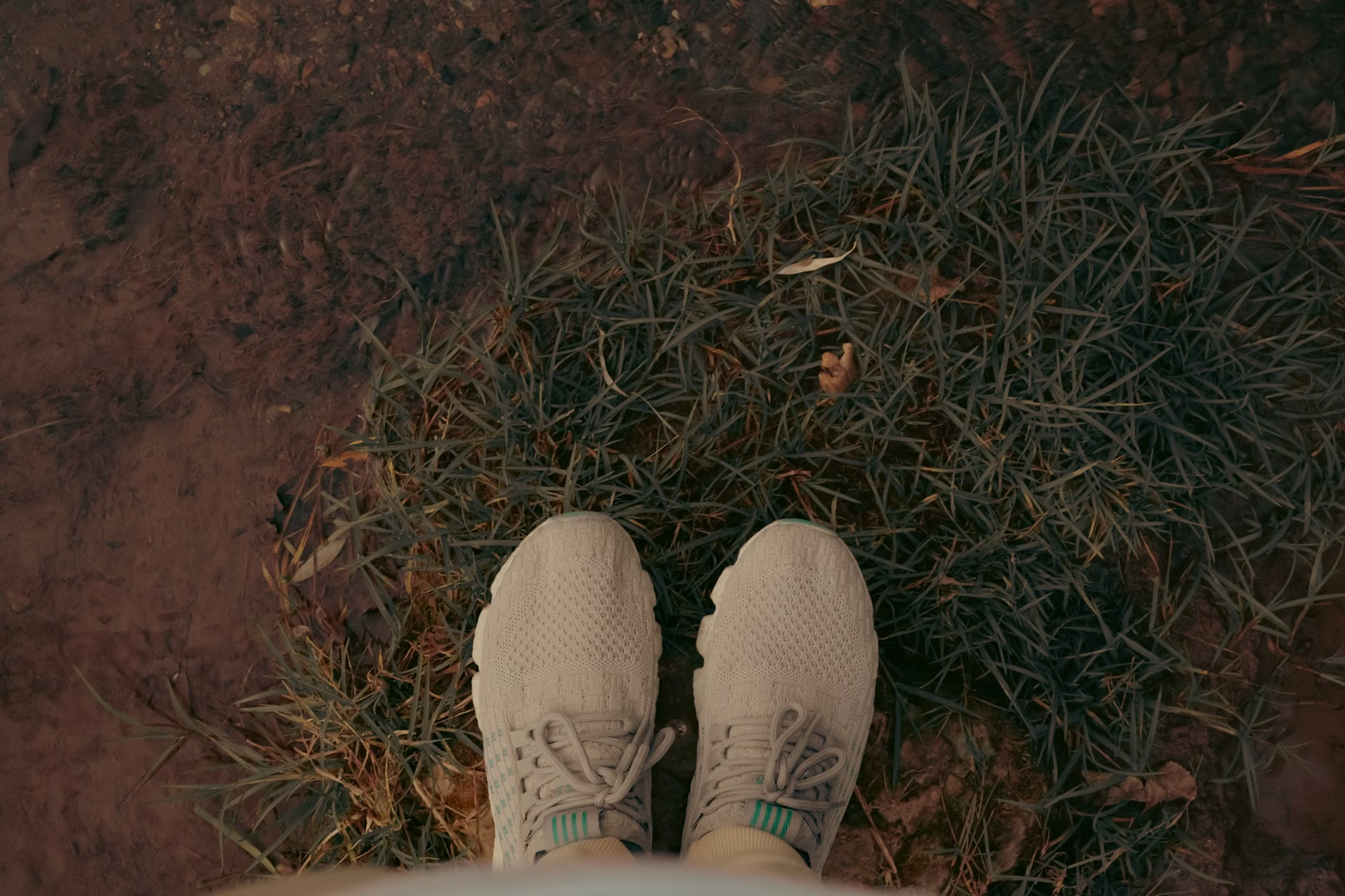
Your choice of footwear is the most significant decision you will make regarding your museum experience. Museums are typically characterized by marble, polished concrete, or hardwood floors—all of which provide zero shock absorption. This creates a high-impact environment for your joints.
Common Mistake: Many travelers choose shoes based on “style” or “lightness” without considering arch support or slip resistance. A light shoe with a thin sole will leave your feet aching after just 30 minutes. Instead, look for shoes with a firm heel counter and a cushioned midsole. If you use custom orthotics, ensure your shoes have removable insoles to accommodate them. Before your trip, wear your museum shoes for several short walks at home to ensure they do not cause friction points or blisters.
Modern museums are increasingly designed with universal accessibility, but they are still complex environments. Planning your route is just as important as your packing list.
Pre-Visit Strategy: The “Three-Gallery Rule”
One of the most common mistakes is attempting to see an entire museum in a single visit. This leads to “museum fatigue,” where your ability to process information and maintain physical balance declines. Instead, adopt the “Three-Gallery Rule”: select only three key areas or exhibitions you wish to see. Focus your energy on those, and treat everything else as a bonus. This approach allows you to pace yourself, ensuring you have enough energy to return to your accommodation without feeling depleted.
Leveraging Digital Accessibility Tools
Most major museums now offer digital floor maps on their websites. Before you leave, identify the location of:
- Elevators: Avoid relying on escalators, which can be disorienting or difficult to navigate if you have mobility aids.
- Restrooms: Know where the accessible facilities are located.
- Seating Areas: Many museums have benches in specific corridors. Mark these on your mental map.
Managing Stamina and Safety
Museums are often dimly lit to protect artifacts. This creates a significant tripping hazard, especially when moving between a bright entrance hall and a darkened gallery. Give your eyes at least 30 seconds to adjust before moving deep into a new space. If you use a cane, ensure it has a high-traction rubber tip. Some travelers prefer canes with a built-in light, which can be useful when reading labels in low-light environments.
If you experience any form of lightheadedness, do not wait for it to pass while standing. Use your portable stool immediately. If you do not have one, head to the nearest information desk and request a wheelchair, which most museums provide free of charge for visitors. Utilizing a wheelchair is not a sign of failure; it is a tool for energy management that allows you to continue your cultural exploration safely.
Practical Preparation for Caregivers
If you are traveling with an older adult, your role is to act as a navigator and advocate. Before entering, confirm the museum’s policy on mobility aids and bag sizes. Some institutions have strict “no-bag” policies, which may require you to use a locker. If you must use a locker, ensure the older adult has their essential items—such as medication, water, or a phone—in a small waist pouch that stays with them at all times.
Ensure you have a clear communication plan. If the museum is crowded, it is easy to become separated. Agree on a specific meeting point—usually the main information desk—in case you lose sight of each other. Keep a printed copy of the museum’s map with your contact information clearly written on the back.
Insights on Hidden Challenges
One overlooked variable in museum visits is the “acclimatization period.” If you are traveling across time zones, do not schedule a major museum visit for your first full day. Your body needs time to adjust to the local rhythm. Furthermore, consider the “noise floor” of the museum. Large, vaulted galleries can create significant acoustic echoes that make it difficult to hear companions or guides. If you have any degree of hearing loss, consider bringing noise-canceling headphones to reduce the ambient roar of a crowded room, which can significantly lower cognitive load.
Conclusion
A successful museum visit is defined by the quality of your engagement, not the quantity of artifacts viewed. By packing light, prioritizing supportive footwear, and managing your energy through the “Three-Gallery Rule,” you turn a potentially exhausting day into an enriching experience. Focus on your comfort, stay aware of your physical limits, and remember that the museum will still be there tomorrow if you choose to shorten your visit.
Frequently Asked Questions (FAQ)
1. Should I bring a cane even if I don’t use one daily?
Yes. If you anticipate a day with significant walking, a cane can provide extra stability on uneven floors or when you are tired. A folding cane is an excellent minimalist choice as it can be stored in a bag when not needed.
2. How do I find out if a museum is truly accessible?
Visit the official museum website and look for an “Accessibility” or “Plan Your Visit” section. Look for specific mentions of elevator access, wheelchair availability, and the presence of tactile exhibits. Official government tourism websites for the region often provide accessibility ratings for major institutions as well.
3. What if I feel overwhelmed by the crowd?
Many museums offer “quiet hours” or early morning access for visitors who prefer a less stimulating environment. Check the museum’s schedule online. If you are already inside and feeling overwhelmed, look for the “Education” or “Library” wings of the museum, which are generally quieter and less crowded than the main exhibition halls.
For further information on accessibility standards in museums, you may consult resources such as the International Council of Museums (ICOM), which provides global guidance on inclusive museum practices.
(Note: This article is intended for informational purposes and does not replace professional medical advice. Always consult with your healthcare provider if you have concerns regarding your physical stamina or mobility during travel.)