- Verify Vessel Accessibility: Always confirm the existence of wide entry ramps, level decks, and accessible restrooms before booking, as historic boats often have narrow corridors.
- Prioritize Pacing: Opt for shorter, multi-stop tours that allow for frequent breaks and avoid the fatigue associated with long, continuous hours on the water.
- Assess Mobility Requirements: Evaluate the “last mile” of your journey, including the distance from parking or public transport to the boarding dock, which is often uneven or unpaved.
Historic canal boat tours offer a unique perspective on regional heritage, allowing travelers to glide through centuries-old landscapes at a relaxed, meditative pace. For older adults, these journeys can be a highlight of a travel itinerary, provided they are chosen with a clear understanding of the physical and logistical demands. Selecting the right tour is not just about the destination; it is about ensuring that the vessel, the boarding process, and the surrounding infrastructure match your personal comfort and mobility needs.
Understanding Vessel Accessibility: Beyond the Brochure
Many canal boat companies market themselves as “historic,” which can sometimes imply limitations in modern accessibility. When evaluating a tour operator, do not rely solely on promotional images, which often omit the realities of steep gangplanks or narrow cabin stairs. Instead, you must perform a targeted assessment of the vessel’s physical design.
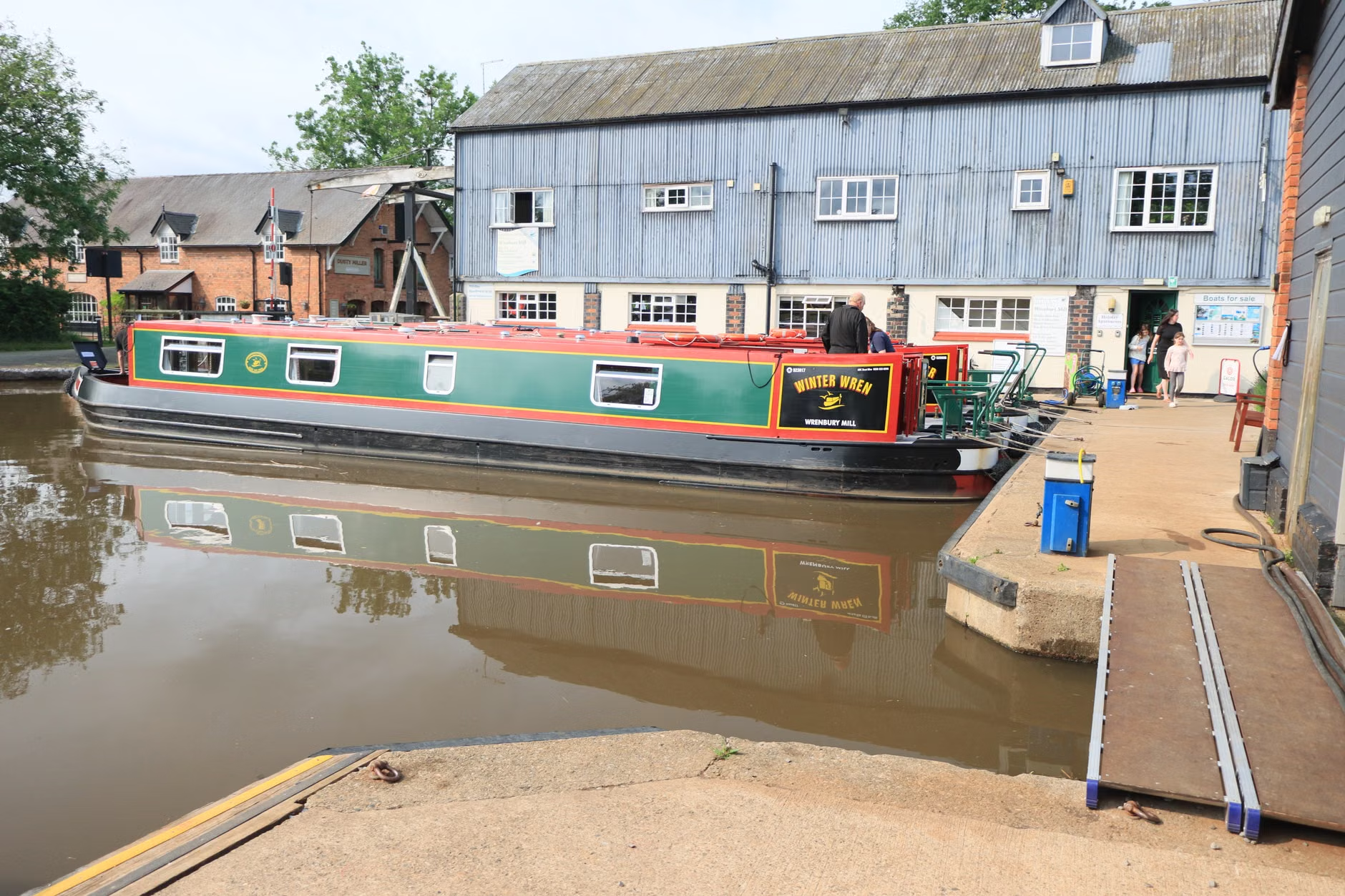
The Boarding Challenge: The most critical point of any boat tour is the transition from the dock to the vessel. Many historic canals use floating pontoons, but some rely on fixed stone quays. If a boat requires a steep, narrow ramp for boarding, it may pose a significant balance risk. Always ask the operator: “What is the maximum incline of your boarding ramp, and is there staff assistance available for boarding?”
Deck and Interior Space: Once aboard, consider your ability to move around. If you use a mobility aid, such as a cane or walker, ensure the deck layout is open and free of trip hazards. Many historic narrowboats have low ceilings and raised thresholds between cabins. A practical rule of thumb is to look for “wide-beam” vessels rather than traditional “narrowboats” if you require more space for stability or if you travel with a companion who assists you.
Checklist for Vessel Suitability
| Feature | What to Look For | Why It Matters |
|---|---|---|
| Gangplank/Ramp | Fixed, non-slip, handrails on both sides | Prevents slips during boarding/disembarking |
| Restroom Facilities | On-board accessible toilet | Reduces anxiety about long periods between stops |
| Seating | Fixed, ergonomic, back-supported | Essential for core support and comfort |
Managing Stamina and Pacing on the Water
The gentle motion of a boat can be deceptive. While the pace is slow, the combination of sun exposure, wind, and the physical effort of maintaining balance while the vessel moves can lead to faster-than-expected fatigue. For an older traveler, managing stamina is essential to maintaining enjoyment throughout the trip.
The “Half-Day” Principle: Instead of committing to full-day excursions, prioritize tours that last between 90 minutes and three hours. This duration is generally enough to experience the historic significance of the canal without exceeding the physical capacity of most seniors. If a full-day tour is the only option, ensure there are frequent “off-boat” opportunities where you can walk on level ground, stretch your legs, and use a standard, land-based restroom.
Sun and Wind Protection: Canal boats often have open-air decks. Even on mild days, the reflected glare from the water increases UV exposure. Wear polarized sunglasses to reduce eye strain and a wide-brimmed hat. If you are prone to cold, remember that the wind chill on a moving boat is always lower than on the shore; bring layers, even if the forecast looks pleasant.
The experience of a canal tour begins long before you step onto the boat. The “last mile”—the journey from your parking spot, bus stop, or hotel to the departure dock—is often the most overlooked part of the trip. Historic canal towns frequently feature cobblestone streets, which are notoriously difficult for those with mobility issues or those using walking aids.
Pre-Arrival Planning: Use satellite mapping tools (such as Google Maps Street View) to inspect the area surrounding the dock. Look for the following indicators of accessibility:
- Pavement Quality: Are the paths paved or made of loose gravel/cobblestones?
- Elevation Changes: Are there significant slopes or stairs between the nearest accessible parking and the water?
- Drop-off Points: Can a taxi or transport service drop you directly at the dock, or is there a mandatory walking distance?
If you discover that the access route is challenging, contact the tour operator. Many reputable companies offer a “drop-off” service where they can coordinate with local transport to get you closer to the boarding point than the general public.
Health Considerations and Safety Preparedness
Travelers aged 60 to 80 should consider their own health profile when planning water-based tours. While these tours are generally low-impact, there are specific considerations regarding balance, medication, and emergency access.
Balance and Stability: The natural sway of a boat requires constant, subtle adjustments in your core muscles. If you have concerns about balance or vestibular health (inner ear issues), choose a seat in the center of the boat, as the motion is usually less pronounced there than at the bow or stern. Always use handrails when moving about the vessel, even if the boat appears stationary.
Medication and Hydration: Being on the water can make it easier to forget regular habits. Keep your medication in a dedicated, waterproof bag that stays with you at all times. Hydration is also critical; the breezy environment may hide the drying effects of the sun, leading to mild dehydration, which can manifest as fatigue or dizziness. Carry a reusable water bottle and aim to sip regularly.
Emergency Awareness: Before the boat departs, observe the crew’s safety briefing. Identify where the life jackets are stored and ensure you know how to use them. If you have a medical condition that may require immediate attention, inform the crew discreetly upon arrival. They are experienced in assisting passengers and will appreciate the heads-up to ensure your safety.
Comparing Tour Types: What Suits Your Style?
Not all canal tours are the same. Understanding the different models helps you select the one that aligns with your physical comfort level and interest.
Public Scheduled Cruises
These are cost-effective and social. However, they can be crowded, making it difficult to navigate to a seat or restroom. Best for: Seniors with high mobility and those who enjoy meeting other travelers.
Private or Small-Group Charters
These offer a more tailored experience. You can often request specific seating arrangements and more frequent stops. While more expensive, the reduced density of passengers significantly lowers the risk of accidental jostling. Best for: Seniors who prioritize comfort, quiet, and personalized service.
Self-Drive Day Boats
Some canals allow you to rent a small electric boat for the day. While this provides total control over the pace, it requires a higher level of technical confidence and physical coordination to handle the tiller and locks. Best for: Very active seniors or those traveling with younger, capable family members who can manage the technical aspects of the boat.
The Hidden Variable: Understanding Lock Systems
If your tour involves passing through locks (the chambers used to raise or lower boats between different water levels), the experience changes significantly. While fascinating, locks can be noisy and involve a change in vertical height that might be disorienting for some passengers.
If you are sensitive to sudden changes in environment or noise, ask if the tour route includes locks. Some operators offer “lock-free” scenic routes that focus on the open canal, providing a more consistent and tranquil experience. If you do choose a route with locks, ensure you are seated securely during the passage, as the boat may bump gently against the lock walls.
Financial and Practical Planning
When budgeting for your tour, include the cost of accessible transport to and from the departure point. If you require a specialized taxi or a private transfer to avoid long walks on uneven surfaces, factor this into your overall travel budget. Many regional tourism boards provide grants or subsidies for accessible tourism; it is worth checking the official tourism website of the region you are visiting to see if any transport vouchers or accessibility passes are available.
For example, in many parts of the UK and Europe, the “Blue Badge” or equivalent disability parking permits are recognized, but their application to private canal boat docks varies. Always confirm with the operator if they provide dedicated accessible parking, as this can save significant effort and cost.
Conclusion: Taking the First Step
Selecting an accessible historic canal boat tour is about balancing your desire for exploration with a realistic assessment of your physical needs. By focusing on vessel design, the “last mile” of your journey, and the pace of the tour, you can ensure a memorable experience that is both safe and enjoyable. Do not hesitate to call the tour operator directly; their willingness to answer detailed questions about accessibility is often the best indicator of their commitment to providing a welcoming experience for all travelers.
Frequently Asked Questions (FAQ)
1. Are all canal boat tours suitable for wheelchair users?
No, not all tours are accessible. Many historic boats have narrow doorways or steps that cannot accommodate wheelchairs. Always call the operator to confirm if they have a specifically designated wheelchair-accessible boat or ramp system.
2. What should I do if I feel dizzy or unwell during the boat trip?
Immediately inform a member of the crew. They are trained to handle passenger discomfort. Move to the center of the boat, sit down, and focus on the horizon rather than the passing scenery, which can help stabilize your sense of balance.
3. Should I bring my own mobility aid on a canal boat?
Yes, if you use a cane or walker, you should bring it. However, ensure it is collapsible if possible, as storage space on smaller boats can be limited. If you use a larger mobility device, confirm with the operator in advance whether they have the storage capacity to accommodate it safely.
Official resources for further planning:
Canal & River Trust (UK) – Accessible Boating Information
VisitBritain – Accessible Tourism Guidelines