- The “Two-Bag System”: Separate your items into a small, accessible “day bag” for the bus cabin and a larger suitcase for the luggage hold to maintain easy access to essentials without physical strain.
- Mobility and Stamina Management: Prioritize compression gear and frequent movement during rest stops to manage circulation and fatigue, which are the primary challenges of long-haul travel.
- Strategic Accessibility: Always verify the physical accessibility of your tour route, including rest stop facilities and walking terrain, to ensure your physical capacity matches the tour’s itinerary.
Introduction: Redefining the Long-Haul Bus Experience
Long-haul bus tours offer a unique way to see multiple regions without the stress of navigating airports or driving yourself. However, the physical demands of sitting for extended periods and transitioning between different climates can be significant. For travelers aged 60 to 80, the secret to a successful journey lies not in how much you pack, but in how you pack and prepare for the specific constraints of the road.
This guide provides a comprehensive strategy for managing your comfort, health, and mobility throughout a multi-region bus tour. We will move beyond standard packing lists to explore the logistical and physical nuances that ensure your travel experience remains enjoyable rather than exhausting.
Section 1: The Logistics of Packing for Mobility
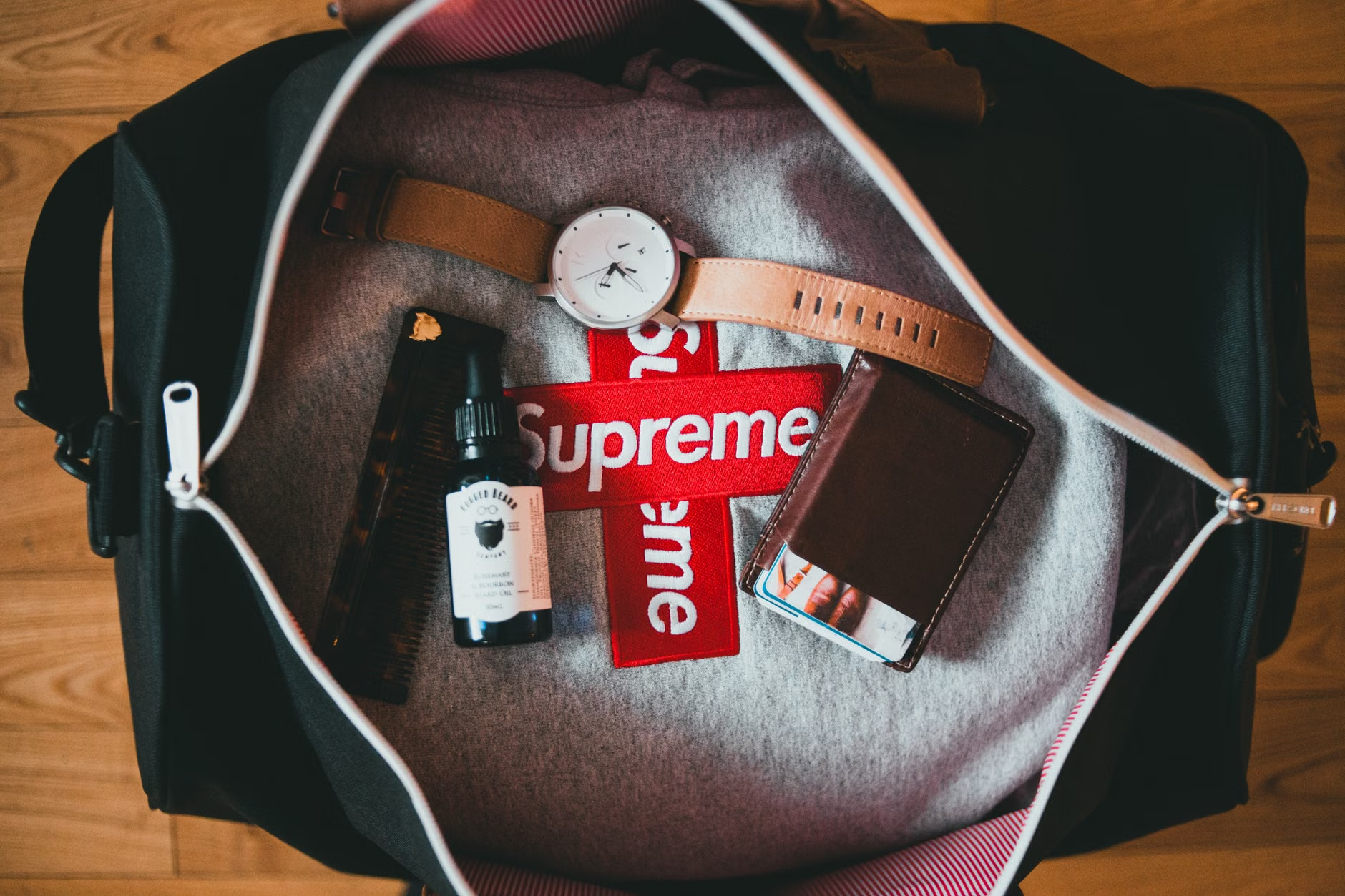
When you are on a tour that crosses multiple regions, your luggage is your most critical support system. The common mistake is overpacking “just in case” items, which creates physical strain during boarding, hotel transfers, and rest stops. Instead, adopt a modular packing strategy.
The Two-Bag System Explained
Your luggage should be divided into two distinct categories: the In-Cabin Essential Kit and the Hold Luggage. The in-cabin bag should never exceed 5-7 kilograms (roughly 11-15 pounds) to ensure you can lift it into the overhead bin or place it at your feet without straining your shoulders or back.
| Item Category | Priority | Why It Matters |
|---|---|---|
| Hydration & Nutrition | High | Maintaining blood sugar and preventing dehydration is vital for energy levels. |
| Mobility Aids | High | Folding canes or lightweight braces should be accessible if unexpected terrain arises. |
| Comfort Gear | Medium | Neck pillows and lumbar support minimize strain during long hours of sitting. |
| Layered Clothing | High | Regions often have fluctuating temperatures; layers allow for quick adjustments. |
The Hold Luggage should be limited to one medium-sized, four-wheeled suitcase. Four-wheeled suitcases, or “spinners,” are significantly easier to maneuver than two-wheeled versions because they carry their own weight, reducing the torque on your wrists and lower back.
Section 2: Health and Stamina Management on the Road
Long-haul travel involves prolonged inactivity, which can lead to stiffness, swelling, and increased risk of deep vein thrombosis (DVT). While DVT is a concern, it is manageable through movement and proper gear.
Proactive Circulation Strategies
Compression socks are not merely an accessory; they are a functional tool for long-haul travel. Consult your physician before your trip to determine the correct compression level for your circulation needs. In practice, put these on before you board the bus, not after you have been sitting for hours.

The “Rest Stop Protocol”
When the bus stops, do not remain seated to “save energy.” The most effective way to combat fatigue is to engage in light, low-impact movement. Use every rest stop to walk for at least five minutes. This engages your calf muscles, which act as a pump to return blood to your heart, significantly reducing the risk of leg swelling.
If you find that your stamina is dipping, it is often due to dehydration rather than lack of sleep. Bus air conditioning systems are notoriously drying. Aim to drink 200ml of water for every two hours of travel, rather than waiting until you are thirsty.
A multi-region tour often means transitioning from one climate to another within a few days. This transition can impact your immune system and physical comfort. The key is base-layer management.
The Three-Layer Rule
Instead of packing heavy coats, use the three-layer rule:
- Base Layer: Moisture-wicking material (like lightweight merino wool or synthetic blends) that keeps your skin dry.
- Insulation Layer: A fleece or down vest that provides warmth but can be easily removed.
- Shell Layer: A windproof and water-resistant jacket that protects against the elements without adding bulk.
This system is more effective than a single heavy coat because it allows you to regulate your body temperature as you move from the bus (which may be chilly) to the outdoors (which may be warm or windy).
Section 4: Digital Preparation and Accessibility
Technology can be a significant advantage if used strategically. Before departing, ensure you have digital copies of your medical records, insurance documents, and a list of your medications (including generic names, as brand names vary globally).
Verification of Physical Accessibility
Do not assume that every stop on a tour itinerary is fully accessible. Research the specific regions you are visiting. For example, if you are traveling in Europe, look for the “Blue Badge” or local accessibility symbols on attraction websites. If you have mobility concerns, reach out to your tour operator at least 30 days before departure to request information on the number of stairs at major stops and the availability of elevators or ramps.

If an attraction is listed as “not accessible,” do not feel pressured to participate. A “senior-friendly” tour is one that acknowledges that not every traveler has the same physical capacity. Plan a “Plan B” activity, such as a nearby café or a local museum, to ensure you can enjoy the time while others in your group participate in more strenuous activities.
Section 5: Advanced Packing Nuances and Hidden Variables
There are variables that many travelers overlook until they are on the road. First, lighting. Hotel rooms in older buildings or remote regions may have insufficient lighting, making it difficult to read or find items in your suitcase. A small, clip-on LED reading light is a lightweight addition that significantly improves your quality of life in hotel rooms.
Second, consider power requirements. Different regions use different plug types and voltages. Carrying a universal travel adapter is essential, but ensure it is a high-quality one that can handle the wattage of your devices. Do not rely on hotels to provide adapters, as they are often out of stock.
Third, medication logistics. Always carry your medication in its original packaging with your name clearly visible. If you are crossing international borders, carry a doctor’s note explaining your need for these medications to avoid customs delays. Keep a secondary supply of essential medications in your checked luggage, just in case your carry-on is misplaced.
Conclusion: Prioritizing Your Wellbeing
The goal of a long-haul bus tour is to broaden your horizons, not to test your physical limits. By packing strategically, managing your hydration and movement, and advocating for your own accessibility needs, you can transform a potentially strenuous trip into a comfortable and enriching experience. Remember that the best travel plan is one that allows for flexibility; if you feel tired, it is always better to skip an optional excursion than to push through and compromise your enjoyment for the remainder of the trip.
Frequently Asked Questions
Q1: How can I manage leg swelling during a 10-hour bus journey?
A: Wear medical-grade compression socks, stay hydrated, and perform seated ankle circles every 30 minutes. Use every scheduled rest stop to walk for at least 5-10 minutes to improve circulation.
Q2: Should I bring a mobility aid even if I don’t use one daily?
A: Yes. A lightweight, collapsible walking stick can provide necessary stability on uneven terrain or during long days of walking. It is better to have it and not need it than to struggle without it.
Q3: How do I handle medication if I am visiting multiple countries with different regulations?
A: Always carry a copy of your prescription and a doctor’s letter in English. Keep all medications in their original, labeled containers. Check the embassy websites of the countries you are visiting for specific restrictions on controlled substances.
Disclaimer: This article is for informational purposes and does not constitute medical advice. Always consult with your primary healthcare provider before undertaking long-distance travel, especially if you have pre-existing health conditions.