- Layering is your primary defense: Use a base-mid-outer layer system to transition seamlessly between arctic and tropical climates without overpacking.
- Prioritize mobility in luggage: Use lightweight, four-wheeled spinner luggage and modular packing cubes to reduce physical strain and simplify cabin organization.
- Manage stamina through strategic planning: Focus on “recovery days” and climate-appropriate footwear to ensure you remain mobile and energized throughout the duration of your voyage.
Cruising across diverse climate zones—such as moving from the chilly fjords of Norway to the warm Mediterranean, or traversing the Panama Canal—presents a unique logistical challenge for travelers aged 60 to 80. The goal is to remain comfortable, mobile, and prepared for temperature swings without the burden of excessive, heavy luggage. This guide provides a strategic framework for packing, prioritizing physical comfort, energy conservation, and accessibility.
The Layering Principle: Transitioning Climates Efficiently
The most common mistake when packing for multiple climates is bringing separate outfits for every temperature range. Instead, adopt a modular layering system. This approach relies on thin, high-performance fabrics that can be combined or removed as the ship moves through different latitudes.
The Three-Layer Framework
This system allows you to adapt to a 20-degree Celsius temperature shift in a single day:
- Base Layer: Moisture-wicking materials like merino wool or synthetic blends. These keep your skin dry and regulate body temperature. Avoid cotton in cold climates, as it retains moisture and loses insulation once damp.
- Mid Layer: This is your insulation. A lightweight fleece, a merino wool sweater, or a “down-alternative” vest is ideal. These are compressible and easy to store in a day bag.
- Outer Layer: A breathable, water-resistant, and windproof shell. For multi-climate cruises, look for a jacket with a removable liner. This serves as your raincoat in tropical regions and your windbreaker in cooler zones.
Strategic Luggage Selection for Physical Ease
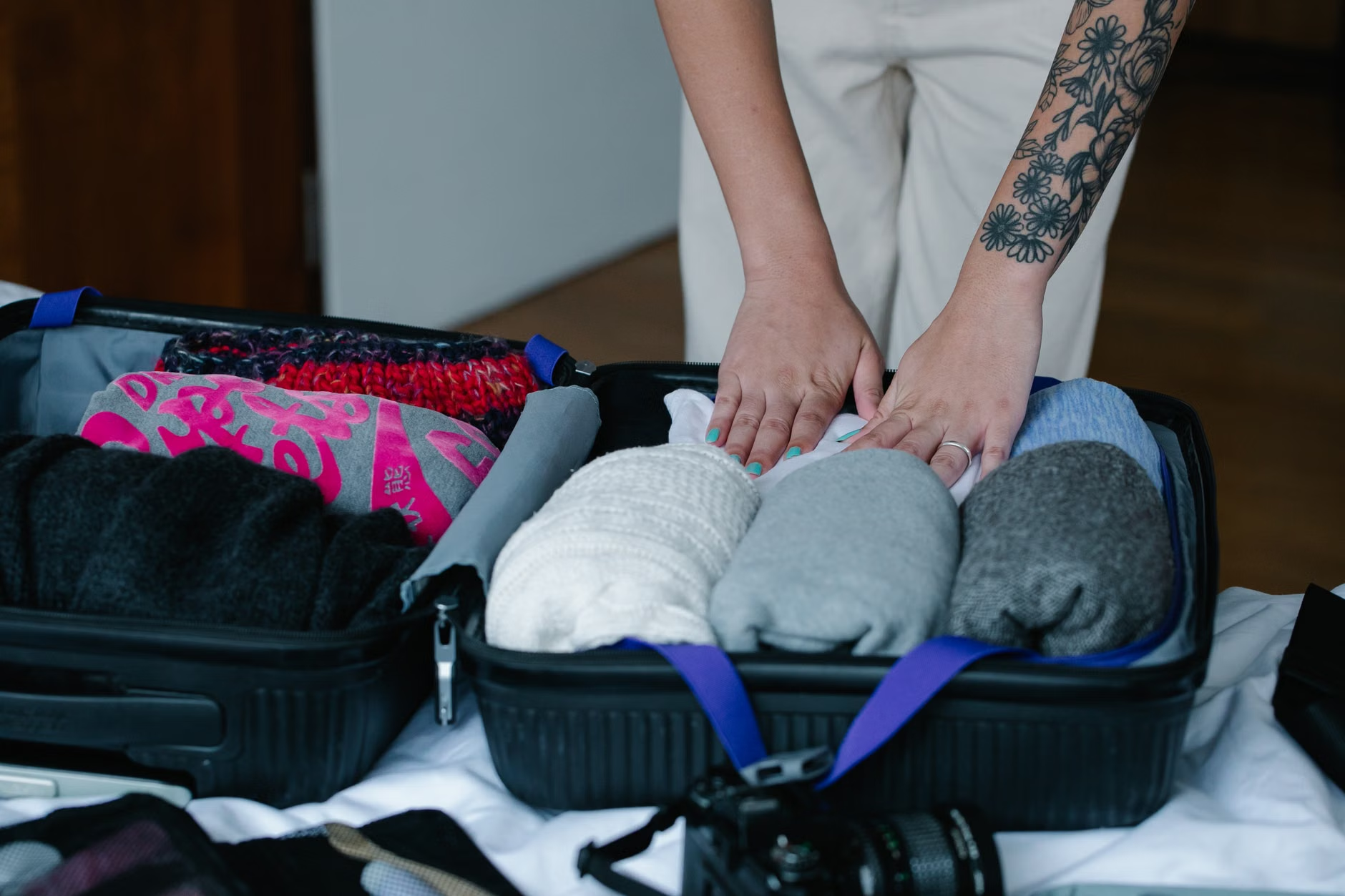
For the senior traveler, the physical weight of luggage is a primary concern. The goal is to minimize lifting and pulling. Modern cruise travel requires luggage that is maneuverable in tight spaces, such as cabin corridors or crowded terminal boarding areas.
The Case for Four-Wheeled Spinners
Unlike two-wheeled suitcases that require you to tilt and pull—putting strain on your wrists and lower back—four-wheeled “spinner” suitcases glide alongside you. This design allows you to move through terminals with minimal force, maintaining an upright posture which is crucial for those with balance or back concerns.
Size and Weight Limits
Aim for a medium-sized (24-inch) checked bag and a lightweight, structured carry-on. Many cruise lines have strict regulations regarding the size of carry-on items. Ensure your carry-on fits easily under the bed or in the closet of your cabin. If you are traveling with a companion, consider sharing one large suitcase to reduce the total number of items to track, but ensure neither bag exceeds 20 kilograms to prevent injury during handling.
Footwear: The Foundation of Cruise Mobility
Your choice of footwear dictates your ability to participate in shore excursions. Whether walking on slippery decks or cobblestone streets in historic ports, your feet require support and stability.
| Footwear Type | Best Use Case | Key Feature to Look For |
|---|---|---|
| Walking Shoes | Daily wear, shore excursions | Arch support and slip-resistant soles |
| Formal Footwear | Evening dining, theater | Low, broad heels; cushioned insoles |
| Water-friendly Sandals | Pool deck, beach excursions | Adjustable straps for secure fit |
A note on safety: Always test new shoes for at least two weeks before your cruise. Never wear brand-new footwear on a long shore excursion, as the risk of blisters or foot strain is significantly higher. If you require orthotics, ensure your walking shoes have removable insoles to accommodate them.
Packing for Health: Managing Medications and Daily Needs
Managing health while traveling requires a structured approach. You should carry all essential medications in your hand luggage, never in checked bags, to avoid issues if luggage is delayed or lost.
Creating a Health Emergency Kit
Beyond your regular prescriptions, your travel kit should include:
- Medication List: A printed document listing all medications, dosages, and the conditions they treat, along with your doctor’s contact information.
- Digital Copies: Keep a PDF version of your medical records and insurance policy on your smartphone or a secure cloud drive.
- Hydration and Supplements: Travel often disrupts eating habits. Carry electrolyte packets to stay hydrated, especially in warmer climates where you may sweat more than usual.
The “senior-friendly” label on a cruise excursion can be subjective. You must evaluate these trips based on your personal mobility levels. Look for the “activity level” rating provided by the cruise line, but always cross-reference it with the physical reality of the destination.
What to Look for in Excursion Descriptions
- Walking Distance: Does the tour involve significant walking on uneven ground?
- Transport Accessibility: Are the buses used for the tour equipped with lifts, or will you need to navigate steep stairs?
- Rest Opportunities: Does the itinerary include scheduled stops for sitting, or is it a continuous movement schedule?
If you have concerns about your energy levels, do not feel obligated to join group tours. Many major ports have accessible hop-on-hop-off buses that allow you to see the sights at your own pace without the physical pressure of a guided group. Always prioritize a “recovery afternoon” after a long day of sightseeing to ensure you do not exhaust your stamina for the remainder of the trip.

Managing Unexpected Variables
Even with the best preparation, cruise travel involves variables that can impact your comfort. Being aware of these helps in making quick decisions.
Climate-Related Inconveniences
Humidity is often overlooked. In tropical climates, clothing that does not breathe can lead to heat exhaustion. Conversely, in cold climates, the wind chill on deck can be severe. Always keep a lightweight, windproof layer in your day bag when on deck, even if it feels warm in the cabin.
Cabin Location and Movement
If you are prone to motion sickness, your choice of cabin is as important as your packing list. Mid-ship cabins on lower decks experience the least movement. If you have mobility concerns, ensure your cabin is near an elevator bank, as cruise ships are often very long and walking from one end to the other can be tiring.
Practical Checklist: Before You Depart
Use this checklist to ensure you are physically and logistically prepared:
- [ ] Verify that all prescription medications are packed for at least 7 extra days beyond your planned return date.
- [ ] Confirm that your travel insurance covers medical evacuation, which is essential for maritime travel.
- [ ] Check the weather forecast for every port of call one week before departure.
- [ ] Ensure your smartphone and tablet are loaded with offline maps of your destination cities.
- [ ] Pack a small power bank; mobile devices drain battery faster when searching for signals in international ports.
Conclusion: The Art of Balanced Travel
Successful cruise travel for seniors is not about packing for every possible eventuality, but about packing for flexibility and comfort. By utilizing a modular clothing system, prioritizing ergonomic luggage, and being realistic about your physical limits on shore excursions, you can focus on the experience rather than the logistics. Remember that the goal of a cruise is to enjoy the journey, not to rush through a checklist of ports. Pace yourself, listen to your body, and utilize the ship’s resources to maintain your well-being throughout the voyage.
Frequently Asked Questions (FAQ)
1. Should I bring a mobility aid even if I don’t use one at home?
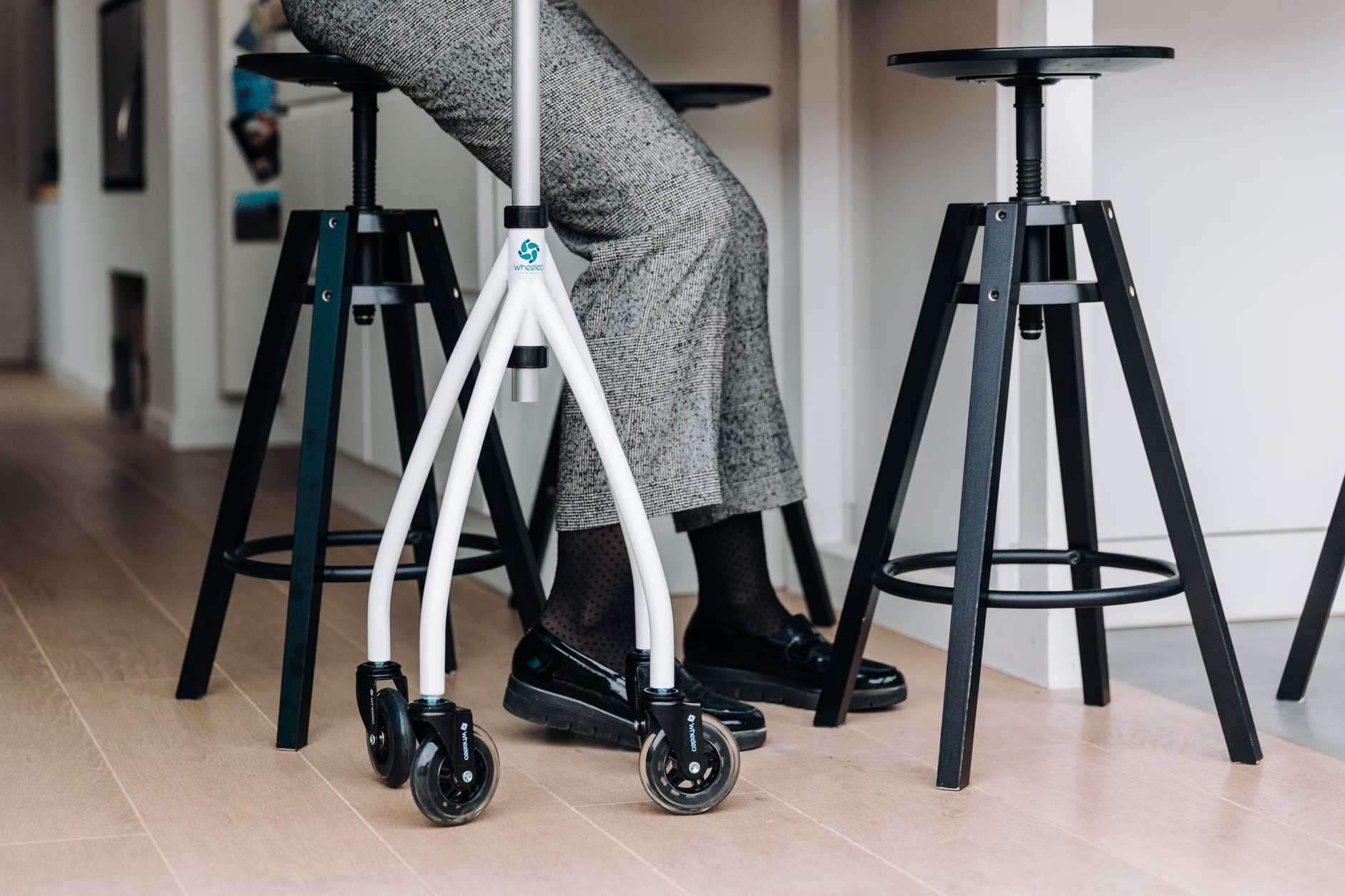
If you have any history of fatigue or balance issues, bringing a lightweight, foldable cane is a wise precaution. Modern cruise ships are massive, and the distances between dining rooms, theaters, and decks can be significant. Having a cane provides extra stability on moving ships and uneven cobblestone streets in port cities.
2. How can I handle laundry on a long cruise?
Most cruise lines offer laundry services, but they can be expensive. Check if your ship has self-service laundry facilities. If not, pack “travel-size” laundry detergent sheets—these are lightweight, non-liquid, and perfect for hand-washing small items in your cabin sink to keep your packing light.
3. How do I manage shore excursions if I have limited mobility?
Look for excursions specifically marked as “accessible” or “gentle pace.” Contact the cruise line’s accessibility department before you sail to ask about the specific transport used for tours. If you find the official tours too strenuous, consider hiring a private, accessible taxi in port for a customized, low-impact tour of the main sights.
Official guidance on cruise accessibility and health preparation can be found through your specific cruise line’s “Accessibility” or “Special Needs” department, which provides details on cabin modifications, medical equipment rentals, and tour accessibility.