- Seated shoulder shrugs are a low-impact, accessible way to release accumulated tension in the trapezius and levator scapulae muscles.
- Proper form—specifically keeping the neck elongated and avoiding forward head tilt—is the most critical factor in preventing injury and maximizing benefit.
- Consistency is more effective than intensity; performing small sets throughout the day prevents the “tension buildup” that leads to chronic stiffness.
Upper back tension is a common experience for adults aged 60 to 80, often resulting from prolonged periods of sitting, reading, or using digital devices. While many view this stiffness as an inevitable part of aging, it is frequently a result of postural habits that can be managed through simple, daily movements. The seated shoulder shrug is a foundational exercise that requires no equipment, minimal space, and can be performed safely in almost any environment.
Understanding the Mechanics of Upper Back Tension
To address tension effectively, one must understand what is happening in the muscles of the upper back and neck. The primary muscles involved are the upper trapezius, which spans from the base of the skull down to the mid-back, and the levator scapulae, which connects the neck to the shoulder blades. These muscles are designed for postural support.
When you maintain a fixed position—such as looking down at a book or tablet—these muscles remain in a state of semi-contraction. Over time, this leads to a reduction in blood flow to the area and the accumulation of metabolic waste products, which the body perceives as tightness or pain. Unlike a heavy gym workout, this is “static loading.” The goal of the seated shoulder shrug is to introduce “dynamic loading,” which encourages the muscles to contract and then fully relax, effectively pumping fresh blood into the area.
Why the “Seated” Position Matters
Performing shrugs while seated provides a stable base of support. By sitting in a chair with your feet flat on the floor, you remove the need for your lower body to stabilize your torso. This allows you to isolate the movement of the shoulders. For those with balance concerns or lower limb fatigue, the seated position is safer and more sustainable than a standing version, as it eliminates the risk of swaying or losing balance during the movement.
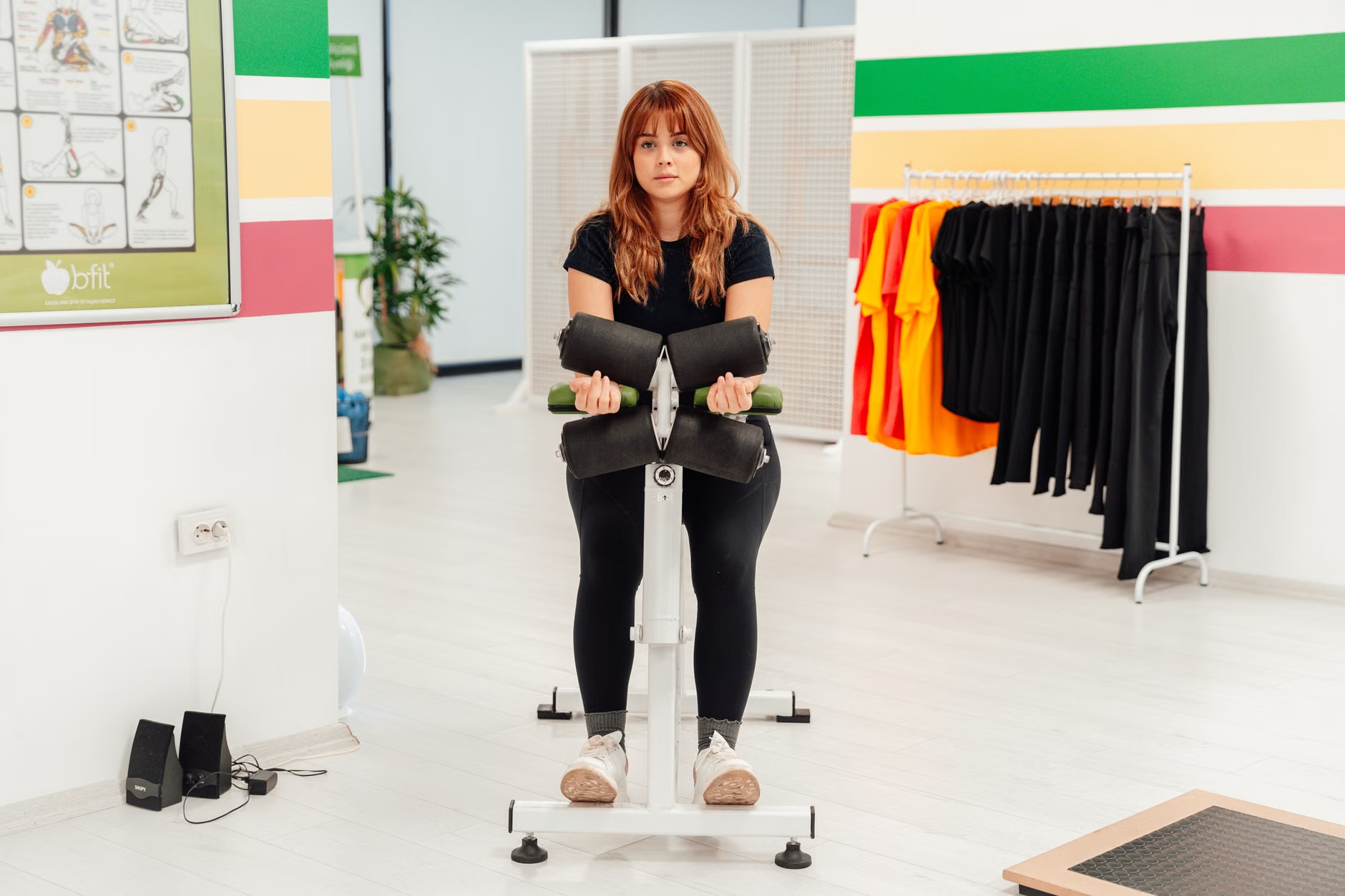
Step-by-Step Execution of the Seated Shrug
Effectiveness in physical movement is not about how many repetitions you perform, but the quality of the movement itself. Follow this protocol to ensure you are targeting the right muscles without straining your neck.
| Step | Instruction | Focus Area |
|---|---|---|
| 1. Setup | Sit tall with your hips back in the chair and feet flat on the floor. | Spinal alignment |
| 2. The Lift | Slowly elevate your shoulders toward your ears in a straight vertical line. | Trapezius engagement |
| 3. The Hold | Hold the position for 2 seconds. Keep your neck long, not tucked. | Muscle tension |
| 4. The Release | Drop your shoulders down and back in a controlled manner. | Full relaxation |
Common Mistake: Many individuals “crunch” their neck forward as they lift their shoulders. This creates a “turtle neck” posture that puts excessive pressure on the cervical spine. Always imagine a string pulling the crown of your head toward the ceiling throughout the entire motion.

Integrating Movement into Your Daily Routine
The greatest barrier to physical wellbeing is not a lack of ability, but the difficulty of forming new habits. Rather than setting aside a “workout block,” try “habit stacking.” This involves attaching the exercise to a task you already perform daily.
- During Morning Coffee: Perform five shrugs while your coffee brews or your tea steeps.
- During Screen Time: If you use a computer or tablet, set an alarm for every 45 minutes. When it rings, stand up, sit back down, and perform three slow, deliberate shrugs.
- During Television Commercials: Use the breaks in your favorite program to reset your posture.
Consistency is key. Performing 3 sets of 5 repetitions throughout the day is significantly more effective for preventing tension than performing 50 repetitions in a single session once a week.
When to Seek Professional Advice
While shoulder shrugs are a safe preventive measure, they are not a treatment for underlying medical conditions. If you experience persistent pain, it is important to understand the difference between “muscular tension” and “clinical symptoms.”
Warning Signs: You should consult a healthcare provider or a licensed physical therapist if you experience any of the following:
- Pain that radiates down the arm or into the fingers.
- Numbness or a “pins and needles” sensation.
- Pain that is accompanied by dizziness or lightheadedness.
- A sudden decrease in range of motion that prevents you from lifting your arms.
When preparing for a medical appointment, keep a simple log for one week. Record when the pain occurs, what you were doing at the time, and what level of intensity it reached on a scale of 1 to 10. This data helps your doctor identify patterns that are not obvious during a brief consultation. You can find more information on evaluating musculoskeletal health through the World Health Organization’s resources on musculoskeletal conditions.

The Role of Environment and Ergonomics
No amount of exercise can fully compensate for a poorly set-up environment. If you spend significant time at a desk or in a favorite reading chair, consider these adjustments:
Screen Height
If you are looking down at a laptop or tablet, your upper back muscles are constantly working to hold the weight of your head. Elevate your device so the top third of the screen is at eye level. This simple adjustment can reduce the load on your trapezius muscles by up to 30%.
Chair Support
Ensure your chair provides adequate lumbar support. When your lower back is supported, your upper back is less likely to round (hunch). If your chair lacks this, a small rolled-up towel placed at the small of your back can make a substantial difference in preventing the fatigue that leads to tension.
Insights on Long-Term Mobility
An overlooked variable in upper back health is the health of the thoracic spine—the section of your back between your neck and your lower back. As we age, this area tends to become less mobile. Shrugs are excellent for the shoulders, but they work best when combined with gentle chest-opening movements. If you find that your shoulders are perpetually “rolled forward,” it is often because your chest muscles have become tight. Stretching the chest while keeping your shoulder blades squeezed together will provide the structural balance needed for the shrugs to be most effective.
Remember, the goal of these exercises is not to achieve a “perfect” posture that is held rigidly, but to maintain a “dynamic” posture where you can move freely and comfortably. Your body is designed to move; the more you introduce small, frequent movements throughout the day, the less likely you are to develop chronic tension.
Conclusion
Preventing upper back tension is a proactive process that relies on small, consistent actions. By incorporating seated shoulder shrugs into your daily routine and paying attention to your environmental ergonomics, you can significantly reduce the stiffness that often accompanies aging. Focus on the quality of your movement, listen to your body’s signals, and prioritize consistency over intensity to maintain long-term comfort and mobility.
Frequently Asked Questions
1. Can I use weights while performing these shrugs?
For the purpose of tension relief in the 60-80 age group, adding weights is generally unnecessary and may increase the risk of neck strain. Focus on the contraction and the full range of motion using only the weight of your arms.
2. How long does it take to notice a difference?
If the tension is purely muscular and related to posture, many people notice a reduction in tightness within 3 to 5 days of consistent, daily practice. If you do not see improvement, it may indicate that the tension is related to other factors that require professional assessment.
3. Is it better to perform these in the morning or evening?
There is no “best” time, but performing them throughout the day is superior to doing them all at once. If you find yourself stiffening up in the afternoon, that is the ideal time to perform a few repetitions to “reset” your muscles.