- Prioritize Firmness and Height: Look for chairs with a seat height between 18 and 20 inches and firm, high-density foam, which significantly reduces the physical effort required to stand up.
- Seek Structural Support: Choose seating with sturdy, full-length armrests that provide a stable platform for pushing off when transitioning from sitting to standing.
- Advocate for Universal Design: Modern libraries are moving toward “Universal Design,” meaning you should expect to see a variety of seating options—from high-back chairs to adjustable tables—designed to accommodate different mobility needs without isolating individuals.
As we move into 2026, the concept of the “public library” is shifting from a simple book repository to an essential community hub for lifelong learning and social connection. For adults aged 60 to 80, the physical environment of these spaces—specifically the seating—is undergoing a significant transformation. Architects and library administrators are increasingly adopting “Universal Design” principles, which ensure that environments are usable by everyone, regardless of age or physical ability.
This article explores the 2026 trends in age-inclusive library seating, helping you understand what to look for, why these changes matter for your daily comfort, and how you can advocate for better accessibility in your local branch.
Understanding the Shift: Why 2026 Seating Standards Matter
In the past, library furniture was often chosen for aesthetic appeal or durability, with little regard for the biomechanics of aging. By 2026, the focus has shifted toward ergonomic functionality. As we age, our joints—particularly the knees and hips—require more support, and the effort required to sit down and rise from a chair becomes a critical factor in how long we can comfortably stay in a public space.
The “what it is” of this trend involves a move away from low-slung, soft “lounge” chairs toward higher, firmer, and more supportive furniture. This matters because it directly impacts your stamina and safety. If a chair is too low or lacks armrests, the energy expenditure required to stand up increases, which can lead to fatigue or, in some cases, a risk of losing balance. In 2026, the best libraries are integrating chairs that serve as an extension of your own physical capacity, allowing you to spend more time reading, researching, or socializing without unnecessary physical strain.
The Anatomy of an Age-Inclusive Chair
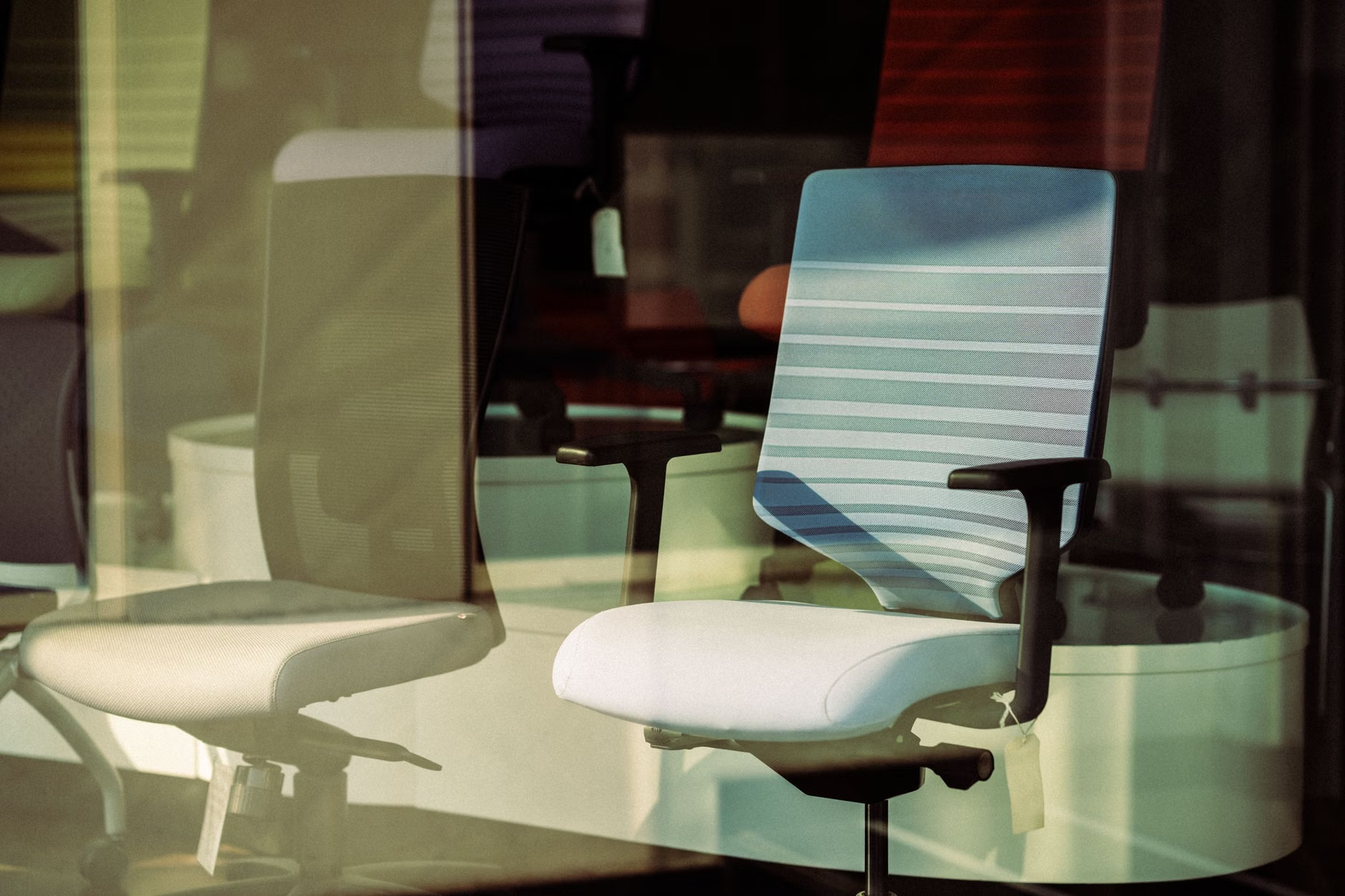
Not all chairs are created equal. When visiting a library in 2026, look for these specific design features that distinguish age-inclusive seating from standard office or lounge furniture.
1. Seat Height and Firmness
A common mistake in library design is providing “deep” lounge chairs. While they look inviting, they are often difficult to exit. In 2026, the industry standard for senior-friendly seating is a seat height of 18 to 20 inches from the floor. This height aligns more closely with the natural bend of the knee, minimizing the “squat” required to sit.
Furthermore, the density of the foam is paramount. High-density foam prevents the “sinking” sensation that makes rising difficult. If the cushion is too soft, you lose the firm base needed to generate the force required to stand.
2. The Importance of Structural Armrests
Armrests are not merely for comfort; they are essential tools for mobility. An ideal chair in 2026 features armrests that are:
- Sturdy: They should not wobble or flex under weight.
- Long: They should extend to the front edge of the seat, providing a stable platform for your hands as you prepare to stand.
- Grippable: The material should be easy to grip, avoiding overly slick surfaces.
Assessing Your Environment: A Practical Checklist
When you visit a library, you can quickly assess whether the seating is designed with your needs in mind. Use this checklist to identify the most suitable spots for your comfort.
| Feature | Look For | Avoid |
|---|---|---|
| Seat Height | 18–20 inches (knee level) | Low sofas or “slump” chairs |
| Armrests | Firm, full-length, easy to grip | Short, padded, or absent armrests |
| Back Support | High back with lumbar curve | Flat, vertical, or reclined backs |
| Stability | Four-legged or solid base | Swivel chairs or wheeled chairs |
This comparison helps you choose the right seat for your specific needs. If you have limited mobility, always prioritize stability and height over aesthetics. A swivel chair might be fun for a younger student, but for someone with balance concerns, a fixed, solid-base chair is significantly safer.
The Role of Adjustable Furniture in 2026
Beyond individual chairs, 2026 trends are heavily emphasizing adjustable-height tables. In the past, library tables were fixed at a standard height that often forced older adults to hunch over, leading to neck and back strain. Today, many libraries are installing tables with simple, manual, or electric height-adjustment mechanisms.
What this looks like in real life: A reader can pull a chair up to a table and then adjust the table height to bring the reading material or laptop to their eye level, rather than adjusting their body to the table. This simple change reduces the need for forward-leaning postures, which is a major contributor to discomfort during long reading sessions.
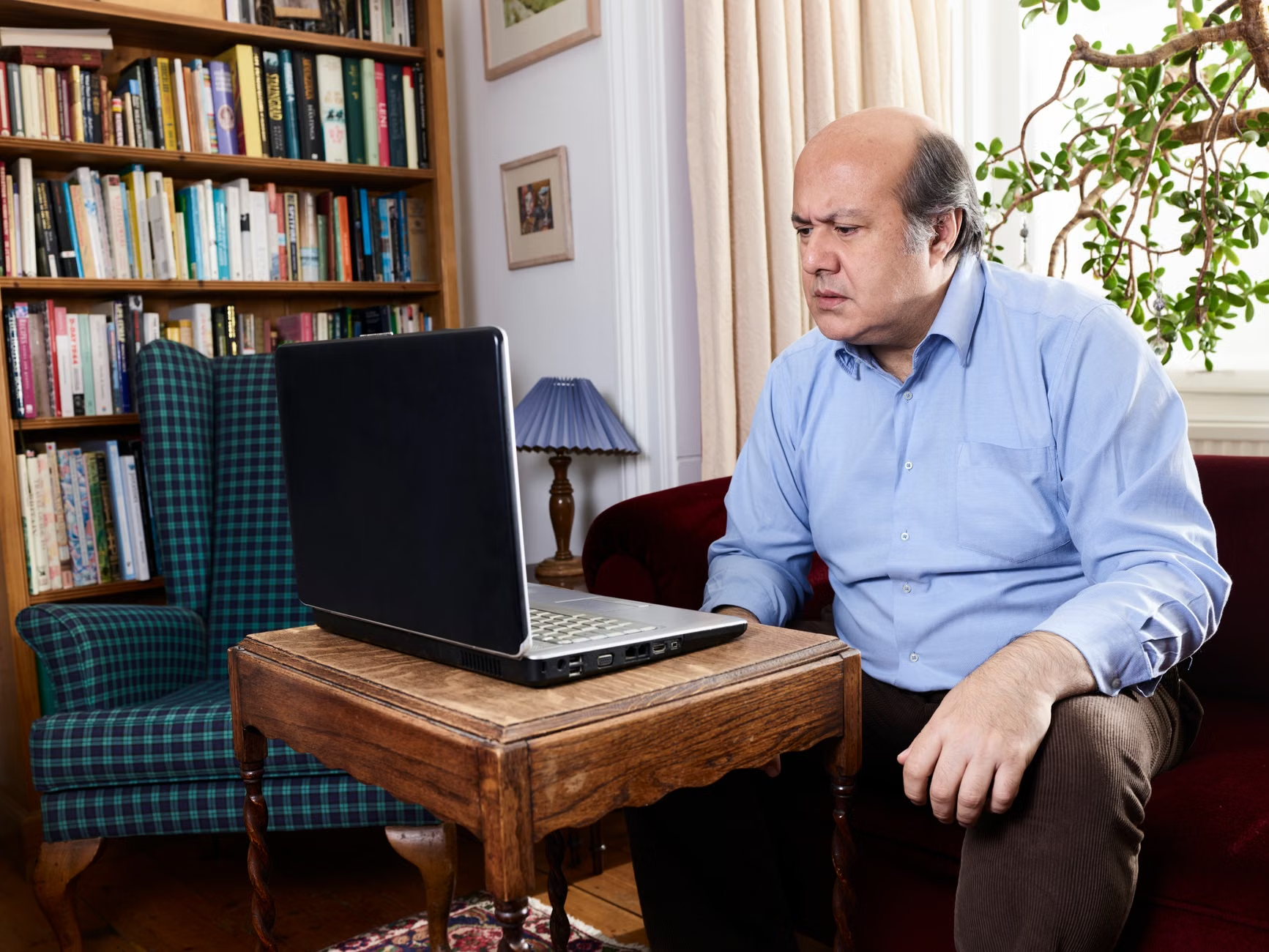
While the chair is the focal point, the surrounding environment must also support your ability to reach that chair. The 2026 trend is “clear-pathway design.” This means that libraries are moving away from cluttered aisles filled with floor-to-ceiling stacks that create narrow, maze-like corridors. Instead, they are opting for wider, well-lit pathways that allow for easy movement, whether you are walking, using a cane, or utilizing a walker.
If you find that a library’s aisles are too narrow, or the seating is tucked into corners that are difficult to access, this is a valid concern regarding accessibility. You have the right to request that high-demand materials or comfortable seating be moved to more accessible, ground-floor locations.
How to Advocate for Better Seating in Your Community
If your local library is outdated, you can play a role in its improvement. Libraries are public institutions, and they are generally responsive to feedback from their patrons. Here is how you can effectively communicate your needs:
- Document the Issue: Note specific areas where seating is difficult to use. Is the chair too low? Is there a lack of armrests?
- Speak with the Librarian: Approach the head librarian or the facility manager. Frame your feedback constructively: “I enjoy visiting the library, but I find the current seating in the reading room difficult for my mobility. Are there plans to update this furniture to be more inclusive?”
- Join the “Friends of the Library” Group: These groups often have a say in how funds are allocated for facility upgrades. By joining, you can ensure that “age-friendly furniture” is included in their budget priorities.
Remember, the goal is to make the library a space that serves you for years to come. Your feedback helps them understand the demographic realities of their patrons, which is often the missing link in facility planning.
Hidden Factors: The Trade-offs of Modern Design
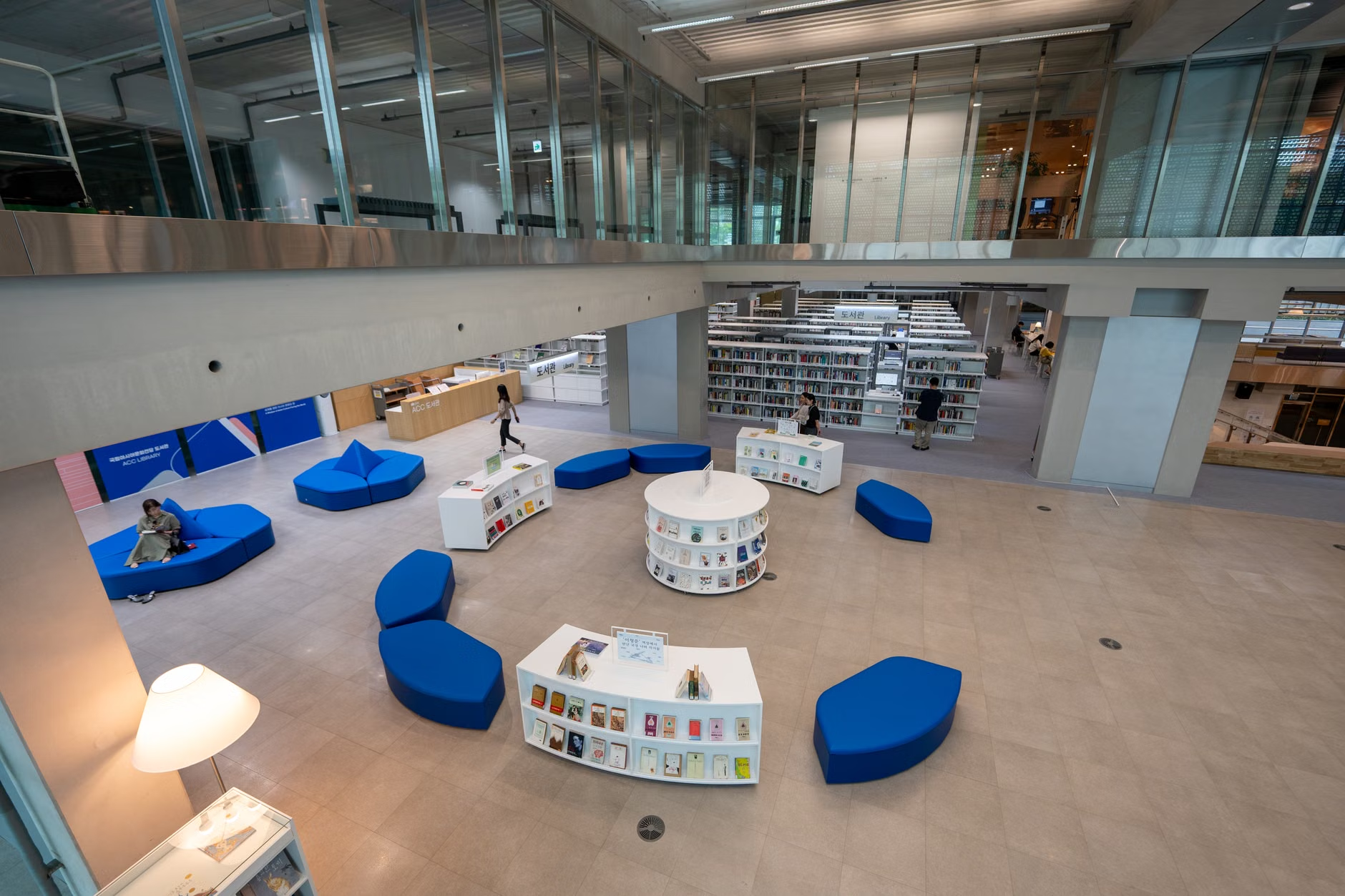
While many 2026 trends are positive, there are some “hidden” trade-offs to be aware of. For instance, the push for “open-plan” library designs can sometimes lead to increased noise levels. While these spaces are physically more accessible, they may be less suitable for those who require quiet environments for concentration.
Another factor is the rise of “collaborative seating,” which often involves clusters of chairs around tables. While excellent for social interaction, these areas may lack the individual privacy that many older readers value. When choosing a seat, look for “quiet zones” that offer the same high-quality, ergonomic furniture but in a more secluded, acoustic-friendly environment. Always prioritize your personal comfort preferences—whether that means silence or social engagement—when selecting your spot.
The Future of Library Access: A Holistic Approach
By 2026, the definition of an accessible library will go beyond just physical seating. It will include digital access to library services, such as large-print e-readers and audiobooks, which can be accessed from the comfort of your own home. However, the physical library remains a vital anchor for community interaction.
The trend toward age-inclusive seating is part of a broader movement toward lifelong participation. Libraries are recognizing that the older population is an active, engaged, and significant user base. By investing in better seating, they are not just providing a place to sit; they are providing a place to belong. As you navigate these spaces, remember that you are an important part of the library’s mission. Your presence, your feedback, and your engagement are what keep these institutions relevant and vibrant.
Conclusion: Taking Charge of Your Library Experience
As you explore your local library in 2026, keep your physical well-being at the forefront. Choosing the right chair isn’t just about comfort; it’s about maintaining your independence and stamina while enjoying the resources your library has to offer. Look for firm, high-seat options with sturdy armrests, and don’t hesitate to utilize adjustable tables if they are available.
If you find that a space doesn’t meet your needs, use your voice to advocate for change. The libraries of 2026 are designed for people, and that includes you. By making informed choices about where you sit and how you interact with your library’s environment, you can ensure that your visits remain a highlight of your week—providing both the mental stimulation and the comfort you deserve.
Frequently Asked Questions (FAQ)
1. Are “ergonomic” chairs in libraries actually different from standard chairs?
Yes. Ergonomic chairs in modern library settings are specifically engineered to provide lumbar support, proper seat height (18-20 inches), and sturdy armrests. Unlike standard chairs, which are often designed for aesthetics or mass-market cost, these chairs are built to support the spine and reduce the physical effort required to transition from sitting to standing.
2. What should I do if my local library only has low, soft lounge chairs?
You should speak with the library staff or the head of facilities. You can explain that the current seating poses a challenge for your mobility and ask if they have any alternative, firmer seating options available in other parts of the library, such as the computer lab or study areas, which often feature more supportive, upright chairs.
3. Do I need to be a member to request changes to library furniture?
While official requests often carry more weight from registered patrons, you do not need to be a member to provide feedback. Most public libraries value input from all community members. If you are a regular visitor, sharing your perspective as a patron is a powerful way to influence future purchasing decisions, as libraries are required to serve the entire public, including older adults.
Official resource for accessibility guidelines: Americans with Disabilities Act (ADA) Standards for Accessible Design (Note: While this is a US-based resource, the principles of universal design are recognized globally by organizations such as the International Federation of Library Associations and Institutions (IFLA)).