- Cognitive and Physical Health: Singing in a choir acts as a dual workout for the brain and respiratory system, improving memory, lung capacity, and posture.
- Choosing Your Group: Evaluate choirs based on your musical experience, commitment level, and physical accessibility needs rather than just genre preference.
- Start with a Trial: Most community choirs offer a “sit-in” or “audition-free” trial period; use this to gauge the social atmosphere and pace before committing.
Introduction: The Power of Collective Song
Participating in a community choir is more than just a musical endeavor; it is an integrated lifestyle choice that supports cognitive health, emotional well-being, and social connectivity. For adults aged 60 to 80, the act of singing in a group environment provides a unique intersection of physical exercise, mental stimulation, and community belonging. Unlike solitary hobbies, choral singing requires synchronization, active listening, and collective effort, all of which are powerful tools for maintaining sharpness and vitality as we age.
This article explores how you can navigate the world of choral singing, from identifying the right type of group for your skill level to managing the physical requirements of rehearsals and performances. Whether you are a lifelong musician or someone who has never sung outside of the shower, there is a place for you in the choral world.

The Multi-Faceted Benefits of Choral Participation
When you join a choir, you are engaging in a complex set of activities that benefit your health in ways that are often overlooked. It is not merely about the music; it is about the physiological and psychological engagement required to produce that music.
Cognitive Engagement and Neuroplasticity
Singing requires you to process multiple streams of information simultaneously: melody, rhythm, lyrics, and the physical cues of the conductor. This “multi-tasking” is an excellent exercise for the brain. Research suggests that engaging in complex musical activities can help maintain cognitive function, potentially delaying the onset of age-related memory decline. By learning new pieces or refreshing old favorites, you are constantly building new neural pathways.
Respiratory and Physical Health
Choral singing is, in essence, a respiratory exercise. Proper singing technique emphasizes diaphragmatic breathing, which increases lung capacity and improves oxygen flow throughout the body. Furthermore, maintaining good posture—a prerequisite for effective singing—strengthens the core muscles and improves spinal alignment. For those who may struggle with sedentary habits, the requirement to sit or stand upright for an hour or two provides a gentle, consistent workout for the upper body and core.
Social Connectivity and Longevity
Loneliness is a significant health risk factor for older adults. Choirs create a “third space”—a location outside of home and the workplace where individuals form bonds based on a shared purpose. The shared experience of breathing together and synchronizing voices creates a sense of social cohesion that is rarely found in other leisure activities. This sense of belonging is a key predictor of emotional health and life satisfaction in the later stages of life.
Selecting the Right Choir for Your Lifestyle
Not all choirs are created equal. When selecting a group, it is essential to balance your musical goals with your current lifestyle, stamina, and accessibility requirements.
| Choir Type | Commitment Level | Musical Demand | Best For |
|---|---|---|---|
| Community/Social Choir | Low to Moderate | Low (No audition) | Beginners or those seeking purely social interaction. |
| Church/Faith-Based Choir | Moderate | Moderate | Those who want to integrate music with spiritual practice. |
| Chamber/Performance Choir | High | High (Audition required) | Experienced singers seeking technical challenge. |
The table above illustrates the spectrum of commitment. If you are new to this, start with a Community/Social Choir. These groups often prioritize “the joy of singing” over technical perfection. They are generally more lenient regarding attendance and do not require formal auditions.
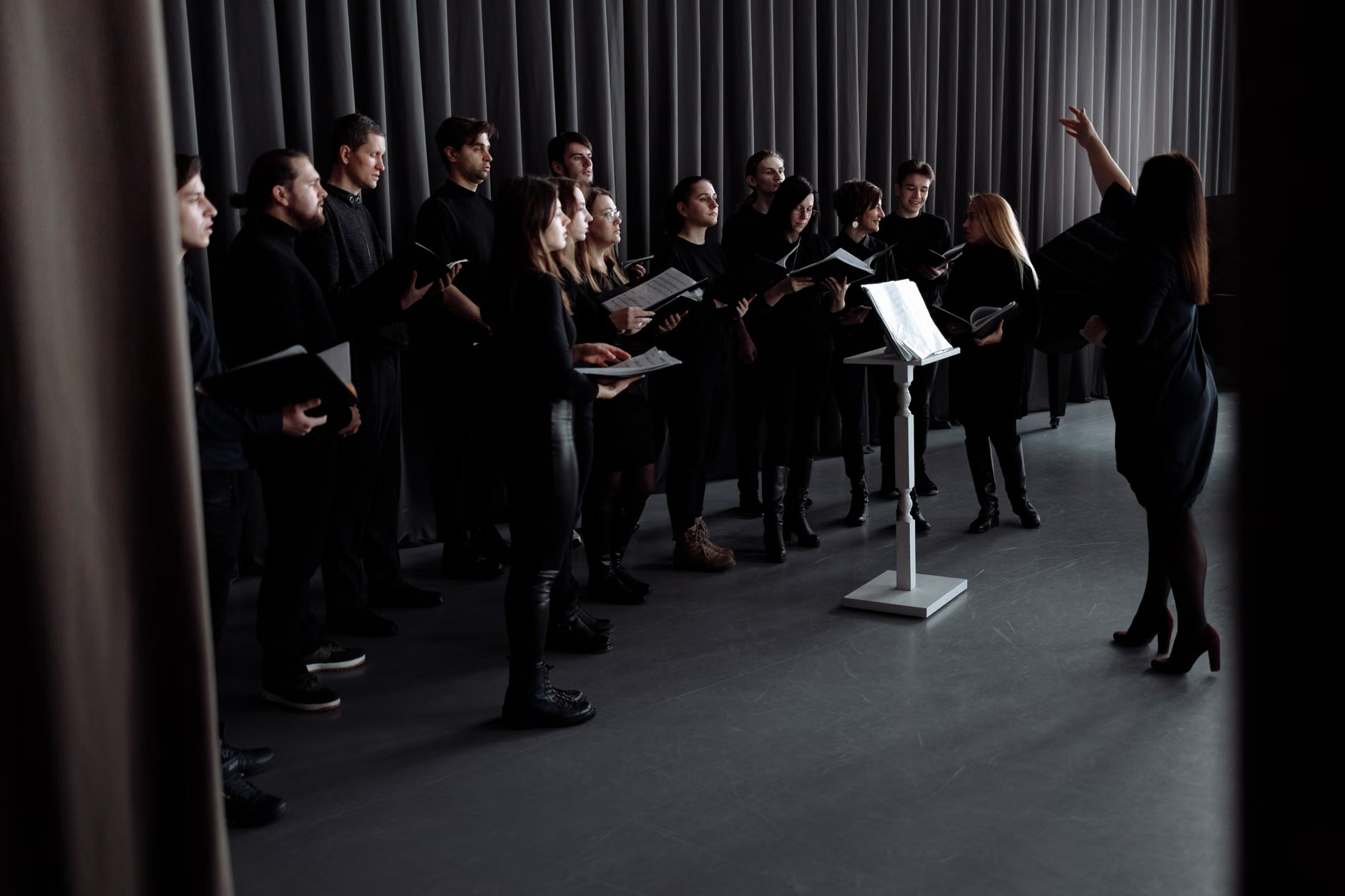
Practical Steps to Finding Your Group
Finding a choir is easier than you might think, but it requires knowing where to look. Do not rely solely on internet searches, as many local groups are managed by volunteers who may not update their websites frequently.
- Check Local Community Centers: Most municipal community centers host activity guides that include local performing arts groups.
- Public Libraries: Libraries often serve as hubs for local cultural notices. Check their physical notice boards for flyers.
- University Music Departments: Some universities offer “community outreach” choirs that welcome older adults, providing a higher level of instruction.
- Music Schools: Private music teachers often organize small ensemble groups that are more intimate than large choral societies.
The “Sit-In” Trial: What to Look For
Before committing to a full season, ask if you can attend one rehearsal as an observer or a trial participant. During this trial, observe the following three factors:
- Accessibility: Is the venue easy to enter? Are there stairs? Is there adequate seating with back support?
- Pace: Does the rehearsal move at a speed that allows you to feel comfortable, or does it feel rushed and stressful?
- Social Atmosphere: Do the members interact during breaks? Is the environment welcoming to newcomers?
Managing Physical Accessibility and Stamina
It is important to be realistic about the physical demands of choir participation. Rehearsals can last anywhere from 90 minutes to three hours. If you have mobility concerns or chronic conditions, you must advocate for your comfort.
Communicating Needs to the Director
Do not assume that the venue or the director knows your limitations. If you require a specific type of chair (e.g., one with armrests for support) or need to take breaks to manage fatigue, mention this to the choir director during your first visit. Most directors are happy to accommodate these needs, provided they are informed in advance.
Managing Vocal Stamina
If you have not sung for a long time, your vocal cords are like any other muscle—they need conditioning. Start slowly. Do not attempt to sing at full volume for the entire duration of the first few rehearsals. Listen to your body; if you feel strain or scratchiness in your throat, take a break. Hydration is also critical; keep a water bottle with you at all times during rehearsals to keep your vocal cords lubricated.

Important Considerations and Potential Pitfalls
While the benefits are significant, there are practical realities to keep in mind to ensure your hobby remains a source of joy rather than stress.
The “Performance Anxiety” Factor
Many community choirs end their terms with a public performance. For some, this is the highlight; for others, it is a source of anxiety. If you find the prospect of performing in front of an audience stressful, look for choirs that are purely “recreational” and do not have a mandatory performance schedule. There is no shame in choosing a group that focuses solely on the rehearsal experience.
Financial and Time Commitments
Some community choirs are free, while others charge membership fees to cover the costs of sheet music, venue rental, and the director’s salary. Always clarify the costs upfront. Additionally, be mindful of transportation. If rehearsals are in the evening, consider the safety and convenience of your commute. Does the venue have adequate lighting in the parking area? Is there public transport nearby?
When to Seek Professional Advice
If you have underlying respiratory conditions, such as COPD or asthma, consult with your healthcare provider before joining a choir. While singing is generally beneficial, it is important to ensure that your participation does not exacerbate your specific condition. Bring a list of your medications and any recent diagnostic reports to your doctor to discuss how the breathing techniques used in singing might interact with your health plan.
Conclusion: Taking the First Step
Joining a community choir is a proactive step toward maintaining a vibrant, connected, and healthy life. It requires nothing more than a willingness to try and a bit of research to find the group that fits your needs. By prioritizing your comfort, choosing the right level of commitment, and focusing on the joy of the collective sound, you can unlock a rewarding hobby that pays dividends for your physical and mental health for years to come.
Start today by calling one local community center or searching for “community choir” in your town. You might be surprised at how quickly the simple act of singing can transform your weekly routine.
Frequently Asked Questions (FAQ)
1. Do I need to be able to read music to join a community choir?
Not necessarily. Many community choirs are designed for people who learn by ear or with the help of recordings. When searching for a group, look for descriptions like “no audition” or “all levels welcome,” as these groups typically provide the necessary support for those who do not read sheet music.
2. What if I am worried about my voice not being “good enough”?
Community choirs are generally inclusive environments. The goal is the collective sound, not individual performance. If you are self-conscious, look for a “social” or “recreational” choir. These groups prioritize the social experience and the joy of singing together over professional-level vocal quality.
3. How do I know if a choir is physically accessible for me?
Before you attend, call the organizer and ask specific questions: Is the rehearsal space on the ground floor? Are there elevators? Is there adequate seating? Do not hesitate to ask for a tour of the facility before the rehearsal begins so you can see if it meets your needs.
For further information on the benefits of music and aging, you may refer to the National Institute on Aging (NIA), which provides resources on healthy lifestyle choices for older adults. Always verify local listings for specific choir schedules in your jurisdiction.