- Cognitive and Motor Synergy: Calligraphy acts as a “moving meditation,” requiring rhythmic coordination that strengthens fine motor control and sustained attention.
- Ergonomic Adaptation: Success in calligraphy for seniors relies on choosing tools that reduce hand fatigue, such as ergonomic pen holders and high-quality, bleed-resistant paper.
- Process Over Perfection: The primary value of this hobby is the meditative focus on the stroke itself, rather than the aesthetic quality of the final character.
The Intersection of Mindful Practice and Fine Motor Control
Calligraphy—the art of beautiful writing—is far more than a decorative hobby. For adults aged 60 to 80, it serves as a sophisticated exercise in neuroplasticity and motor control. Unlike rapid digital typing or casual note-taking, calligraphy demands a deliberate, rhythmic synchronization between the eyes, the brain, and the muscles of the hand and forearm.
When you engage in calligraphy, you are not simply forming letters; you are executing a series of precise movements that require constant adjustment of pressure, angle, and speed. This “mindful” approach means that the practitioner is fully present in the moment, observing the flow of ink and the resistance of the nib against the paper. Research suggests that activities requiring this level of sustained concentration can help maintain neural pathways associated with focus and dexterity.
However, it is vital to distinguish between calligraphy as a high-pressure performance art and calligraphy as a personal, mindful pursuit. As an older adult, your goal is to leverage the practice for its therapeutic and cognitive benefits. This guide outlines how to approach the craft, the equipment that supports your physical comfort, and the techniques to ensure your practice remains an enjoyable, sustainable part of your daily routine.
Selecting Tools That Support Joint Health and Comfort
A common mistake beginners make is purchasing inexpensive, mass-produced calligraphy sets that are poorly balanced or require excessive grip pressure. For seniors, joint comfort and tool ergonomics are the most critical factors in preventing fatigue and ensuring long-term enjoyment.
The Importance of the Pen Holder
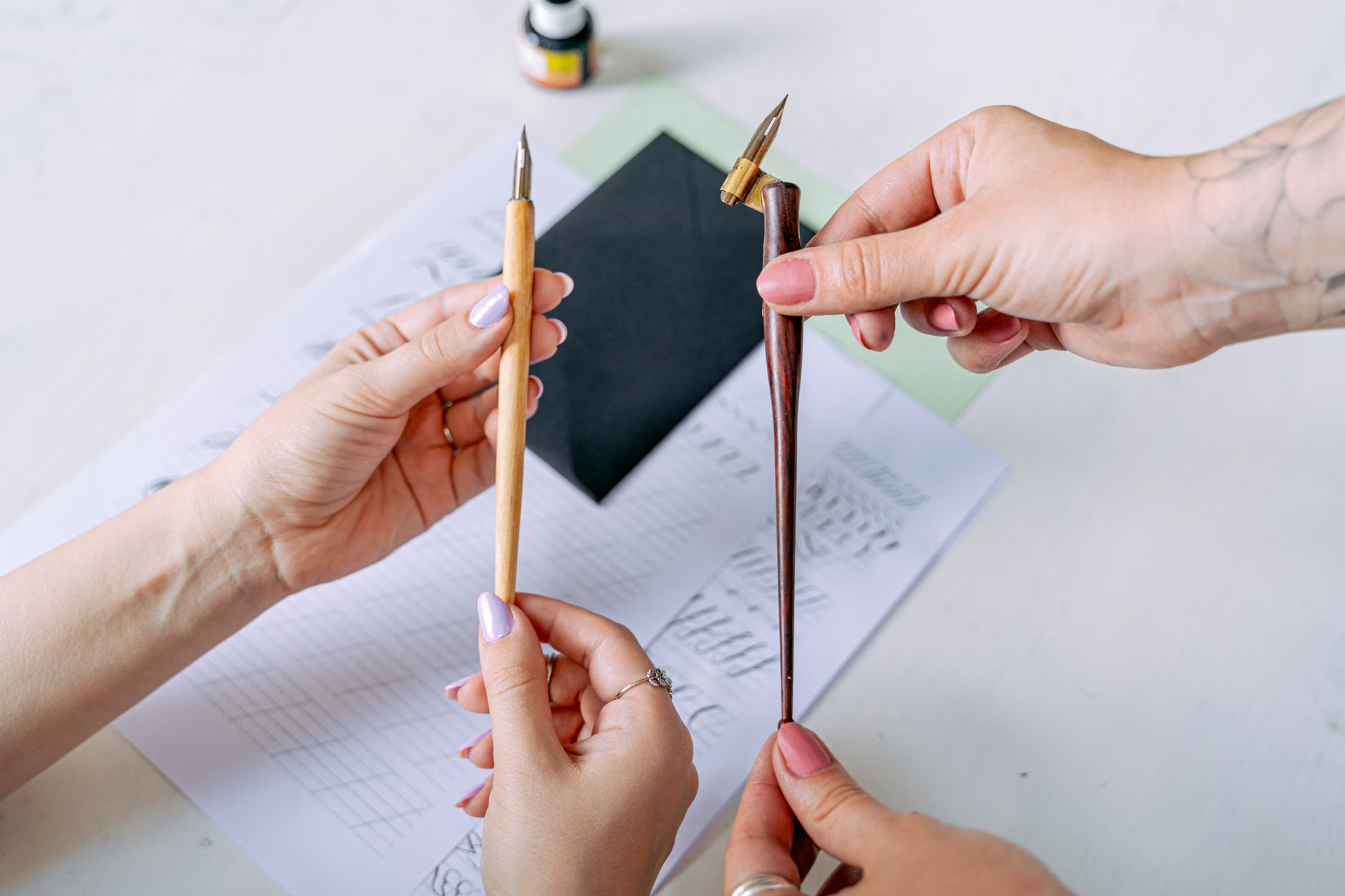
Standard fountain pens are often too thin, forcing the fingers into a tight pinch that can cause cramping. Look for “oversized” or “ergonomic” holders. Many professional calligraphers use holders made of wood or resin with a wider diameter, which allows the hand to remain relaxed. A wider grip means you do not have to squeeze the pen, which is essential if you experience minor arthritic stiffness.
Paper Quality and Ink Flow
The texture of your paper significantly impacts the physical effort required to move the pen. Rough, cheap paper creates friction, causing the nib to “catch” or skip. This forces you to press harder to maintain a consistent line. Instead, opt for high-quality, smooth-finish paper specifically designed for ink (often labeled as “bleed-proof” or “calligraphy practice paper”). Smooth paper allows the nib to glide effortlessly, reducing the strain on your wrist and forearm.
| Tool Category | Key Consideration | Recommendation for Seniors |
|---|---|---|
| Pen Holder | Grip Diameter | Choose thick, ergonomic holders (12mm+ diameter) to minimize pinch force. |
| Nibs | Flexibility | Start with “medium-flex” nibs; very flexible nibs require more control and can cause tremors to show. |
| Paper | Texture | Use smooth, high-gsm (grams per square meter) paper to prevent nib snagging. |
The table above suggests that the primary decision criterion should be reducing physical resistance. If you feel your hand tightening after ten minutes, evaluate whether your paper is too rough or your pen holder is too thin. Adjusting these two factors often resolves the issue immediately.
Establishing a Mindful Practice Routine
Mindful calligraphy is not about finishing a project; it is about the quality of the stroke. To integrate this into your life without it becoming a chore, follow a structured, low-stress approach.
1. Creating the Environment
Your physical posture is the foundation of your practice. Ensure your chair is at a height that allows your feet to rest flat on the floor. Your desk should be at a height where your forearms rest comfortably without your shoulders hunching. A hunched posture leads to tension that travels directly into the hand, which will negatively impact your letter formation.
2. The “Warm-Up” Phase
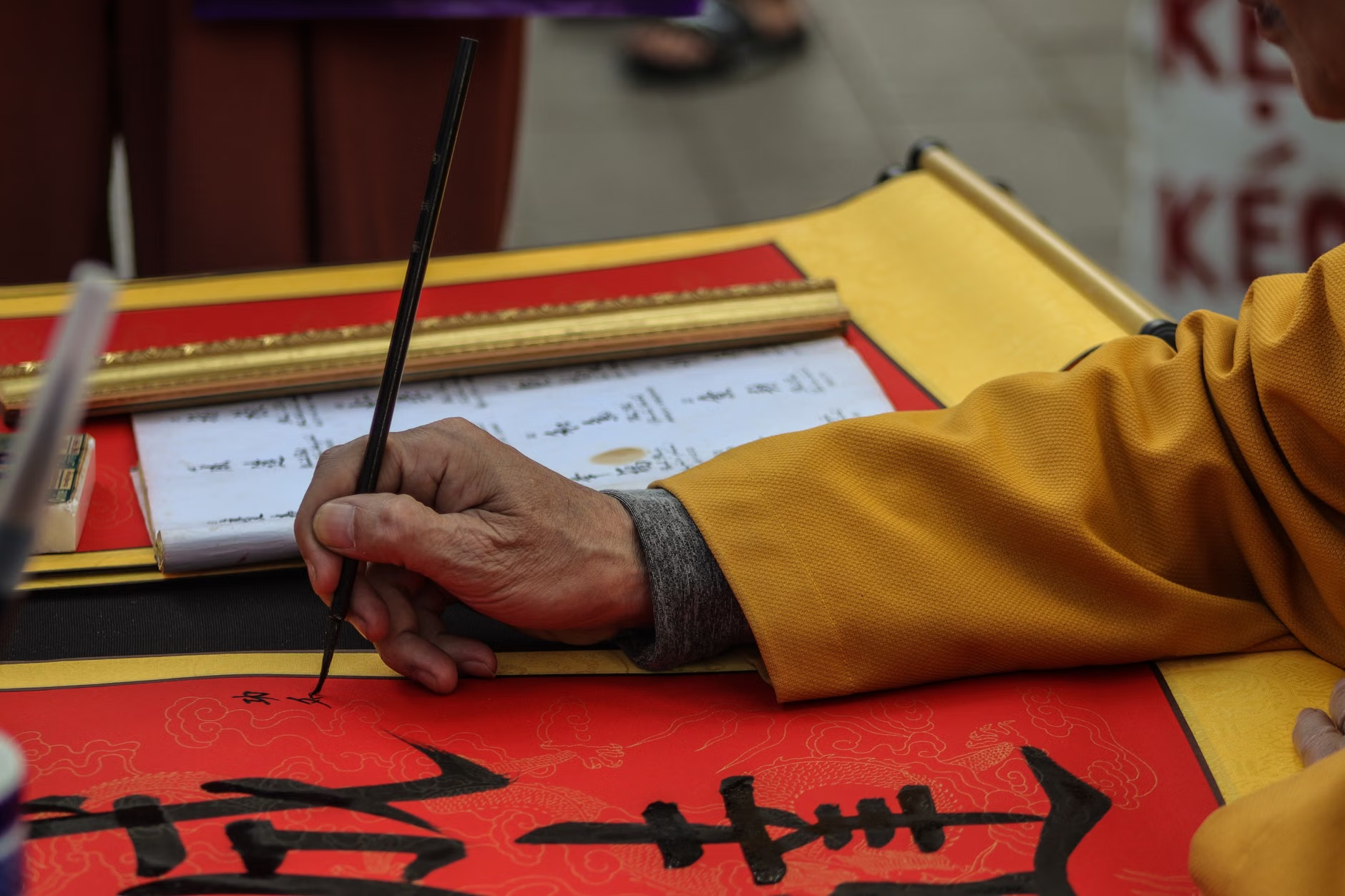
Never dive straight into complex lettering. Spend the first five minutes performing simple, repetitive strokes—vertical lines, ovals, and “u” shapes. These warm-ups serve two purposes: they loosen the muscles in your hand and help you establish the correct angle of the nib against the page. If you find your hand is shaky, slow your breathing. Rhythmic, deep breaths help stabilize the hand and ensure a smoother ink flow.
3. The Principle of Progressive Intensity
Start with 15-minute sessions. It is better to practice for 15 minutes three times a week than for two hours once a week. Frequent, short sessions allow your muscles to adapt to the required precision without the risk of repetitive strain injuries. As your comfort grows, you can naturally extend the duration of your sessions.
Addressing Common Challenges: Tremors and Vision
It is important to discuss the realities of aging. Many adults experience minor tremors or changes in vision that can make fine-line calligraphy challenging. These are not reasons to abandon the hobby; they are simply variables to adapt to.
Managing Hand Tremors
If you experience slight hand tremors, avoid the lightest, most flexible “copperplate” nibs, which are extremely sensitive to the slightest movement. Instead, choose “broad-edge” or “italic” nibs. These nibs are more forgiving and produce beautiful results with less sensitivity to minor variations in hand pressure. Additionally, resting your wrist firmly on the desk surface while moving your entire forearm creates a stable “anchor” that can significantly reduce the visibility of tremors.
Vision and Lighting
Calligraphy requires high contrast. Ensure you have a dedicated task lamp that provides cool, white light, which is easier on aging eyes than the warm, yellow tones often found in household lamps. If you wear bifocals, find the “sweet spot” of your lens by adjusting your distance from the paper. Do not feel compelled to lean over the page; keep your spine straight and adjust the paper or your glasses to suit your vision.
The Cognitive Benefits: A Deeper Look
Why does calligraphy stand out among other leisure activities? The answer lies in the combination of visual-spatial reasoning and tactile feedback. When you write, you are visualizing the letter in your mind’s eye, planning the stroke, and then executing it. This sequence engages the frontal lobe, the area of the brain responsible for executive function and planning.
Unlike reading a book, where you are a passive recipient of information, calligraphy forces you to be the architect of the information. You must decide on spacing, slant, and pressure. This active engagement is a powerful tool for maintaining cognitive sharpness. Furthermore, the act of “slowing down” to write intentionally acts as a counter-balance to the fast-paced, often overwhelming nature of modern digital communication.
Practical Steps for Your First Month
To ensure you build a sustainable habit, use this four-week framework:
- Week 1: Focus solely on “the hold.” Practice holding the pen without applying pressure. Spend your time making simple, straight lines on smooth paper.
- Week 2: Introduce basic shapes (circles and ovals). Pay attention to how your arm moves as one unit, rather than just moving your fingers.
- Week 3: Begin writing individual letters. Do not worry about connecting them. Focus on the consistency of the stroke height.
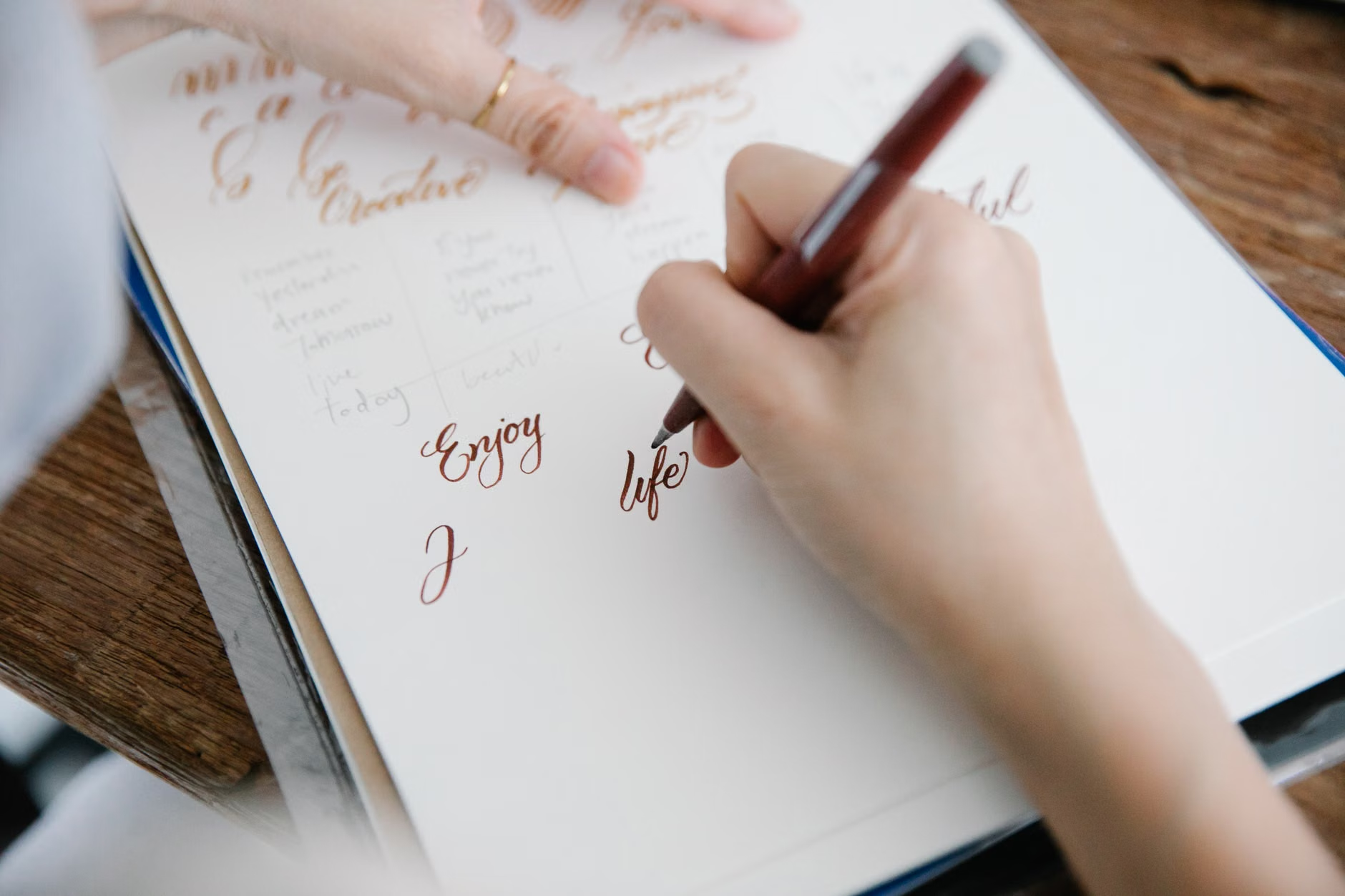
- Week 4: Practice writing short words. Keep your sessions to under 20 minutes and prioritize the feeling of the ink flowing onto the paper.
Warning: If you experience pain in your wrist, thumb, or elbow, stop immediately. Pain is a signal that you are likely gripping the pen too tightly or that your posture is strained. Review your setup and take a break for 24 hours. If pain persists even when not practicing, consult a doctor or a physical therapist to ensure you are not exacerbating an underlying condition like tendonitis or arthritis.
Integrating Calligraphy into Daily Life
The true joy of calligraphy comes when you apply it to real-world tasks. After you have gained confidence, try using your skills for:
- Writing personalized birthday or holiday cards for family.
- Labeling spice jars or storage containers in your kitchen.
- Creating “quote cards” with your favorite sayings to keep on your desk.
By moving from practice sheets to meaningful projects, you transform the hobby into a source of personal satisfaction and social connection. It is not about the aesthetic perfection of the script; it is about the care and attention you put into the act of creation.
Frequently Asked Questions
1. Is calligraphy too difficult for someone with arthritis?
Not necessarily. By using ergonomic pen holders with a wider diameter, you can significantly reduce the pressure required to hold the pen. Always prioritize comfort over technique; if a particular movement causes pain, modify it or skip it. The goal is enjoyment, not physical strain.
2. Do I need to buy expensive ink and parchment to start?
No. For the first few months, standard black fountain pen ink and high-quality, smooth printer paper (often labeled as “laser-jet” or “premium” paper) are perfectly adequate. Expensive specialty papers can actually be frustrating for beginners because they react differently to ink. Master the basics on affordable, consistent materials first.
3. How do I know if my posture is correct?
A simple check: if you find yourself holding your breath or tensing your shoulders while writing, your posture is likely misaligned. Relax your shoulders, ensure your feet are flat on the floor, and keep your back straight. If you feel tension, stop, stand up, stretch your arms, and reset your position. Your body should feel relaxed, not rigid, while you write.
Further Reading and Official Resources:
For those interested in the science of fine motor skills and aging, you may find the following resources helpful for understanding how to maintain dexterity:
- National Institute on Aging: Staying Active and Healthy – Provides general guidance on maintaining physical function.
- Arthritis Foundation: Joint Protection Tips – Offers practical advice on protecting hands and wrists during daily activities.
By approaching calligraphy with patience, the right tools, and a focus on the process rather than the outcome, you can enjoy a hobby that is both mentally stimulating and physically grounding. Remember, the journey of improvement is a marathon, not a sprint—enjoy every stroke.