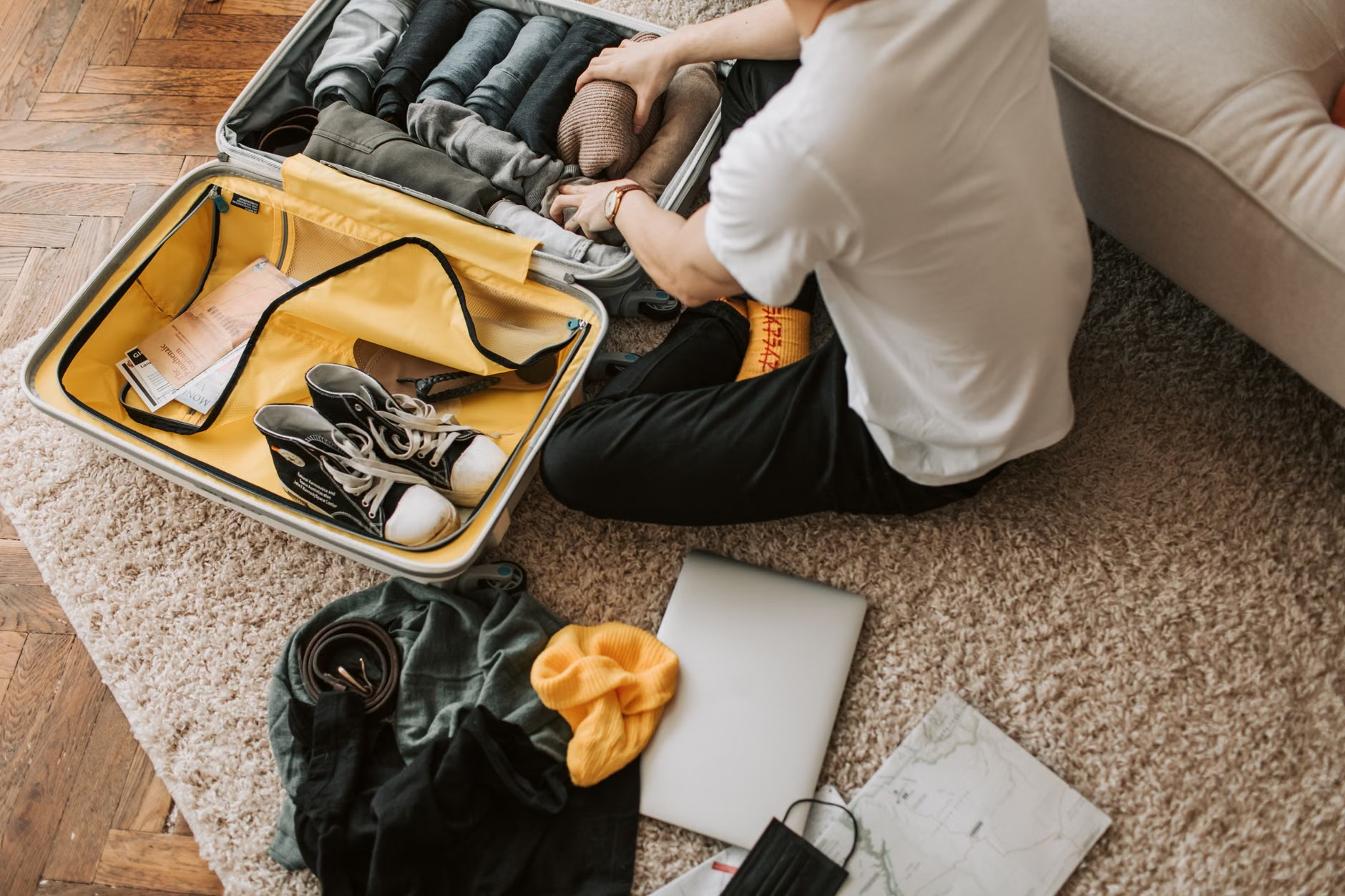
- Layering is your primary climate control: Instead of heavy coats, pack thin, breathable layers that can be adjusted as temperatures shift throughout the day.
- Footwear is a safety priority: Historic districts feature uneven cobblestones and steep inclines; prioritize shoes with high-traction outsoles and firm ankle support to prevent falls.
- Strategic mobility support: Incorporate lightweight, collapsible mobility aids, such as a trekking pole or a foldable seat-cane, to manage stamina during long days of exploration.
Traveling to historic districts—those charming, centuries-old urban cores—offers a profound cultural experience. However, these areas are often characterized by unpredictable microclimates, uneven terrain, and limited accessibility. For older adults, the challenge is not just packing enough, but packing right to ensure comfort, thermal regulation, and safety. This guide provides a comprehensive strategy for preparing for variable weather while navigating the unique demands of historic architecture.
The Science of Layering for Variable Climates
In historic centers, you may find yourself walking from a sun-drenched, wind-sheltered plaza into a narrow, shaded alleyway where the temperature drops significantly. The traditional approach of “one heavy coat” is often ineffective here. Instead, adopt a modular layering system that allows you to respond to temperature shifts in seconds.
The Three-Layer Protocol
Effective layering is based on three specific functions:
- The Base Layer (Moisture Management): Choose materials like merino wool or synthetic blends that wick sweat away from the skin. Avoid cotton, which retains moisture and can lead to rapid cooling if you stop moving.
- The Mid-Layer (Insulation): This layer traps body heat. A lightweight fleece or a packable down vest is ideal. These items are easy to compress into a small portion of your daypack.
- The Outer Shell (Environmental Protection): Your shell must be windproof and water-resistant. In historic districts, where you might be ducking into shops or museums, a breathable shell is superior to a heavy parka.
Practical Decision Rule: If you are traveling in spring or autumn, assume a 10-degree Celsius (18-degree Fahrenheit) swing between morning and afternoon. Always carry your mid-layer in your daypack, even if it feels warm when you leave the hotel.
Historic districts are notorious for “heritage paving”—uneven cobblestones, slick granite slabs, and steep, narrow staircases. These surfaces are the primary cause of travel-related fatigue and trips among older adults. Your choice of footwear is the most significant factor in your mobility success.
Essential Footwear Criteria
| Feature | Why it Matters | What to Look For |
|---|---|---|
| Outsole Traction | Prevents slips on wet stone. | Deep-lugged rubber soles. |
| Ankle Support | Prevents sprains on uneven ground. | Mid-cut boots or structured walking shoes. |
| Midsole Cushioning | Reduces joint impact on hard surfaces. | EVA foam or specialized orthotic insoles. |
Common Mistake: Many travelers prioritize “fashionable” walking shoes that lack lateral stability. In a historic district, aesthetics should be secondary to the structural integrity of the shoe. If you have a history of foot pain or plantar fasciitis, consult with a podiatrist before your trip to ensure your footwear accommodates your specific needs, perhaps by adding custom orthotics.
Managing Stamina and Mobility in Dense Environments
Historic districts are often pedestrian-only zones, meaning you will be on your feet significantly longer than in modern cities. Managing your “energy budget” is essential to enjoying the trip without becoming physically depleted.
The “Three-Stop” Rule
Limit yourself to three major activities or sights per day, with planned, stationary recovery periods in between. Look for “passive rest” opportunities: museums with ample seating, cathedrals where you can sit and observe, or cafes with outdoor terrace seating that allow you to watch the world go by.
Mobility Aids: Beyond the Cane
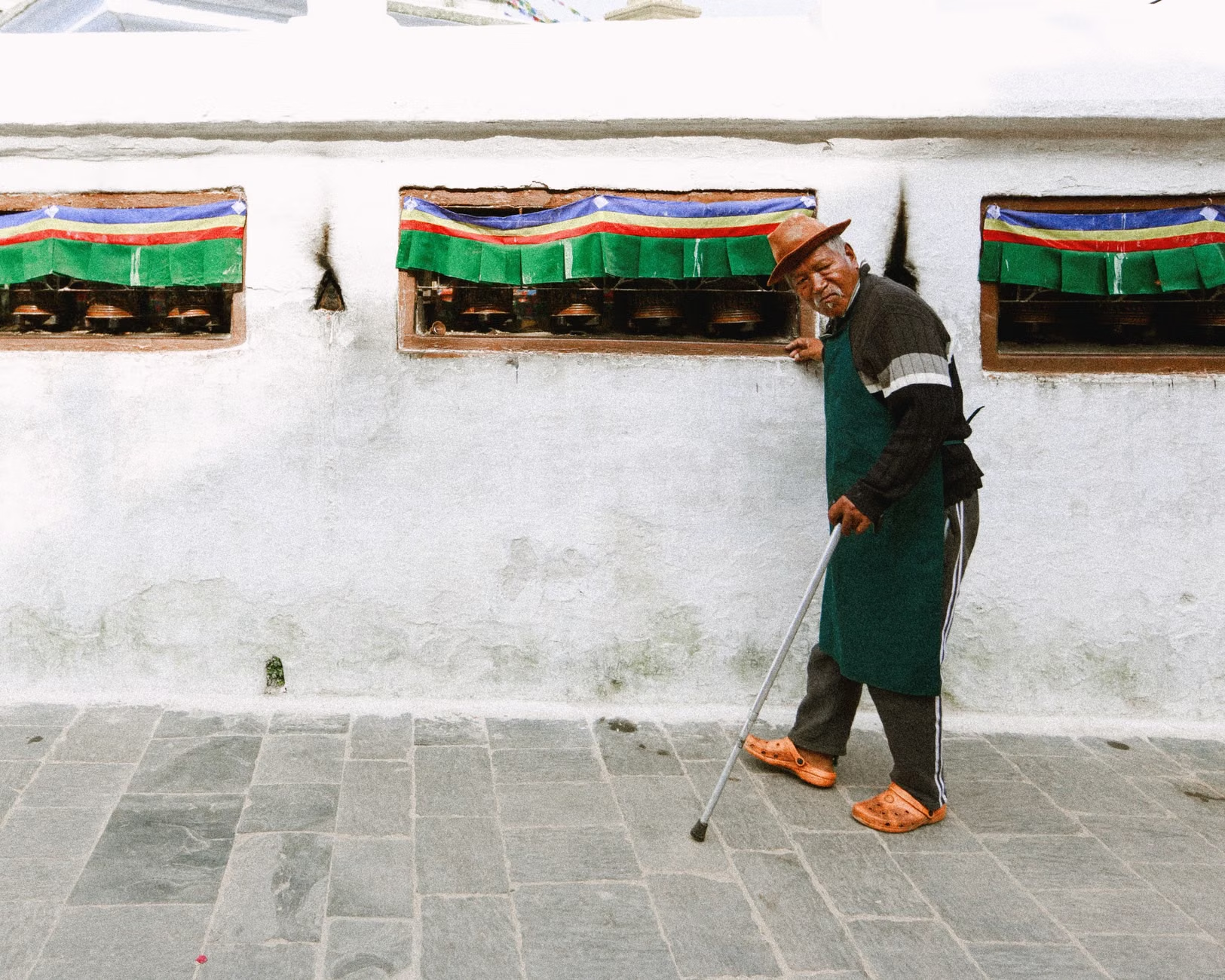
If you find that your stamina varies, consider a collapsible trekking pole. Unlike a traditional cane, a trekking pole distributes weight more evenly across your upper body, which is vital when navigating the inclines typical of many European or Mediterranean old towns. A “seat-cane”—a cane that unfolds into a small stool—is another excellent investment for districts where public seating is scarce.
Climate-Specific Packing Checklist
Beyond clothing and footwear, your daypack should be a “survival kit” for the specific challenges of historic urban environments.
- Compact Personal Lighting: Many historic districts have poor street lighting after dark. A small, high-lumen LED flashlight helps you navigate uneven steps back to your accommodation.
- Hydration and Nutrition: Historic districts often have “hidden” shops. Carry a collapsible water bottle and high-protein snacks to maintain blood sugar levels and prevent fatigue-induced dizziness.
- Digital and Analog Navigation: Historic centers are often “GPS-blind” due to narrow streets and high stone walls. Always carry a physical map as a backup to your smartphone.
Traveling while managing health conditions requires meticulous preparation. When visiting older, historic cities, access to medical facilities can be more complicated due to narrow, vehicle-restricted streets.
Before You Depart
Ensure you have a “travel health dossier.” This should include:
- A list of all current medications, including dosages and generic names (as brand names vary globally).
- Contact information for your primary care physician and a local embassy or consulate.
- A copy of your travel insurance policy, specifically the page detailing “Emergency Medical Evacuation” and “Repatriation.”
Warning Signs: If you experience persistent lightheadedness, extreme shortness of breath beyond what is expected with exertion, or sudden joint pain, do not “push through.” These can be indicators that your activity level is exceeding your current physical capacity. Locate the nearest pharmacy—often identifiable by a green cross in many European countries—to seek advice or directions to the nearest clinic.

Unexpected Variables: The “Hidden” Inconveniences
There are variables that even the most seasoned traveler might overlook. For instance, the “acoustic environment” of historic districts. Narrow stone streets echo, and if you have hearing sensitivities, the noise levels in busy tourist centers can be overwhelming. Consider bringing high-fidelity earplugs that reduce decibel levels without blocking out environmental sounds entirely.
Additionally, consider the “toilet gap.” In many historic city centers, public restrooms are scarce, often located down steep stairs, or require specific coins. Map out the locations of major hotels or high-end department stores in your destination; these are reliable, clean, and usually more accessible than public facilities.
Conclusion: Pacing for Longevity
The beauty of a historic district is not in how much you see, but in the depth of your experience. By mastering your packing strategy—prioritizing modular layers, structural footwear, and intentional mobility—you remove the physical barriers that often limit travel. Remember that the most successful trips are those where you return home feeling invigorated rather than exhausted. Prioritize your comfort, respect your personal limits, and allow the rhythm of the city to dictate your pace rather than an aggressive itinerary.
Frequently Asked Questions (FAQ)
- What is the best way to handle cobblestones if I have balance issues?
Focus on “active foot placement.” Use a trekking pole to create a third point of contact, and always look at the ground 1-2 meters ahead of you rather than down at your feet. This helps you anticipate uneven patches before you step on them. - How do I prepare for sudden rain in a city without many awnings?
A lightweight, breathable, and fully waterproof poncho that fits over your daypack is more effective than an umbrella. Umbrellas are difficult to manage in windy alleys and can be a nuisance in crowded pedestrian areas. - What should I include in my emergency travel kit?
Your kit should include: a list of medications, contact details for your doctor, blister prevention pads (moleskin), a small digital thermometer, and a list of any allergies. Keep this in a waterproof pouch inside your daypack at all times.
For further information on accessible travel, please consult resources like the World Health Organization’s guidelines on healthy aging or local tourism board accessibility maps for the specific city you are visiting.