- Seated torso-twists specifically target the thoracic spine, which is crucial for maintaining the ability to look over your shoulder while driving or navigating environments.
- Safety is paramount: move only within a pain-free range of motion and keep your spine elongated rather than slumped during the rotation.
- Consistent, low-intensity daily movement is more effective for long-term spinal health than sporadic, high-intensity stretching sessions.
Spinal mobility is a cornerstone of functional independence for adults aged 60 to 80. As we age, the discs between our vertebrae can lose some of their natural hydration, leading to a sensation of stiffness, particularly in the mid-back (the thoracic spine). The seated torso-twist is a low-impact, accessible exercise that helps maintain rotational range of motion, which is essential for everyday tasks such as checking blind spots while driving, reaching for objects on a shelf, or simply turning to converse with someone sitting next to you.
Understanding the Mechanics of Spinal Rotation
The human spine is divided into three main sections: the cervical (neck), thoracic (mid-back), and lumbar (lower back). While the lumbar spine provides stability, the thoracic spine is designed for rotation. Over time, sedentary habits or postural fatigue can cause the thoracic spine to become rigid. This stiffness often forces the lower back or neck to compensate, which may lead to discomfort.
A seated torso-twist works by gently mobilizing the vertebrae in the thoracic region. Because you are seated, your pelvis is stabilized, which effectively isolates the movement to the upper back rather than the lower back. This targeted approach is generally safer than standing twists for individuals with balance concerns or lower-back sensitivity.
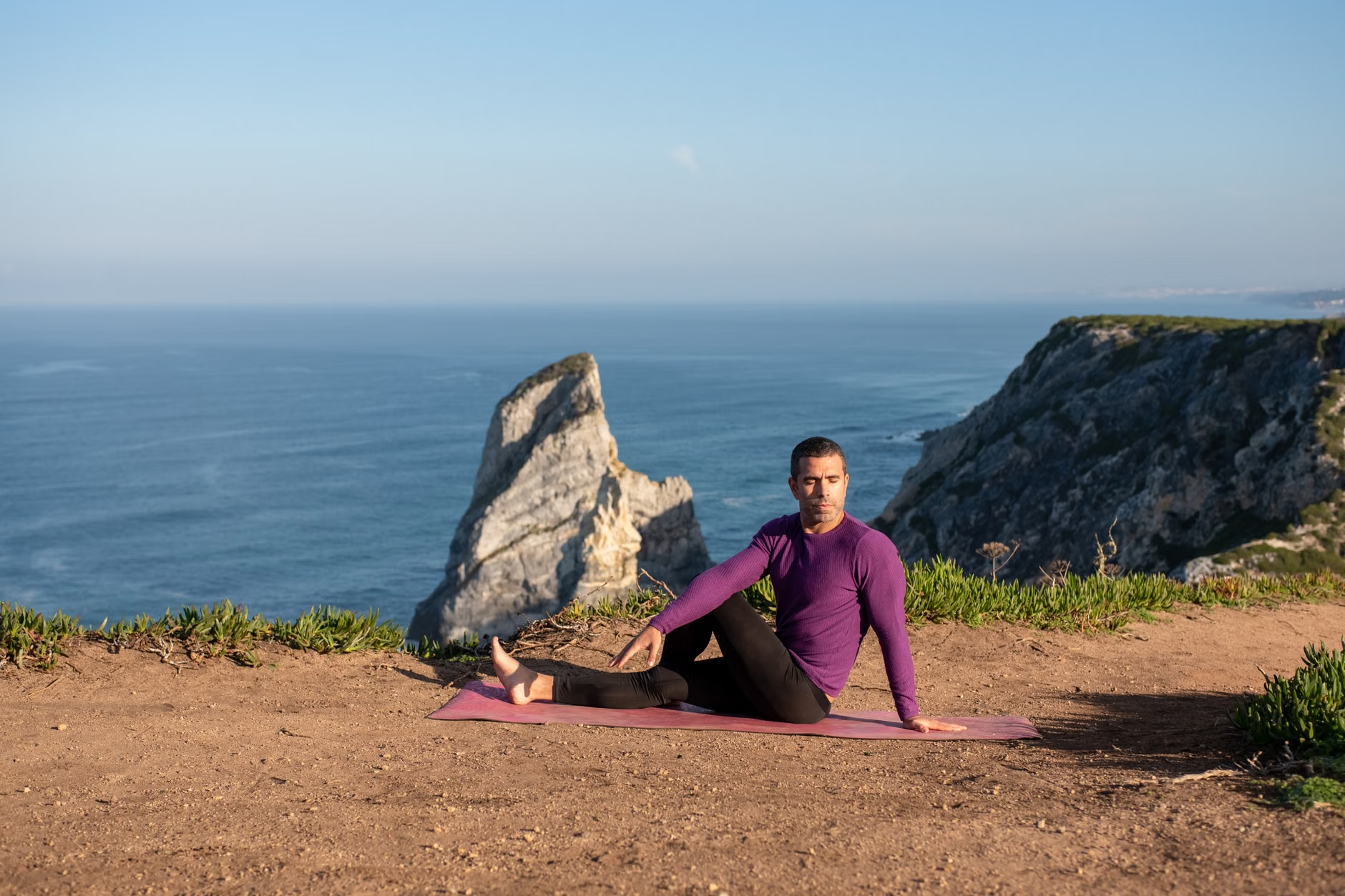
Step-by-Step Guide to the Seated Torso-Twist
To perform this movement safely and effectively, follow these steps. Remember that the goal is not to achieve the maximum possible twist, but to move smoothly through a comfortable range.
- Positioning: Sit upright in a sturdy chair without wheels. Ensure your feet are flat on the floor, shoulder-width apart. If your chair has arms, ensure you have enough space to move your torso.
- Alignment: Imagine a string pulling the crown of your head toward the ceiling. Keep your shoulders relaxed and down—avoid hunching them toward your ears.
- The Movement: Place your left hand on the outside of your right knee. Place your right hand on the back of the chair or the seat edge.
- Execution: Inhale to lengthen your spine. As you exhale, gently rotate your torso to the right. Move only as far as feels comfortable. Look over your right shoulder if it does not cause neck strain.
- Hold and Release: Hold the position for 3 to 5 seconds while breathing normally. Slowly return to the center. Repeat on the other side.
Common Mistake: Many people try to force the rotation by pulling hard with their arms. Instead, use your core muscles to initiate the turn and your hands only as a gentle guide.
Safety Considerations and When to Consult a Professional
While the seated torso-twist is generally considered a low-risk exercise, it is important to understand your body’s limits. If you have been diagnosed with conditions such as osteoporosis, severe spinal stenosis, or recent disc issues, you must consult your healthcare provider or a physical therapist before beginning any new rotational exercise program.
| Symptom | Action Required |
|---|---|
| Sharp, shooting pain during movement | Stop immediately and consult a professional. |
| Mild muscle tension or stiffness | Continue with a smaller range of motion; focus on breathing. |
| Dizziness or lightheadedness | Stop, sit quietly, and ensure you are hydrated. |
It is important to note that if you experience persistent pain that radiates down the legs or arms, this may indicate nerve involvement, which requires a clinical evaluation. Do not attempt to “stretch through” sharp or radiating pain.

Integrating Mobility into Daily Life
The most effective way to maintain spinal health is to integrate movement into your existing daily routine. Instead of viewing exercise as a separate, time-consuming block, consider it a “movement snack.” For example, perform three repetitions of the seated twist while waiting for the kettle to boil or during commercial breaks while watching television.
Insight: Many older adults suffer from “postural creep,” where the spine gradually rounds forward during long periods of sitting. Incorporating a rotation after 30 minutes of sitting acts as a “reset button” for your posture, encouraging the muscles that support your upright position to engage again.
Environmental Factors for Success
Your environment plays a significant role in your ability to perform these movements. A chair with a firm, flat seat is superior to a soft sofa or a deep armchair, as it provides the necessary pelvic stability. If you are traveling, look for chairs in hotel lobbies or waiting areas that provide firm back support, and avoid soft, low-slung furniture that forces your spine into a slumped position.
The Importance of Consistent Pacing
Avoid the “weekend warrior” syndrome, where you perform a high volume of stretches once a week. Spinal tissues respond best to frequent, low-intensity loading. Aim for consistency over intensity. If you find that performing the exercise once a day is difficult to remember, link it to a habit you already have, such as finishing your morning coffee or putting on your shoes.
Addressing Common Misconceptions
There is a common belief that “if it doesn’t hurt, it isn’t working.” This is false, especially regarding spinal mobility. The goal is to maintain the glide and slide of your vertebrae and the elasticity of the surrounding connective tissues. Pushing into pain can cause muscle guarding, where the body tightens up to protect itself, which is the exact opposite of the desired effect.
Another misconception is that you need specialized equipment. You do not. The seated torso-twist requires only a chair. Even in restrictive environments like an airplane seat, you can perform a modified, subtle version of this twist to prevent stiffness during long-haul travel.
Long-term Spinal Health Strategies
Beyond isolated exercises, consider your overall movement patterns. The spine benefits from variety. Walking, swimming, and gentle yoga are excellent complements to seated mobility work. If you are interested in a more comprehensive routine, consider seeking out a physical therapist who specializes in geriatric health. They can provide a personalized assessment to identify specific areas of your spine that may need more attention than others.
When searching for professional help, look for certifications such as “Geriatric Certified Specialist” (in the US) or equivalent professional credentials in your country. These professionals are trained to understand the physiological changes associated with aging and can tailor exercises to your specific health history.
Practical Tips for Travel and Mobility
When traveling, maintaining mobility is often challenged by long periods of inactivity. Whether you are on a train, plane, or in a car, remember to get up and move every hour if possible. If you are stuck in a seat, the seated torso-twist is your best tool. Simply rotating the upper body can help circulate blood flow and reduce the feeling of “being locked up” that often accompanies long journeys.
Always prioritize comfort during travel. If you are staying in a rental property or hotel, check the furniture before you settle in. If the only available seating is very low or lacks back support, use a small pillow or a rolled-up sweater behind your mid-back to encourage a more neutral, upright position. This small adjustment can prevent significant spinal fatigue over the course of a trip.
Conclusion
Maintaining spinal rotation is not about achieving extreme flexibility; it is about preserving the functional movements that allow you to engage with the world comfortably. By incorporating simple, seated torso-twists into your daily routine, you are taking a proactive step toward maintaining your independence and comfort. Remember to focus on controlled movement, listen to your body’s signals, and prioritize consistency over intensity. Your spine serves as the central pillar of your body—caring for it through gentle, regular movement is an investment in your long-term well-being.
Frequently Asked Questions
- How many times a day should I perform these twists?
There is no strict rule, but 3 to 5 repetitions per side, performed 2 to 3 times throughout the day, is a safe and effective starting point for most people. - Can I do this exercise if I have had back surgery?
You must consult your surgeon or a physical therapist before performing any spinal exercises after surgery. They will provide specific guidance based on your recovery timeline and the nature of your procedure. - Is it better to twist quickly or slowly?
Always move slowly and with control. Fast, jerky movements can strain the small muscles around the spine. A slow, deliberate movement allows you to monitor your range of motion and stop if you feel any discomfort.
Disclaimer: This article is for informational purposes only and does not constitute medical advice. Always consult with a qualified healthcare professional before beginning any new exercise program, especially if you have pre-existing health conditions.
Sources and Further Reading:
National Institute on Aging: Exercise and Physical Activity
World Health Organization: Physical Activity Guidelines