- Fine motor skills rely on the flexibility of the wrist and forearm; seated wrist flexes are a low-impact way to maintain this range of motion.
- Consistency is more important than intensity; performing gentle movements daily prevents stiffness and supports independent living.
- If you experience sharp pain, numbness, or tingling that persists, these are signals to pause exercise and consult a physical therapist or healthcare provider.
The Importance of Fine Motor Health for Daily Independence
Fine motor skills—the coordination of small muscle movements in the hands and fingers—are essential for the tasks that define our daily independence. From buttoning a shirt and preparing a meal to using a smartphone or writing a letter, these movements require a delicate balance of strength, flexibility, and coordination. As we reach the age of 60 and beyond, the tissues surrounding our joints, including the tendons and ligaments in the wrists, may naturally become less elastic. This can lead to stiffness that makes everyday tasks feel more demanding than they once did.
Preventive health is about maintaining the capacity to perform these tasks without discomfort. Seated wrist-flexes are a cornerstone of this approach. By focusing on the wrist, we facilitate better blood flow and maintain the synovial fluid (the natural lubricant) within the joint. This guide outlines how to integrate these simple, seated movements into your daily routine to preserve dexterity and comfort.
Understanding the Mechanics of Wrist Flexibility
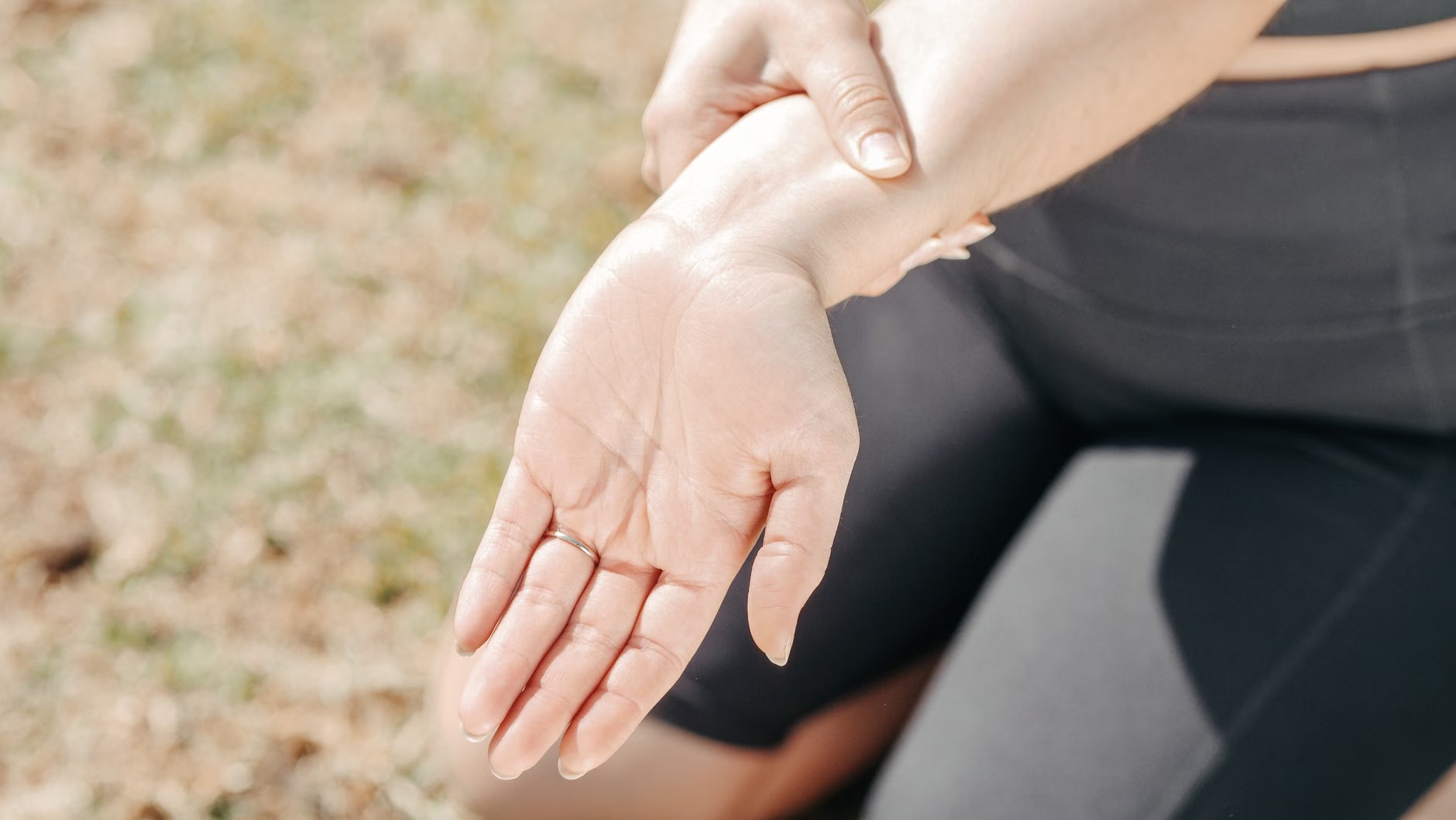
The wrist is a complex joint composed of eight small carpal bones, connected to the forearm muscles by an intricate network of tendons. When we engage in repetitive tasks—or conversely, when we remain sedentary for long periods—these tissues can tighten. This tightening doesn’t just affect the wrist; it ripples down to the fingers, potentially impacting your grip strength and precision.
Why Seated Exercises Are Ideal
For adults between 60 and 80, the primary goal of exercise is sustainability. Seated exercises offer several advantages:
- Stability: Being seated removes the need to balance, allowing you to focus entirely on the movement of the wrists and forearms.
- Accessibility: These movements can be performed anywhere—at a dining table, in a comfortable armchair, or even while waiting in a public space.
- Reduced Fatigue: By removing the demand on the core and legs, you can perform these micro-movements more frequently throughout the day without tiring.
The objective is not to build massive strength, but to maintain the range of motion. Think of your wrist like a hinge on a door; if the hinge is never moved, it eventually gathers rust and becomes difficult to operate. Regular, controlled movement ensures the hinge stays smooth.
A Practical Routine: Step-by-Step Wrist Flexes
Before beginning, ensure you are sitting in a chair that allows your feet to rest flat on the floor. Maintain an upright posture, which helps keep your shoulders relaxed. Tension in the shoulders often translates to tension in the forearms and wrists.
| Exercise | How to Perform | Frequency |
|---|---|---|
| Wrist Flexion | Extend your arm forward, palm facing up. Use your other hand to gently pull your fingers back toward your body. | Hold 15 seconds, repeat 3 times. |
| Wrist Extension | Extend your arm forward, palm facing down. Use your other hand to gently push the back of your hand toward your body. | Hold 15 seconds, repeat 3 times. |
| Wrist Circles | Make a loose fist and rotate your wrist slowly in a circular motion, 5 times clockwise, then 5 times counter-clockwise. | Perform 2 sets per wrist. |
Important: If you feel a sharp or stabbing pain, stop immediately. A mild “stretching” sensation is normal, but pain is your body’s signal that you have exceeded the current capacity of the tissue.

Integrating Dexterity Support into Your Day
Consistency often fails when exercises are viewed as a “chore.” Instead, try linking these movements to existing habits. For example, perform your wrist circles while waiting for the kettle to boil or during the commercials of your favorite television program. By “habit stacking,” you remove the mental barrier of having to remember to exercise.
The Role of Equipment
While you do not need expensive equipment, a simple soft stress ball or a putty-based hand trainer can provide added resistance. However, for those with arthritis or other joint conditions, it is crucial to start with no resistance. Only introduce tools once you can perform the basic range-of-motion exercises without discomfort for at least two weeks.
Recognizing When to Consult a Professional
While these exercises are excellent for maintenance, they are not a substitute for medical intervention if you are experiencing symptoms that limit your life. You should consult a physician or a physical therapist if you notice:
- Persistent Numbness or Tingling: This may indicate nerve compression, such as Carpal Tunnel Syndrome, which requires a professional diagnosis.
- Visible Swelling or Heat: If your wrist joints are red, swollen, or hot to the touch, this may indicate inflammation that requires rest rather than exercise.
- Sudden Loss of Grip Strength: If you find yourself frequently dropping items that you previously handled with ease, this warrants a neurological or musculoskeletal assessment.
When preparing for a medical appointment regarding hand or wrist health, bring a list of your daily activities. Note exactly when the pain occurs—is it after writing? After using a computer? After gardening? This information helps the professional differentiate between overuse, arthritis, or other conditions.
Advanced Considerations: Nutrition and Environment
Beyond exercises, your environment plays a significant role in wrist health. Ergonomics is not just for office workers. Consider the height of your tables and chairs. If you are hunched over a table to perform a task, your wrists are likely taking on unnecessary strain. Use cushions to raise your seating position or a footstool to ensure your arms are at a comfortable, neutral angle.
Nutrition also plays a supportive role. While no specific food “cures” joint issues, staying hydrated is vital for the health of your cartilage and connective tissues. Dehydration can lead to increased muscle cramping and reduced elasticity in tendons. Ensure you are maintaining a balanced intake of nutrients, particularly those that support bone and tissue health, such as Vitamin D and Calcium, as recommended by your primary care provider.
Conclusion: The Path to Long-Term Dexterity
Maintaining fine motor skills is a proactive, life-long process. By incorporating these seated wrist flexes into your daily routine, you are investing in your future independence. Remember that the goal is not to achieve perfection, but to maintain the freedom of movement that allows you to engage with the world on your own terms. Start slow, listen to your body, and treat these small movements as a vital part of your overall health strategy.
For more information on joint health and aging, you can consult authoritative resources such as the National Institute of Arthritis and Musculoskeletal and Skin Diseases, which offers extensive, evidence-based guidance on maintaining musculoskeletal health throughout the lifespan.
Frequently Asked Questions
- Can I do these exercises if I have arthritis?
Generally, yes, but you must be careful. Light, low-impact movement is often encouraged for arthritis, but you should avoid forcing the joint. Consult your rheumatologist or a physical therapist to ensure these movements are safe for your specific condition. - How long will it take to see results?
Consistency is key. Most people notice a reduction in “morning stiffness” within two to three weeks of performing these exercises daily. Improvement in overall dexterity is a gradual process that continues as long as the habit is maintained. - What if I feel a “clicking” sound in my wrist?
Clicking or popping (crepitus) is common as we age. If it is painless, it is usually not a cause for concern. However, if the clicking is accompanied by pain or locking of the joint, it is advisable to have a professional evaluate the wrist to ensure there is no tendon or ligament instability.