- Prioritize “Micro-Resting”: Use lightweight, portable stools or identify seating areas in advance to maintain stamina throughout the day.
- Strategic Packing: Use compression cubes to keep your day bag light, and prioritize ergonomic footwear to prevent fatigue during long gallery walks.
- Digital Accessibility: Download museum maps and audio guides beforehand to reduce cognitive load and bypass long lines or crowded information desks.
Museum-heavy city breaks offer an unparalleled cultural experience, but they present unique physical and logistical challenges. For the seasoned traveler, the goal is to balance intellectual engagement with physical comfort. This guide outlines how to prepare your luggage, manage your energy, and navigate large institutions without compromising your well-being.
The Physiology of the Museum Break: Why Preparation Matters
Museum fatigue is a real phenomenon, often exacerbated by “gallery walking”—a slow, stop-and-go pace that is paradoxically more taxing on the joints than a brisk walk. When you visit a city like London, Paris, or New York, you are often dealing with massive, sprawling institutions. The combined impact of hard marble floors, high-humidity climate control, and long corridors can lead to lower-back strain, foot swelling, and cognitive burnout.
Understanding your limits is the first step in planning. If you typically walk 5,000 steps comfortably, a day in a museum can easily double that, with the added strain of standing still for long periods. By shifting your focus from “seeing everything” to “curating your experience,” you can maintain high energy levels for the duration of your trip.
The “Two-Hour Rule” for Cognitive and Physical Preservation
Most museum experts and geriatric travel consultants recommend the “Two-Hour Rule.” This involves scheduling no more than two hours of high-intensity viewing before taking a mandatory 30-minute break. This break should ideally be spent sitting down—not in the museum cafeteria, which is often noisy and crowded, but in a quiet gallery or an outdoor courtyard. This ensures your cortisol levels remain stable and your focus stays sharp.
Strategic Packing: The Senior Traveler’s Toolkit
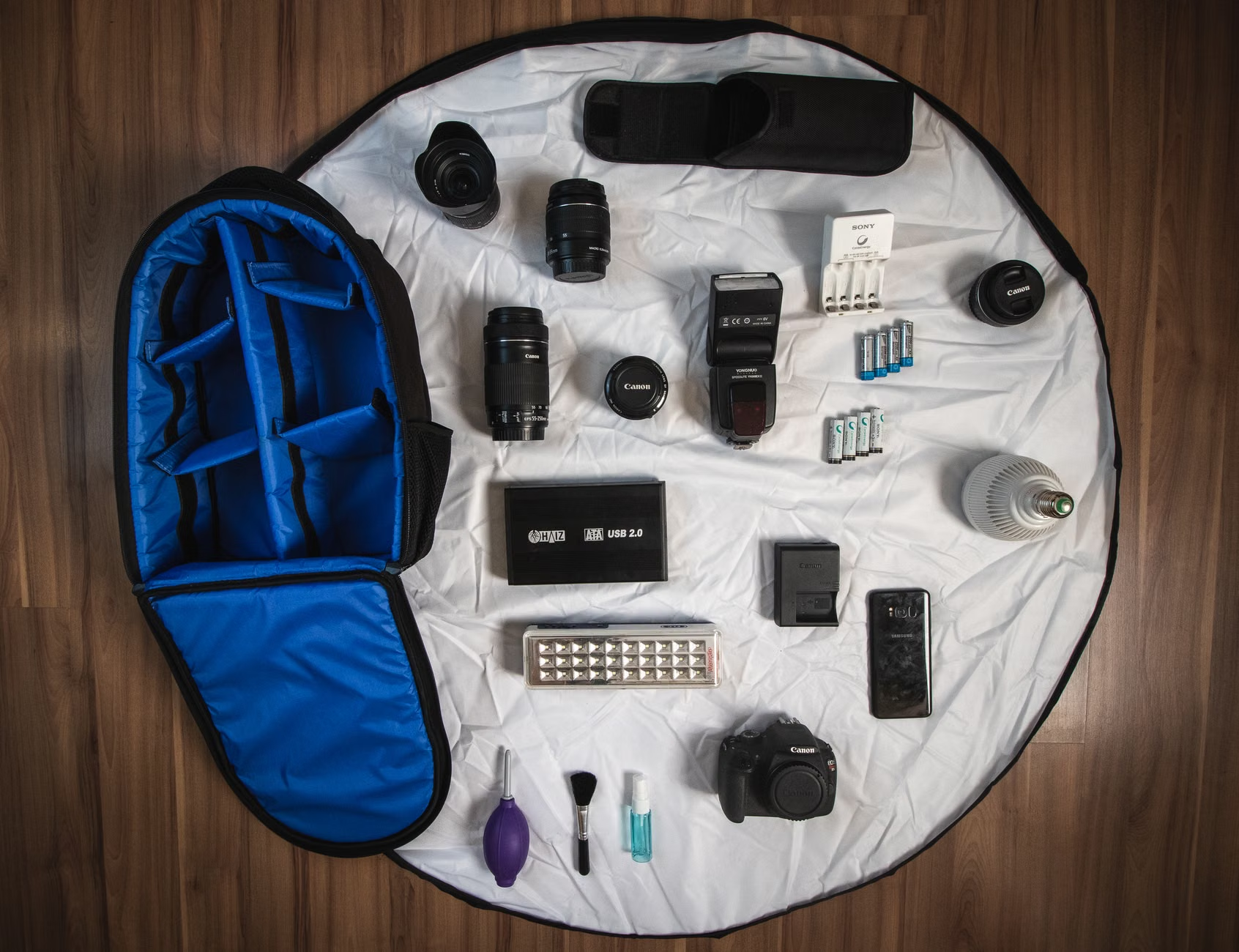
Packing for a museum-heavy trip requires a shift from “what I might need” to “what will keep me mobile.” Your day bag is your most important piece of equipment. It must be light, ergonomic, and organized.
Essential Gear for Mobility and Comfort
| Item | Why It Matters | Practical Tip |
|---|---|---|
| Portable Folding Stool | Provides instant seating during long waits or in crowded galleries. | Look for models under 1kg that fold into a small pouch. |
| Ergonomic Day Bag | Distributes weight evenly to prevent shoulder and back strain. | Choose a cross-body bag with wide, padded straps. |
| Noise-Canceling Earbuds | Reduces sensory overload in echoing, cavernous halls. | Use them to listen to pre-downloaded, calm audio guides. |
| Compression Socks | Prevents lower-leg swelling after hours of standing on hard floors. | Put them on before you leave your accommodation. |
Footwear: The Foundation of Your Trip
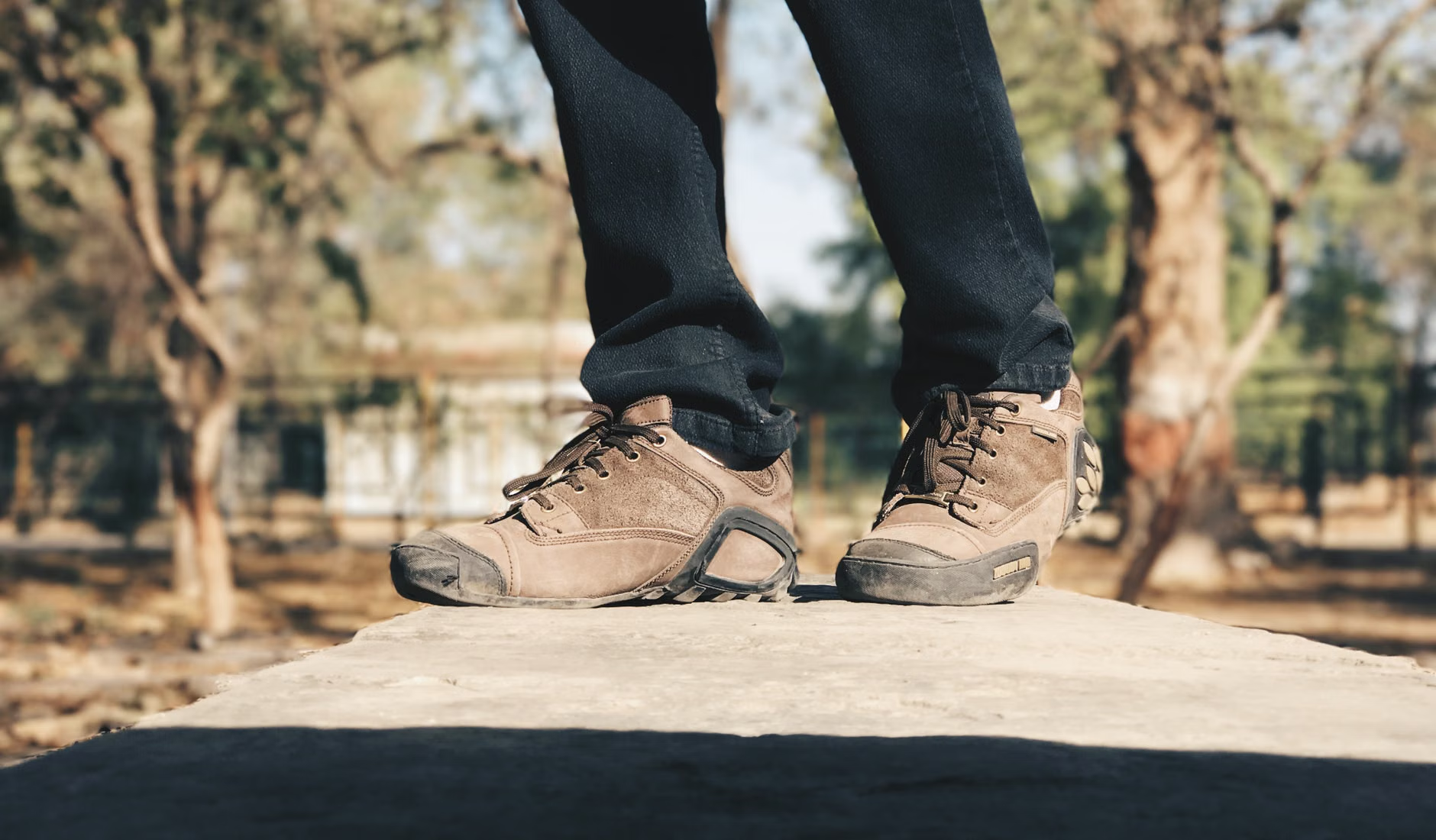
Never break in new shoes on a museum trip. Your footwear should have a firm arch support and a shock-absorbing sole. The floors in many historic museums are made of stone or polished concrete; these surfaces offer zero give. If you have any history of plantar fasciitis or joint pain, consider adding orthotic insoles to your walking shoes. These can be moved from shoe to shoe, ensuring consistent support throughout your city break.
Large museums are increasingly conscious of their aging visitors, yet many accessibility features are hidden in plain sight. Before you arrive, visit the museum’s official website and look for the “Accessibility” or “Visitor Services” tab. Do not rely on general maps; look for specific information regarding elevator locations, wheelchair rental availability, and quiet zones.
How to Request Assistance
Most major institutions, such as the The Metropolitan Museum of Art or the British Museum, offer complimentary wheelchair rentals. These are often limited in number and operate on a first-come, first-served basis. If you have mobility concerns, call the museum 48 hours in advance to reserve equipment. This simple step can prevent an exhausting walk from the entrance to the cloakroom.
The Digital Advantage
Many museums now offer apps that provide floor plans and audio guides. Download these while you are at your accommodation with reliable Wi-Fi. This avoids the need to fiddle with public Wi-Fi or struggle to read small, printed maps while standing in crowded lobbies. Digital maps also allow you to “pin” the restrooms and seating areas, ensuring you always have a retreat planned.
Managing Stamina: A Realistic Itinerary Framework
A common mistake is trying to see the “highlights” of a city in a single day. Instead, adopt a “hub-and-spoke” model. Select one major museum as your primary destination for the morning. Spend the afternoon in a low-intensity environment, such as a botanical garden, a quiet library, or a scenic park. This contrast is essential for mental and physical recovery.
The “Mid-Day Reset” Strategy
If your hotel is centrally located, plan for a “mid-day reset.” Return to your room for an hour of rest. This is not “losing time”; it is an investment in your ability to enjoy the evening. If your hotel is too far, identify a “third space”—a nearby hotel lobby, a quiet café, or a church—where you can sit for 30 minutes without the pressure to purchase an expensive meal or navigate a crowd.

Health and Wellness Considerations
Traveling to a new city often involves changes in diet, hydration, and sleep patterns. For the senior traveler, these variables are magnified. Dehydration is a leading cause of fatigue in museums, as many galleries have low humidity levels to preserve artwork. Carry a lightweight, reusable water bottle. Most museums have water filling stations, which are often located near the restrooms.
Managing Medication and Documentation
If you take daily medication, keep a copy of your prescription and a list of your medications in your day bag. If you have specific health conditions, such as a heart condition or diabetes, it is wise to carry a card in the local language of your destination that explains your condition and your emergency contact information. This is a simple, low-cost safety measure that provides peace of mind.
The Importance of “Visual Pacing”
Museums are designed to be visually stimulating. This constant input can lead to “museum fatigue,” which manifests as irritability, dizziness, or a sudden loss of interest. If you feel this coming on, look away from the art. Focus on a distant point, close your eyes for a moment, or step into a less crowded space. Your brain needs breaks from visual processing just as much as your legs need breaks from walking.
Advanced Planning: Checking Accessibility Before You Book
Not all city breaks are created equal. When choosing a destination, evaluate the “museum density” against the city’s accessibility infrastructure. Cities like Amsterdam, with its flat terrain and extensive tram network, are often easier to navigate than cities with steep hills or cobblestone streets, such as parts of Rome or Lisbon. Check the city’s public transport website—often, they will have specific guides for seniors or those with limited mobility.
Using Public Transport to Save Energy
Do not walk from museum to museum if public transport is available. A two-stop bus or tram ride can save you 15 minutes of walking, which equates to roughly 1,500 steps. In cities with extensive underground systems, check for elevators. Many older subway stations only have stairs or escalators, which can be a significant hurdle. Use apps like Google Maps or city-specific transit apps that allow you to filter for “wheelchair accessible” or “step-free” routes.
Conclusion: The Joy of a Curated Experience
The goal of a museum-heavy city break is enrichment, not endurance. By planning your gear, pacing your visits, and leveraging available accessibility tools, you can transform a potentially exhausting trip into a series of comfortable, memorable experiences. Remember that the quality of your visit is determined by how much you absorb, not how many galleries you pass through. Take your time, prioritize your comfort, and enjoy the art at your own pace.
Frequently Asked Questions
1. How can I find out if a specific museum has elevators or wheelchair access?
Always visit the official museum website and search for “Access” or “Visitor Information.” If the website is unclear, call their visitor services department directly. Most major institutions have a dedicated accessibility coordinator who can answer specific questions about lift locations and path-of-travel obstacles.
2. Is it worth paying for a private tour to manage my energy levels?
Yes, if your budget allows. A private guide can tailor the route to focus on the pieces you want to see, skipping the long, unnecessary corridors. This significantly reduces your total walking distance and ensures you spend your energy on the exhibits that matter most to you.
3. What should I do if I feel overwhelmed or exhausted while in a museum?
First, find the nearest seating area. If the museum is crowded, look for the “Education” or “Library” areas, which are often quieter. Do not hesitate to ask staff where the “quiet zones” are. It is perfectly acceptable to leave the building for an hour, get fresh air, and return later if your ticket allows for re-entry.
For further information on traveling with mobility aids, please consult the IATA guidelines for passengers with disabilities. Always check local city tourism board websites for specific transport accessibility maps.