- Consistent, gentle neck movement is essential for maintaining cervical spine range of motion and preventing long-term stiffness.
- Postural habits, such as “text neck” or prolonged downward gazing, are the primary contributors to neck strain; modifying your environment is as important as stretching.
- If you experience radiating pain, numbness in the hands, or sudden loss of balance, these are clinical indicators that require a professional assessment rather than self-directed exercise.
For adults aged 60 to 80, the neck serves as a critical bridge between the brain and the body. Maintaining its mobility is not merely about comfort; it is about preserving the ability to look around safely, drive effectively, and engage in daily activities without pain. As we age, the cervical spine—the seven vertebrae in our neck—undergoes natural changes, including reduced disc hydration and muscle elasticity. These changes make the neck more susceptible to strain from repetitive daily tasks.
This article provides a structured, evidence-based approach to seated neck stretches. By integrating these movements into your daily routine, you can mitigate the effects of gravity and poor posture, ensuring your neck remains a flexible, pain-free asset.
Understanding the Mechanics of Neck Strain
The human head weighs approximately 10 to 12 pounds (4.5 to 5.5 kilograms). When the head is held in a neutral position, the neck muscles and spine support this weight efficiently. However, when we lean forward—often while reading, using a smartphone, or looking down at a craft project—the effective weight on the cervical spine increases dramatically. At a 45-degree angle, the strain on the neck can reach up to 45 pounds.
Why posture matters: Prolonged forward-leaning, often called “forward head posture,” causes the muscles at the back of the neck to remain in a state of constant contraction. Over time, this leads to muscle fatigue, trigger points, and eventual stiffness. In older adults, this is compounded by the natural narrowing of the spinal canal (spinal stenosis) or degenerative disc changes, which can make the nerves in the neck more sensitive to compression.
The “Neutral Spine” Concept: A neutral spine means your ears are aligned directly over your shoulders. When you maintain this, your muscles are in a state of resting balance. The goal of the stretches outlined here is not to “fix” structural damage, but to prevent the secondary muscular tightness that exacerbates age-related spinal changes.
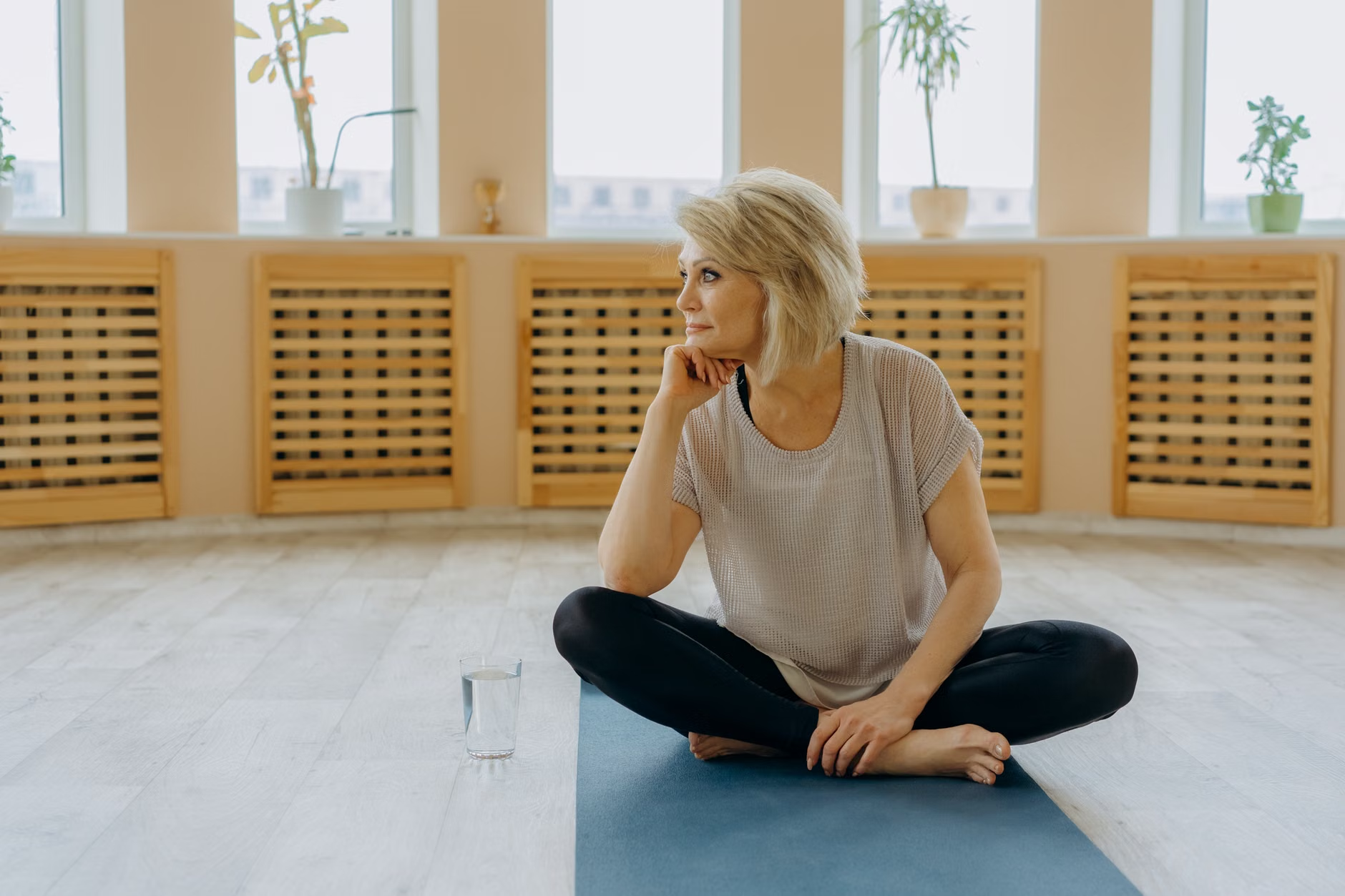
Essential Seated Stretching Routine
Before beginning these exercises, ensure you are sitting in a chair that offers back support. Avoid stools or chairs that force you to slouch. Perform these movements slowly. If you feel sharp pain, stop immediately. Stretching should feel like a mild, comfortable pull, not a source of acute distress.
1. The Chin Tuck (The Foundation of Alignment)
The chin tuck is the most effective exercise for reversing the “forward head” position.
- Sit tall with your feet flat on the floor.
- Look straight ahead at eye level.
- Without tilting your head up or down, pull your chin straight back as if you are trying to make a “double chin.”
- You should feel a gentle stretch at the base of your skull and the back of your neck.
- Hold for 5 seconds, then release. Repeat 5 to 10 times.
2. The Lateral Neck Tilt
This stretch targets the trapezius and levator scapulae muscles, which are often tight due to stress or carrying heavy bags.
- Sit upright and relax your shoulders downward.
- Slowly tilt your right ear toward your right shoulder.
- Keep your left shoulder down; do not let it “hike” up toward your ear.
- For a deeper stretch, place your right hand gently on the left side of your head and apply very light pressure—do not pull.
- Hold for 15 to 20 seconds. Switch sides.
3. The Rotation Stretch
Rotation is essential for activities like checking over your shoulder while driving or navigating through a crowd.
- Sit tall and look straight ahead.
- Slowly turn your head to the right, as if you are looking at something over your right shoulder.
- Go only as far as is comfortable.
- Hold for 10 seconds. Return to center and repeat on the left side.

Environmental Modifications for Lasting Results
Stretching is only half the battle. If you spend four hours a day reading or using a tablet at a desk that is too low, the tension will return regardless of how much you stretch. Here is how to adjust your daily environment to support your neck health.
| Activity | Common Mistake | The Adjustment |
|---|---|---|
| Reading/Tablets | Holding device in lap | Use a book stand or prop the device on a pillow to bring it to eye level. |
| Computer Work | Screen too low | Raise the monitor so the top third of the screen is at eye level. |
| Watching TV | Slouching on the couch | Use a lumbar support pillow to keep the spine upright and shoulders back. |
Insight: Many older adults suffer from “visual neck strain.” If you wear progressive lenses (bifocals), you might be tilting your head back to see through the bottom portion of your glasses. This constant hyperextension of the neck can cause significant discomfort. If you find yourself doing this while reading, try moving the material slightly lower or closer to your eyes, or consult your optometrist about task-specific glasses.
Recognizing When to Consult a Professional
While gentle movement is generally safe, the neck is a complex structure. You should seek a professional assessment—such as from a physical therapist, primary care physician, or orthopedist—if you experience any of the following “red flag” symptoms:
- Radiating Pain: Pain, numbness, or tingling that travels down the arm into the hand or fingers. This may indicate a pinched nerve.
- Loss of Grip Strength: Difficulty holding a cup, buttoning a shirt, or writing.
- Balance Issues: A sudden feeling of instability or clumsiness while walking.
- Night Pain: Pain that wakes you up consistently or prevents you from falling asleep.
When you see a professional, arrive prepared. Bring a list of any medications you are currently taking (as some can affect muscle tone or dizziness) and a brief log of when the pain occurs. For example, “The pain is worst after 30 minutes of reading” is much more helpful to a clinician than “My neck hurts sometimes.”
The Role of Daily Habits and Activity
Beyond specific stretches, overall physical activity is the best preventive medicine for the neck. When you walk, your arms naturally swing, which encourages the thoracic spine (the upper back) to rotate. Because the neck is supported by the upper back, a flexible, mobile thoracic spine takes the pressure off the cervical vertebrae.
Incorporate “movement breaks” into your day. If you are engaged in a hobby like knitting, gardening, or reading, set a timer for 30 minutes. When it rings, stand up, do two or three chin tucks, and walk around for two minutes. This interrupts the static loading of the neck muscles and refreshes your posture.
Remember that hydration also plays a role. The discs in your spine are largely composed of water. While you cannot “rehydrate” a disc simply by drinking a glass of water, maintaining systemic hydration supports the overall health of your connective tissues, including the ligaments that stabilize your neck.
Addressing Common Misconceptions
There is a common belief that “if it hurts, I should push through it.” In the context of the neck, this is generally incorrect. Unlike muscle conditioning in the legs or arms, where some discomfort is expected, neck pain often signals that you are aggravating a sensitive nerve or joint. If a movement causes sharp pain, stop. Try a smaller range of motion or skip that specific exercise for the day.
Another misconception is that neck pain is an inevitable part of aging. While age-related changes occur, they do not have to be painful. By proactively managing your posture and maintaining flexibility, you can manage these changes and continue to enjoy your daily life with full range of motion.
Integrating Stretches into Your Morning Routine
The most successful health habit is one that is easy to remember. Try attaching your neck stretches to an existing habit. For instance, perform your chin tucks while the coffee is brewing or while you are waiting for the morning news to start. Because these stretches are done seated, they are easily integrated into the time you spend sitting down, making them one of the most accessible forms of preventive self-care available.
Consistency over intensity is the key. Two minutes of gentle, daily stretching will provide far more benefit than twenty minutes of aggressive stretching once a week. Over the course of a month, this consistency helps “reset” the resting tension in your muscles, making your neck feel lighter and more responsive.
Conclusion: Your Path to a More Comfortable Neck
Your neck health is a reflection of your daily movement patterns. By incorporating the chin tuck, lateral tilt, and rotation into your routine, and by being mindful of your environment, you provide your cervical spine with the support it needs. Stay attentive to your body’s signals, prioritize consistent, gentle movement, and do not hesitate to seek professional guidance if your symptoms persist or change. Your goal is not perfection, but a sustained, comfortable range of motion that allows you to engage fully with the world around you.
Frequently Asked Questions
Q: Should I use heat or ice for neck stiffness?
A: Generally, heat is more effective for muscular stiffness, as it helps increase blood flow and relax tight tissues. Ice is typically reserved for acute injuries involving inflammation or swelling. If you have chronic, low-grade stiffness, a warm compress for 10–15 minutes before your stretches can make them more effective. Always use a barrier (like a towel) between the heat source and your skin to prevent burns.
Q: How long does it take to see improvements in neck mobility?
A: Most individuals notice a reduction in daily muscle tension within 7 to 10 days of consistent daily practice. However, structural improvements in posture take longer—often several weeks to months—as your muscles adapt to the new, healthier alignment. Patience and consistency are essential.
Q: Can I perform these stretches if I have had neck surgery in the past?
A: If you have a history of cervical spine surgery, hardware (such as plates or screws), or a diagnosis of osteoporosis, you must consult your surgeon or a physical therapist before beginning any new exercise routine. They can provide specific modifications or advise which movements to avoid based on your unique medical history.
Disclaimer: This article is for informational purposes only and does not constitute medical advice. Always consult with a healthcare professional before beginning any new exercise program, especially if you have pre-existing health conditions.
References and Further Reading:
Mayo Clinic: Neck Pain Overview
NHS: Advice on Neck Pain and Posture