Key Takeaways
- Strategic Layering: Prioritize breathable, moisture-wicking fabrics in layers to adapt to fluctuating cabin or vehicle temperatures during overnight transit.
- Mobility-First Packing: Use lightweight, four-wheeled spinner luggage and distribute weight to keep your carry-on manageable, ensuring you can navigate terminals independently.
- Health Maintenance: Prepare a dedicated “transit essentials” pouch containing medications, hydration aids, and compression gear to maintain circulation and comfort throughout your journey.
Successful overnight transit for older travelers is not about packing less; it is about packing for sustainability. When you are 60 or older, the physical demands of long-distance travel—such as navigating terminal changes, managing luggage, and handling the physiological effects of altitude or prolonged sitting—require a shift in strategy. This guide focuses on how to pack and prepare for overnight transit to ensure you arrive at your destination with your stamina and health intact.
The Physics of Packing: Reducing Physical Strain
The biggest mistake travelers make is overestimating their strength during the “last mile” of a journey. When you are tired after an overnight flight or train ride, a heavy bag feels twice as heavy. The goal is to minimize the load on your joints and back.
Choosing the Right Luggage
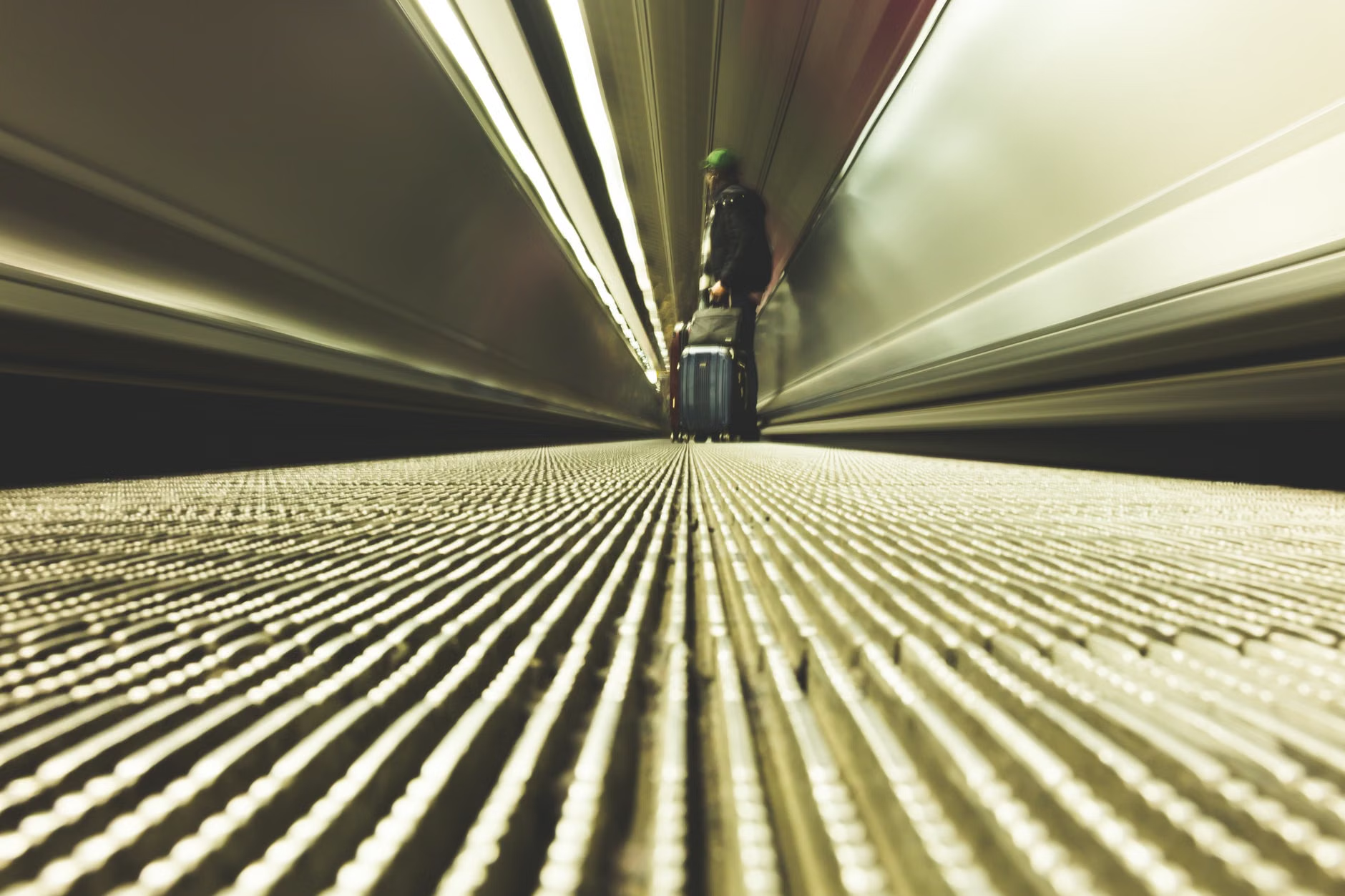
For overnight transit, your luggage should be an extension of your mobility. Avoid two-wheeled suitcases that require you to pull weight behind you, which causes shoulder and wrist strain. Instead, opt for a high-quality, four-wheeled spinner suitcase. These allow the bag to move alongside you, requiring minimal effort to glide across flat surfaces.
Decision Criteria for Luggage:
- Weight: Empty, your carry-on should not exceed 2.5 kg (5.5 lbs).
- Handles: Ensure the handle has a comfortable grip and locks at a height that prevents you from hunching over.
- Accessibility: Look for exterior pockets that allow you to reach your passport, boarding pass, and medication without opening the main compartment.
Optimizing Your “Transit Essentials” Pouch
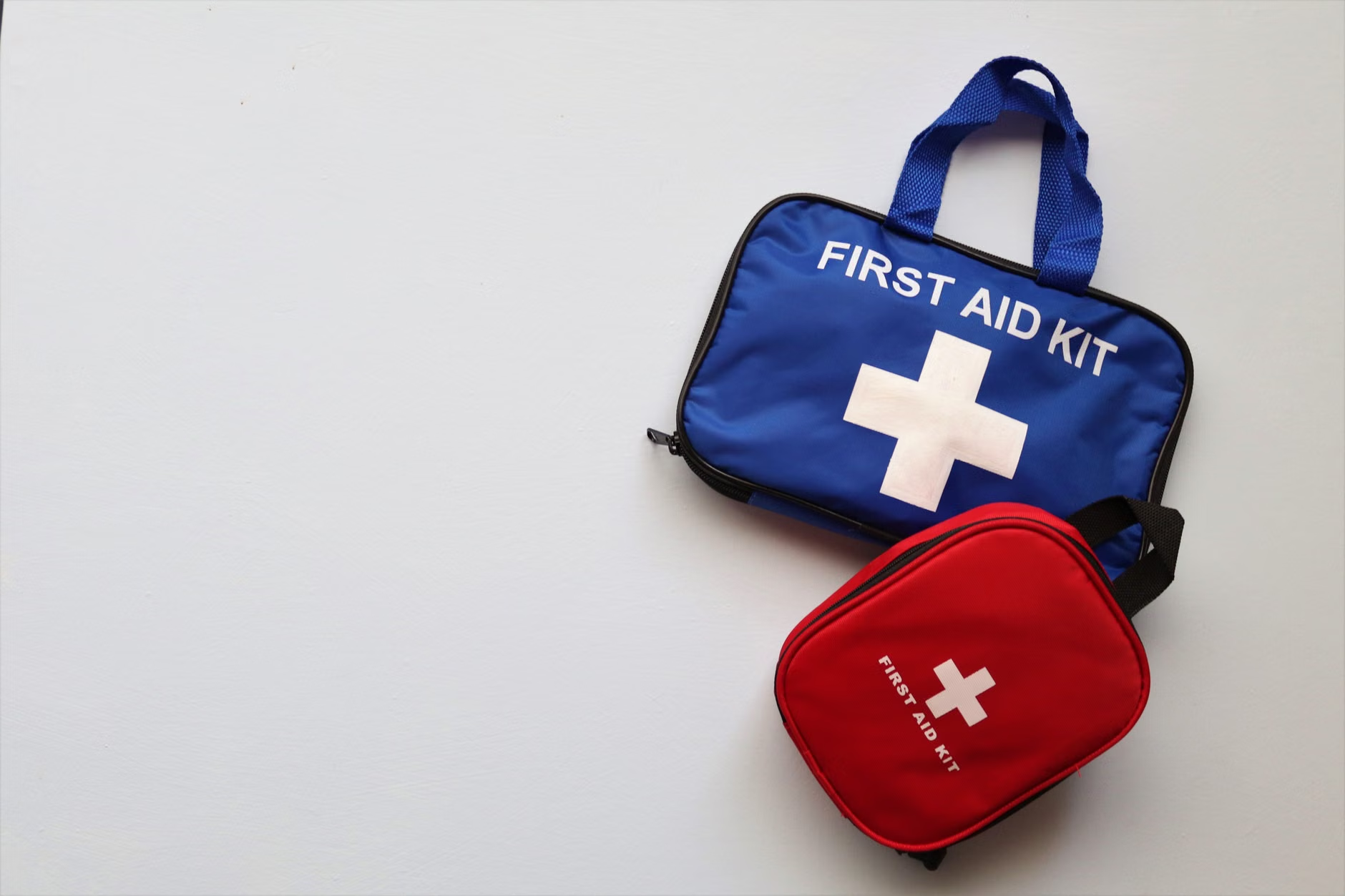
Never bury your most important items in the overhead bin or a main check-in bag. Your transit pouch should be a small, accessible bag that stays under the seat in front of you or in your lap. This pouch is your “first-aid kit for transit comfort.”
| Item Category | Why It Matters | Practical Tip |
|---|---|---|
| Medications | Avoids disruption to your health routine. | Carry a 3-day supply in original containers plus a copy of your prescription. |
| Hydration | Prevents fatigue and dehydration-related headaches. | Use a collapsible silicone bottle to save space. |
| Compression Gear | Reduces swelling (edema) from prolonged sitting. | Apply compression socks before boarding; check with your doctor for the right pressure level. |
| Hygiene | Maintains comfort during long hours of transit. | Pack unscented wet wipes and a travel-sized moisturizer. |
The items in this table represent the baseline for maintaining comfort. If you have specific needs, such as a CPAP machine for sleep apnea, ensure it is packed in a dedicated, lightweight bag that does not count toward your carry-on limit, as most airlines allow medical devices as an extra item.
Clothing Strategies for Variable Environments
Overnight transit often involves extreme temperature shifts—from the warmth of a boarding area to the chilling air conditioning of a cabin. The “three-layer rule” is the gold standard for seniors.
- Base Layer: A moisture-wicking natural fiber (like merino wool or high-quality cotton) that keeps your skin dry.
- Mid Layer: A fleece or a light sweater that can be easily removed.
- Outer Layer: A zip-up jacket or a pashmina that provides warmth and can double as a blanket.
Avoid restrictive clothing. Tight waistbands can exacerbate discomfort during long periods of sitting. Choose trousers with a bit of stretch and comfortable, slip-on shoes that are easy to remove during security checks or if your feet swell during transit.
Managing Stamina: The “Movement Budget”
One of the most overlooked aspects of overnight transit is the “movement budget.” Prolonged immobility increases the risk of deep vein thrombosis (DVT) and general stiffness. Even if you are not an athlete, you must plan for movement.
The 60-Minute Rule: Every hour, aim to stand up, stretch your calves, and walk the length of the aisle or terminal. If you are on a flight, choose an aisle seat. This allows you to stand and move without having to disturb fellow passengers, which can reduce anxiety and increase the likelihood that you will actually move.
Practical Exercises for Transit:
- Ankle Pumps: While seated, flex your feet up and down to encourage blood flow.
- Seated Marches: Lift your knees one at a time while seated to engage your core and hip flexors.
- Neck Rotations: Gently roll your neck to release tension from the headrest.
If you have chronic health conditions, your packing must include documentation. This is not just about medical records; it is about communication. In the event of a transit emergency, you need to provide clear information to staff or medical personnel quickly.
The “Emergency Packet” Checklist:
- A list of all current medications, including dosages and frequency.
- Contact information for your primary care physician and an emergency contact.
- A brief summary of any relevant conditions (e.g., “pacemaker user,” “diabetic,” “severe nut allergy”).
- Copies of your travel insurance policy with the international assistance phone number highlighted.
Keep this in a waterproof folder inside your transit pouch. For international travel, ensure these documents are in English, as it is the standard language for global medical assistance.
Common Mistakes and How to Avoid Them
Mistake 1: Relying on Airline Blankets. Many airlines have reduced the quality or availability of blankets. Always bring your own lightweight travel throw or a large scarf.
Mistake 2: Ignoring Hydration. Cabin air is extremely dry. Aim to drink 200ml of water for every two hours of flight, even if you don’t feel thirsty. Avoid caffeine and alcohol, as both act as diuretics.
Mistake 3: Over-Packing the Carry-on. If you cannot lift your bag into the overhead bin, you must either check it or ask for assistance. Never strain your back trying to force a bag into a tight space. If you are traveling alone, utilize airport porter services or ask cabin crew for help early.
Understanding Accessibility Services
Many travelers hesitate to request assistance because they feel it is only for those with severe mobility issues. This is a misconception. Airports and train stations provide “Special Assistance” services that can include wheelchair transport through long terminals, priority boarding, and help with luggage.
How to Access These Services:
- Request in Advance: Most airlines and train operators require 48 hours’ notice for specific assistance.
- Check the Website: Look for “Accessibility” or “Special Assistance” pages on the carrier’s official website.
- The “Invisible” Needs: You do not need to be in a wheelchair to ask for a “buggy” or cart ride through a terminal. If your knees are tired or the distance is too long, ask. It is a service you are entitled to.
The Psychological Component of Transit
Overnight travel can be mentally taxing. The lack of sleep combined with the sensory overload of transit hubs can heighten feelings of stress. Packing for mental comfort is just as important as physical comfort.
Consider noise-canceling headphones. They are not just for music; they are excellent for blocking out the persistent hum of engines or the noise of busy terminals, which can significantly reduce fatigue. Additionally, bring a physical book or a digital e-reader. Screens on planes can be difficult to view, and having a reliable source of entertainment that doesn’t require an internet connection is vital.
Deep Dive: Managing Chronic Conditions During Transit
For those managing conditions like diabetes, heart disease, or hypertension, transit requires more than just packing; it requires a “transit-day plan.”
Diabetes Management: If you use insulin, ensure it is kept in a cool, insulated bag. Never store insulin in checked baggage, as the cargo hold temperatures can fluctuate wildly, potentially compromising the medication. Always carry extra snacks (low-glycemic options like nuts or protein bars) to manage blood sugar levels, as transit delays can disrupt meal schedules.
Heart Health: If you are prone to high blood pressure, the stress of travel can cause spikes. Practice deep breathing exercises. Focus on slow, rhythmic inhalations and exhalations. This simple technique can help regulate your heart rate and keep you calm during long queues or unexpected delays.
The Importance of Post-Transit Recovery
Your packing strategy should include items for your first 24 hours at your destination. Don’t plan a full day of activity immediately after an overnight journey. Allow for a “recovery window.”
Recovery Kit:
- Electrolytes: Dehydration is common after long transit. Pack a few electrolyte powder packets to mix into water upon arrival.
- Comfortable Footwear: Your feet may be swollen. Having a pair of supportive, breathable walking shoes or sandals for your first day is essential.
- Gentle Routine: Plan a light walk or a quiet activity for the first few hours. Avoid heavy exercise or stressful meetings.
Conclusion: Empowerment Through Preparation
Packing for overnight transit as a senior is an exercise in autonomy. By carefully selecting your luggage, organizing your essentials for easy access, and planning for your physical needs, you transform a potentially stressful experience into a manageable, even comfortable, journey. Remember that your comfort is a priority, not an inconvenience. Use the services available to you, listen to your body, and don’t hesitate to prioritize your health over the speed of your travel.
Frequently Asked Questions
1. Should I wear compression socks on every long-distance trip?
Compression socks are highly recommended for any flight or transit lasting longer than four hours. They help improve circulation and reduce the risk of swelling and blood clots. However, always consult your doctor to ensure they are appropriate for your specific health profile, especially if you have arterial disease or other circulatory issues.
2. How do I handle liquid restrictions with my necessary medications?
Most countries allow passengers to carry essential liquid medications in quantities exceeding the standard 100ml limit. You must present these items to security officers separately. It is helpful to have a copy of your prescription and a doctor’s letter in your carry-on to explain the necessity of these items.
3. Is it worth paying for lounge access during overnight transit?
If you have a long layover or are facing a significant delay, airport lounges can be a valuable investment. They offer comfortable seating, cleaner restroom facilities, food, and a quieter environment. For seniors, the primary benefit is often the reduced walking distance and the ability to rest away from the crowded terminal gates. Check if your credit card or travel insurance offers free lounge access before you purchase a pass.
Official guidance on air travel accessibility can be found at the International Air Transport Association (IATA) and your national aviation authority’s website.