Key Takeaways
- Cognitive Engagement: Calligraphy requires simultaneous coordination of fine motor skills, visual attention, and spatial awareness, which helps maintain neural plasticity.
- Mindful Pacing: Unlike fast-paced digital tasks, calligraphy forces a slower, deliberate rhythm that significantly reduces cortisol levels and promotes emotional regulation.
- Accessibility: You do not need expensive equipment to begin; starting with simple, ergonomic tools ensures that the practice remains accessible regardless of hand strength or vision.
The Intersection of Art and Cognitive Maintenance
Learning basic calligraphy is more than just an aesthetic pursuit; it is a structured cognitive workout that bridges the gap between artistic expression and neurological maintenance. For adults aged 60 to 80, the act of forming characters requires a complex interplay of visual processing, motor control, and rhythmic breathing. Unlike passive leisure activities, calligraphy demands “active engagement,” where the brain must constantly adjust to the feedback provided by the pen’s movement on paper.
When you practice calligraphy, you are not merely writing; you are engaging in a form of “focused meditation.” This state of flow is associated with a reduction in ruminative thinking—the cycle of repetitive, often negative thoughts that can accompany stress. By dedicating time to the deliberate stroke of a pen, you create a dedicated window for mental clarity that can provide a respite from the complexities of daily life.
Why Calligraphy is a Unique Cognitive Stimulus
The cognitive benefits of calligraphy stem from its multi-sensory nature. When you write, your brain processes the visual input of the ink, the tactile feedback of the nib against the paper, and the proprioceptive feedback—the sense of your hand’s position and movement in space. This combination is highly effective at stimulating the prefrontal cortex, the area of the brain responsible for complex planning, decision-making, and impulse control.
Furthermore, calligraphy teaches the brain to handle “micro-adjustments.” If a line is slightly off-center or the ink flow is inconsistent, your brain must instantly calculate a correction. This cycle of error detection and correction is a fundamental component of keeping the mind agile. It is a practical, low-stakes environment to practice resilience and adaptability—skills that are just as vital in everyday problem-solving as they are on the page.

Getting Started: Essential Equipment and Ergonomics
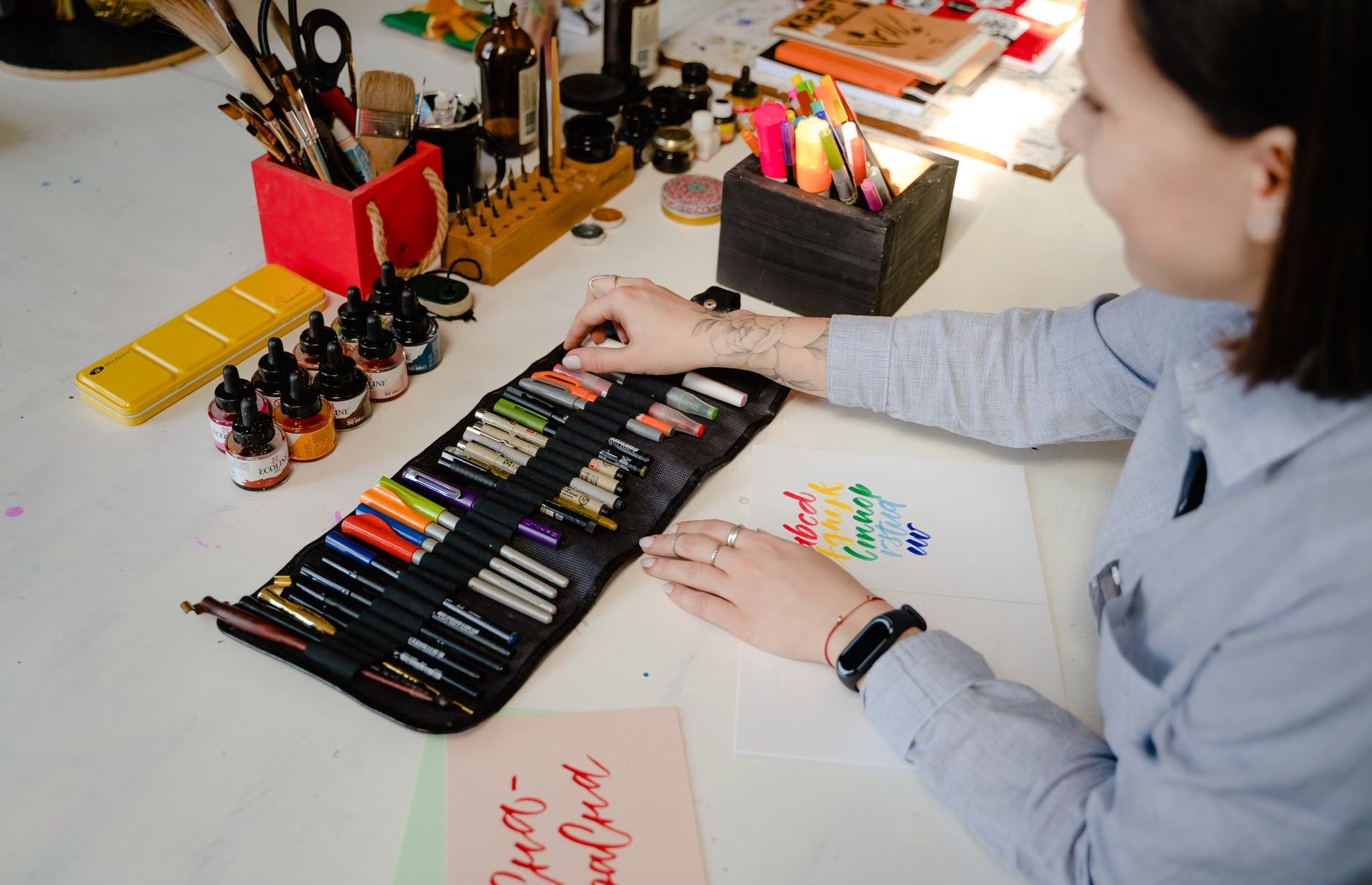
A common misconception is that calligraphy requires a significant financial investment. In reality, the best approach for beginners is to start with a modest, high-quality set that prioritizes comfort. For those with arthritis or reduced grip strength, the choice of pen and paper is critical to ensuring the hobby remains a joy rather than a source of physical strain.
Selecting Your First Tools
- The Pen Holder: Look for “ergonomic” or “thick-barrel” holders. These are designed to reduce the force required to grip the pen, thereby minimizing hand fatigue during long sessions.
- The Ink: Stick to water-based fountain pen inks initially. They are non-toxic, easy to clean, and offer a consistent flow that is less frustrating for beginners than traditional dip-pen inks.
- The Paper: Avoid standard printer paper, which can cause ink to “feather” or bleed. Use high-gsm (grams per square meter) smooth paper, which provides a satisfying surface for the nib to glide over without snagging.
Creating an Ergonomic Practice Environment
Your physical setup determines how long you can comfortably practice. Ensure your chair provides adequate lower back support and that your desk height allows your elbows to rest at a 90-degree angle. Poor posture during calligraphy can lead to shoulder tension, which in turn affects the fluidity of your lines. Always prioritize a well-lit space, ideally with natural light or a cool-toned LED lamp to reduce eye strain.
Step-by-Step Guide to Your First Practice Session
Do not attempt to master complex scripts immediately. The goal of early practice is to develop “muscle memory”—the automaticity of movement that makes writing feel effortless over time. Follow this structured approach for your first few sessions:
| Phase | Duration | Focus Area |
|---|---|---|
| Preparation | 5 Minutes | Setting up the workspace, checking posture, and breathing. |
| Warm-up | 10 Minutes | Drawing simple lines, loops, and circles to test ink flow. |
| Core Practice | 20 Minutes | Focusing on one specific letter or a single word. |
| Review | 5 Minutes | Analyzing the strokes without self-criticism. |
The “One-Letter Rule”: Instead of trying to write full sentences, spend your first week focusing on just three letters. By mastering the curves and pressures of a small set of characters, you build a foundation that makes learning subsequent letters exponentially easier. This approach prevents the cognitive overload that often leads to abandoning new hobbies.
Addressing Common Challenges for Seniors
As we age, it is natural for our vision and fine motor skills to change. Rather than viewing these as obstacles, treat them as variables to be managed through smart adjustments.
Vision and Focus
If you find that small, intricate details are difficult to see, consider using a desk-mounted magnifying lamp. These devices not only clarify the page but also help maintain a consistent distance between your eyes and the paper, which is essential for posture. Additionally, ensure your practice sheets have high-contrast lines; you can easily create your own guides using a thick black marker on a separate sheet placed underneath your practice paper.
Stamina and Fatigue
Calligraphy is not a race. If you notice your handwriting becoming shaky or your grip tightening, this is your body telling you to take a break. A 10-minute session performed with full focus is significantly more beneficial for cognitive health than an hour of practice performed while tense or exhausted. Keep a glass of water nearby and utilize “active breaks”—stand up, stretch your shoulders, and look at a distant object to reset your ocular muscles.
The Psychological Impact: Mindfulness and Emotional Well-being
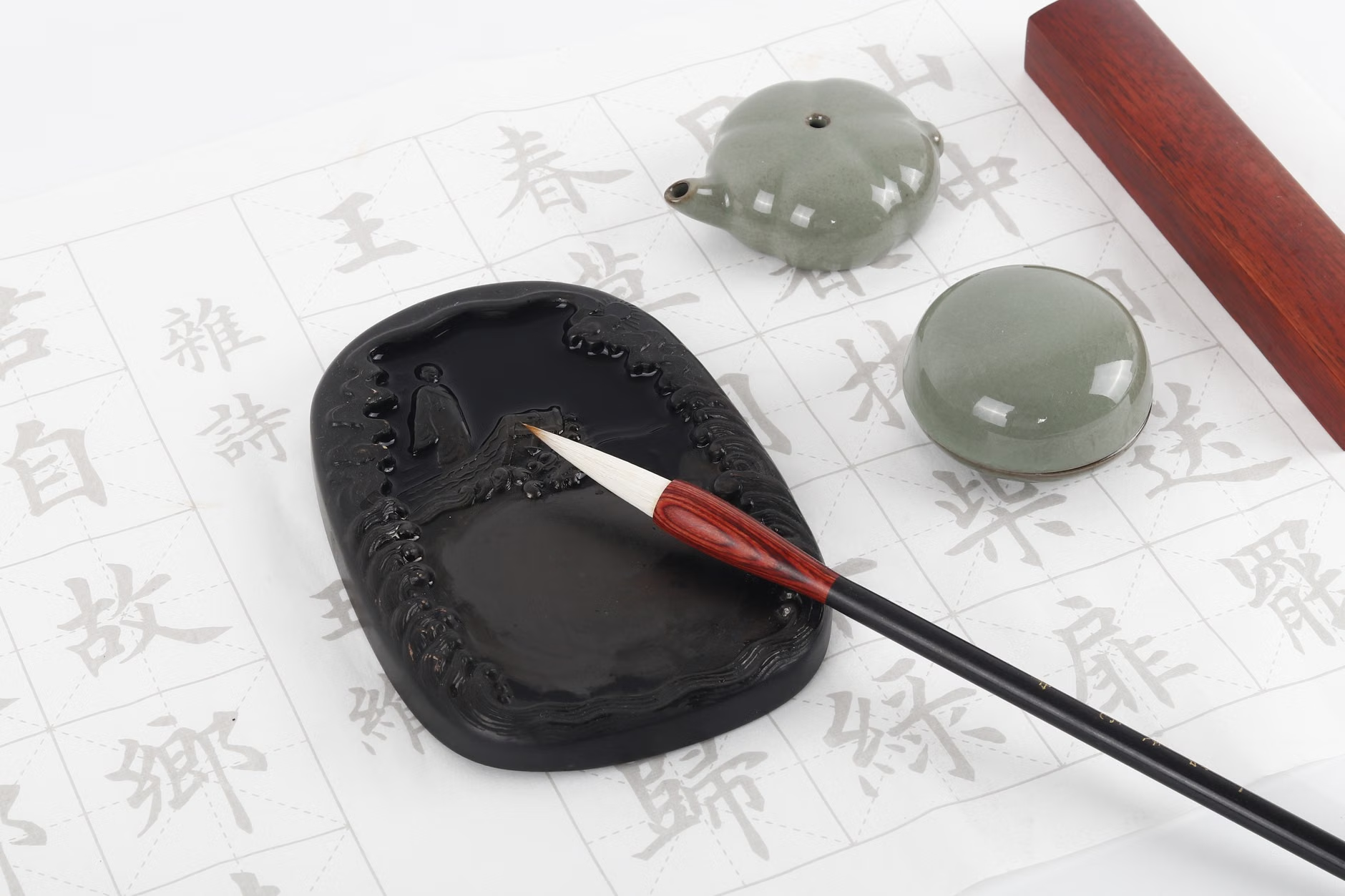
The repetitive nature of calligraphy is a powerful tool for grounding. When you focus on the pressure of the nib against the page, you are essentially practicing a form of mindfulness. This is particularly beneficial for those navigating life transitions, as it provides a sense of control and accomplishment. The “joy” in this hobby is not found in the final product, but in the process of creation.
Research into the psychology of hobbies suggests that engaging in “mastery-based activities”—tasks that require learning and skill improvement—improves self-efficacy in older adults. When you look back at a page you filled a week ago and compare it to your current work, the visible progress provides a tangible boost to confidence. This cycle of setting a goal, practicing, and witnessing improvement is a vital component of psychological resilience.
Once you are comfortable with basic strokes, you may wish to explore different styles, such as Copperplate or Italic. However, be mindful of the “complexity trap.” Some scripts require very specific nib angles that may place unnecessary stress on the wrist. If you find a particular style uncomfortable, do not force it. The best style is the one that allows you to remain relaxed and fluid.
Furthermore, consider the social aspect of this hobby. Many communities have local calligraphy guilds or art centers that offer low-impact workshops. While the cognitive benefits are gained during solitary practice, the social interaction of sharing your work with peers can provide additional mental stimulation and help build a sense of community. Always check local venue accessibility—look for ground-floor access, adequate seating, and proximity to parking—before committing to an in-person class.
Integration into Daily Life
To ensure that calligraphy becomes a sustainable habit, integrate it into your daily routine at a time when your energy levels are highest. For many, this is the morning, after a cup of tea or coffee, when the mind is fresh. For others, it is the late afternoon, serving as a way to decompress and transition from the day’s activities to the evening.
Practical Tip: Keep your supplies in a dedicated “calligraphy kit”—a box or tray that contains everything you need. This removes the friction of gathering materials, making it easier to start a session on a whim. The easier it is to begin, the more likely you are to practice consistently, and consistency is the key to both the cognitive benefits and the development of your skill.
Ultimately, the practice of calligraphy is a testament to the fact that learning and growth do not have an expiration date. By dedicating a small portion of your day to this mindful pursuit, you are not only preserving your cognitive health but also creating a beautiful, personal legacy of art and expression. Whether you write poetry, letters to family, or simply practice the alphabet, the journey of the pen is a journey of the mind, rewarding you with every deliberate stroke.
Frequently Asked Questions
1. Will learning calligraphy help with my arthritis?
Calligraphy is not a medical treatment for arthritis. However, using ergonomic, thick-barrel pens and practicing for short, controlled intervals can help maintain dexterity without causing undue strain. Always consult your healthcare provider or an occupational therapist to ensure your grip and posture are appropriate for your specific joint health.
2. Do I need to have “good handwriting” to start?
Absolutely not. Calligraphy is an entirely different skill from everyday cursive or print handwriting. It is based on specific, learned strokes rather than your natural style. Many people find that calligraphy actually helps them slow down and improve their day-to-day writing by teaching them to focus on letter formation and spacing.
3. How much time should I dedicate to practice to see cognitive benefits?
You do not need to practice for hours. Research on cognitive maintenance suggests that short, frequent sessions are more effective than infrequent, long ones. Aiming for 15 to 20 minutes, 3 to 4 times a week, is sufficient to maintain focus, hand-eye coordination, and the mental benefits of the practice without leading to burnout or physical fatigue.
Note: This article is for educational and recreational purposes only. It does not constitute medical advice or a substitute for professional clinical care. Always prioritize your physical comfort and consult with a professional if you experience pain or persistent physical limitations.