- Mobility First: Prioritize luggage weight and maneuverability, as rural destinations often feature uneven terrain, gravel paths, and a lack of elevators.
- Health Preparedness: Pack a dedicated “emergency health kit” containing a physical list of medications, contact information for your primary care physician, and a summary of your health history.
- Adaptive Packing: Rural environments offer fewer retail options; pack modular, layered clothing and specific comfort items that address potential sensory or physical sensitivities.
Traveling to quiet, rural retreats offers immense rewards: the silence of nature, a slower pace of life, and a break from the sensory overload of urban centers. However, rural travel requires a higher level of self-sufficiency. Unlike city travel, where a pharmacy or a specialty shop is rarely more than a few blocks away, rural settings often require you to be prepared for contingencies on your own.
Packing for these trips is not about bringing more; it is about bringing the right things. For travelers aged 60 to 80, the goal is to reduce physical strain while maximizing comfort and safety. This guide outlines a strategic approach to packing that balances the physical realities of travel with the desire for a peaceful, restorative experience.
1. The Physics of Packing: Reducing Physical Strain
The primary challenge in rural travel is the “last mile” problem. Many rural guesthouses, historic cottages, or countryside inns are not equipped with modern infrastructure like elevators, smooth ramps, or luggage porters. You may find yourself navigating cobblestone streets, gravel driveways, or narrow staircases.
Choosing the Right Luggage
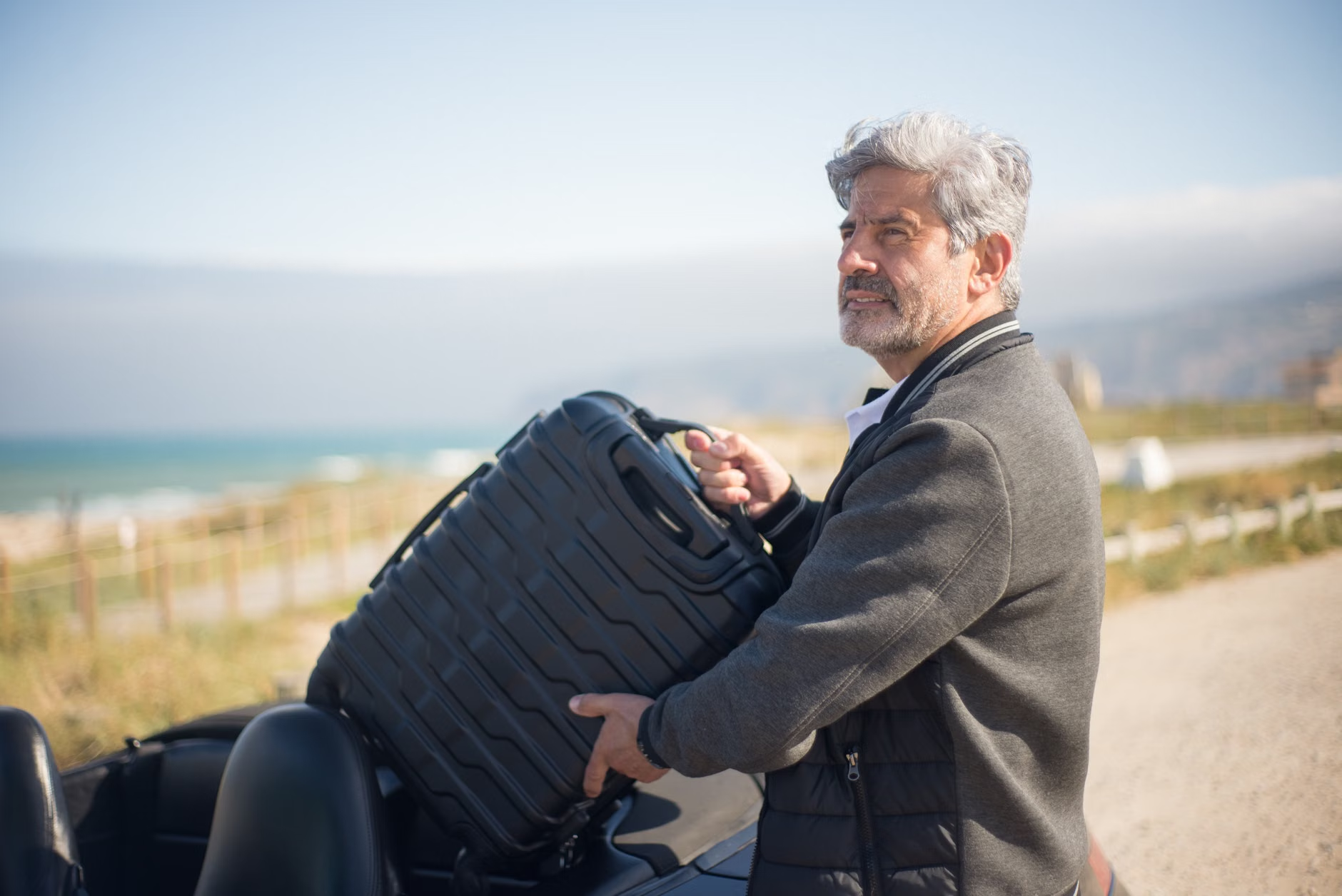
The traditional heavy, large suitcase is often the biggest enemy of a comfortable trip. Instead, adopt the “modular weight” approach. Using two smaller, lightweight bags is often more manageable than one massive, heavy suitcase. When you have two bags, you can distribute weight, making it easier to carry them over obstacles or up a flight of stairs.
Decision Criteria for Luggage:
- Weight: If the empty bag weighs more than 3-4 kilograms (approx. 7-9 lbs), it is too heavy.
- Wheels: Large, rubberized wheels are essential. Small, plastic wheels often get stuck in gravel or crack on uneven stone surfaces.
- Handles: Ensure the handle has a comfortable grip and locks securely at multiple heights to avoid straining your back or shoulders.
The Packing Hierarchy
Organize your items by frequency of use. Items that you need during transit—such as travel documents, medications, and a lightweight jacket—should be in a small, easily accessible cross-body bag or a front-pocket compartment. Items that are only needed at your destination should be packed at the bottom of your main luggage.
| Item Category | Packing Strategy | Why it matters |
|---|---|---|
| Medications & Health Docs | Personal carry-on bag | Prevents loss and ensures immediate access. |
| Heavy Electronics | Center of luggage | Distributes weight evenly for easier transport. |
| Footwear | Bottom of luggage | Keeps center of gravity low; protects delicate items. |
| Daily Essentials | Packing cubes | Reduces time searching and minimizes physical exertion. |
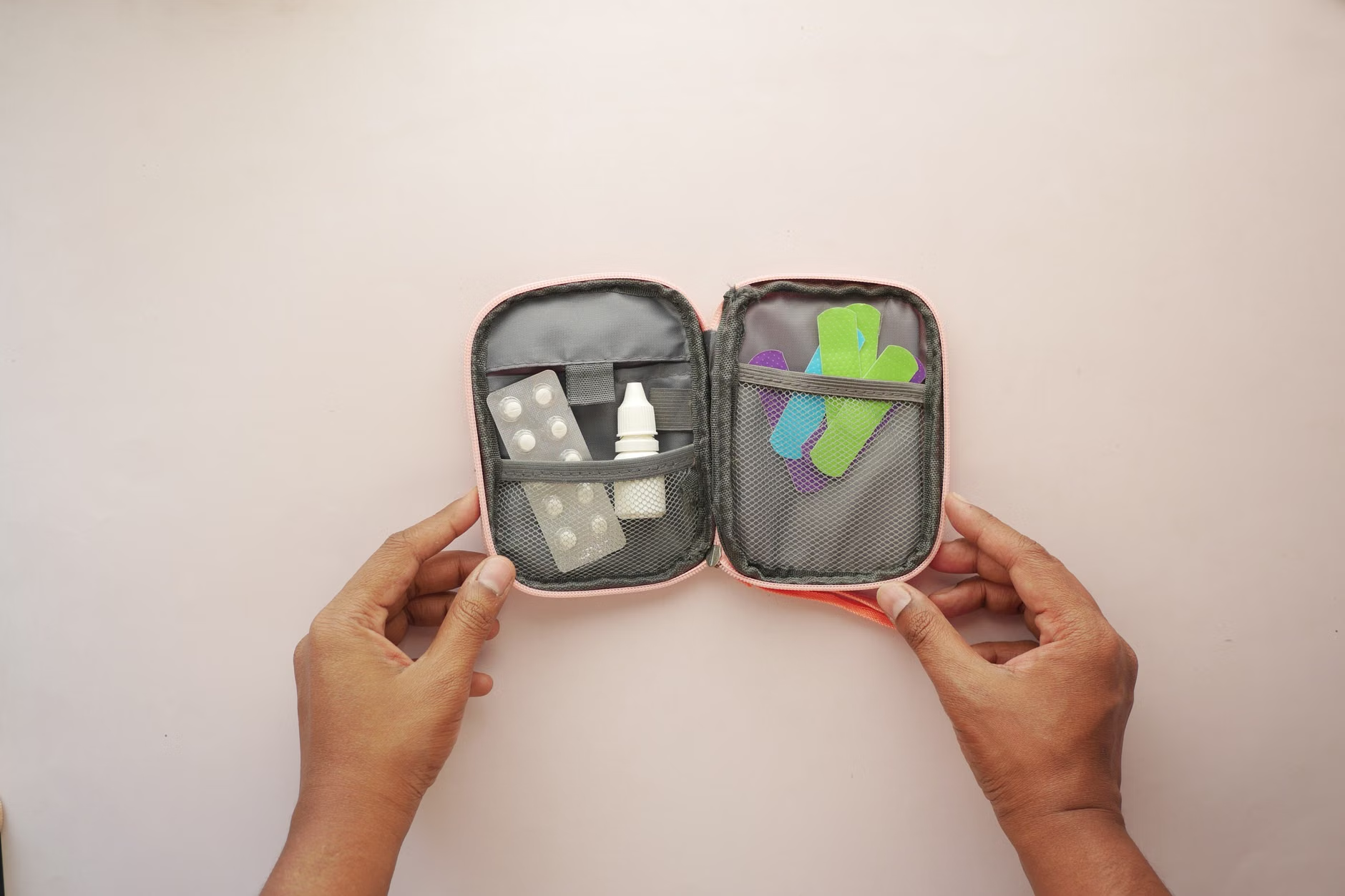
2. The Health and Safety “Go-Kit”
In rural environments, access to medical care may involve longer travel times. Your packing strategy must include a comprehensive health kit that acts as your primary support system until you can reach professional help if needed.
Structuring Your Medication Inventory
Never rely on digital records alone. If a local clinic needs to assess your health, they may not have the technical infrastructure to access your cloud-based medical records. Carry a physical, printed copy of your medication list, including dosages, frequencies, and the name of the prescribing physician.
Checklist for your Health Kit:
- Prescription Medications: Pack at least 3-5 days of “buffer” medication beyond the duration of your trip.
- Contact Information: A printed card listing your primary care physician, your emergency contact, and any known allergies.
- Basic First Aid: Include items for minor issues that could ruin a trip, such as blister plasters, antiseptic wipes, high-quality compression socks for long travel days, and basic pain relief medication.
Note: Always keep your medications in their original, clearly labeled containers to avoid confusion or scrutiny at security checkpoints.
3. Footwear and Mobility Aids
Rural terrain is unpredictable. You may encounter mud, loose gravel, or steep inclines that are rarely found in urban environments. Footwear is the single most important item for maintaining your stamina and preventing injury.
The Two-Shoe Rule
Do not rely on one pair of shoes for an entire trip. You should have one pair of high-support, sturdy walking shoes with deep treads for outdoor activities. Your second pair should be a lighter, breathable shoe for indoor use or light walking. If your feet swell during travel, having a shoe with an adjustable closure (like Velcro or elastic laces) can make a significant difference in comfort.
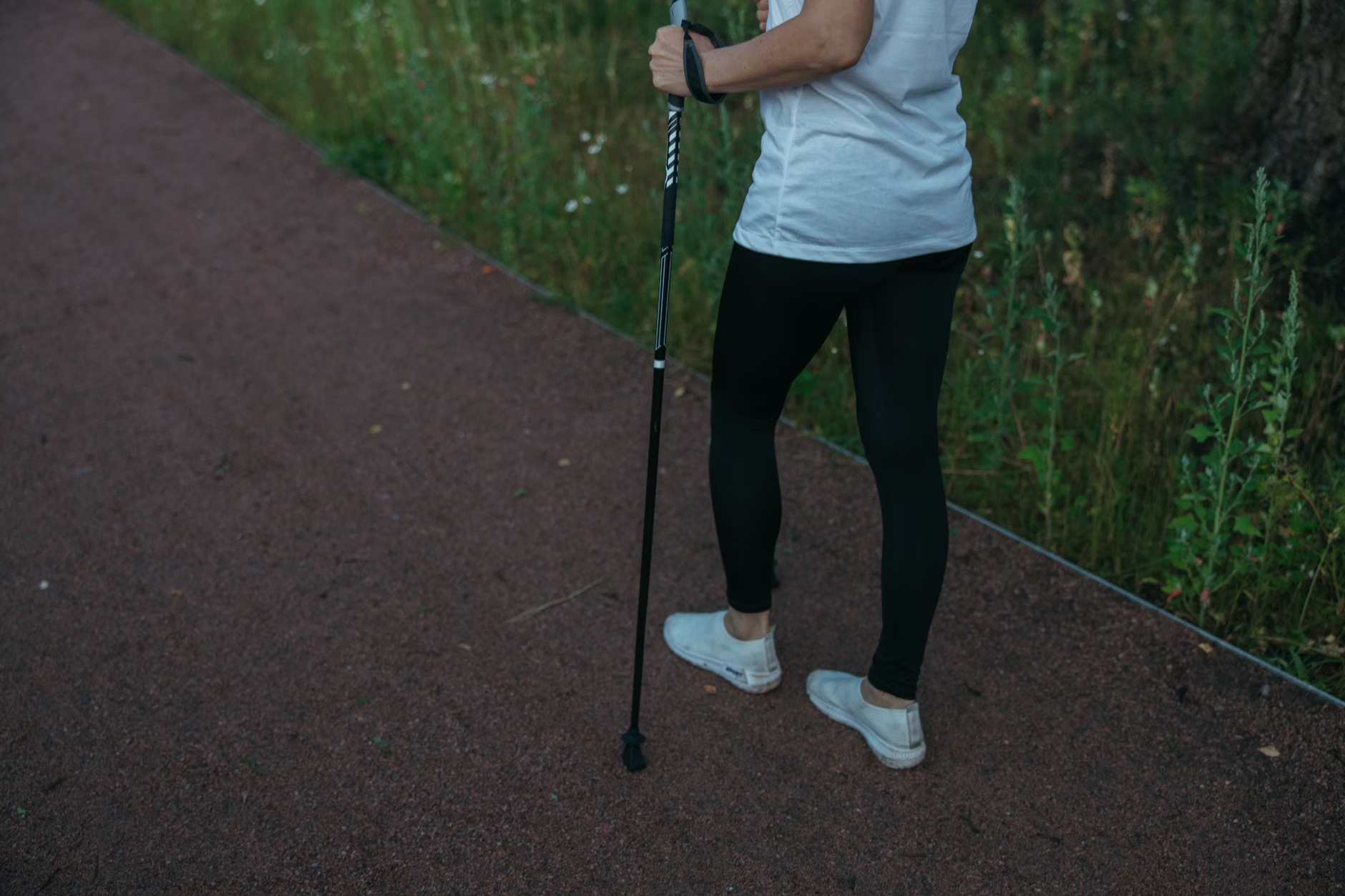
The Value of Stability Aids
Many seniors feel hesitant about using a walking stick because they associate it with frailty. However, in rural settings, a collapsible trekking pole is a tool for stability, not a sign of age. It provides a third point of contact on uneven ground, reducing the load on your knees and hips by up to 20-25% on inclines.
4. Clothing Strategies for Unpredictable Rural Climates
Rural areas often experience more dramatic temperature shifts than cities, which are buffered by “heat islands” (the phenomenon where concrete and buildings hold heat). In the countryside, you may experience significant drops in temperature as soon as the sun goes down.
The Layering Principle
Instead of packing one heavy coat, pack three light layers. This allows you to adjust your body temperature throughout the day without having to carry cumbersome items. A base layer (moisture-wicking), a middle layer (fleece or wool for warmth), and an outer layer (windproof and water-resistant) will keep you comfortable in almost any condition.
Material Selection
Avoid heavy cotton, which holds moisture and takes a long time to dry. Opt for synthetic blends or merino wool. Merino wool is particularly effective for seniors as it is naturally odor-resistant, regulates temperature well, and is soft against the skin, which is beneficial for those with sensitive skin conditions.
5. Managing Technology and Connectivity
Rural areas can have “dead zones” for cellular service. Relying on your smartphone for maps, reservations, or emergency calls is a common mistake. You must have a backup plan for when the technology fails.
Analog Backups
Download offline maps on your phone before you leave, but also carry a physical map of the region. If you are renting a car, ensure you have a physical road atlas. For reservations, keep a printed copy of your itinerary. This is not just for convenience; it is a safety measure. If your battery dies or you lose signal, you still have the ability to navigate your way back to your accommodation.
Power Management
Bring a high-capacity power bank. In rural retreats, power outlets may be limited or located in inconvenient spots (such as behind heavy furniture). A power bank ensures that you can keep your phone charged for communication or emergency use, regardless of the room layout.
6. Overlooked Variables in Rural Planning
When planning your trip, consider the “hidden” variables that often catch travelers off guard. These factors often determine whether a trip is relaxing or stressful.
The Lighting Factor
Rural areas often lack the ambient light found in cities. If you are walking back to your accommodation after dinner, the path may be pitch black. Pack a small, high-lumen LED headlamp or flashlight. A headlamp is superior to a handheld flashlight because it keeps your hands free, which is essential if you need to use a trekking pole or hold a railing.
Retail Desert Reality
In a city, if you forget your toothbrush, toothpaste, or a specific toiletry, you can walk to a convenience store. In a rural village, the local shop might close at 4:00 PM or only open on certain days. Pack a “consumables pouch” with a 2-day supply of personal hygiene items. This prevents the panic of needing a store that doesn’t exist nearby.
Accessibility Assessment
Before booking, use tools like Google Street View to look at the entrance of your accommodation. Does it have stairs? Is the driveway gravel or paved? If you have mobility concerns, call the host directly and ask, “How many steps are between the parking area and the front door?” Do not rely on marketing photos, which often omit difficult entryways.
Conclusion
Packing for a rural retreat is an exercise in thoughtful preparation. By focusing on lightweight, modular luggage, prioritizing health documentation, and accounting for the lack of urban infrastructure, you can ensure that your retreat is truly restorative. Remember that your goal is to minimize the friction of travel so you can maximize your enjoyment of the environment. Start your packing process at least one week before your departure; this gives you time to procure any necessary items and ensures you aren’t rushing, which is the most common cause of forgetting essential items.
For more information on accessible travel standards, you can visit the European Network for Accessible Tourism (ENAT) or your local national tourism board, which often provides guides on accessible rural routes.
Frequently Asked Questions (FAQ)
1. Should I bring my own mobility aid if I am only “slightly” unsteady on my feet?
Yes. Even if you do not use a mobility aid at home, the uneven terrain of rural paths—such as grass, gravel, or dirt—presents a different set of challenges. A collapsible trekking pole is lightweight and serves as a vital safety tool that can prevent falls on unstable ground.
2. How do I handle medication storage in hot or humid rural climates?
If you are traveling to a location with extreme temperatures, avoid leaving your medication in a vehicle or near a window. Keep your medication kit in your carry-on bag, which stays with you at a regulated temperature. If you use insulin or other temperature-sensitive medication, consult your pharmacist about a portable, insulated medical cooling case.
3. What should I do if I have a medical emergency in a remote area?
Before you leave, identify the location of the nearest hospital or emergency clinic. Save the phone number in your contacts and, more importantly, write it down on a piece of paper kept in your wallet. If you are in a country with a different language, keep a note in that language that says, “I have a medical emergency, please call an ambulance.”