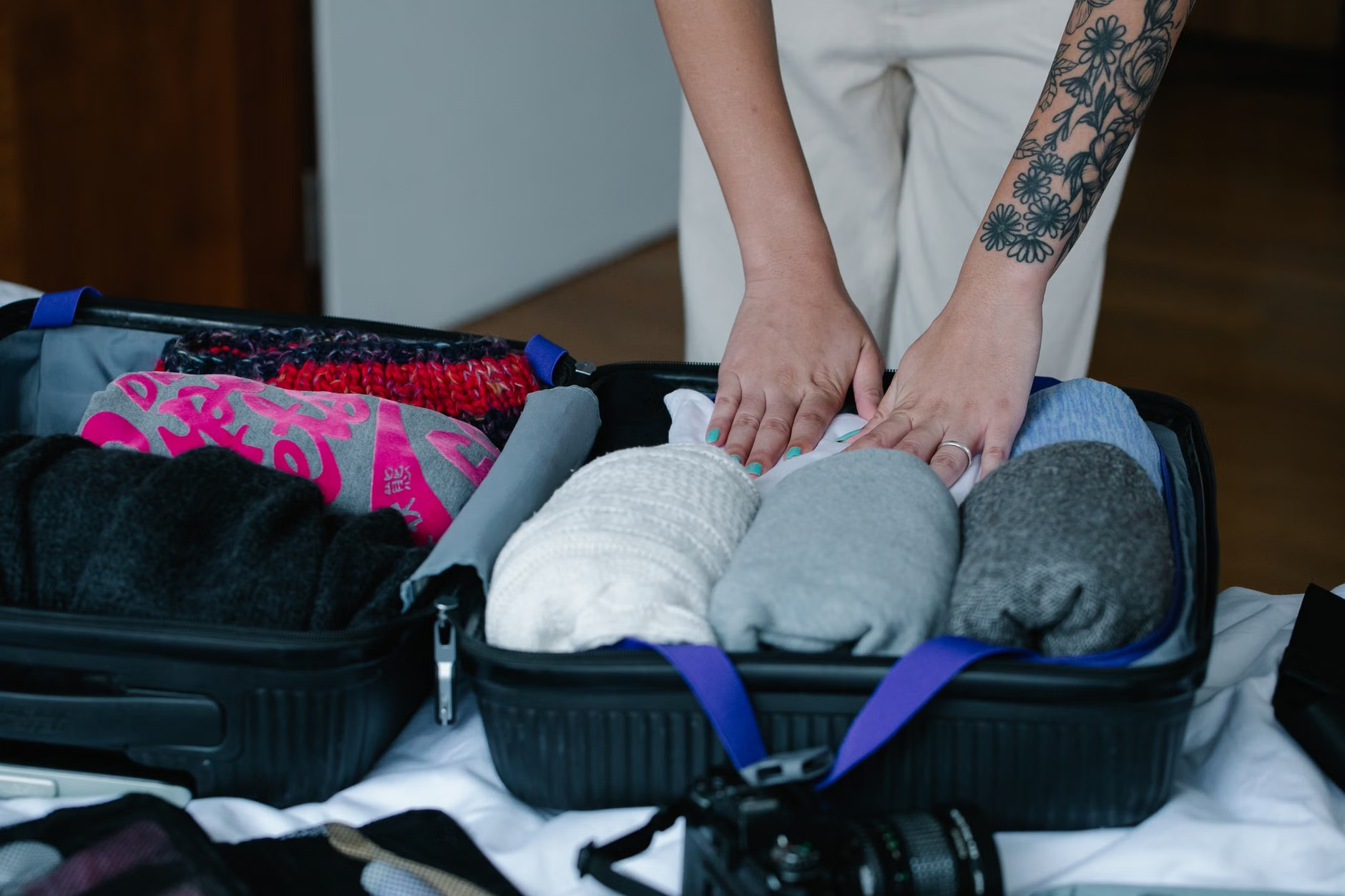
- Prioritize the Layering System: Instead of packing for extreme cold and heat separately, use a three-layer system (base, mid, outer) that functions in any environment.
- Mobility-First Luggage: Choose lightweight, four-wheeled (spinner) suitcases to reduce physical strain on joints, and always test your gear for ease of handling before your trip.
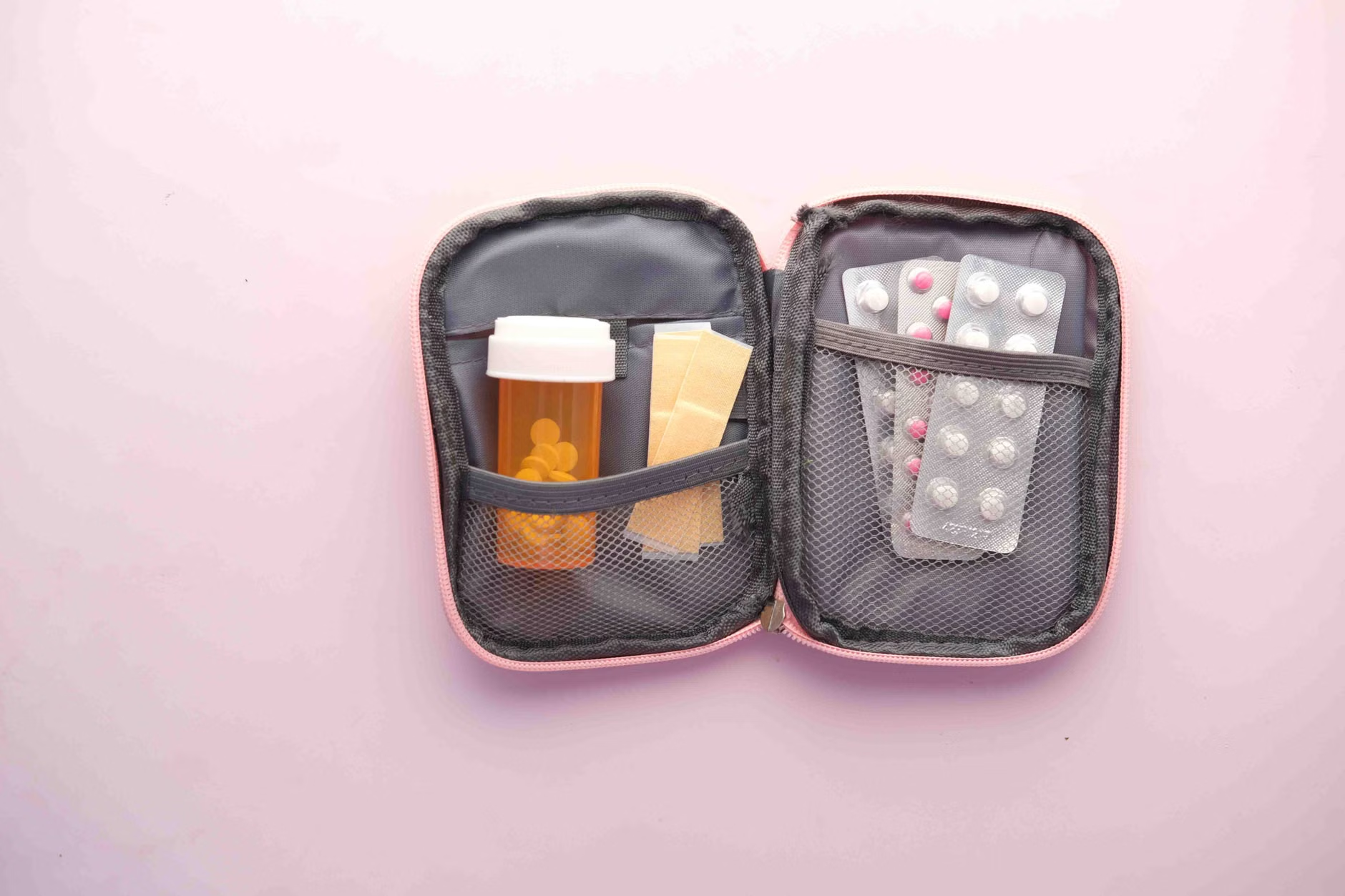
- Health and Medication Continuity: Carry a printed list of medications, copies of prescriptions, and a “travel health kit” with essential items to manage temperature-related physical stress.
Traveling across varying climates—such as moving from a humid, tropical coastal city to a cool, mountainous region—presents a unique logistical challenge. For adults aged 60 to 80, the priority shifts from simply “fitting everything in” to managing stamina, ensuring physical comfort, and maintaining health continuity without the burden of heavy, disorganized luggage.
1. The Science of Packing: The Three-Layer Principle
The most effective way to navigate multiple climates without overpacking is the “layering system.” This strategy relies on versatile pieces that work together, allowing you to regulate body temperature as you transition from cold airports to warm destinations or fluctuating outdoor weather.
Defining the Three Layers
Rather than packing heavy winter coats or excessive thin summer wear, focus on these three distinct categories:
- Base Layer (Moisture-wicking): Choose materials like merino wool or synthetic blends that pull moisture away from the skin. Avoid cotton in cold or humid climates, as it stays damp and can lead to chills.
- Mid-Layer (Insulation): This is your thermal barrier. A lightweight fleece or a down-filled vest provides warmth without bulk. These are easy to remove and store in a daypack when the temperature rises.
- Outer Layer (Protection): A windproof and water-resistant shell is the most important investment. It protects you from the elements in both rainy temperate zones and windy alpine environments.
Real-Life Scenario: Consider a trip from London (12°C/54°F) to Rome (28°C/82°F). By wearing your base layer and mid-layer on the flight, you remain warm. Upon landing in Rome, you can remove the mid-layer, leaving you with a comfortable base layer suitable for warmer weather.
2. Managing Mobility: Luggage Selection and Weight Distribution
Physical strain is the primary enemy of an enjoyable trip. As we age, the cumulative effect of carrying heavy bags can lead to back pain, joint stiffness, and unnecessary fatigue. Your choice of luggage is not just a preference; it is a vital mobility aid.
Criteria for Senior-Friendly Luggage
| Feature | Why it Matters | Recommendation |
|---|---|---|
| Wheel Type | Prevents wrist and shoulder strain. | Four-wheeled “spinner” luggage for upright rolling. |
| Weight | Crucial for lifting into overhead bins. | Aim for under 3kg (6.6 lbs) for empty carry-ons. |
| Handle Height | Prevents slouching and back tension. | Adjustable handles that lock at your hip height. |
Common Mistake: Many travelers prioritize aesthetic design over handle durability. Always test the handle lock mechanism in the store. If it wobbles or feels flimsy, it will be difficult to control on uneven European cobblestones or crowded transit platforms.
3. Health Continuity and Medication Management
Travel disrupts your daily routine, which can be particularly challenging if you manage chronic conditions. Multi-climate travel adds an extra layer of complexity, as temperature changes can affect how some medications are stored or how your body reacts to them.
The Travel Health Kit Checklist
Before you leave, prepare a dedicated, portable health kit. Do not pack this in your checked luggage, as it must remain with you at all times.
- Medication Records: A printed document listing all current medications, dosages, and prescribing physician contact information.
- Prescription Copies: Always carry a copy of your original prescriptions. If you lose your medication, this document is essential for local pharmacies to assist you.
- Climate-Specific Aids: If you are traveling to high-altitude or very hot climates, include electrolyte packets to maintain hydration levels, which are essential for preventing dizziness and fatigue.
Important Insight: Some medications are temperature-sensitive. If you are traveling between extremes, consult your pharmacist about whether your specific medication requires an insulated bag. Never store medication in a car glove box or in direct sunlight, even if you are just in transit.
4. Footwear Strategy: Comfort vs. Versatility
Your feet are your primary mode of transport. In multi-climate travel, you need shoes that are supportive enough for long walking tours but breathable enough for warmer days. Avoid the temptation to bring a new pair of shoes; always break them in for at least two weeks before departure.
Decision Criteria for Footwear
- Support: Look for shoes with arch support and cushioned insoles. If you use orthotics, ensure the shoe has a removable insole.
- Sole Traction: If your journey includes varying climates, you may encounter rain or snow. A rubberized, non-slip sole is essential to prevent falls on slick surfaces.
- Weight: Heavy hiking boots are often unnecessary. Modern “trail runners” offer the same grip and support at half the weight, making them easier to pack and wear.
Airports, train stations, and bus terminals are frequently designed for speed, not ease of movement. Understanding your rights and the services available to you can significantly reduce the stress of travel.
Practical Steps for Smoother Transit
- Request Assistance Early: Every major international airline and rail service offers “Special Assistance.” Request this at least 48 hours before your flight or train journey. This may include wheelchair transport through the terminal or priority boarding.
- The “Gate-Check” Strategy: If your carry-on is heavy, ask the gate agent to “gate-check” it. You drop it off at the plane door and pick it up at the plane door upon arrival, saving you from hauling it through the terminal.
- Pacing Your Transfers: Never book a connection with less than 90 minutes of transit time. This gives you a buffer for walking slowly, finding accessible toilets, and navigating potential security queues without rushing.

6. Addressing the “Hidden” Variables of Multi-Climate Travel
Beyond the obvious weather changes, there are subtle factors that affect your comfort. Humidity, for instance, can make a 20°C (68°F) day feel much hotter and more taxing on the heart than a dry 20°C day. Similarly, high-altitude regions can cause mild breathlessness, even for healthy individuals.
Adjusting Your Itinerary for Stamina
The “two-hour rule” is a helpful guide: for every two hours of sightseeing, schedule 30 minutes of seated rest. This is not just about physical exhaustion; it is about cognitive recovery. Navigating new environments requires high levels of mental energy, and taking a break in a cafe or public park ensures you remain alert and safe throughout the day.
7. Financial and Legal Preparedness
Travel insurance is non-negotiable for older travelers. Ensure your policy specifically covers “pre-existing conditions” if you have any. When traveling between countries, check the reciprocal healthcare agreements. For example, the European Health Insurance Card (EHIC) or equivalent offers residents of certain countries access to state-provided healthcare during a temporary stay in other EU countries. Know what is covered before you depart.
Conclusion: The Art of Traveling Light
The secret to successful multi-climate travel is not in what you bring, but in how you curate your essentials. By adopting a layering system, investing in high-quality, lightweight mobility gear, and prioritizing your health routines, you can transition between climates with ease. Remember that your goal is to enjoy the destination, not to master the logistics. If a plan requires too much rushing or heavy lifting, it is perfectly acceptable to simplify it. True travel freedom comes from the confidence that you are prepared for whatever the weather—or the journey—brings your way.
Frequently Asked Questions
1. How can I manage my medication if I am crossing multiple time zones?
The best approach is to keep your watch on your “home” time for the first 24 hours to track your medication intervals, then gradually adjust to the local time. Always consult your doctor or pharmacist about the safest way to shift your specific medication schedule to avoid missing a dose or doubling up.
2. Is it better to pack for the coldest climate or the warmest?
Pack for the “middle” temperature using the layering system described in this article. You should never pack only for the extreme cold or extreme heat, as this leads to carrying unnecessary, unused items. Focus on base layers that can be worn under a mid-layer for cold, or on their own for heat.
3. How do I know if I am eligible for airport assistance?
Assistance is not strictly based on age; it is based on need. If you have any mobility issues, difficulty walking long distances, or require help with heavy luggage, you are entitled to request assistance. Check the “Special Assistance” page on your airline’s or train operator’s website to see the specific services they offer and how to book them.
Official resources for travel planning: