- Prioritize “Ground-Level” Itineraries: Historic sites are often multi-level; focus on those with documented ground-floor accessibility and elevator access to internal chambers.
- Verify Real-Time Accessibility: Do not rely on general website claims; contact the site directly to confirm if elevators are operational and if path surfaces are currently undergoing maintenance.
- Pacing and Recovery: Plan for “one major site per day” to account for the physical toll of uneven terrain and the cognitive fatigue of navigating historic environments.
Introduction: Reclaiming History Without Compromising Comfort
Historic castles are iconic landmarks, yet they present unique challenges for the modern traveler. Built centuries ago for defense rather than comfort, these structures are defined by steep staircases, uneven cobblestones, and narrow passageways. For travelers aged 60 to 80, the excitement of visiting a medieval fortress can be quickly tempered by concerns regarding mobility, stamina, and safety. However, with strategic planning, these sites are not only accessible but can be deeply rewarding experiences.
This guide provides a comprehensive framework for selecting and navigating historic castle tours. We will move beyond the superficial “wheelchair accessible” labels often found on tourism websites and look at the practical, granular realities of historical site navigation. By understanding how to audit a site’s infrastructure and manage your own energy levels, you can ensure that your travel remains an enjoyable leisure activity rather than a test of physical endurance.
Evaluating Accessibility: Beyond the “Accessible” Label
When a tourism brochure claims a site is “accessible,” it often refers to the minimum legal standard within that specific country. In the European Union, for instance, standards like the European Accessibility Act provide a baseline, but historic exemptions often allow sites to remain partially inaccessible. To make an informed decision, you must look for specific indicators of usability.
The “Ground-Level” Audit
Most historic castles consist of a main courtyard and a series of towers. The courtyard is almost always the most accessible area. Before booking a tour, look for the following in the venue’s technical documentation or via a direct inquiry:
- Surface Uniformity: Are the courtyard paths original, rough-hewn cobblestone, or have they been leveled with modern masonry or gravel-binding techniques?
- Gradient Analysis: A “slight incline” in a brochure can translate to a 10-degree slope, which is significant for those with limited knee or hip mobility.
- Resting Infrastructure: Does the site provide fixed seating every 50 to 100 meters? If not, you must be prepared to bring a lightweight, foldable cane-seat.
The Vertical Challenge: Elevators vs. Stairs
Many castles have been retrofitted with elevators. However, these are often located in modern annexes or external glass shafts. You must ask: “Does the elevator reach the primary exhibition floors, or does it only provide access to the ground-floor gift shop?” If the main historical chambers are only reachable by stone spiral staircases, you should prioritize a virtual tour or a guided ground-floor-only experience.
Practical Strategies for Managing Stamina and Terrain
Navigating a castle requires a different energy expenditure than walking through a modern museum. The combination of historical architecture and the psychological pressure to “see everything” can lead to rapid fatigue.
The 60-Minute Pacing Rule
Research into senior travel fatigue suggests that after 60 minutes of walking on uneven, non-ergonomic surfaces, the risk of minor trips and falls increases. Implement a strict “60-minute cycle”:
- 45 Minutes of Exploration: Active viewing of the site.
- 15 Minutes of Controlled Rest: Sitting down in a quiet area, preferably away from the main thoroughfare, to hydrate and rest the joints.
If the tour duration is longer than two hours, verify if the tour operator includes scheduled breaks. A tour that forces a group to move continuously for three hours is generally unsuitable for those who require frequent rest.
Selecting the Right Footwear and Mobility Aids
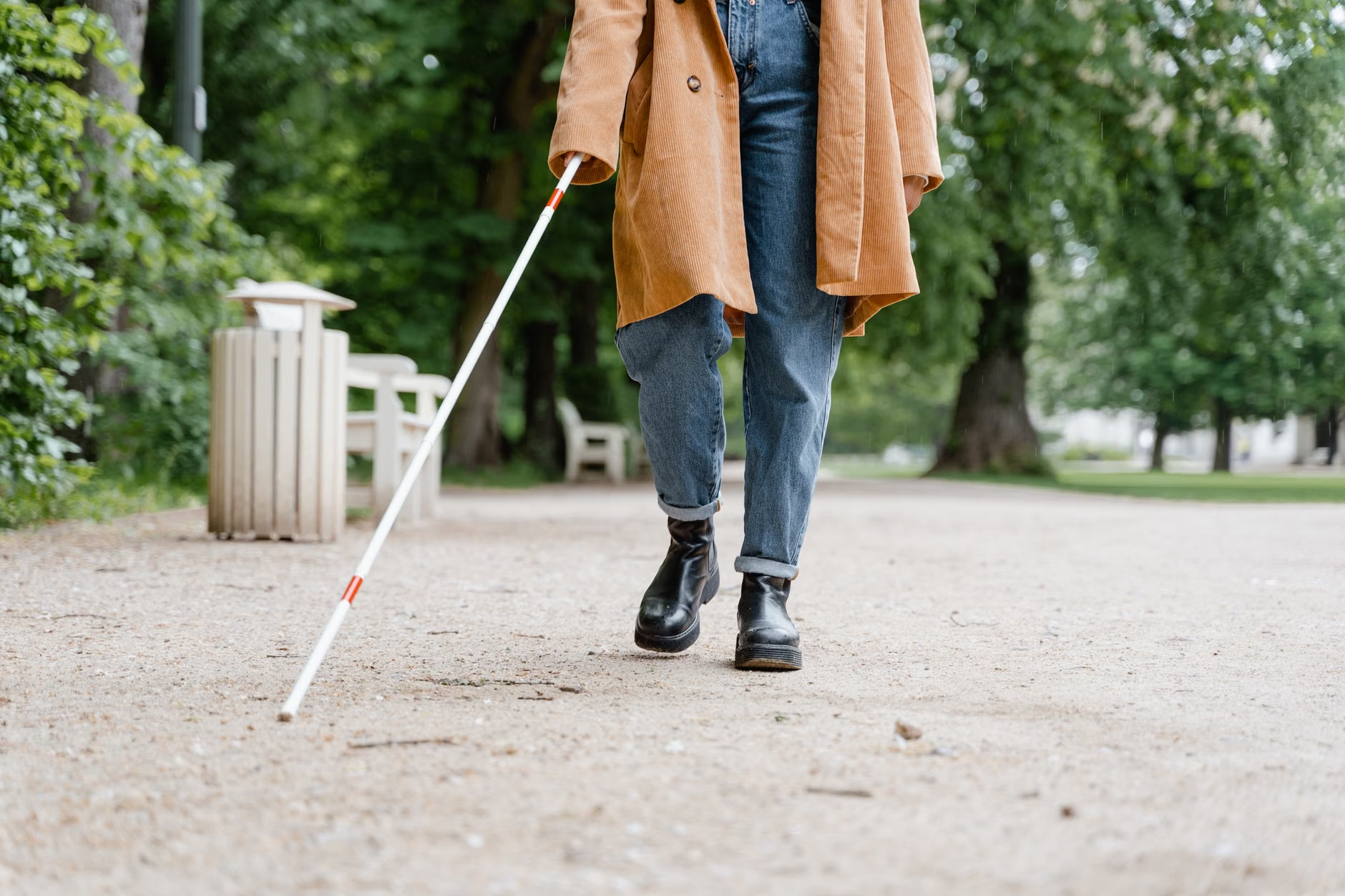
Standard walking shoes are often insufficient for castle terrain. You require footwear with high-traction soles and significant arch support to mitigate the impact of hard, uneven stone surfaces. If you use a cane, ensure it has a rubberized, high-grip tip. Avoid canes with small, plastic tips, as they can slip on polished historical stone floors or slick, wet courtyard surfaces.
Comparing Tour Options: Independent vs. Guided
The choice between an independent visit and a guided tour is not just about preference; it is about safety and logistical efficiency. The table below outlines the trade-offs for different mobility profiles.
| Tour Type | Primary Benefit | Potential Risk | Best For |
|---|---|---|---|
| Independent | Total control over pace and rest stops. | Risk of missing accessible routes or getting lost. | Travelers with mild mobility limitations who prefer a slow pace. |
| Small-Group Guided | Expert knowledge; guides know the “shortcuts.” | Group pressure to keep up with the pace. | Travelers who want deep historical context without navigating maps. |
| Private Accessible Tour | Fully customized to your specific mobility needs. | Higher cost; requires advanced booking. | Travelers with significant mobility or stamina limitations. |
For most seniors, the Small-Group Guided tour is the best middle ground, provided you contact the operator beforehand to disclose your mobility requirements. A reputable operator will often assign a guide who is trained to accommodate slower walking speeds.
Hidden Variables: What Most Guides Ignore
When planning your trip, consider factors that are rarely mentioned in travel guides but have a profound impact on your physical comfort.
1. Temperature Regulation
Stone castles are notorious for being colder than the outside air, even in summer. The “thermal mass” of the stone walls retains cold, which can exacerbate joint stiffness in older adults. Always bring an extra, easily removable layer, even if the weather outside is warm. This prevents the muscle tension that comes from shivering or being cold, which can lead to fatigue.
2. Toilet Accessibility and Distance
In many historical sites, toilets are located in the basement or in a separate building across the courtyard. This can involve navigating stairs or long, uneven paths. Before entering the main site, make it a priority to locate the restroom. Do not assume that because a site is “historic,” the facilities have been modernized to include grab bars or emergency call buttons.
3. Cognitive Fatigue and Signage
Navigating a complex, ancient building is mentally taxing. High-contrast, clear signage is often absent in historic sites to maintain the “authentic” aesthetic. If you have any concerns regarding spatial navigation, download a site map in advance, or use a GPS-based tour app if one is available. This reduces the mental load of finding your way, allowing you to focus on the experience itself.
Preparation Checklist for Your Next Castle Visit
To ensure a safe and enjoyable visit, use this checklist in the two weeks leading up to your trip:
- Direct Contact: Email the castle’s accessibility officer. Ask: “What is the total walking distance from the entrance to the main exhibition?” and “Are there any areas where handrails are absent?”
- Weather Check: Monitor the local forecast for rain. Wet stone is significantly more dangerous than dry stone. If rain is expected, consider rescheduling or opting for a ground-level-only view.
- Medication and Hydration: Keep your medications in a small, secure bag that is easy to access. Carry a reusable water bottle; hydration is crucial for maintaining stamina throughout the day.
- Emergency Plan: Know the location of the nearest medical facility and keep a digital or printed copy of your emergency contact information in your pocket.
Conclusion: The Value of Intentional Exploration
Visiting a historic castle is not about conquering the terrain; it is about experiencing the grandeur of the past. By being intentional about your choices—selecting sites with verified accessibility, managing your pace with the 60-minute rule, and ensuring your equipment is appropriate for the environment—you can mitigate the challenges of aging and focus on the beauty of the architecture. The most successful travelers are those who prioritize their own comfort and safety, recognizing that a shorter, more comfortable visit is far more memorable than a long, exhausting one.
Always remember that your right to accessibility is a fundamental aspect of your travel experience. Do not hesitate to advocate for yourself by requesting breaks, asking for clarification on paths, or opting out of sections that you deem unsafe. Your comfort is the foundation upon which your travel memories are built.
Frequently Asked Questions (FAQ)
1. How do I find out if a castle is truly accessible before I book my trip?
Do not rely solely on the website. Use Google Maps to look at user-submitted photos of the entrance and courtyard. Look for photos of stairs vs. ramps. Most importantly, send an email to the site’s visitor services department asking for their “Accessibility Statement” or a map that highlights elevator locations and step-free routes.
2. What should I do if I find the terrain too difficult once I arrive?
If you find that the path is too uneven or the walking distance is exceeding your capacity, speak immediately to a staff member. Many sites have wheelchairs for rent or can offer a “shortcut” route that skips the most difficult staircases. If no such assistance is available, it is perfectly acceptable to enjoy the courtyard and exterior gardens, which are often the most beautiful parts of the estate, and skip the interior tour.
3. Are there specific countries that are better for accessible historic travel?
Countries with robust public accessibility laws, such as Germany, Austria, and the Netherlands, generally have more modernized infrastructure within their historic sites. However, even within these countries, it varies by site. Always check the official tourism board website for the specific region, as they often have dedicated sections for “Accessible Tourism” that rank sites based on their infrastructure.
For further information on accessibility standards in Europe, you may refer to the European Commission’s guidance on the European Accessibility Act.