- Prioritize Flat Terrain: Historic sites often feature uneven cobblestones; seek out “accessible routes” on official websites to identify paths with smooth paving or ramps.
- Manage Stamina Through “Micro-Breaks”: Plan your visits around the availability of seating and shaded areas, aiming for a 45-minute activity limit followed by a 15-minute rest.
- Verify Real-Time Accessibility: Never assume a site is wheelchair or walker-friendly based on photos; call or check the specific “Accessibility & Facilities” page for details on lift functionality and toilet proximity.
Historic plazas and garden walks are the soul of many cities worldwide. They offer a window into the past, allowing travelers to experience architectural grandeur and botanical beauty at a slower, more deliberate pace. However, for the active senior traveler, these sites can present hidden challenges—from uneven terrain and steep inclines to a lack of seating and limited restroom access. This guide explores how to select, prepare for, and enjoy historic sites while prioritizing safety, comfort, and independence.
Evaluating the Accessibility of Historic Sites
The term “accessible” is often used broadly in travel brochures, but it rarely means the same thing for every traveler. Before booking a trip, you must look beyond promotional language to find concrete details about the site’s physical environment. Historic sites are often protected by heritage laws, which may limit the installation of modern accessibility features like elevators or smooth paving.
The “Three-Pillar” Assessment Method: When researching a location, evaluate it based on these three criteria:
- Surface Integrity: Are the paths paved, gravel, or original cobblestones? Cobblestones are notorious for causing trips and putting unnecessary strain on joints.
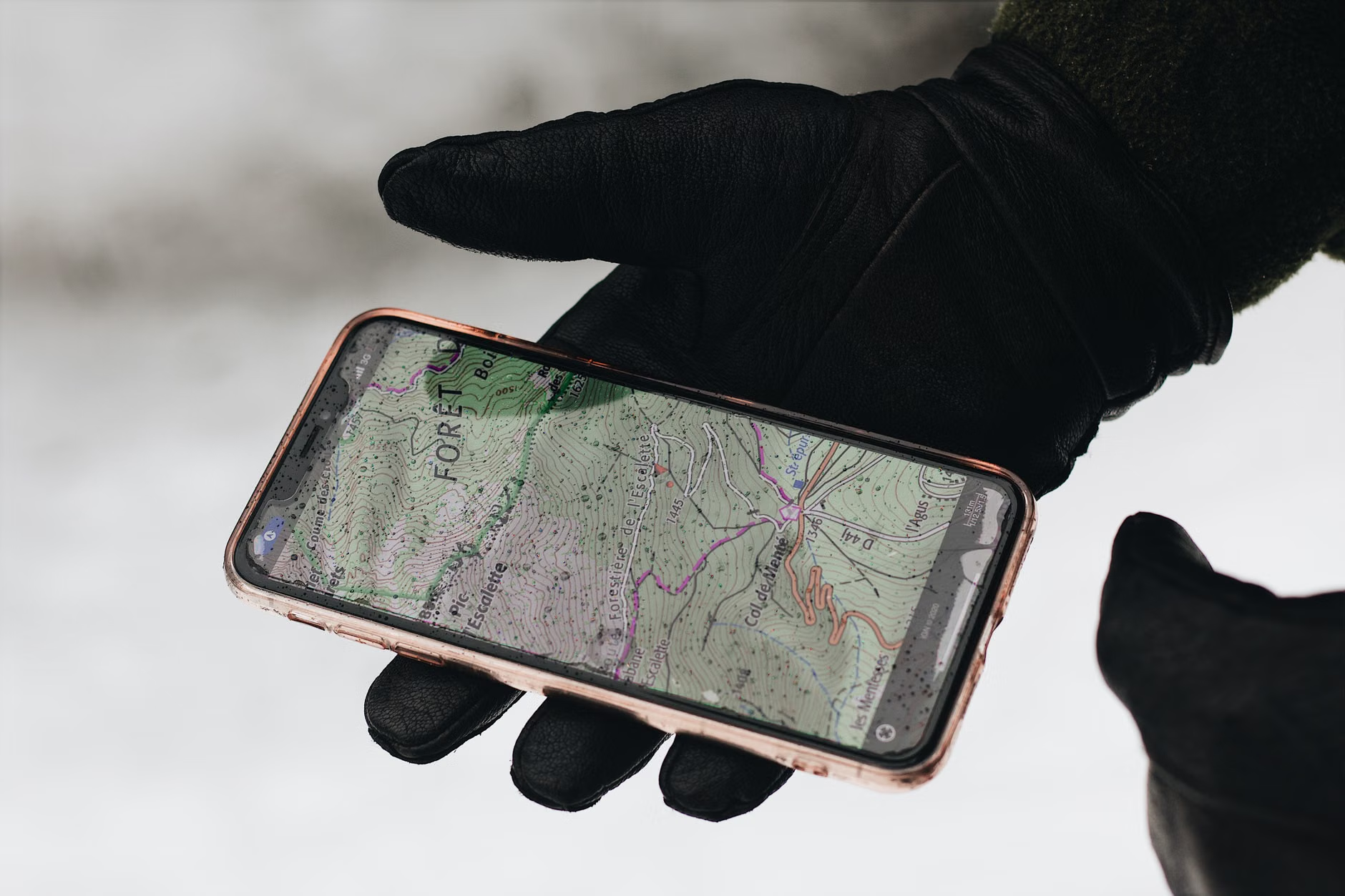
- Slope and Elevation: Historic plazas are often built on hills for defensive or aesthetic reasons. Check for topographical maps or “elevation profiles” on sites like Google Maps or local tourism portals.
- Facility Proximity: How far is the nearest accessible restroom from the main entrance? A beautiful garden is less enjoyable if the facilities are a 20-minute walk away across difficult terrain.
Practical Step: Before committing to a site, use “Street View” features on digital mapping tools to virtually walk the path. Look for curbs, steep stairs, and the quality of the pavement. If the path looks like loose gravel or large, uneven stones, consider whether your current mobility aids (or your balance) are suited for that environment.
Planning Your Daily Itinerary for Maximum Comfort
One of the most common mistakes travelers make is over-scheduling. In the context of historic travel, “less is more.” A single, high-quality experience that allows for lingering is far superior to a rushed tour of three different plazas that leaves you exhausted and unable to enjoy dinner.
The 45-15 Rule: For most adults aged 60 to 80, a sustainable pacing strategy is the 45-15 rule. For every 45 minutes of walking or standing, plan for 15 minutes of seated rest. This helps manage fatigue before it leads to physical strain or increased fall risk.
Designing Your Daily Schedule
| Time Block | Activity Type | Focus |
|---|---|---|
| Morning (09:00 – 11:00) | Primary Sightseeing | Visit the most strenuous site while energy levels are highest. |
| Mid-day (11:00 – 13:00) | Leisurely Lunch & Rest | Find a café with accessible indoor seating; avoid “grab-and-go” meals. |
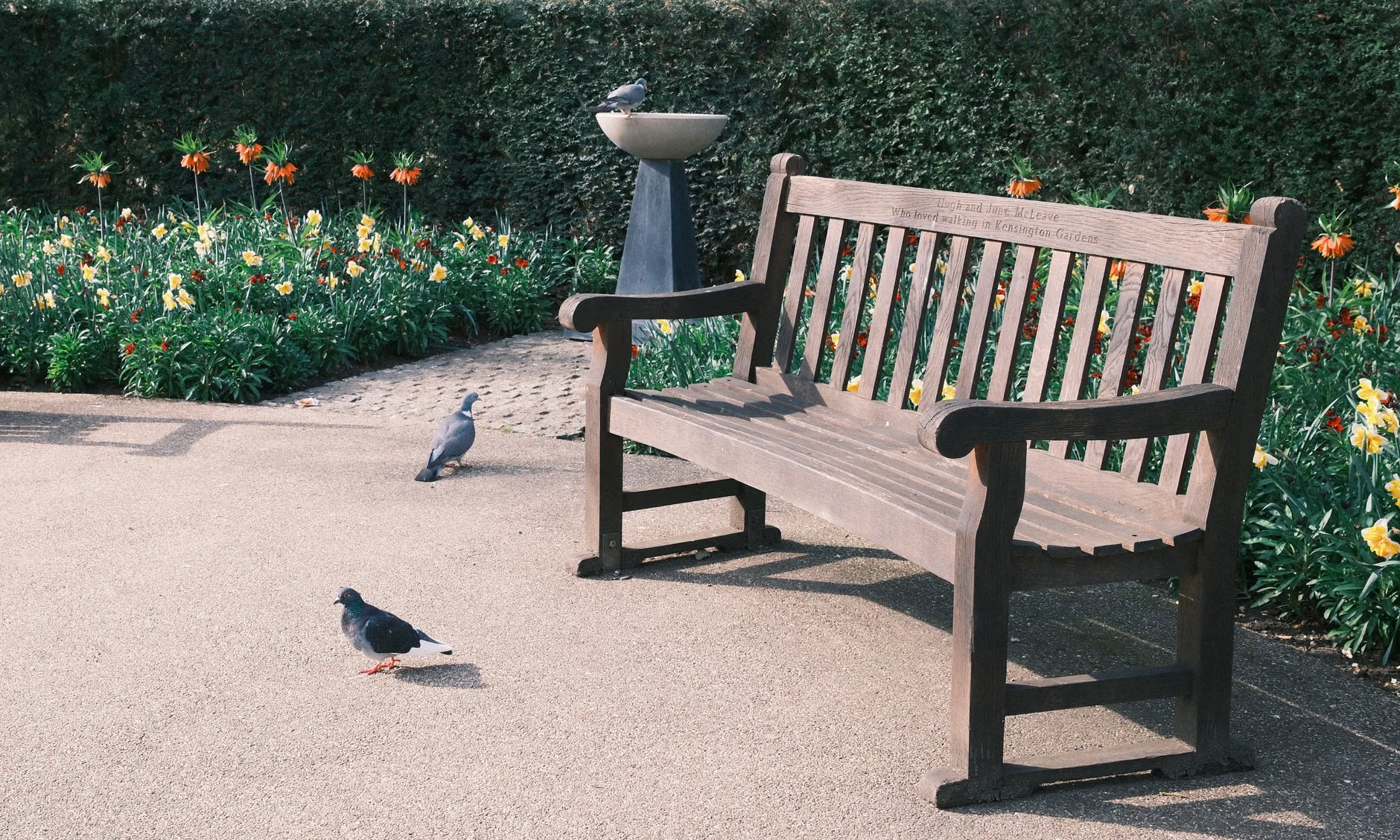
| Afternoon (13:00 – 15:00) | Low-Impact Activity | Choose a location with high seating density (benches, garden chairs). |
When selecting your afternoon activity, look for “Garden Walks” rather than “Plaza Tours.” Gardens generally have more frequent seating and softer, more forgiving ground surfaces compared to the hard, often sloped, stone surfaces of public plazas.
Essential Gear and Mobility Aids for Historic Environments
Your choice of footwear and gear is your first line of defense against injury. Many historic sites require significant walking on hard surfaces, which can lead to foot fatigue and joint pain.
Footwear Checklist:
- Supportive Insoles: Even if your shoes are comfortable for daily errands, consider professional orthotic insoles for travel to provide extra cushioning for cobblestones.
- Traction: Look for rubberized outsoles with a tread pattern. Leather soles are a significant fall hazard on smooth, wet, or uneven historic surfaces.
- Break-in Period: Never wear new shoes for the first time on a trip. Wear them for at least two weeks of daily activity to ensure they don’t cause blisters.
Mobility Aids: If you use a cane or walker, look for models with “all-terrain” tips. These provide a wider base and better grip on uneven historic paving. If you are considering a transport chair, verify that the historic site has wide enough gates and ramps; some older, narrow doorways in historic buildings simply cannot accommodate larger mobility devices.
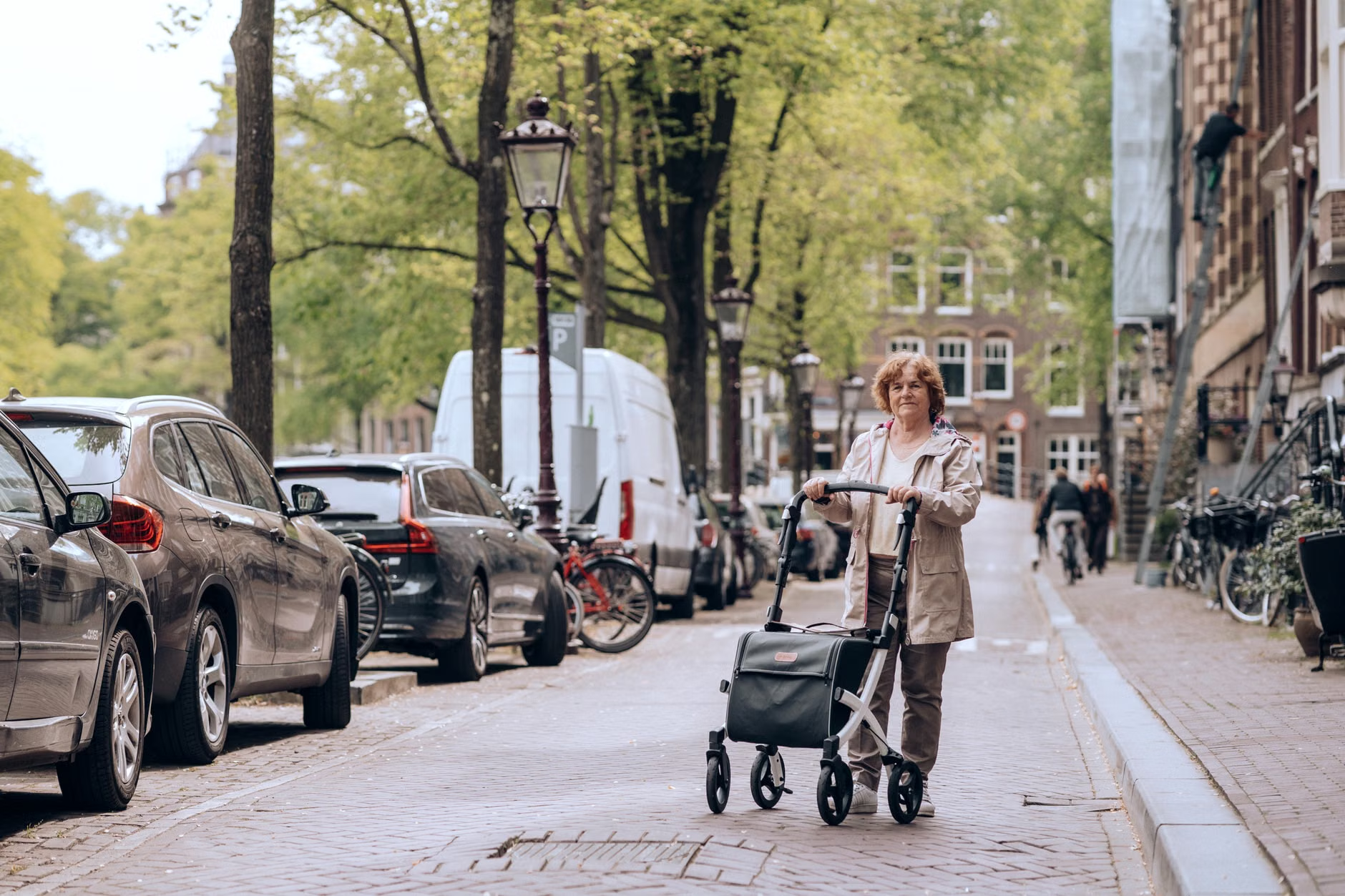
Reaching a historic plaza is often half the battle. In many European and Asian historic districts, vehicle access is restricted. This means you may be dropped off several blocks away from your actual destination.
The “Last Mile” Strategy:
Always research the “drop-off point” for taxis or ride-shares. If the central plaza is pedestrian-only, look for the closest point where a vehicle can legally stop. Use this as your starting point, and confirm the distance from there to the plaza entrance. If that distance exceeds your comfort level, check if the city offers “mini-bus” or “shuttle” services that serve the historic core.
Public Transport Tips:
- Check for Lift Maintenance: In cities with extensive metro systems, lifts are frequently out of service for maintenance. Check the transit authority’s website or app on the morning of your travel to ensure the elevators at your destination station are operational.
- Avoid Peak Hours: Traveling between 07:30–09:30 and 17:00–18:30 in major cities can make accessing public transport more difficult due to crowds, which increases the risk of accidental bumps or falls.
Health Maintenance and Risk Prevention
Travel naturally involves changes in diet, sleep, and physical exertion. For older adults, these changes can affect blood pressure, blood sugar, and overall stamina. Maintaining your routine is the best way to prevent health issues from turning into emergencies.
Managing Hydration and Nutrition:
Historic sites often lack accessible water fountains. Carry a reusable, lightweight water bottle and refill it at your hotel or a restaurant before entering a site. Dehydration is a common, overlooked cause of dizziness and fatigue in older travelers, especially in sunny, open plazas with little shade.
Documentation and Medication:
Keep a “Travel Health Card” in your wallet. This should include:
- A list of current medications and dosages.
- Any known allergies.
- Emergency contact information for a family member and your primary care physician.
- The address of the nearest hospital to your accommodation.
If you take medication at specific times, set a digital alarm on your phone. The excitement of travel can easily lead to skipping doses, which can have significant effects on your well-being.
Advanced Insights: The “Hidden” Variables of Historic Travel
Beyond the obvious concerns of stairs and slopes, there are several “hidden” variables that experienced senior travelers monitor. Understanding these can be the difference between a successful trip and a stressful one.
The Impact of Weather on Infrastructure:
Historic stone surfaces become extremely slippery when wet. If you are traveling to a location with a high probability of rain, prioritize sites that offer covered colonnades or indoor museums attached to the gardens. Furthermore, high heat in unshaded plazas can lead to rapid fatigue; always check the “shade index” of a destination. If a plaza has no trees or structures to provide shade, visit during the early morning or late afternoon.
Restroom Availability:
In many countries, public restrooms in historic sites are gated or require a specific coin/card for entry. Always carry a small amount of local currency in coins for this purpose. Furthermore, don’t assume that “restroom” on a map means “accessible.” Research the specific facility to see if it has grab bars and enough space for a mobility aid. Official municipal tourism websites usually have an “accessibility” section that lists the status of public toilets.
The “Cobblestone Fatigue” Phenomenon:
Walking on uneven surfaces requires more core stability and constant micro-adjustments from your ankles and knees than walking on flat concrete. This leads to faster muscle fatigue. If you have a history of joint issues, limit your exposure to cobblestone areas to no more than 30 minutes at a time. After this, transition to a “flat-surface” activity, such as sitting in a museum or a park with paved paths, to allow your muscles to recover.
Practical Preparation Checklist
Before you depart, complete this final checklist to ensure you are ready for the terrain:
- Verify the Route: Have you checked the specific path from the drop-off point to the plaza entrance on a satellite map?
- Check Seating: Have you identified at least two potential rest spots (cafés or benches) along your planned route?
- Confirm Facilities: Do you know the location of the nearest accessible restroom?
- Prepare Your Gear: Are your shoes tested and your mobility aid in good working order?
- Emergency Plan: Do you have your Health Card and the address of a local clinic saved in your phone?
Conclusion: The Value of Deliberate Travel
Traveling to historic plazas and gardens should be an enriching experience, not a test of endurance. By proactively evaluating the terrain, pacing your activities, and preparing for the specific challenges of historic environments, you can enjoy these cultural treasures with confidence and ease. The goal is to maximize your engagement with the history and beauty of the site while minimizing the physical toll on your body. Remember, the best traveler is not the one who sees the most, but the one who experiences their chosen destinations with the most comfort and clarity.
For further information on accessibility standards, you may wish to consult the World Health Organization’s resources on age-friendly environments, which provide a foundation for understanding how urban spaces can better serve older populations.
Frequently Asked Questions
1. How can I find out if a historic site is truly wheelchair or walker-friendly before I arrive?
Do not rely solely on third-party travel blogs. Visit the official website of the historic site or the local municipal tourism board. Look for a page titled “Accessibility,” “Visitor Information,” or “Facilities.” If the information is vague, contact their visitor services department directly via email and ask specifically: “Is the path to the main square paved, and are there any steps or steep inclines I should be aware of?”
2. What should I do if I find myself exhausted in the middle of a large historic site?
Look for the nearest “non-tourist” space. Often, smaller local shops, pharmacies, or quiet side-street cafés are better for resting than the main tourist-heavy plazas. If you are in a large garden, look for maintenance staff or security personnel; they can often point you to the nearest exit or a shorter, less-trafficked path back to transport.
3. Are there specific countries that are generally better for accessible historic travel?
While accessibility varies by city rather than country, nations that have invested heavily in urban renewal often integrate accessibility into their historic districts. Countries like the Netherlands, Denmark, and parts of Germany often have high standards for “universal design” in public spaces. However, even in these countries, historic sites may have limitations. Always research the specific city’s “Accessibility Map,” which many modern cities now provide as a digital resource for tourists.