Key Takeaways
- Digital culinary groups act as living archives that preserve cultural heritage while providing seniors with a platform to share expertise.
- Cognitive and social health are bolstered by the combination of community engagement, historical research, and the sensory stimulation of cooking.
- Effective participation requires a balance of digital literacy, safety protocols for sharing personal information, and a structured approach to documenting family history.
The Intersection of Memory, Food, and Technology
For many adults aged 60 to 80, the kitchen has long been the heart of the home—a space where recipes are not just instructions, but vessels for family lore and cultural identity. In recent years, the rise of digital culinary-history groups has transformed this private, domestic activity into a vibrant public pursuit. These online communities, ranging from Facebook groups dedicated to “Vintage Recipes” to specialized forums on platforms like Reddit or dedicated genealogy-cooking websites, offer more than just a place to swap tips. They serve as essential hubs for cognitive stimulation and social connection.
The social value of these groups lies in their ability to bridge the gap between generations. When a senior shares the history behind a dish—the “why” of a specific technique or the “when” of a regional celebration—they are providing context that a standard cookbook cannot offer. This exchange of knowledge fosters a sense of purpose and belonging, which is critical for maintaining mental wellbeing in later life.
Why Culinary History Matters for Cognitive Health
Engaging with culinary history is a multi-sensory exercise that activates various cognitive functions. When you participate in a digital group, you are not just reading; you are analyzing, recalling, and synthesizing information. This process involves:
- Memory Retrieval: Recalling the precise steps of a recipe learned decades ago stimulates neural pathways associated with long-term memory.
- Research and Documentation: Verifying the origins of a dish or understanding how ingredients have changed over the last 50 years requires critical thinking and information literacy.
- Social Interaction: Communicating with fellow enthusiasts, managing comments, and participating in group discussions helps combat the isolation that can sometimes accompany retirement.
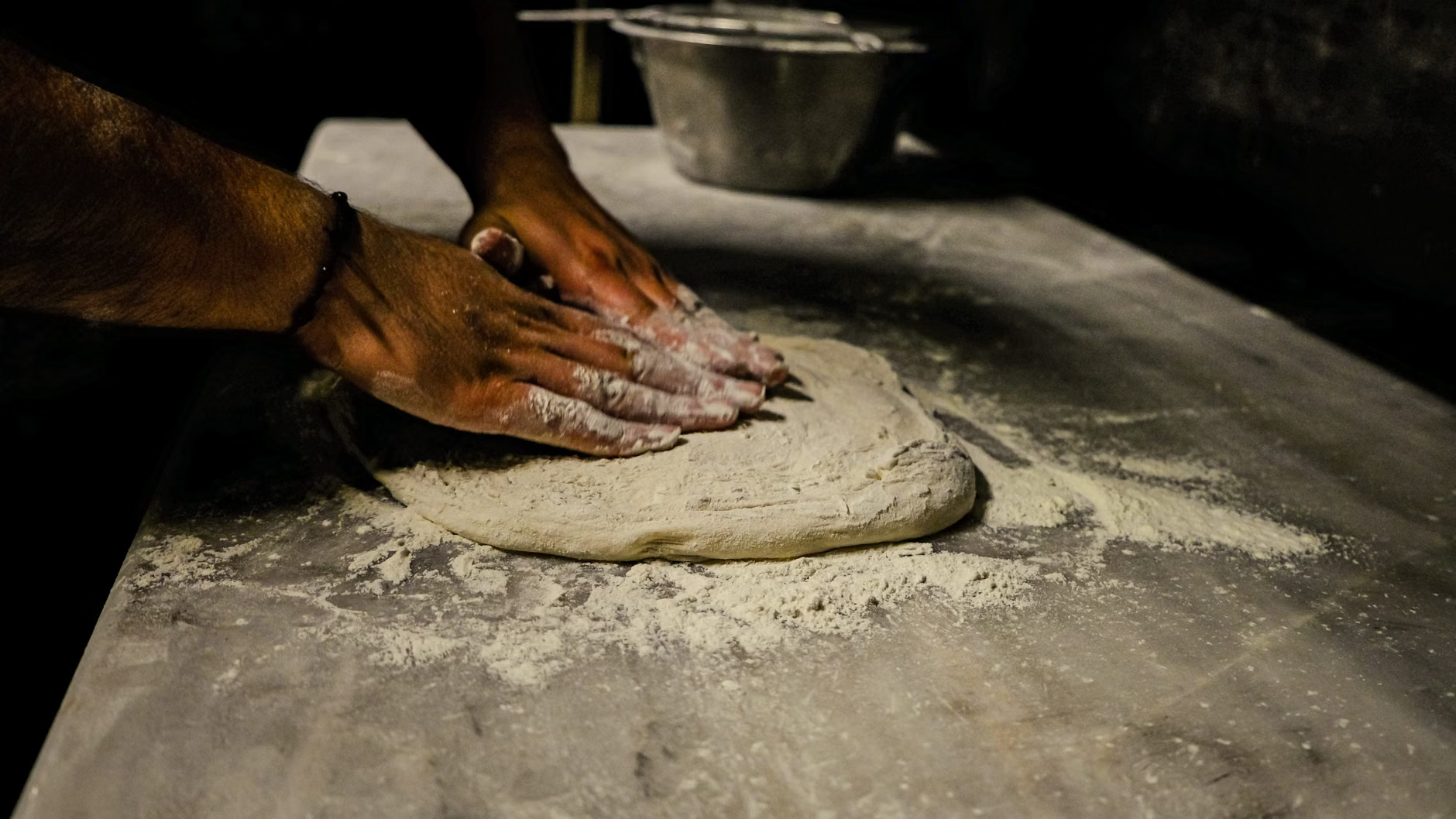
Research into “reminiscence therapy” suggests that reflecting on past experiences—often triggered by sensory cues like the smell of baking or the sight of a handwritten recipe card—can significantly improve mood and cognitive function in older adults. Digital culinary groups provide a modern, interactive framework for this therapy, allowing you to share these reminiscences with an audience that values them.
Not all digital spaces are created equal. The effectiveness of a group depends on its moderation, its focus, and the culture of its members. When choosing a group to join, consider the following criteria to ensure a positive experience.
| Group Type | Best For | Primary Focus |
|---|---|---|
| Public Social Media Groups | General discussion & quick tips | Broad, casual, high-volume interaction |
| Academic/Genealogy Forums | Deep historical research | Accuracy, documentation, archival value |
| Private Family/Friend Circles | Preserving personal legacy | Deep connection, safety, privacy |
If you are looking for a community that prioritizes historical accuracy, look for groups that require citations or photographic evidence of original recipe books. These groups are often more satisfying for those who enjoy the “detective work” of culinary history. Conversely, if you prefer a social, supportive environment, larger Facebook-style groups may be more suitable. Always prioritize your digital safety by never sharing sensitive personal information like your home address, phone number, or financial details in these forums.
The Practical Steps of Digital Curation
Contributing to these groups effectively goes beyond simply posting a photo. To provide real value to the community, consider a structured approach to your submissions. This not only preserves the information better but also makes your contributions more engaging for others.
1. Documenting the Context
A recipe is incomplete without its story. When you share a recipe, include the “who, when, and where.” Was this a dish your grandmother made during the winter months? Was it a staple of a specific cultural community you grew up in? This context is what transforms a simple list of ingredients into a piece of history.
2. Digitizing Your Archives
If you have physical recipe cards, consider using a smartphone app to scan them. This creates a digital backup that is easier to share and protects your original documents from wear and tear. Ensure your photos are well-lit and that the text is legible, as this is the most common barrier to participation for others in the group.
3. Engaging with Others’ Contributions
The “social” aspect of these groups is a two-way street. When you comment on someone else’s post, offer constructive feedback or share a similar experience. This helps build the community dynamic and often leads to deeper discussions about culinary techniques that have evolved over time.
Challenges and How to Overcome Them
While digital communities offer many benefits, they also present potential hurdles. Technical frustration is a common barrier. If you find the interface of a particular platform difficult to navigate, do not hesitate to ask for help from a family member, or look for video tutorials on platforms like YouTube that explain how to use specific social media features.
Another challenge is the “noise” of online forums. Misinformation or overly aggressive debating can occur. Develop a clear boundary for yourself: if a discussion becomes toxic or deviates from your goal of historical preservation, use the “mute” or “block” functions. Your time is valuable; focus on the groups and threads that provide you with intellectual stimulation and joy.
The Long-Term Impact: Why This Matters
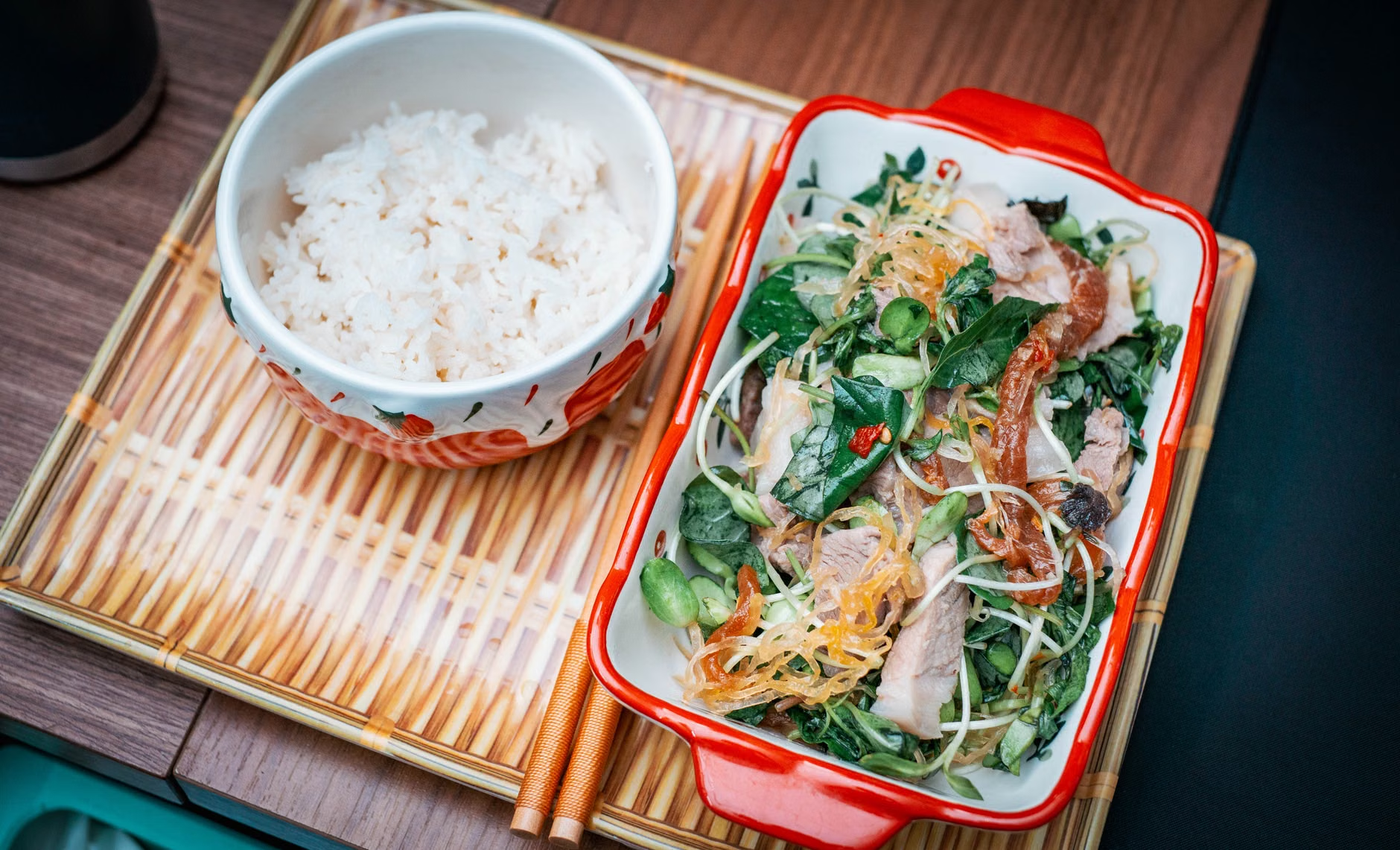
By participating in these groups, you are acting as an informal historian. Many regional recipes and techniques are at risk of being lost as modern cooking methods and processed foods become more prevalent. Your efforts to document and share these traditions ensure that they continue to exist for future generations. This sense of contributing to a larger legacy is a powerful antidote to feelings of obsolescence that some older adults encounter in a rapidly digitizing world.
Furthermore, the act of cooking remains a critical daily habit. By keeping your culinary skills sharp and your interest in food history alive, you are more likely to continue preparing healthy, home-cooked meals, which is a cornerstone of long-term physical wellbeing. The social connection provided by the digital group acts as the “glue” that keeps you motivated to keep cooking, researching, and sharing.
Practical Decision Framework for New Members
If you are considering joining a new group today, use this simple decision matrix:
- Is the group active? Check the date of the most recent post. If it has been dormant for months, look elsewhere.
- Is the moderation clear? Do they have rules about civil discourse? A well-moderated group is almost always a better environment for sustained participation.
- Does it align with your interest level? If you want to focus on 19th-century baking, don’t waste time in a general “what’s for dinner” group. Search for niche communities.
Conclusion: Take the First Step
The digital culinary-history landscape is vast, and your unique experiences and recipes are valuable assets. Whether you are a master of sourdough, an expert in family traditions, or simply someone who enjoys the history behind a good meal, there is a place for you in these communities. Start by searching for a specific topic you are passionate about—such as “regional bread history” or “family heirloom recipe preservation”—and observe the community before diving in. Your contribution could be the missing piece of the puzzle for someone else’s research, just as their stories might help you rediscover a forgotten family tradition.
Frequently Asked Questions
1. I am worried about the privacy of my family recipes; how can I share them safely?
You can share the core of the recipe without revealing private family names or specific locations. Focus on the technique and the history of the dish rather than personal identifiers. Always check the group’s privacy settings before posting.
2. What if I am not very tech-savvy?
Most platforms like Facebook or specialized forums have very intuitive interfaces. Start by simply observing and reading posts for a few days to get a feel for how members interact. There is no pressure to post immediately.
3. Are these groups reliable sources for historical facts?
While many participants are knowledgeable, treat these groups as starting points for your own research. If you find an interesting historical claim, use it as a prompt to verify the information through library archives or reputable culinary history websites. Official resources like the Culinary Historians of New York or international equivalents can provide more rigorous academic support.
Disclaimer: This article is for informational purposes only and does not constitute medical or nutritional advice. Always consult with a healthcare professional regarding dietary changes or health concerns.