- Prioritize Infrastructure: Always verify if a tower offers a lift or elevator; historic sites often rely on narrow, winding stone stairs that pose significant fall risks.
- Assess Your Stamina: Even with elevators, clock towers often involve uneven flooring, high-threshold doorways, and limited seating at observation levels.
- Verification is Vital: Never rely on general “accessible” labels; contact site management directly to confirm the width of elevator doors and the presence of accessible restrooms.
Understanding the Reality of Historic Clock Tower Accessibility
Historic clock towers are architectural marvels, but they were rarely designed with modern accessibility standards in mind. For travelers aged 60 to 80, the appeal of a panoramic city view from a centuries-old belfry must be balanced against the physical reality of the site’s layout. Many of these structures were built before the invention of electric elevators, resulting in narrow, steep, and uneven spiral staircases that can be challenging for even the most active seniors.
When planning a visit, it is essential to distinguish between “sightseeing from the ground” and “climbing the tower.” Many sites offer excellent ground-floor museum experiences, digital virtual tours, or lower-level observation decks that provide the full historical experience without the need to navigate hundreds of steps. Understanding your own physical limits—specifically regarding balance, joint health, and endurance—is the first step in selecting a tour that is both enjoyable and safe.
Evaluating Physical Demands and Mobility Requirements
Before booking a ticket, you must conduct a personal “mobility audit” of the site. Not all accessibility is equal. Some towers may have an elevator that only goes two-thirds of the way up, leaving the final climb to the observation deck via a ladder-like staircase. Other sites may be accessible by wheelchair but lack the space for a walker or a cane to be used comfortably in narrow corridors.
The “Staircase vs. Lift” Decision Matrix
Use this table to determine if a specific tour meets your mobility profile:
| Feature | Accessibility Level | Recommendation |
|---|---|---|
| Full-height elevator | High | Suitable for those with limited endurance or balance issues. |
| Partial lift + stairs | Moderate | Requires full ability to navigate stairs safely; verify the number of steps. |
| Stairs only | Low | Not recommended if you have chronic knee, hip, or balance conditions. |
When looking at these options, consider the “Hidden Effort” factor. Even if a lift is available, you may still need to navigate cobblestone paths to reach the entrance or manage heavy manual doors. Always check the official website for an “Accessibility” or “Visitor Information” tab, which often lists the exact number of steps and the dimensions of the elevator car.

Step-by-Step Planning for a Safe Visit
To ensure your experience is stress-free, follow this systematic approach to travel planning. Preparation is the key to preventing fatigue and ensuring you can enjoy the destination without compromising your health.
- Direct Inquiry: Send an email to the site administrator two weeks before your visit. Ask specific questions: “Are there any thresholds higher than two centimeters?” or “Is there a place to sit and rest at every level of the tower?”
- Time-of-Day Selection: Choose off-peak times, such as mid-morning on a weekday. This avoids the crush of tourists, allowing you to move at your own pace without feeling pressured by crowds.
- Check Local Transport: Research how far the nearest accessible public transport stop is from the tower entrance. A long walk from a train station can deplete your stamina before you even reach the tower.
- Document Your Needs: If you require assistance, carry a printed note in the local language explaining your needs, such as “I need a seat to rest” or “Is there an elevator?”
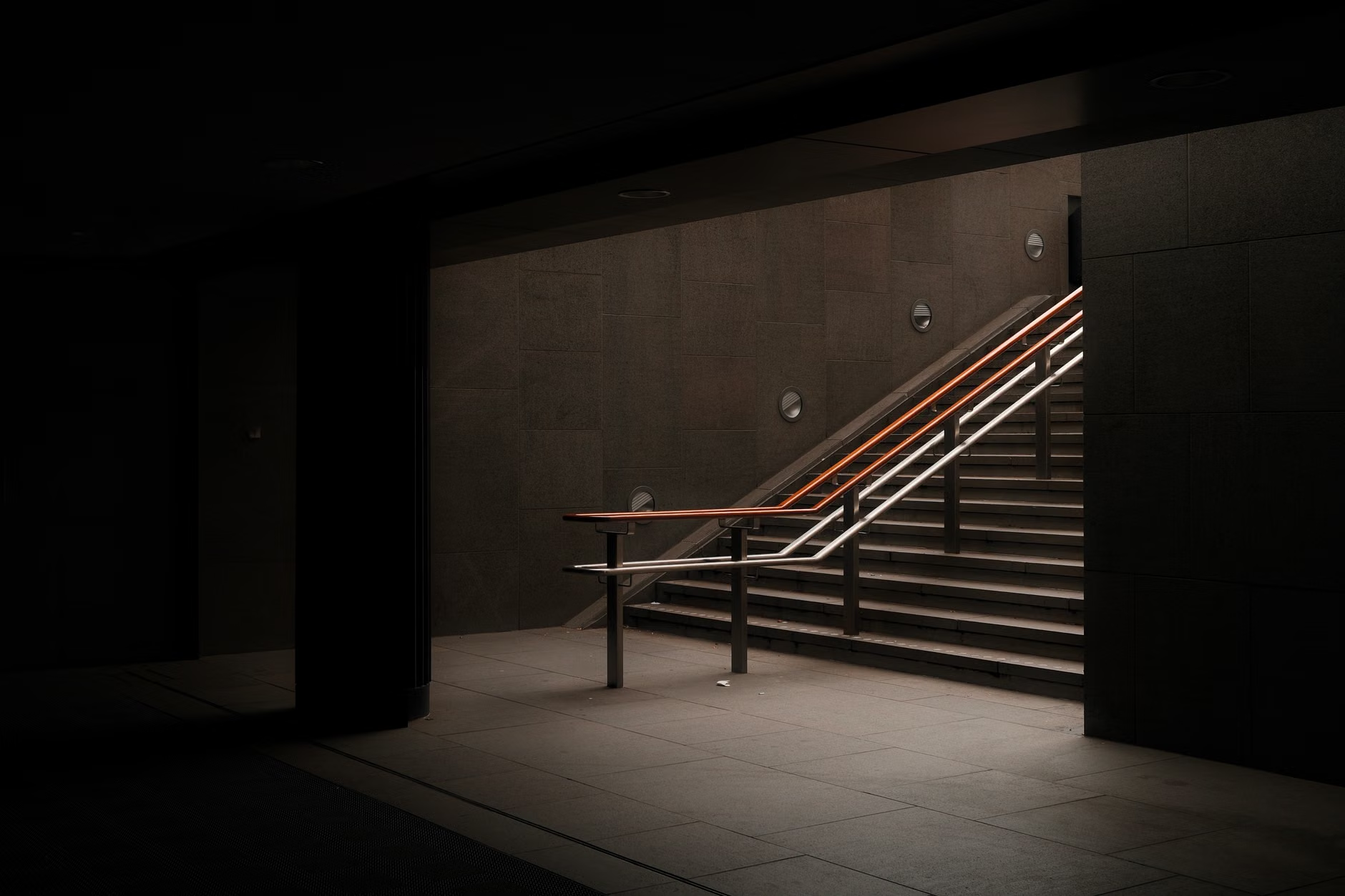
For older adults, the primary risks associated with historic towers are related to sudden changes in elevation, temperature fluctuations, and environmental hazards. Historic sites often have poor climate control, meaning the air at the top of a stone tower can be significantly colder or more humid than at ground level. Furthermore, the lighting in older stairwells or internal corridors is often dim, which can exacerbate vision issues or increase the risk of stumbling.
Hydration and Pacing: Altitude changes, even within a clock tower, can affect blood pressure and oxygen levels in some individuals. Keep a bottle of water with you at all times. If you feel lightheaded, do not attempt to continue upward. Most sites have emergency protocols—ensure you know where the staff stations are located.
Footwear and Gear: Wear supportive, non-slip footwear. Avoid sandals or shoes with high heels, as stone floors in historic buildings are often uneven, worn, or slippery. If you use a walking aid, ensure it has a rubber tip in good condition to provide maximum traction on stone or wooden surfaces.
Alternative Ways to Experience Historic Towers
If a tower’s physical layout is beyond your current comfort zone, you do not have to miss out on the experience. Many modern heritage sites have invested in “inclusive tourism” technology.
Virtual and Ground-Level Alternatives
- Augmented Reality (AR) Tours: Some sites provide tablets that show the view from the top of the tower while you stand on the ground floor, overlaying the historical context in real-time.
- Ground-Floor Museums: Many clock towers are part of a larger complex. Often, the ground-level museum contains identical clock mechanisms, historical photos, and interactive displays that allow you to engage with the site’s history without the climb.
- Live-Streamed Feeds: Check the site’s website; many offer live camera feeds from the top of the tower, allowing you to enjoy the view from a comfortable seat in a nearby café.
Insights on Managing Expectations and Stamina
A common mistake is overestimating one’s stamina because of a “good day.” Travel, by nature, involves more walking and standing than your typical daily routine at home. It is often wise to treat a visit to a clock tower as your primary activity for the day. Do not schedule a museum tour, a lengthy walking tour, and a tower climb in the same 24-hour period.
The “Rest-First” Rule: Plan your rest periods before you start moving. Look at a map of the area and identify three potential places to sit: a park bench, a café, or even a quiet corner in a nearby church. If you find yourself getting tired, use these locations proactively rather than waiting until you are exhausted.
Practical Checklist for Your Visit
Before you leave your accommodation, perform this final check:
- [ ] Tickets: Are they pre-booked to avoid standing in long queues?
- [ ] Medication: Do you have your essential medication in your day bag?
- [ ] Comfort: Have you checked the weather? (High winds can make tower balconies uncomfortable).
- [ ] Communication: Do you have the contact information for the site in case you need to find an elevator operator?
Conclusion: Selecting with Confidence
Selecting an accessible historic clock tower tour is about more than just finding an elevator; it is about creating a travel experience that respects your physical needs while honoring your desire to explore the world. By prioritizing sites with verified accessibility, pacing your activities, and utilizing modern alternatives when necessary, you can enjoy these architectural treasures without undue stress. Remember, the goal of travel is enrichment, not endurance. Choose the path that allows you to remain comfortable and safe, and you will find that the history of the world is far more accessible than you might have imagined.
Frequently Asked Questions (FAQ)
1. How can I confirm if a historic tower is truly wheelchair accessible?
Do not rely on the term “accessible” on travel websites, as it is often used loosely. Call or email the venue directly and ask: “Is the elevator door wide enough for a standard wheelchair?” and “Does the elevator provide access to the highest observation deck?” If they cannot answer these specifics, check local government tourism websites which often provide standardized accessibility ratings.
2. What should I do if I feel dizzy or exhausted while inside the tower?
Most historic towers have staff stationed at various levels. Immediately inform a staff member that you need to rest or that you need assistance to descend. If you are alone, find a bench or a wall to lean against, stay seated, and signal a staff member or another visitor for help. It is better to prioritize your health and descend early than to push through discomfort.
3. Are there any specific times of the year that are better for visiting historic sites?
Spring and autumn are generally the best times. During these seasons, temperatures are moderate, which prevents the heat exhaustion that can occur in stone towers during summer. Furthermore, these “shoulder seasons” typically see fewer crowds, meaning you will have more space to move and more opportunities to find seating without feeling rushed by other visitors.
For further information on accessible travel standards, you may refer to the European Network for Accessible Tourism (ENAT), which provides resources and guidance on inclusive travel practices globally.