- The 2026 global standards prioritize “Age-Inclusive Design,” ensuring devices offer larger text, higher contrast, and simplified interfaces for users aged 60+.
- New regulations mandate higher accuracy for biometric sensors (heart rate, fall detection) specifically tested on older skin types and movement patterns.
- Standardized data-sharing protocols will allow users to securely export their health trends directly to their primary care physician’s electronic health record (EHR) system.
By 2026, the landscape of wearable health technology will shift from general-purpose fitness tracking toward specialized, medically-validated tools designed for the specific physiological and accessibility needs of older adults. For those aged 60 to 80, this represents a transition from “gadgets” to “health partners” that are more reliable, easier to use, and better integrated into the professional medical care system.
The Evolution of Wearable Standards: Why 2026 Matters
Historically, wearable devices were built primarily for young, active demographics. This led to common frustrations among older users, such as screens that were difficult to read in sunlight, sensors that struggled with thinner skin, or interfaces cluttered with irrelevant social features. The 2026 global standards, currently being finalized by international health and technology consortiums, aim to fix these gaps.
These standards do not just suggest improvements; they set benchmarks for hardware manufacturers regarding human-computer interaction (HCI) and sensor sensitivity. For the user, this means that a device purchased in 2026 will be legally or industry-certified to meet specific requirements for legibility, ease of charging, and sensor accuracy that were previously optional.
What “Age-Inclusive” Means for Hardware Design
The core of the 2026 standard is the “Universal Design for Aging” framework. This focuses on three critical hardware areas:
- Tactile and Visual Feedback: Devices must support high-contrast modes and font sizes that meet specific accessibility ratios. Haptic feedback (vibrations) must be adjustable in intensity to ensure they are felt by users with reduced tactile sensitivity.
- Physical Handling: Charging ports and straps must be designed for users with varying levels of manual dexterity or arthritis. Magnetic, “click-to-lock” connectors will become the default over fiddly micro-USB or pin-based systems.
- Simplified Navigation: The standard mandates a “One-Touch” or “Voice-First” navigation option, reducing the reliance on complex, multi-layer touchscreen menus that can be difficult to navigate for those with minor tremors or vision loss.
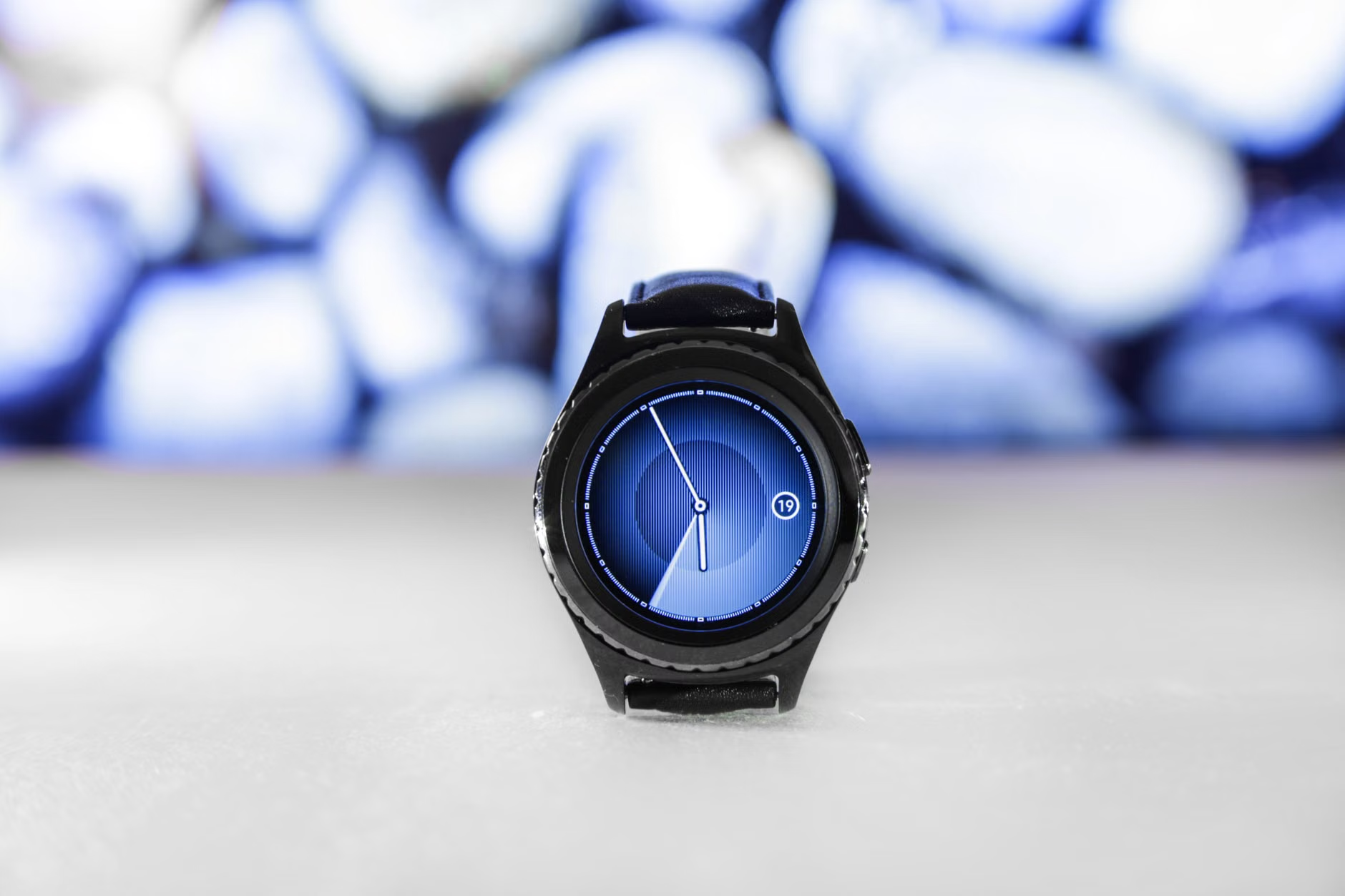
Accuracy Standards: Beyond Basic Step Counting
One of the most significant changes in 2026 is the requirement for clinical-grade validation of biometric sensors. In the past, many devices provided “estimates” that were often inaccurate for older adults due to changes in skin elasticity, circulation, or resting heart rate patterns.
Sensor Calibration and Skin Sensitivity
The new standards require manufacturers to conduct clinical trials that include participants aged 65 and older. This is crucial because standard optical heart-rate sensors often struggle with skin that is thinner or has lower melanin levels—common occurrences as we age. By 2026, you can expect devices to provide significantly more accurate readings for:
- Heart Rate Variability (HRV): A key indicator of nervous system health and stress recovery.
- Fall Detection Sensitivity: The algorithms will be trained to differentiate between a sudden, accidental fall and the natural, slower-paced movements of an older adult, drastically reducing “false alarms” that plague current devices.
- Oxygen Saturation (SpO2): Enhanced accuracy for monitoring respiratory health during sleep or moderate exercise.
Practical Decision Rule: When selecting a device after 2026, look for the “Clinical-Grade Certified” label. This indicates the device has passed the specific accuracy benchmarks for the 60+ demographic, rather than just the general consumer population.
Data Integration: Connecting Your Watch to Your Doctor
Perhaps the most transformative aspect of the 2026 standards is the “Interoperability Mandate.” Currently, your health data often stays trapped inside a proprietary app. The 2026 standards require that wearables provide a standardized, secure format for exporting health summaries.
How to Prepare for Your Next Appointment
The goal of these standards is to make your wearable data a legitimate part of your medical history. Here is how you can use this in a clinical setting:
| Action | Preparation Step | Benefit |
|---|---|---|
| Data Export | Use the “Export to PDF/HL7” feature to generate a 30-day health summary. | Provides your doctor with concrete trends rather than anecdotal memory. |
| Baseline Setting | Record your resting heart rate and activity levels for two weeks before a visit. | Helps the doctor identify sudden deviations from your personal norm. |
| Symptom Mapping | Log any “feeling of fatigue” or “dizziness” in the app at the exact time it occurs. | Allows for correlation between symptoms and biometric data (e.g., heart rate spikes). |
By bringing this data to your appointment, you move from a subjective conversation (“I’ve been feeling tired”) to an objective, evidence-based discussion (“Here is my heart rate data from the mornings I felt most fatigued”).

Safety, Privacy, and Consumer Protection
With increased health data comes the need for increased security. The 2026 standards introduce a “Privacy-by-Design” requirement. This ensures that your health data is encrypted on the device and is not sold to third-party advertisers without explicit, granular consent.
What to Look for in Privacy Settings
Even with new regulations, you must remain an active manager of your digital health footprint. When setting up a new device, ensure you:
- Disable “Public Sharing”: Many apps default to sharing your activity data on social feeds. Turn this off immediately.
- Set Data Retention Limits: Configure the device to automatically delete data older than 90 days if you do not need it for long-term health tracking.
- Review Permission Requests: A health monitor needs access to your heart rate sensor and motion sensors; it does not need access to your contact list, microphone, or location history for general health tracking.
Mobility and Daily Living: Making Technology Work for You
Technology should support your independence, not create new hurdles. The 2026 standards emphasize “Passive Monitoring.” This means the device should operate effectively in the background without requiring daily input or complex setups.
The Reality of Daily Usage
Consider a scenario where you are traveling. A device compliant with the 2026 standards should offer:
- Extended Battery Life: A minimum of 7 days of continuous wear, preventing the anxiety of needing to find a power outlet while on the move.
- Water Resistance: Standardized to withstand swimming or showering, meaning you never have to take it off and risk losing it or forgetting to put it back on.
- Ruggedization: Materials that are resistant to scratches and impacts, acknowledging that an active life involves occasional bumps against surfaces.

Common Misconceptions About Health Wearables
It is easy to get caught up in the marketing hype surrounding “AI-powered health insights.” However, it is vital to distinguish between data and diagnosis. A wearable can tell you that your heart rate was elevated for 20 minutes; it cannot tell you why. Is it stress? Dehydration? A medication side effect? Or simply an intense walk?
Important Note: Never use a wearable to self-diagnose. If you see a persistent, abnormal trend in your data, use that information to schedule a conversation with your healthcare provider. The wearable is a tool for observation, not for medical decision-making.
Between now and 2026, we will see a “phased rollout” of these standards. Some premium manufacturers are already adopting these guidelines, while others will wait until the deadline. When shopping for a device, do not be swayed by the newest, most “feature-rich” model. Instead, prioritize:
- Ease of charging: Can you plug it in without strain?
- Display clarity: Can you read it without your glasses in various lighting conditions?
- Support: Does the company offer phone-based customer support rather than just online chatbots?
If you currently own a device, there is no immediate need to replace it. Use the next 18 months to identify what you find most useful—be it step counting, sleep tracking, or heart rate monitoring. When you eventually upgrade to a 2026-compliant device, you will be better prepared to utilize the new, more accurate features.
Conclusion: The Path Forward
The 2026 global standards represent a maturing of the wearable technology market. By focusing on accessibility, accuracy, and professional integration, these devices are becoming essential tools for maintaining independence and proactive health management. As you explore these technologies, remember that the goal is to gain clarity on your own health, enabling you to live more confidently and stay connected to your healthcare team.
Start by observing your current habits, noting what information you find truly valuable, and preparing your questions for your next medical check-up. Technology is only as useful as the way it fits into your life—so choose the features that matter to you, and leave the rest behind.
Frequently Asked Questions (FAQ)
1. Will my current health monitor become obsolete in 2026?
No. Your current device will continue to function as it does today. The 2026 standards apply to new devices entering the market. You will only need to upgrade if you find that your current device lacks the accuracy or accessibility features that are important to your evolving health needs.
2. Can I trust the “fall detection” feature on these devices?
While the 2026 standards significantly improve the sensitivity and accuracy of fall detection, these features are meant to be a secondary safety net. They are not a substitute for personal emergency response systems (PERS) if you have a known history of high fall risk. Always discuss your safety needs with your doctor.
3. How do I know if a specific device meets these new global standards?
Look for certification marks on the product packaging or the manufacturer’s “Compliance” page on their website. By 2026, reputable manufacturers will clearly label devices that meet the “Age-Inclusive Design” and “Clinical-Grade Biometric” standards to differentiate them from basic fitness trackers.
Disclaimer: This article is for informational purposes only and does not constitute medical advice, diagnosis, or treatment. Always seek the advice of your physician or other qualified health provider with any questions you may have regarding a medical condition.