Selecting a historic mountain village market for a day trip requires balancing the desire for cultural immersion with the practical realities of physical mobility, stamina, and safety. The most successful trips are those where the destination’s terrain and transport infrastructure align with your personal comfort levels.
Key Takeaways:
- Prioritize “Plateau Villages”: Choose markets located in mountain basins or on flat ridges rather than those built entirely on steep vertical slopes.
- Audit Transport “Last-Mile” Connectivity: Ensure there is a shuttle or taxi service from the main parking area or train station directly to the market square.
- Manage Altitude Proactively: For markets above 2,000 meters (6,500 feet), plan for a 24-hour acclimatization period to prevent fatigue and shortness of breath.
Evaluating Terrain and Walking Surfaces Before You Book
The charm of historic mountain villages often lies in their ancient architecture and narrow streets. However, for travelers aged 60 to 80, these same features can present significant physical challenges. Before committing to a destination, you must look beyond the beautiful photography and evaluate the “ground truth.”
The “Village Floor” Analysis
Not all mountain villages are created equal. Some are “hanging” villages built into cliffs (like Gordes in France), while others sit in flat glacial valleys (like Lauterbrunnen in Switzerland). Your first step is to use satellite imagery or “Street View” tools to check the incline of the main market street.
In a hanging village, you may face a constant 10-degree to 15-degree incline. While this sounds minor, walking on such a slope for two hours puts significant strain on the calves, lower back, and knees. Conversely, valley-floor villages offer a flat “spine” where the market is usually held, allowing you to walk longer distances with less effort.
Cobblestones vs. Paved Paths
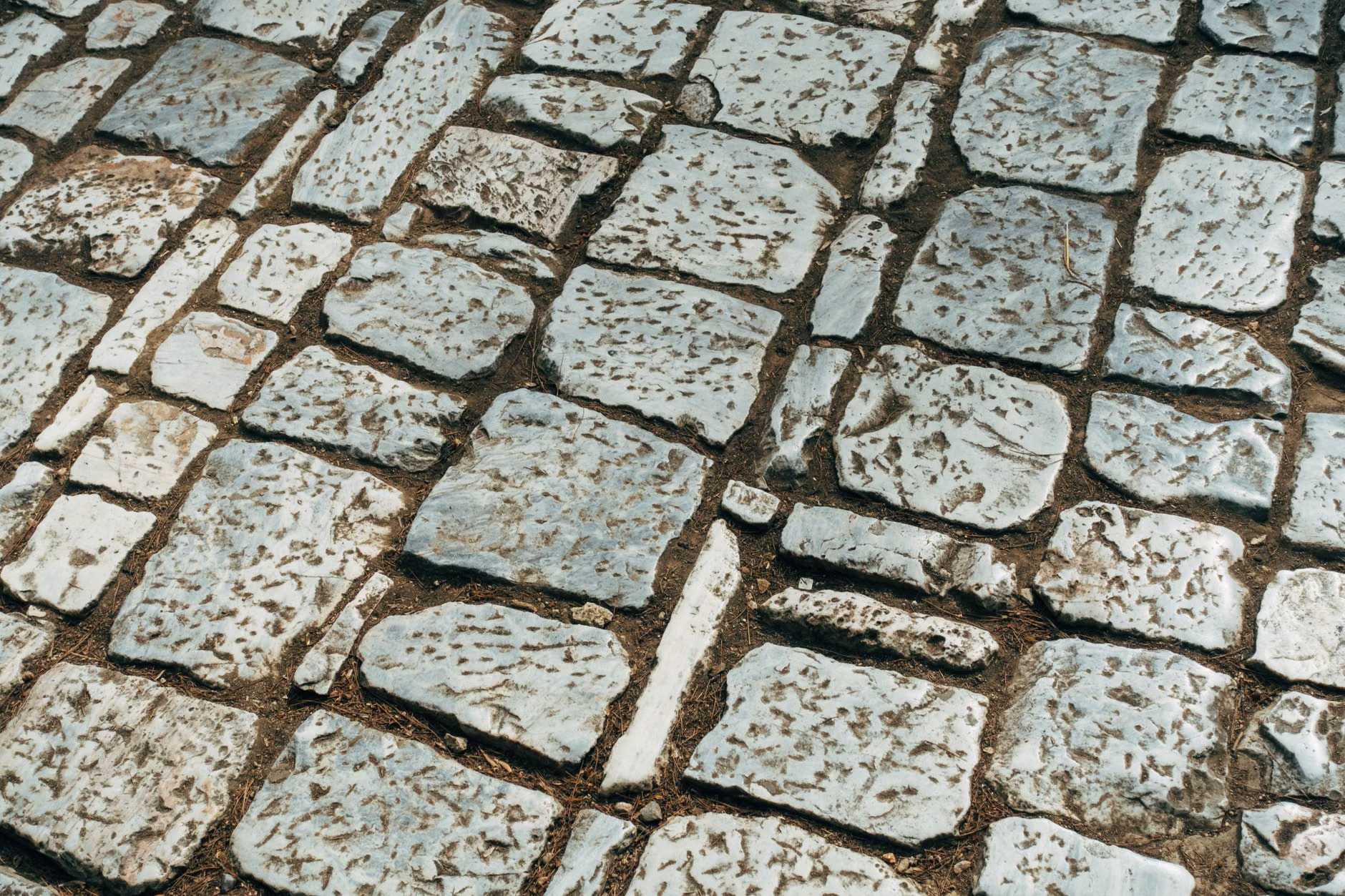
Historic markets almost always feature some form of stone paving. It is important to distinguish between “rough cobbles” and “honed setts.” Rough cobbles are rounded, natural river stones with large gaps between them. These are a high trip hazard and are very difficult for those using canes or walkers. Honed setts are flat-topped, sawn stones that provide a much more stable surface.
| Terrain Type | Impact on Mobility | Recommended Aid |
|---|---|---|
| Flat Valley Floor | Low strain; high endurance. | Standard walking shoes. |
| Terraced Slopes | High knee strain; frequent rests needed. | Single walking pole for balance. |
| Traditional Cobblestones | High trip risk; unstable for ankles. | Sturdy boots with ankle support. |
| Modernized Historic Centers | Predictable; wheelchair/walker friendly. | Rollator or light cane. |
Transport Logistics: The “Last-Mile” Challenge
In many historic mountain regions, large tour buses and private cars are banned from the village center to preserve the atmosphere and air quality. This creates a “last-mile” gap between the drop-off point and the market stalls. For a traveler in their 70s, a 1-kilometer uphill walk from a parking lot can consume all the energy intended for the market visit itself.
Shuttle Services and Funiculars
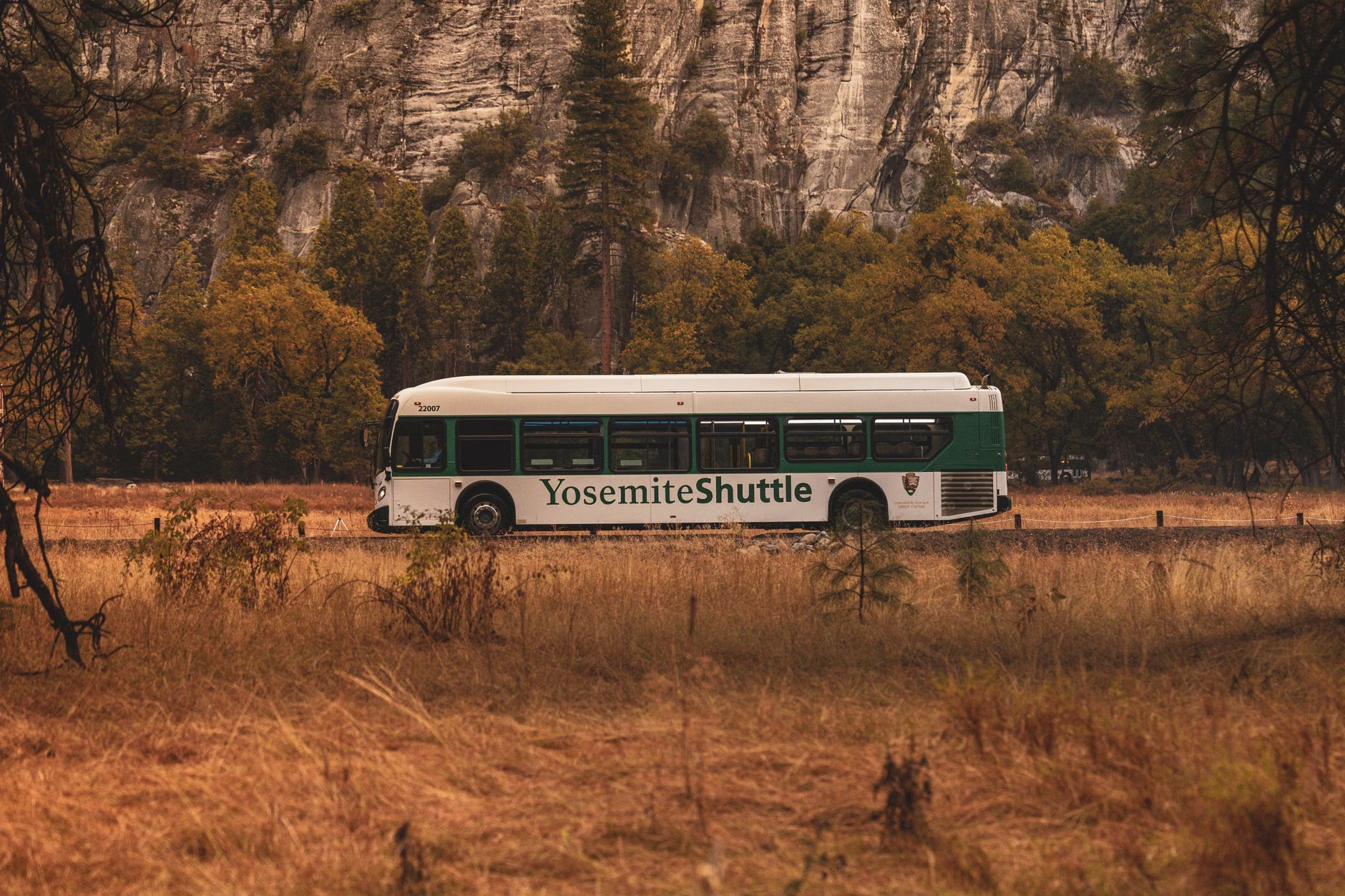
Look for villages that provide dedicated infrastructure for the “last mile.” In the European Alps, many villages (such as Zermatt or Mürren) are car-free but offer electric taxis or small shuttle buses. In Asia, historic villages like Shirakawa-go in Japan provide frequent, low-floor shuttle buses from the main tourist center to the elevated viewpoints and market areas.
Parking Proximity
If you are driving, check if the village has “Blue Badge” or senior-priority parking near the entrance. In many jurisdictions, including the EU and North America, valid disability permits from your home country are recognized, but you should verify local rules. A parking spot 100 meters from the market square is a significant advantage over a general lot 800 meters away.
Global Case Studies: Accessible Mountain Markets
To help you make a decision, let’s look at three distinct types of mountain markets across the globe and how they cater to different mobility needs.
1. Hallstatt, Austria (The Lakeside Mountain Market)
Hallstatt is iconic, but it is notoriously steep. However, it is accessible if you use the right strategy. The main market square is relatively flat and sits right at the water’s level.
The Strategy: Take the ferry from the train station. The ferry drops you off just a few minutes’ walk from the flat market area. Avoid the “upper” residential paths unless you are comfortable with long flights of stairs. Use the salt mine funicular to see the views without the climb.
2. Santa Fe, New Mexico, USA (The High-Desert Plateau)
While not a “village” in the tiny sense, the Santa Fe Plaza hosts historic Indian Markets at an altitude of 2,134 meters (7,000 feet). The terrain is exceptionally flat, making it one of the most accessible high-altitude markets in the world.
The Strategy: The main challenge here is the sun and altitude, not the slope. Stay at a hotel within two blocks of the Plaza to allow for mid-day naps and easy access to hydration and restrooms.
3. Jiufen, Taiwan (The Staircase Challenge)
Jiufen is a stunning mountain village known for its Old Street market. However, it is almost entirely composed of stairs.
The Strategy: For those with limited mobility, Jiufen is difficult. If you must go, hire a private taxi to drop you at the *top* of the village (near the elementary school) so you can walk *down* the stairs rather than up. However, even walking down can be hard on the knees. A better alternative for those with mobility issues is the nearby town of Shifen, which is flatter and built along a railway track.
Managing Stamina and Physical Safety
Mountain air is thinner and often drier. This affects your body more quickly than at sea level. Fatigue can lead to stumbles, and dehydration can cause dizziness, which is particularly dangerous on uneven mountain paths.
The “20-Minute Rule”
When navigating a mountain market, implement the 20-minute rule: Walk for 20 minutes, then sit for 10 minutes. This prevents the accumulation of lactic acid in the legs and keeps your heart rate stable. Look for “resting infrastructure”—benches, low stone walls, or cafe seating—before you start your walk. If a market lacks public seating, it may not be the right choice for you.
Hydration and Nutrition
In high-altitude markets, you lose moisture through respiration twice as fast as at sea level. Carry a lightweight, insulated water bottle. Avoid excessive caffeine or alcohol during the market visit, as both can exacerbate altitude sickness and lead to urgency in finding restrooms, which may be scarce in older villages.
Footwear and Gear
Standard walking sneakers may not be enough for mountain villages. Look for “light hikers” or “approach shoes” that offer a stiffer sole. A stiff sole prevents your foot from wrapping around every stone and pebble, which reduces foot fatigue over several hours.
Tip: If using a walking cane, ensure it has a wide, “tri-tip” rubber base for better grip on dusty or wet stone surfaces.
Health Considerations: Altitude and Joints
Many historic mountain markets are located at elevations that can affect your health. It is not just about “altitude sickness” (which usually occurs above 2,500 meters); even moderate elevations can affect sleep and blood pressure.
Recognizing Altitude Fatigue
If you feel a persistent headache, unusual shortness of breath while walking on a flat surface, or a loss of appetite, you may be experiencing mild altitude stress. The best remedy is to descend to a lower elevation or rest and hydrate immediately. Do not “push through” the discomfort, as this increases the risk of a fall.
Joint Care in Cold Mountain Air
Mountain villages are often significantly cooler than the valleys below. Cold temperatures can cause joint stiffness, particularly for those with osteoarthritis.
Practical Step: Wear compression sleeves on your knees or ankles if you are prone to swelling. The warmth and support can make a three-hour market visit much more comfortable.
The “Senior-Friendly” Market Checklist
Before you depart, use this checklist to ensure the market is a good fit for your current mobility and energy levels.
- Restroom Availability: Are there public toilets with “step-free” access? Many historic buildings have restrooms in the basement accessible only by narrow stairs.
- Emergency Access: Is the village accessible by ambulance? Some car-free villages have very limited emergency vehicle access.
- Cellular Signal: Does the village have reliable mobile coverage? This is vital for using maps or calling for a taxi if you become too tired to walk back.
- Opening Hours: Do the market hours align with your peak energy times? Most seniors prefer morning visits (9 AM to 11 AM) before the midday heat and peak tourist crowds arrive.
- Seating Density: Are there “free” places to sit, or must you buy a meal at a restaurant to sit down?
Using Technology to Scope Accessibility
Modern technology allows you to “walk” the market before you leave home. This is the best way to avoid unpleasant surprises.
Google Street View “Slope Check”
In Google Maps, drop the “Pegman” onto the main market street. Rotate the camera to look up and down the street. Look at the base of the buildings; if the stone foundations are “stepped,” the street is significantly sloped. If the foundations are level with the ground, the street is flat.
Local Tourism Webcams
Many mountain villages in Switzerland, Austria, and Japan have live webcams. Check these a few days before your trip to see the current weather and, more importantly, the crowd density. If the square looks packed with people, navigation will be much harder for someone with a cane or walker.
Conclusion: Prioritizing Quality Over Quantity
The goal of visiting a historic mountain village market is to enjoy the atmosphere, the local crafts, and the stunning views. The most common mistake is trying to see “the whole village” in one go.
Instead, choose one primary square or street that is known for its accessibility. Park as close as possible, enjoy a slow walk with frequent breaks, and spend more time sitting and observing the local culture than hiking the perimeter. By selecting a “plateau” or “valley” village and utilizing local transport aids, you can experience the magic of the mountains without overtaxing your body.
Frequently Asked Questions
1. Can I bring my own rollator or walker to a historic mountain village?
Yes, but with caveats. Standard small-wheeled indoor walkers are dangerous on cobblestones. If you use a mobility aid, ensure it is an “all-terrain” model with large, pneumatic (air-filled) tires. These can handle the gaps in stone paving much more safely. Always check if the local shuttle buses have a ramp or low-floor entry before bringing a large walker.
2. How do I find out if a market has public seating without going there?
The best way is to search for the village name + “Main Square” on travel review sites like TripAdvisor or look at photos on Google Maps. Look specifically for “benches” or “fountains with wide stone edges.” You can also email the local “Tourist Office” (usually found on the village’s official website) and ask for a map of public benches and accessible restrooms.
3. What should I do if I feel dizzy due to the altitude while at the market?
Stop walking immediately and find a place to sit in the shade. Drink water slowly. If the dizziness does not pass within 10-15 minutes, notify a market vendor or a local official. Most mountain markets have a first-aid point or a local pharmacy (Apotheke, Pharmacie, Farmacia) nearby. It is better to ask for a taxi back to your hotel early than to risk a fall.
Official Resources for Accessible Travel:
- European Network for Accessible Tourism (ENAT): https://www.accessibletourism.org/
- U.S. National Park Service – Accessibility: https://www.nps.gov/aboutus/accessibility.htm
- Japan Accessible Tourism Center: https://www.accessible-japan.com/