- Bird-identification circles provide a structured way to maintain cognitive sharpness through pattern recognition and memory recall.
- These groups offer a low-barrier, high-reward social outlet that combats isolation by fostering shared interests and routine outdoor activity.
- Practical preparation, such as choosing the right optics and understanding local terrain, ensures that birding remains a safe and sustainable hobby for all mobility levels.
Bird-identification circles—small, community-based groups that meet regularly to observe and identify local bird species—offer far more than a simple pastime. For adults aged 60 to 80, these circles serve as a powerful intersection of cognitive health, social integration, and gentle physical exercise. By transforming the act of birdwatching from a solitary pursuit into a communal endeavor, participants can build a support network that encourages active aging and lifelong learning.
The Cognitive Benefits of Active Observation
At its core, bird identification is an exercise in pattern recognition and focus. When you observe a bird, your brain is tasked with processing multiple variables simultaneously: size, plumage color, beak shape, flight pattern, and song. This continuous engagement acts as a “cognitive workout” that strengthens neural pathways associated with attention and memory.
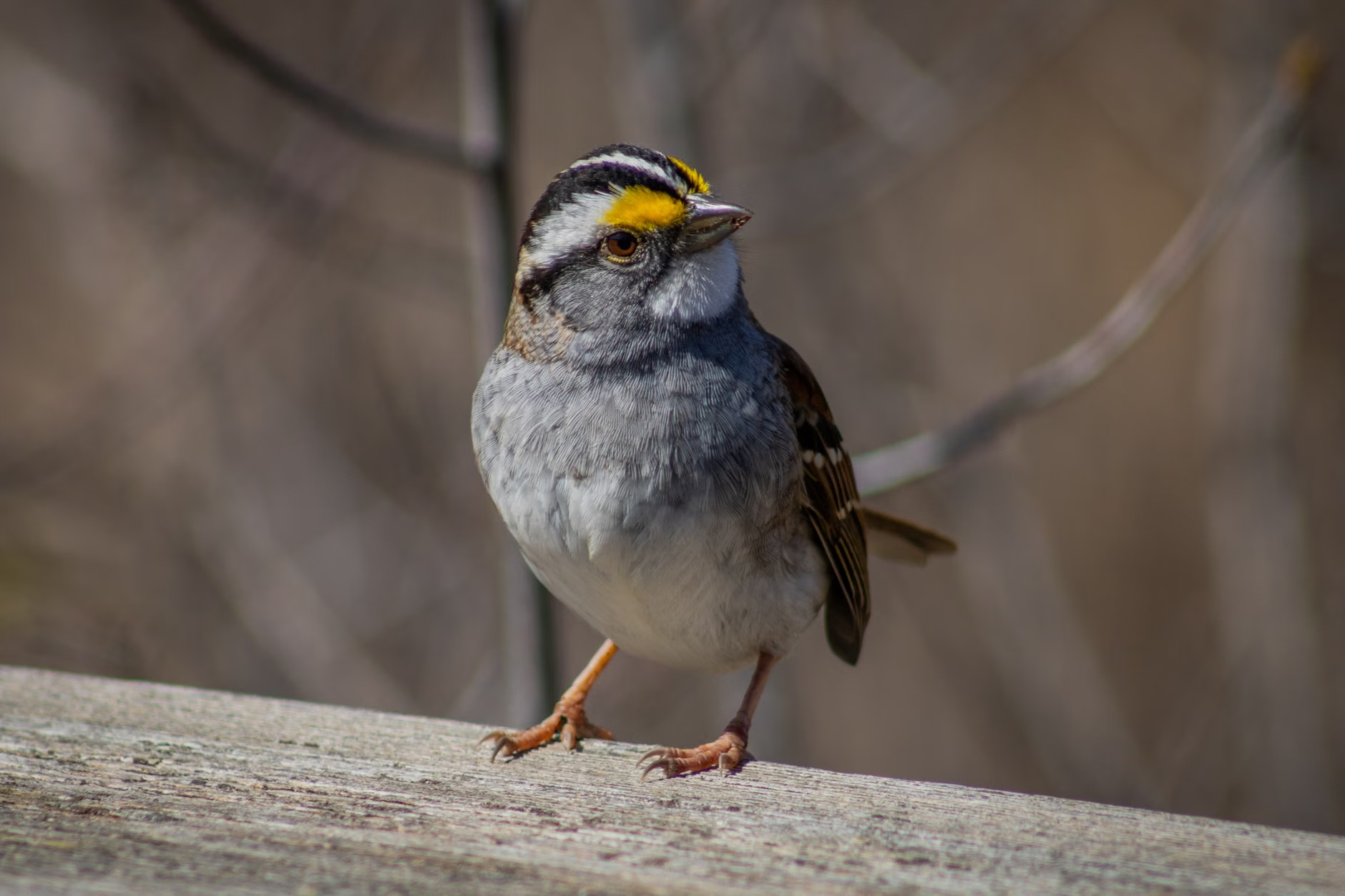
Unlike passive entertainment, such as watching television, birding requires active participation. You are not just looking; you are analyzing. For example, distinguishing between two similar species of sparrow requires the observer to notice minute differences in wing bars or eye rings. This level of detail-oriented thinking is highly beneficial for maintaining mental acuity.
Furthermore, the social aspect of these circles adds a layer of accountability and collaborative problem-solving. When a group discusses whether a bird is a juvenile or an adult, or debates a specific call heard in the distance, they are engaging in complex social communication. This type of interaction is crucial for preserving executive function as we age.
Loneliness can be a significant health risk for older adults, often leading to increased stress and decreased physical activity. Community-based hobby groups like birding circles provide a natural, low-pressure environment for social connection. Unlike competitive sports or high-intensity clubs, birding circles are inherently collaborative.
The “social value” of these groups lies in the shared experience of discovery. When you spot a rare bird or witness a unique behavior, the joy of the moment is amplified by the presence of others. This shared emotional experience helps forge lasting friendships based on mutual interests rather than proximity or family obligations alone.
Practical Tip: If you are feeling hesitant about joining a group, remember that these circles are usually welcoming to beginners. Most experienced members enjoy sharing their knowledge. A simple, “I am new to this, can you help me spot that?” is often the best way to break the ice and build rapport.
Physical Wellness and Mobility Considerations
Birding is as physically demanding or as easy as you choose to make it. It can range from a stationary activity in a backyard or local park to a more active, light-hiking pursuit in a nature reserve. This flexibility makes it an ideal hobby for varying levels of physical health.
To ensure your birding outings are safe, consider the following mobility-based decision criteria:
| Terrain Type | Intensity Level | Accessibility Factor |
|---|---|---|
| Paved Park Paths | Low | High; suitable for walkers/canes. |
| Flat Nature Trails | Moderate | Requires steady footing; good for stamina. |
| Wooded/Uneven Paths | High | Requires specialized gear and high balance. |
Interpretation: For those with limited mobility, prioritize groups that meet at locations with paved paths and accessible seating. Never feel pressured to venture into terrain that exceeds your current comfort level. The goal is to sustain the hobby long-term, not to push physical limits to the point of injury.

Preparing for Your First Outing: A Step-by-Step Guide
Starting or joining a birding circle requires minimal equipment, but choosing the right tools can significantly improve your experience. Many beginners make the mistake of buying overly complex or heavy gear, which can become a hindrance.
- Optics: Invest in a pair of 8×42 binoculars. The “8” refers to magnification, which is sufficient for most backyard and park birding without making the image too “jumpy.” The “42” refers to the lens size, allowing enough light for clear viewing.
- Field Guides: Use a regional field guide specific to your country. These books are organized by bird families and provide essential visual cues.
- Digital Tools: Apps like eBird (from the Cornell Lab of Ornithology) or Merlin Bird ID can help you identify birds by their songs or photos. However, keep these as a secondary tool to avoid over-relying on technology during your social time.
- Clothing: Dress in layers. Even if the weather forecast is sunny, standing still while birding can make you feel colder than when you are walking.
The Hidden Nuance: Patience and “Sit-Spotting”
One of the most overlooked aspects of effective birding is the concept of “sit-spotting.” Instead of walking constantly to find birds, find a comfortable spot—a bench or a sturdy chair—and sit quietly for 20 to 30 minutes. When you remain still, the local bird population will eventually resume their normal behaviors, allowing you to observe them in their natural state.
This is where the social value of a circle becomes even more apparent. Sitting together in silence, only occasionally whispering a discovery, creates a unique bond. It is a form of communal meditation. This practice also lowers blood pressure and reduces cortisol levels, providing a tangible health benefit beyond the social interaction.

It is important to acknowledge that not every birding group will be the perfect fit. If you find a group that moves too fast for your pace, or if the conversation is dominated by overly technical jargon that makes you feel excluded, do not hesitate to look for another group or start your own. You can find local groups through the National Audubon Society in the US, the RSPB in the UK, or similar local ornithological societies globally.
Safety Warning: Always inform a family member or caregiver of your location if you are heading to a remote area. Carry a mobile phone with a full battery, water, and any necessary medications. If you have specific health conditions, such as asthma or heart issues, ensure your group leader is aware of them in case of an emergency.
Conclusion: The Lasting Impact of Community Birding
The social value of bird-identification circles extends far beyond the list of species you manage to record. It is about the rhythm of the seasons, the consistency of meeting friends, and the quiet joy of observing the natural world. For the older adult, this hobby provides a structured, safe, and deeply rewarding way to stay connected—both to the environment and to the community. By focusing on accessibility, preparation, and shared wonder, you can ensure that this pursuit remains a cornerstone of your daily wellbeing for years to come.
Frequently Asked Questions
1. Do I need expensive equipment to join a birding circle?
No. Most groups are happy to let you look through their binoculars to start. If you decide to purchase your own, a mid-range pair of 8×42 binoculars is perfectly adequate and will last for many years. Avoid the “cheapest” options, as they often have poor lens quality that can cause eye strain.
2. What if I have trouble walking long distances?
Many birding circles are aware of accessibility needs. Look for groups that focus on “stationary birding” or that meet in local parks with paved trails and ample benches. You can always ask the organizer about the terrain and distance of their planned walks before committing.
3. Is birding only for the spring and summer?
Absolutely not! Birding is a year-round activity. Winter birding is often excellent because, with the leaves off the trees, it is much easier to spot birds. Winter visitors also bring different species to your area, providing a new set of identification challenges and rewards throughout the colder months.
Official resources for further information: