Packing for a coastal promenade stroll requires a balance between being prepared for changing maritime weather and keeping your load light enough to maintain stamina. Unlike rugged hiking, promenade walking focuses on flat, paved surfaces, but the exposure to wind, salt air, and sun presents unique challenges for adults aged 60 to 80.
Key Takeaways:
- Prioritize Footwear with Arch Support and Grip: Paved promenades can be hard on joints; choose shoes with high shock absorption and slip-resistant soles for wet patches.
- Master the Three-Layer System: Coastal weather shifts rapidly; packing a moisture-wicking base, an insulating middle, and a windproof shell prevents both overheating and chills.
- Focus on Weight Distribution: Use a lightweight backpack or a rollator with a storage pouch to keep your center of gravity stable and reduce strain on your shoulders and back.
The Foundation of Comfort: Footwear and Gait Support
On a paved coastal promenade, the surface is typically concrete, wood (on piers), or asphalt. While these surfaces are stable and accessible, they provide very little “give” or natural cushioning compared to grass or dirt paths. For adults in their 60s, 70s, and 80s, the fat pads on the bottom of the feet naturally thin over time, making shock absorption a primary concern.
Choosing the Right Walking Shoe
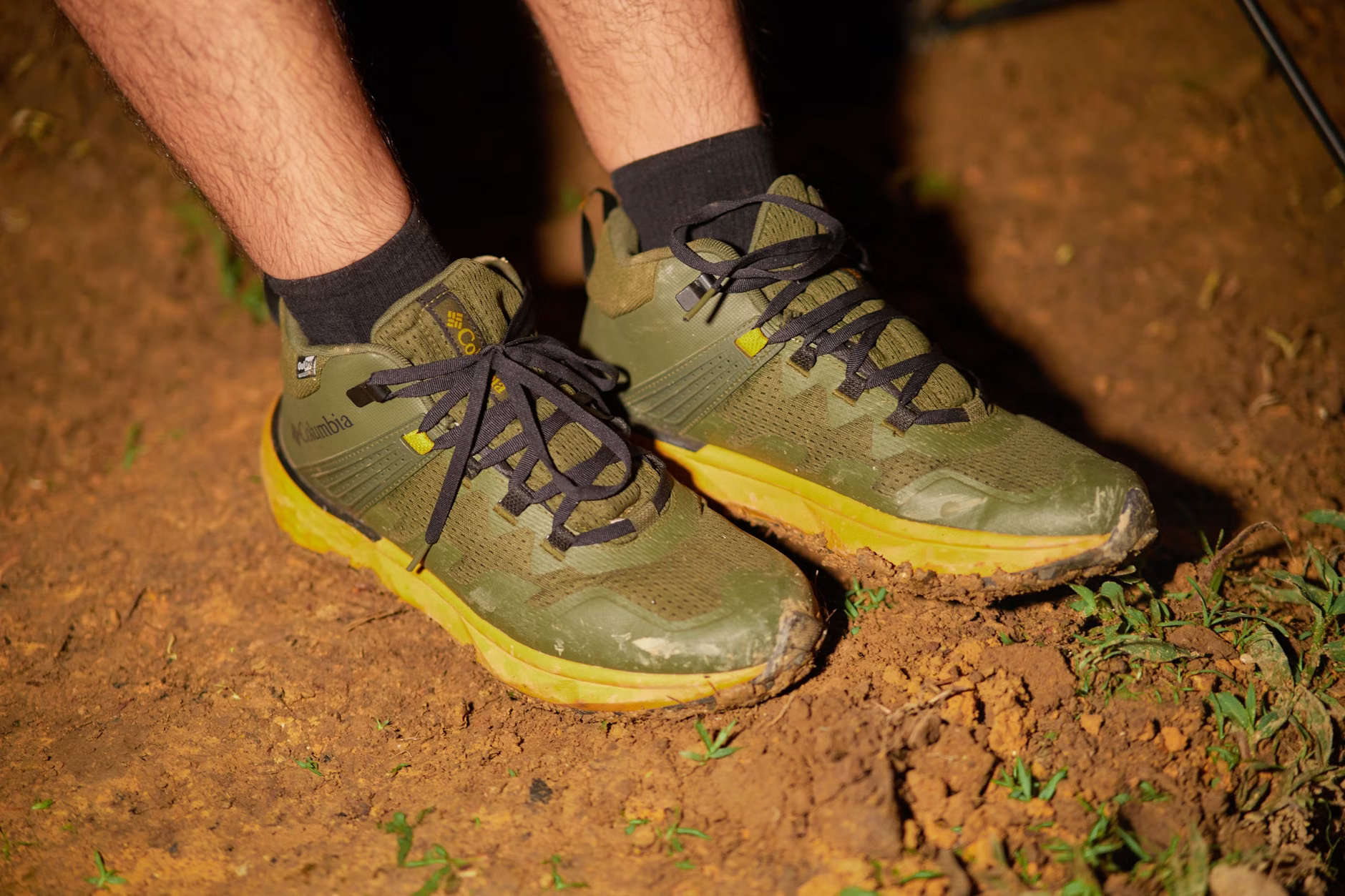
The ideal shoe for a promenade stroll is not necessarily a heavy hiking boot. Instead, look for a “walking-specific” shoe. These are designed for the heel-to-toe rolling motion of a standard stride. Ensure the toe box is wide enough to accommodate natural foot swelling, which often occurs after 30 to 40 minutes of continuous walking.
When selecting shoes, check for a firm heel counter (the back part of the shoe). If you can easily push the back of the shoe inward, it may not provide enough stability for your ankles. A stiff heel counter helps prevent the foot from rolling inward or outward, reducing the risk of trips on uneven paving stones.
The Role of Technical Socks
Often overlooked, socks are the first line of defense against blisters. Avoid 100% cotton socks. Cotton absorbs moisture and holds it against the skin, which softens the tissue and leads to friction blisters. Instead, pack socks made from merino wool blends or synthetic “wicking” fabrics. These materials pull sweat away from the skin and dry quickly. For those with circulation concerns or mild edema (swelling), light compression socks can help maintain blood flow during longer walks, provided they are fitted correctly and not overly restrictive.
Layering for Micro-Climates: Managing Wind and Sun
Coastal environments are notorious for micro-climates. You may feel uncomfortably warm in a sheltered area, only to face a biting, chilly wind once you round a headland or step onto an exposed pier. Packing for these shifts is more effective than wearing one heavy coat.
The Three-Layer Strategy
This system allows you to adjust your temperature without stopping your walk for long periods. It is particularly useful for maintaining a steady core temperature, which is vital for heart health and muscle flexibility in older adults.
| Layer Type | Purpose | Recommended Material |
|---|---|---|
| Base Layer | Moisture management (wicking sweat) | Lightweight polyester or thin merino wool |
| Mid Layer | Insulation (retaining body heat) | Fleece vest or a lightweight “puffer” jacket |
| Outer Shell | Weather protection (wind and light rain) | Gore-Tex or breathable nylon windbreaker |
For an accessible stroll, the Outer Shell is the most important item in your bag. A “windbreaker” is often more useful than a heavy raincoat. Look for one with a high collar to protect your neck and a hood with a drawstring. Coastal winds can be persistent; a hood that stays put without being held by hand allows you to use walking sticks or hold onto railings safely.
Sun Protection Beyond the Bottle
Reflection from the water increases UV exposure significantly. Even on overcast days, UV rays penetrate clouds and bounce off the sea surface. Pack a wide-brimmed hat with a “chin cord” or “leash.” Coastal breezes can easily blow a standard cap into the water. A hat with a 3-inch (7.5 cm) brim provides essential shade for the ears and the back of the neck, areas where skin cancer is frequently diagnosed in older populations.
Sunglasses should be polarized. Polarization filters out the horizontal glare reflecting off the waves, which can be particularly disorienting for individuals with early-stage cataracts or general light sensitivity. Ensure they offer 100% UVA and UVB protection.
Hydration and Nutrition: Maintaining Energy Levels
Stamina on a walk is directly tied to blood sugar stability and hydration. Dehydration in older adults can lead to dizziness or “brain fog,” which increases the risk of falls on public walkways.
Smart Hydration Choices
Do not wait until you are thirsty to drink. Thirst mechanisms can become less sensitive as we age. Pack a reusable, insulated water bottle that is easy to open. If you have arthritis in your hands, look for a bottle with a “flip-top” straw rather than a screw cap, as the latter requires more grip strength and bilateral coordination.
On walks exceeding 60 minutes, plain water may not be enough if you are sweating. Consider adding an electrolyte tablet (sugar-free versions are available) to your water. This helps maintain the balance of sodium and potassium, which is crucial for muscle function and preventing leg cramps.
Portable, High-Energy Snacks
Avoid snacks that are high in refined sugar, as they can cause an energy “crash” later in the walk. Instead, pack items that provide sustained energy.
- Mixed Nuts: High in healthy fats and protein.
- Whole Grain Crackers: Provide complex carbohydrates.
- Dried Apricots or Dates: Offer a natural energy boost with fiber.
- Nut Butter Pouches: Easy to open and mess-free.
Identify a “resting point” on your route—such as a bench with a view—to enjoy your snack. Taking a 10-minute break to refuel can significantly extend your comfortable walking distance.
Mobility Aids and Technical Essentials
Using a mobility aid is a proactive choice for safety and endurance, not a sign of frailty. On a long promenade, these tools help distribute your weight and reduce the load on your knees and hips.
Nordic Walking Poles vs. Standard Canes
If your balance is generally good but you suffer from joint fatigue, Nordic walking poles are an excellent addition to your pack. Unlike a cane, which is often used on one side, poles are used in pairs. They engage the upper body, taking up to 20% of the weight off the lower joints. Ensure the poles have “rubber paws” or tips designed for hard pavement; metal spikes are meant for ice or dirt and will slip on concrete.
The Benefit of a Rollator
For those who need frequent rests, a lightweight, foldable rollator is the ultimate “packing” tool. Most modern models come with a built-in seat and a storage bag under the seat. This allows you to carry your water, layers, and first-aid kit without any weight on your shoulders. When choosing a rollator for coastal use, ensure the wheels are large (at least 8 inches) to handle small gaps in boardwalks or transitions between different types of paving.
Tech and Communication
Always pack a fully charged mobile phone and a lightweight power bank. In coastal areas, searching for a signal can drain phone batteries faster than usual. Download an “offline map” of the area before you leave. While promenades are usually straightforward, knowing the exact distance to the nearest public restroom or cafe can prevent overexertion. If you use a hearing aid, pack a spare set of batteries or your portable charging case; wind noise can sometimes cause digital hearing aids to work harder, consuming more power.
The First-Aid and Health Kit
A “promenade-ready” first-aid kit is smaller and more focused than a standard home kit. It should address the specific risks of walking and coastal exposure.
Essential Contents
- Blister Plasters (Hydrocolloid bandages): These act like a second skin and can save a walk if a “hot spot” develops on your heel.
- Saline Eye Drops: Salt spray and wind can cause dry, irritated eyes. A quick rinse provides immediate relief.
- Small Tube of Anti-Chafe Balm: Useful for areas where clothing might rub, such as the inner thighs or underarms.
- Personal Medications: Always carry a 24-hour supply of any critical medications (e.g., for heart conditions or diabetes) in a waterproof container, even if you only plan to be out for an hour.
The “ICE” (In Case of Emergency) Card: Carry a physical card in your wallet or a prominent pocket of your bag. It should list your name, emergency contact phone numbers, any major allergies (especially to medications like penicillin), and a brief list of current medications. In the unlikely event that you feel unwell, this information is vital for local first responders.
Choosing and Packing the Bag
How you carry your items is just as important as what you carry. Improper weight distribution can lead to lower back pain or alter your gait, increasing trip risks.
Backpacks vs. Crossbody Bags
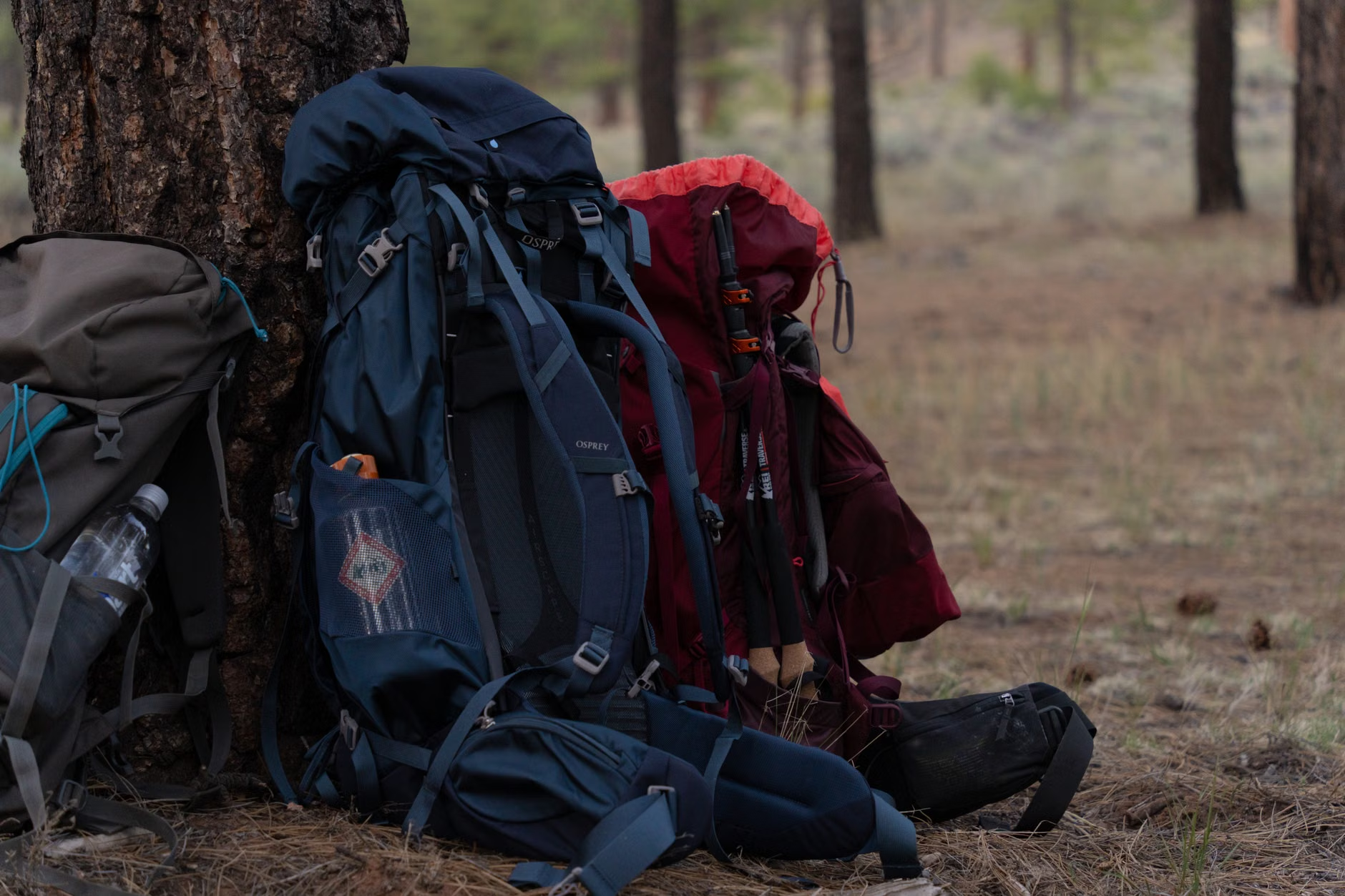
A small, ergonomic backpack (10–15 liters) is generally superior to a shoulder or crossbody bag. A backpack distributes weight evenly across both shoulders and keeps the load close to your center of gravity. Look for a model with padded shoulder straps and a chest strap. The chest strap prevents the bag from shifting side-to-side as you walk.
If you prefer a crossbody bag, choose one with a wide, adjustable strap. Switch sides every 20 minutes to prevent muscle strain on one side of your neck and back. Avoid “tote” bags that you have to carry in your hand, as they interfere with natural arm swing and balance.
Packing Order
Place heavy items (like a full water bottle) in the center of the bag, close to your back. Place light items (like a windbreaker) at the bottom or the very top. Items you may need quickly—sunscreen, tissues, or your phone—should go in external mesh pockets or a small waist pack (fanny pack). This prevents you from having to take the bag off and rummage through it while standing, which can be tiring.
Destination Research: The “Virtual” Pack
Preparation isn’t just about physical objects; it’s about information. Before you set out, “pack” your mind with a few key facts about the promenade.
The “Toilet Map”
Public accessibility varies wildly by region. In the UK and parts of Europe, many coastal towns have “Changing Places” toilets or accessible public blocks, but they may require a specific key (like the RADAR key in the UK). In the US or Australia, restrooms are often located in beach pavilions or nearby parks. Knowing where these are located every 500 meters or so allows for a stress-free walk.
Tide and Wind Direction
Check the local tide chart. On some promenades, “king tides” or high surf can cause waves to splash over the sea wall, making the path slippery or even dangerous. Similarly, check the wind direction. It is often better to start your walk heading into the wind when you have the most energy, so that the wind is at your back, “pushing” you home when you are tired.
Comparison: Best Bag Options for Different Mobility Levels
| User Profile | Best Bag Choice | Primary Benefit |
|---|---|---|
| Independent/High Stamina | 15L Lightweight Backpack | Hands-free, even weight distribution |
| Lower Back Sensitivity | Waist Pack (Fanny Pack) + Bottle Holster | Zero shoulder strain; keeps weight on hips | Rollator-Integrated Bag | Carries 100% of the weight; provides a seat |
For most readers, the 15L Lightweight Backpack is the most versatile choice. It allows you to carry layers for changing weather while leaving your hands free to use a camera or steady yourself on a railing. However, if you find that any weight on your shoulders causes neck tension, the Waist Pack is a highly effective alternative for shorter strolls.
Practical Checklist for Your Next Coastal Stroll
Before you head out the door, run through this final list to ensure nothing critical is missing:
- [ ] Footwear: Tied securely? No grit inside?
- [ ] Water: Full bottle, easy-open lid?
- [ ] Sun: Hat on, sunglasses in pocket, sunscreen applied?
- [ ] Layers: Windbreaker packed even if it’s sunny now?
- [ ] Medication: Daily doses plus “as needed” items (like an inhaler)?
- [ ] Phone: Fully charged?
- [ ] ID: ICE card in a reachable spot?
Coastal promenades offer some of the most beautiful and accessible walking opportunities in the world. By packing with a focus on micro-climate protection, joint support, and energy maintenance, you can focus on the scenery rather than physical discomfort. The goal is not to carry everything possible, but to carry exactly what you need to remain safe, comfortable, and independent.
For more information on accessible travel standards, you can visit the UNWTO Accessible Tourism guidelines or check local council websites for specific promenade accessibility maps in your region.
Frequently Asked Questions
1. What should I do if I feel a blister starting mid-walk?
Stop immediately. Do not “walk through the pain.” Remove your shoe and sock, dry the area, and apply a hydrocolloid blister plaster. These specialized bandages provide a cushion that stops further friction. If you don’t have a plaster, even a piece of medical tape or a standard bandage is better than nothing. Catching a “hot spot” before it becomes a fluid-filled blister can prevent days of discomfort.
2. Is it worth bringing a walking stick if the path is perfectly flat?
Yes. Even on flat paths, a walking stick or Nordic poles provide two extra points of contact with the ground. This improves your “proprioception”—your body’s ability to sense its position in space. This is especially helpful if the promenade is crowded or if the wind is gusty, as it provides an immediate boost to your stability and confidence.
3. How much water should I actually carry?
A good rule of thumb is to carry 0.5 liters (about 17 ounces) for every hour of planned walking. However, water is heavy (1 liter weighs 1 kilogram). If your research shows that there are reliable water fountains or cafes along the promenade, you can carry a smaller bottle and refill it. If you are walking in a remote coastal area, prioritize the weight of water over other non-essential items.
Final Takeaway: The best-packed bag is one that you forget you are wearing because it is balanced, light, and contains exactly what you need to handle a sudden breeze or a bright patch of sun. Start small, refine your kit based on your local conditions, and enjoy the salt air.