Minimalist packing for ferry travel ensures that your luggage never becomes a barrier to your mobility, safety, or enjoyment during your journey.
Key Takeaways
- • Limit total luggage weight to under 10kg (22 lbs) to maintain balance and reduce strain on joints when navigating steep or wet ferry gangways.
- • Utilize a ‘Go-Bag’ strategy by keeping medications, documents, and a light layer in a small backpack, allowing your main suitcase to be stored safely during the crossing.
- • Prioritize non-slip footwear and technical layers over bulkier items to adapt to the significant temperature differences between windy decks and air-conditioned cabins.
Why Minimalist Packing is Vital for Senior Ferry Passengers
For travelers aged 60 to 80, the transition from traditional “just-in-case” packing to a minimalist approach is not just about fashion or convenience; it is a fundamental safety strategy. Unlike airports, which are largely climate-controlled and feature elevators or moving walkways, ferry terminals and vessels often involve unique physical challenges.
Ferry travel frequently requires navigating steep metal gangways, narrow staircases, and high door sills (known as “coamings”) designed to keep water out of cabins. Carrying a heavy, oversized suitcase in these environments significantly increases the risk of trips and falls. Furthermore, the vibration of the ship and the potential for sudden movement due to waves mean that maintaining a free hand to hold onto railings is essential for safety.
Minimalist packing allows you to move with the ship rather than fighting against your luggage. By reducing the physical load, you preserve your stamina for the destination, reduce the risk of muscle strain, and ensure that you can board and disembark without waiting for assistance that may not always be immediately available.
Choosing the Right Luggage: The Foundation of Mobility
The type of bag you choose determines how much energy you expend before even reaching your cabin. For seniors, the debate usually centers between 4-wheel “spinners” and 2-wheel “uprights.”
The Case for 4-Wheel Spinner Suitcases
A 4-wheel spinner is often the best choice for ferry travel because it requires zero weight on your arm or shoulder. You can simply push it alongside you on flat terminal floors. However, on a moving ship or a sloped ramp, these bags can roll away if not held. Look for models with a “brake” feature or ensure you always keep a hand on the handle.
The Case for Lightweight Backpacks
If you have good balance and no significant back issues, a high-quality 15-25 liter backpack is the ultimate minimalist tool. It keeps your hands completely free to use handrails on stairs. For ferry travel, a backpack with a chest strap helps distribute weight across the torso rather than pulling on the shoulders.
| Feature | 4-Wheel Spinner | 2-Wheel Upright | Travel Backpack |
|---|---|---|---|
| Effort | Lowest on flat ground | Moderate (some arm strain) | High (carried on back) |
| Stability | Low on slopes/moving ships | High (won’t roll away) | Highest (attached to body) |
| Hand Freedom | One hand occupied | One hand occupied | Both hands free |
| Best For | Terminal-to-Cabin ease | Rougher docks/cobblestones | Maximum stairs/boarding safety |
Decision Rule: If your journey involves multiple stairs or smaller island ferries with “wet” landings (where you walk off a ramp onto sand or uneven ground), choose a backpack or a 2-wheel upright. If you are traveling on large, modern cruise-ferries with elevators, a 4-wheel spinner is superior for joint health.
The Essential Clothing Kit: Layering for Two Climates
Ferry travel presents a unique thermal challenge. The exterior decks are often windy and 5-10 degrees cooler than the shore, while interior lounges can be aggressively air-conditioned. Minimalist packing solves this through technical layering rather than heavy coats.
The Three-Layer System for Seniors
- The Base Layer: Moisture-wicking fabrics (like merino wool or synthetic blends) are better than cotton. They keep you dry if you perspire during boarding and don’t hold odors, meaning you can wear them multiple times.
- The Insulating Layer: A lightweight fleece or a “down sweater” (a very thin quilted jacket) provides warmth without bulk. These can be compressed into the size of a water bottle.
- The Shell Layer: A high-quality windbreaker or raincoat. This is your primary defense against sea spray and the biting wind on the observation deck.
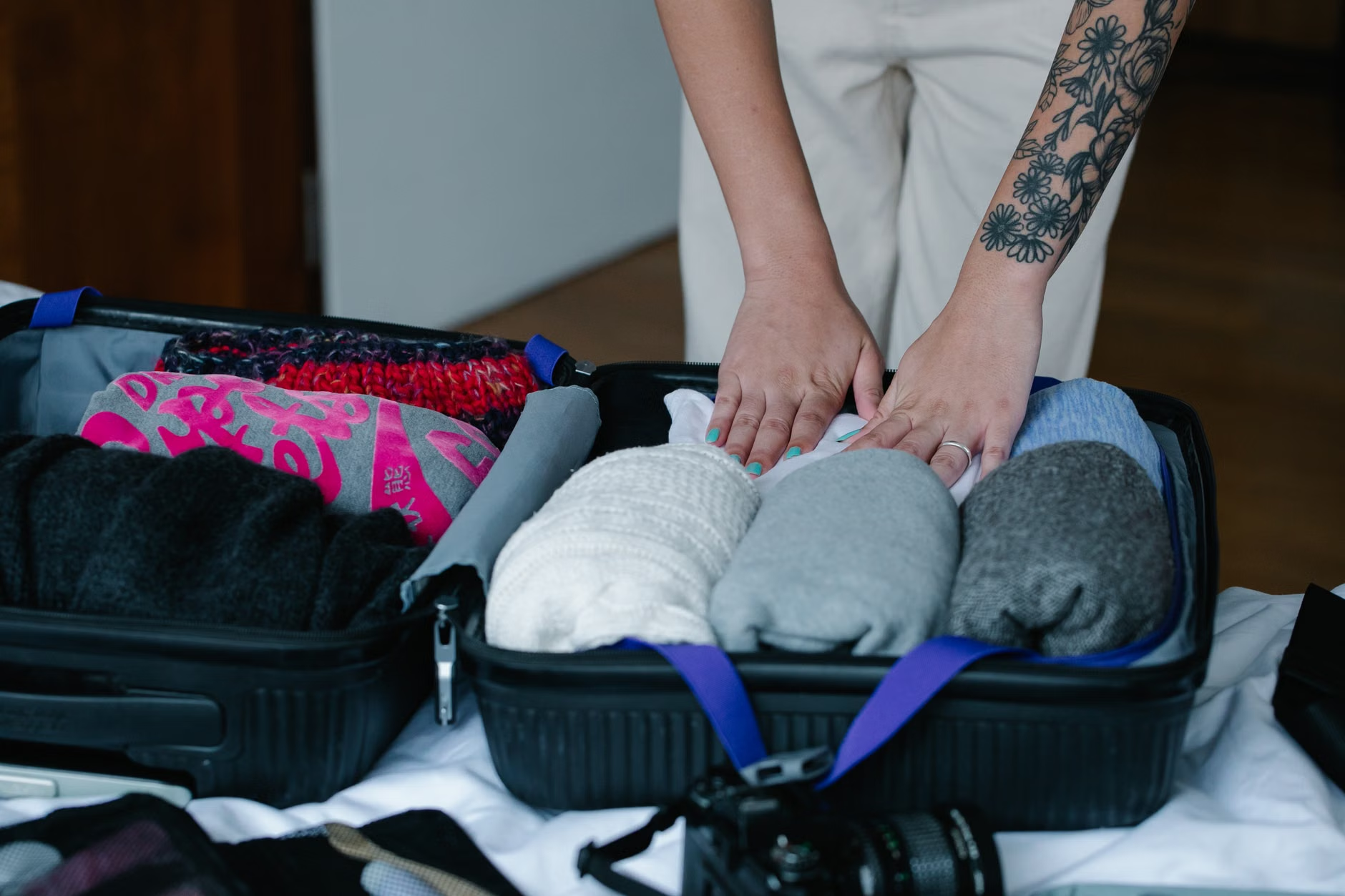
What it looks like in real life: Instead of packing three different sweaters, pack one merino wool long-sleeve shirt and one thin vest. This combination provides three different warmth levels (shirt alone, vest alone, or both together) while taking up 60% less space in your bag.

Footwear: The Most Important Safety Decision
On a ferry, your shoes are your primary safety equipment. Decks can be slippery from rain, sea spray, or cleaning. Avoid smooth-soled loafers, flip-flops, or high heels.
Look for shoes with “non-marking” rubber soles that feature a deep tread pattern. For seniors, a “slip-on” style with a secure heel (like those from Skechers or Merrell) is ideal because it allows for easy removal during security checks or in tight cabin spaces, but won’t fly off your foot if you trip. Ensure your shoes have been “broken in” for at least two weeks before the trip to prevent blisters, which can be particularly dangerous for those with circulation issues or diabetes.
Managing Medications and Health Supplies
Health management is the one area where you should never “minimalize” the supply, but you must minimalize the bulk. Never pack essential medications in checked luggage. If the ferry has a luggage hold, your meds must stay with you in your Go-Bag.
Practical Steps for Medication Packing:
- Use a 7-day pill organizer but also bring the original prescriptions or a signed list from your doctor. This is vital for international travel and customs.
- Pack a 48-hour “buffer” supply of all medications in case of weather-related delays or cancellations.
- Motion Sickness Prevention: Even if you don’t usually get seasick, the vibration of a ferry can cause “mal de debarquement” (land sickness) after you get off. Consider packing ginger lozenges or acupressure wristbands.
Safety Warning: If you use a CPAP machine for sleep apnea, many modern ferries have power outlets in cabins, but some older vessels do not. Always check the vessel’s specifications on the operator’s website. Carry a lightweight extension cord (3 meters) as outlets are often placed in inconvenient locations behind the bed.
The ‘Go-Bag’ Strategy: Your Ferry Survival Kit
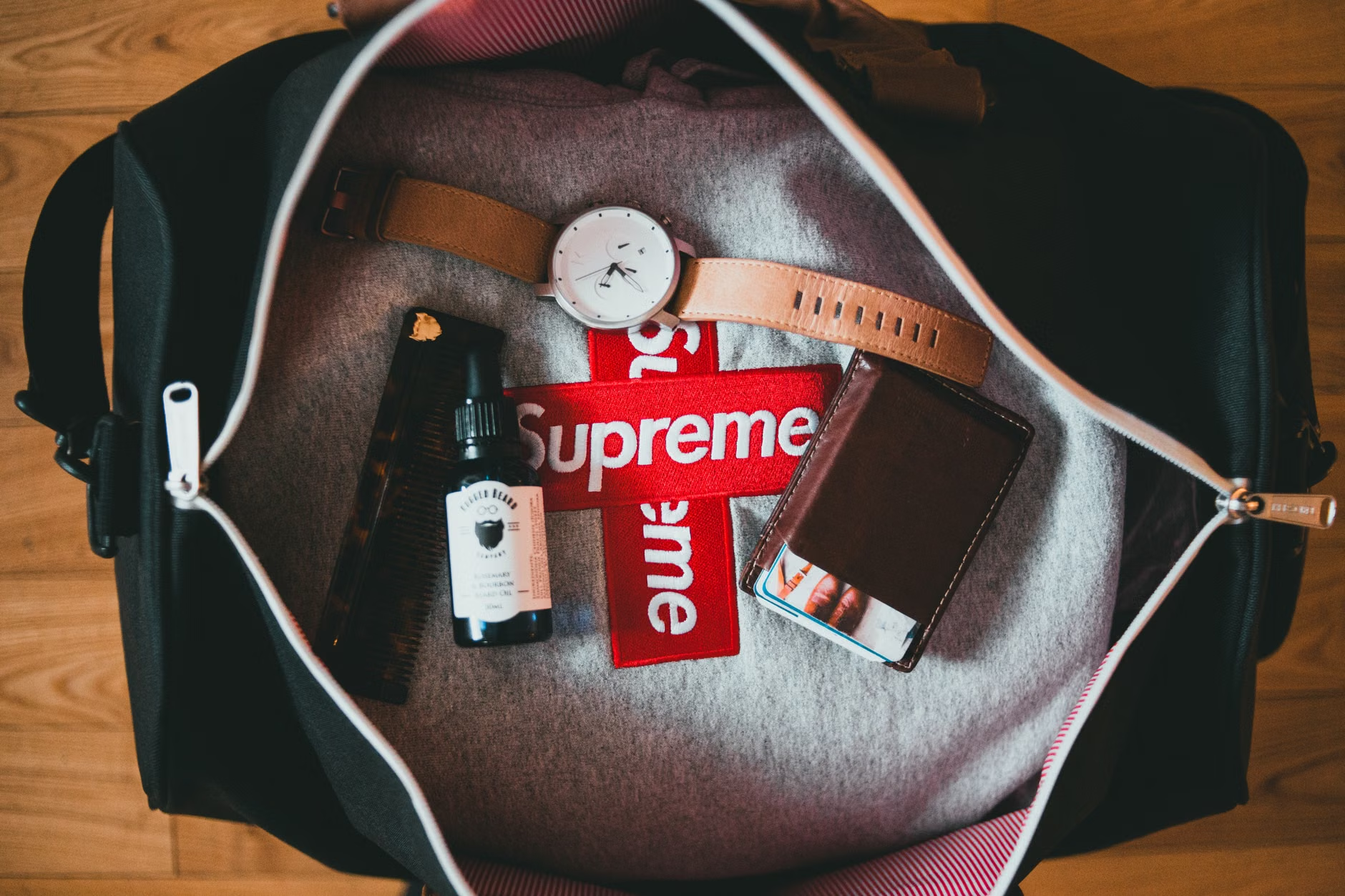
On many ferries, especially in Europe and Southeast Asia, large suitcases are kept in a luggage room on the car deck or near the entrance. You will not have access to them during the crossing. A “Go-Bag” is a small 10-15 liter bag that contains everything you need for the 2 to 8 hours you are on board.
What belongs in the Go-Bag?
- Hydration: A reusable water bottle (refill after security if applicable). Dehydration increases the risk of dizziness and falls.
- Digital/Paper Documents: Boarding passes, passport, and a printed copy of your travel insurance.
- Warmth: Your “Shell Layer” jacket.
- Sanitation: Alcohol-based hand sanitizer and a small pack of tissues. High-touch surfaces like handrails are common on ships.
- Personal Electronics: Phone, charger, and perhaps a tablet or book.
Technology and Connectivity for the Modern Senior
Minimalism extends to your digital life. Instead of carrying multiple guidebooks or maps, download them to your smartphone or tablet. However, ferries are notorious for “dead zones” where GPS or cellular data may fail in the middle of the sea.
What the reader can do: Before boarding, use Google Maps to “Download Offline Maps” of both your departure and arrival ports. This ensures that even without Wi-Fi, you can find your hotel or the taxi stand once you disembark. Also, take a photo of your luggage and your cabin door number; in the excitement of arrival, it is easy to forget where you stored your bags or which deck you are on.
Regional Considerations: Adapting Your Pack
While the principles of minimalism are universal, the environment changes the “must-haves.”
Mediterranean Ferry Travel (Greece, Italy, Croatia)
Expect high heat during boarding but intense AC inside. The “Go-Bag” must include a high-SPF sunscreen and a hat with a chin strap (the wind on deck will blow away a standard cap). Boarding often involves walking up a large car ramp; stay to the pedestrian sides to avoid exhaust fumes and moving vehicles.
Baltic and North Sea Travel
These are often large “cruise-ferries.” You will likely have a cabin. Minimalism here means you can leave your main bag in the cabin and only carry a small purse or pocket items to the restaurants and shows. The air is very dry; pack a small tube of moisturizer or lip balm.
Southeast Asian Ferries (Thailand, Indonesia)
These vessels are often smaller. “Wet landings” are common. Here, a waterproof “dry bag” (10L) is a better Go-Bag than a standard backpack. It will protect your electronics from sea spray and rain during transit in open-sided boats.
Common Packing Mistakes to Avoid
- The “Just-in-Case” Umbrella: These are useless in the high winds of a ferry deck. A hooded raincoat is much more effective and safer, as it keeps your hands free.
- Heavy Hardcover Books: A single hardcover can weigh 1kg. Switch to an e-reader or use an app on your tablet to save significant weight.
- Full-Sized Toiletries: Use 100ml travel bottles even if you aren’t flying. Ferries have tiny bathrooms with limited counter space.
- Too Many Pairs of Shoes: Limit yourself to two pairs: the sturdy walking shoes you wear while boarding and a lightweight pair of “indoor” slippers or sandals for the cabin.
The Psychology of “Enough”
Many seniors feel a sense of anxiety when packing light, fearing they will be unprepared for an emergency. In reality, being over-encumbered is the emergency. Most ferry routes travel between populated areas where you can purchase a forgotten toothbrush or an extra pair of socks. What you cannot easily replace is your physical energy or your safety if you are struggling with a 20kg suitcase on a moving staircase.
Practical Tip: Lay out everything you plan to pack on your bed. Remove one-third of it. If you haven’t worn an item in the last six months at home, you almost certainly won’t need it on a ferry.
Checklist: The 24-Hour Pre-Ferry Review
- [ ] Is my main bag under the weight limit I can comfortably lift?
- [ ] Do my boarding shoes have sufficient grip on a wet kitchen floor? (A good home test).
- [ ] Are my medications in my Go-Bag, not my suitcase?
- [ ] Have I downloaded offline maps for the arrival port?
- [ ] Is my “Shell Layer” easily accessible at the top of my bag?
Conclusion: Freedom Through Lightness
Minimalist packing is the ultimate gift to your future self. By choosing a smaller bag, technical layers, and a smart Go-Bag strategy, you transform ferry travel from a logistical chore into a graceful experience. You will be the first off the ship, the least fatigued upon arrival, and the most prepared for the unexpected movements of the sea. Prioritize your mobility over your possessions, and the horizon will feel much closer.
For official guidance on maritime passenger rights and safety standards, you can visit the International Maritime Organization (IMO) at https://www.imo.org or check the CDC’s Yellow Book for travel health advice at https://wwwnc.cdc.gov/travel.
Frequently Asked Questions
1. What if I have mobility issues and cannot carry any bag?
Most major ferry lines (such as P&O, DFDS, or Blue Star) offer “Assisted Boarding.” You must usually book this at least 48 hours in advance. They can provide wheelchair assistance or help with luggage from the terminal to your cabin. However, packing light still helps as it makes it easier for staff to assist you quickly.
2. Is it safe to leave my minimalist bag in the luggage room?
General luggage rooms on ferries are usually communal and unlocked during the voyage. While theft is rare, you should never leave valuables there. Use the “Go-Bag” strategy for your electronics, wallet, and meds, and only leave clothing and toiletries in the main luggage area.
3. How do I handle laundry if I only pack a few items?
Many long-haul ferries have self-service laundry rooms. For shorter trips, the “sink wash” method works well for technical fabrics like merino wool or polyester. They dry overnight, whereas cotton takes much longer. This is the secret to traveling for weeks with only a carry-on bag.