Dietary Silicon: A Practical Guide to Supporting Connective Tissue in Your 60s and Beyond
- Silicon is a trace mineral that contributes to the structural integrity of collagen, which is essential for skin, tendon, and bone health.
- The most effective way to obtain silicon is through a diverse diet rich in unrefined plant foods like oats, barley, and root vegetables.
- While research shows promise, silicon should be viewed as one component of a broader nutritional strategy for mobility and tissue support, rather than a standalone remedy.
As we navigate our 60s, 70s, and beyond, the structural integrity of our body’s connective tissues—including tendons, ligaments, cartilage, and skin—naturally undergoes changes. Maintaining these tissues is a primary factor in preserving mobility and physical comfort. While many people focus heavily on calcium for bones or protein for muscles, silicon is a frequently overlooked trace mineral that plays a foundational role in the formation and cross-linking of collagen.
What Is Dietary Silicon and How Does It Function?
Silicon, often found in nature as silica (silicon dioxide), is the second most abundant element in the Earth’s crust. In the human body, it is primarily concentrated in connective tissues. Its biological role is centered on the synthesis and stabilization of collagen and glycosaminoglycans, which are the “glue” that holds our structural systems together.
Think of collagen as the “cables” of a bridge. Without proper cross-linking, these cables lose their tension and flexibility. Silicon acts as a catalyst that helps facilitate the cross-linking process, potentially enhancing the tensile strength of the tissues. In practical terms, this means that adequate silicon levels contribute to the structural health of the skin, the resilience of cartilage in our joints, and the density of our bone matrix.
Reliable Dietary Sources of Silicon
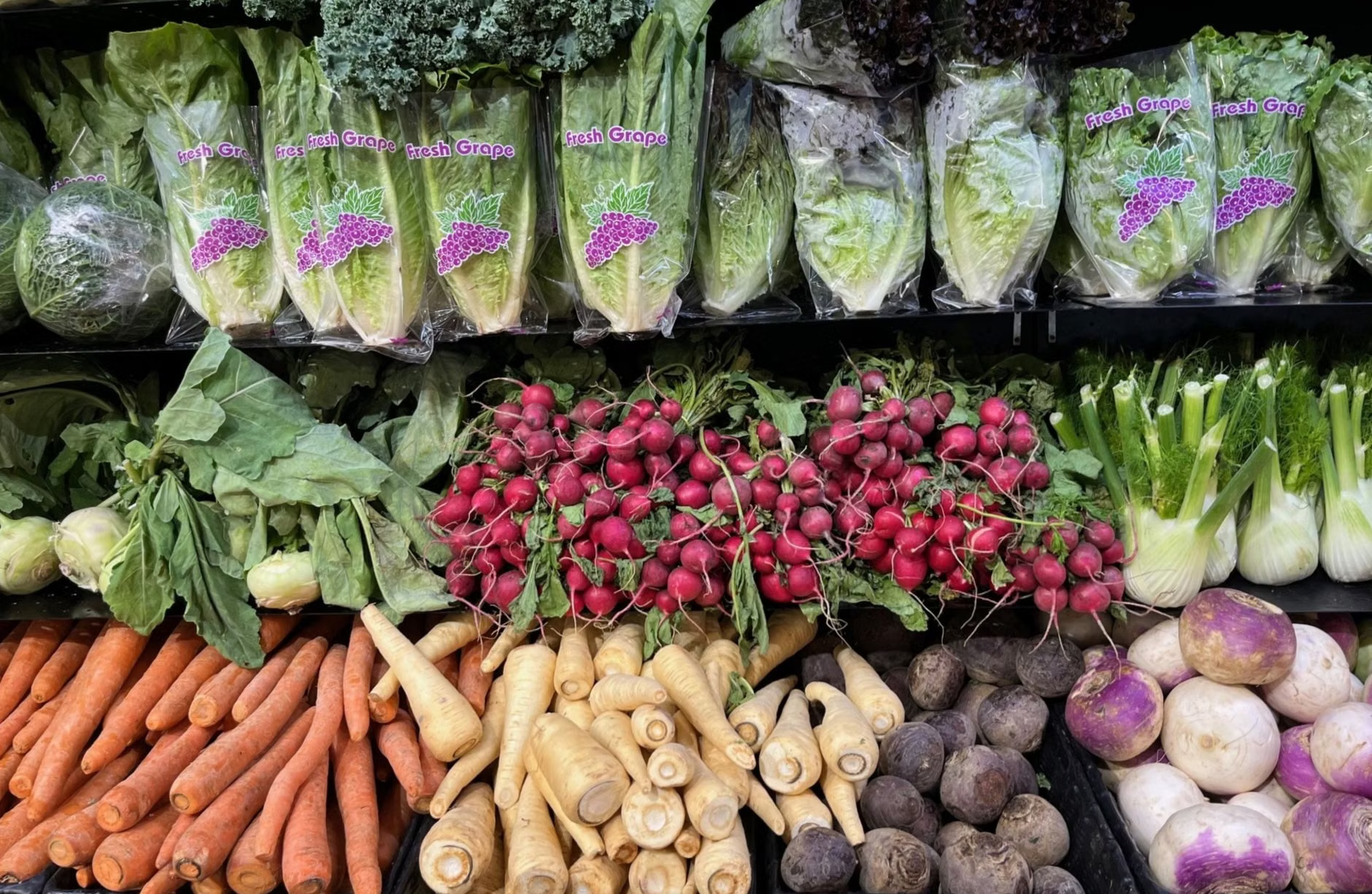
Unlike some minerals that are fortified into processed foods, silicon is most abundant in unrefined, plant-based, and fiber-rich foods. The processing of grains—such as turning brown rice into white rice—removes the outer layers where silicon is concentrated. Therefore, the most effective way to increase your intake is to prioritize whole, minimally processed ingredients.
Top Food Sources for Daily Intake
To ensure you are getting a consistent supply of silicon, consider incorporating the following foods into your weekly meal planning:
- Whole Grains: Oats, barley, and unpolished rice are excellent sources.
- Root Vegetables: Potatoes (especially with the skin on), carrots, and beets.
- Legumes: Lentils and chickpeas provide both silicon and essential plant protein.
- Beverages: Certain mineral waters have a high silica content, which is often more bioavailable than silicon found in solid foods.
It is important to note that the bioavailability of silicon—how much your body can actually absorb—varies significantly depending on the source. Silicon in the form of orthosilicic acid (often found in water) is generally more easily absorbed than the silicon bound to plant fibers. However, consuming a wide variety of whole plant foods ensures you receive a steady baseline of this mineral.
The Role of Silicon in Bone and Joint Health
For adults between 60 and 80, bone density and joint comfort are often top priorities. Research into silicon suggests it may influence bone mineral density by aiding the deposition of calcium into the bone matrix. While it is not a replacement for calcium or Vitamin D, it acts as a supporting actor in the complex process of bone remodeling.
In terms of joint health, silicon’s role in collagen synthesis is vital. Cartilage is composed largely of collagen and proteoglycans. By supporting the structural integrity of these components, silicon helps maintain the “cushioning” effect within joints. While this does not “cure” conditions like osteoarthritis, maintaining healthy connective tissue is a cornerstone of managing joint function and preventing the rapid decline of mobility.

Practical Considerations for Your Daily Routine
Incorporating more silicon into your diet does not require complex meal prep or expensive ingredients. It is about making small, consistent shifts in your food choices.
Simple Dietary Adjustments
| Switch | Benefit |
|---|---|
| White rice → Brown rice, barley, or oats | Higher fiber and mineral concentration, including silicon. |
| Peeling root vegetables → Scrubbing and cooking with skins | The skin of potatoes and carrots is rich in silicon. |
| Plain water → Mineral-rich spring water | Some mineral waters contain higher levels of soluble silica. |
When making these changes, consider your digestive comfort. If you are not used to a high-fiber diet, introduce whole grains like barley and oats gradually to allow your digestive system to adapt. Sudden, large increases in fiber can cause bloating or discomfort, which is counterproductive to your overall wellbeing.
You may encounter supplements labeled as “silica” or “silicon.” Before adding these to your regimen, it is crucial to understand the context. Most health organizations do not set a “Recommended Dietary Allowance” (RDA) for silicon because it is not considered an essential nutrient in the same way as Vitamin C or iron. However, many experts recognize its role in connective tissue health.
If you are considering a supplement, keep these points in mind:
- Source Matters: Look for forms like choline-stabilized orthosilicic acid, which has shown better absorption rates in some clinical studies compared to colloidal silica.
- Interaction with Medications: Always cross-reference any new supplement with your current medication list. Even “natural” supplements can interact with blood thinners or other chronic condition medications.
- The “Whole-Health” Perspective: A supplement is not a substitute for a balanced diet. It should only be used to fill a gap, not to replace the structural benefits of eating whole, nutrient-dense foods.
If you are experiencing persistent joint pain, significant loss of skin elasticity, or concerns about bone density, please consult your primary care physician or a registered dietitian. Bring a list of your current supplements and a brief record of your typical daily diet to your appointment. This allows your healthcare provider to give personalized advice based on your specific health status rather than general guidance.
Common Mistakes and How to Avoid Them
One of the most common mistakes is focusing on a single nutrient while ignoring the synergy of others. Silicon works best when accompanied by a diet rich in Vitamin C (which is also essential for collagen synthesis) and adequate protein. Without Vitamin C, the body struggles to produce collagen regardless of how much silicon is present.
Another pitfall is the “miracle cure” mentality. Marketing often exaggerates the benefits of silicon for anti-aging or joint repair. While it is a valuable part of a health-maintenance strategy, it will not reverse existing, significant structural damage. Realistic expectations—focusing on maintaining current function and preventing further decline—are key to a positive experience.
Integrating Mobility and Nutrition
Nutrition is only one half of the equation for connective tissue health. The other half is mechanical load. Connective tissue, especially cartilage and bone, requires movement to remain healthy. When you consume a diet rich in silicon and other nutrients, ensure you are also engaging in low-impact movement, such as walking, swimming, or gentle resistance training. This combination of “input” (nutrition) and “output” (mechanical stimulation) is the most effective way to support your joints and tissues as you age.
Conclusion: A Long-Term View on Tissue Support
Supporting your connective tissues is a lifelong project, but it is one that yields significant benefits in the form of continued mobility and quality of life. By prioritizing whole grains, root vegetables, and a balanced diet, you provide your body with the building blocks it needs to maintain its structural integrity. Remember that consistency is more important than intensity; small, daily improvements in your diet are far more sustainable and effective than sporadic health kicks. Consult with your medical team to ensure these nutritional choices align with your specific health needs, and enjoy the process of nourishing your body for the years ahead.
Frequently Asked Questions
- Is it possible to consume too much silicon?
Silicon is generally considered safe when obtained through dietary sources. Toxicity from food is extremely rare because the body naturally excretes excess silicon through the kidneys. However, if you are using high-dose supplements, you should monitor for any side effects and discuss the dosage with your doctor, especially if you have kidney concerns.
- How long does it take to see results from increasing silicon intake?
Connective tissue health is a slow, cumulative process. You should not expect immediate changes. Improvements in skin, hair, or joint comfort are typically noticed over several months of consistent dietary habits. It is best to focus on the long-term goal of maintaining structural health rather than looking for a quick fix.
- Does cooking destroy the silicon in food?
Silicon is a mineral and is generally heat-stable, meaning it does not break down during standard cooking processes like boiling or roasting. In fact, cooking can sometimes help break down the plant cell walls, potentially making the nutrients more accessible. The key is to keep the skins on vegetables whenever possible, as that is where much of the silicon resides.
For further reading on nutritional guidelines for older adults, visit the World Health Organization’s guidance on healthy diets or consult your local national health department’s nutritional recommendations for seniors.