Vitamin E is often discussed in the context of skincare products, but its most profound impact on the human body occurs at the cellular level through the food we consume. For adults between the ages of 60 and 80, maintaining the integrity of cell membranes and the resilience of the skin barrier becomes a priority as natural regenerative processes slow down. This article explores how dietary Vitamin E functions as a primary defender against oxidative stress, how it supports the aging skin barrier, and how to safely incorporate it into a daily routine without relying on high-dose supplements that may carry risks.
Key Takeaways
- Vitamin E is a lipid-soluble antioxidant that specifically protects the fatty component of cell membranes from oxidative damage, which is essential for maintaining organ function and skin elasticity in later life.
- Food sources are the safest and most effective way to obtain Vitamin E; specifically, wheat germ oil, sunflower seeds, and almonds provide high concentrations that the body can easily process when eaten with healthy fats.
- Consultation with a healthcare provider is mandatory before starting supplements, as Vitamin E can interfere with blood-thinning medications (like Warfarin or Aspirin) and may increase bleeding risks in older adults.
Why Your Cell Membranes Need a Shield After Age 60
To understand why Vitamin E matters, we must first look at the structure of our cells. Every cell in the human body is encased in a membrane composed largely of lipids (fats). These lipids are highly susceptible to a process called lipid peroxidation. This occurs when “free radicals”—unstable molecules produced by normal metabolism and environmental factors like pollution—attack the fats in the cell wall. When these fats are damaged, the cell membrane becomes “leaky” or stiff, preventing the cell from communicating effectively with its neighbors or transporting nutrients in and out.
For individuals in the 60 to 80 age bracket, this cellular wear and tear accumulates. The body’s internal production of antioxidant enzymes naturally declines, making dietary antioxidants like Vitamin E more critical. Vitamin E is unique because it is fat-soluble; it sits directly inside the lipid bilayer of the cell membrane. It acts as a frontline sentry, neutralizing free radicals before they can break the chain of fatty acids that keep the cell intact. This protection is vital for every organ, but it is most visible in the health of the skin and the efficiency of the immune system.
In real-life terms, think of the cell membrane like the weather stripping around a door. When the stripping is supple and intact, the house stays warm and protected. As it ages and becomes brittle, drafts get in and energy is lost. Vitamin E helps keep that “weather stripping” flexible and functional, ensuring that the “house” (your body) remains resilient against external stressors.
The Role of Vitamin E in Maintaining Aging Skin
As we age, the skin undergoes several structural changes. The production of sebum (natural skin oils) decreases, and the “stratum corneum”—the outermost layer of the skin—becomes thinner and less effective at retaining moisture. This often leads to the chronic dryness, itching, and “paper-thin” skin texture frequently experienced by seniors. Vitamin E plays a dual role in addressing these issues from the inside out.
First, Vitamin E is delivered to the skin surface through sebum. Since sebum production drops after age 60, the concentration of Vitamin E on the skin’s surface also tends to fall. By ensuring adequate dietary intake, you support the body’s ability to transport this nutrient to the skin layers. Once there, it helps stabilize the skin barrier, reducing transepidermal water loss (TEWL). This is the process where moisture evaporates from the skin into the air. A stronger barrier means more hydrated, less irritable skin.
Second, Vitamin E works in synergy with Vitamin C to mitigate the effects of UV damage. While it is not a substitute for sunscreen, Vitamin E helps the skin recover from the low-level inflammatory stress caused by daily sun exposure. For an older adult, this means a potential reduction in the severity of “age spots” and a better capacity for the skin to heal from minor scrapes or bruises. Skin health in your 70s is not just about appearance; it is about maintaining a robust first line of defense against infection.
Top Dietary Sources: Moving Beyond the Supplement Aisle
The Recommended Dietary Allowance (RDA) for Vitamin E for adults over 14 is 15 milligrams (mg) of alpha-tocopherol per day. While this might sound small, many people do not meet this requirement through their standard diet. However, reaching this goal is achievable through targeted food choices. The following table highlights the most potent sources of Vitamin E suitable for a senior-friendly diet.
| Food Source | Serving Size | Vitamin E (mg) | Why it’s good for Seniors |
|---|---|---|---|
| Wheat Germ Oil | 1 Tablespoon | 20.2 mg | Highest concentration; easy to drizzle on soup or yogurt without heavy chewing. |
| Sunflower Seeds | 1 Ounce (dry roasted) | 7.4 mg | High in fiber; provides nearly 50% of daily needs in one small snack. |
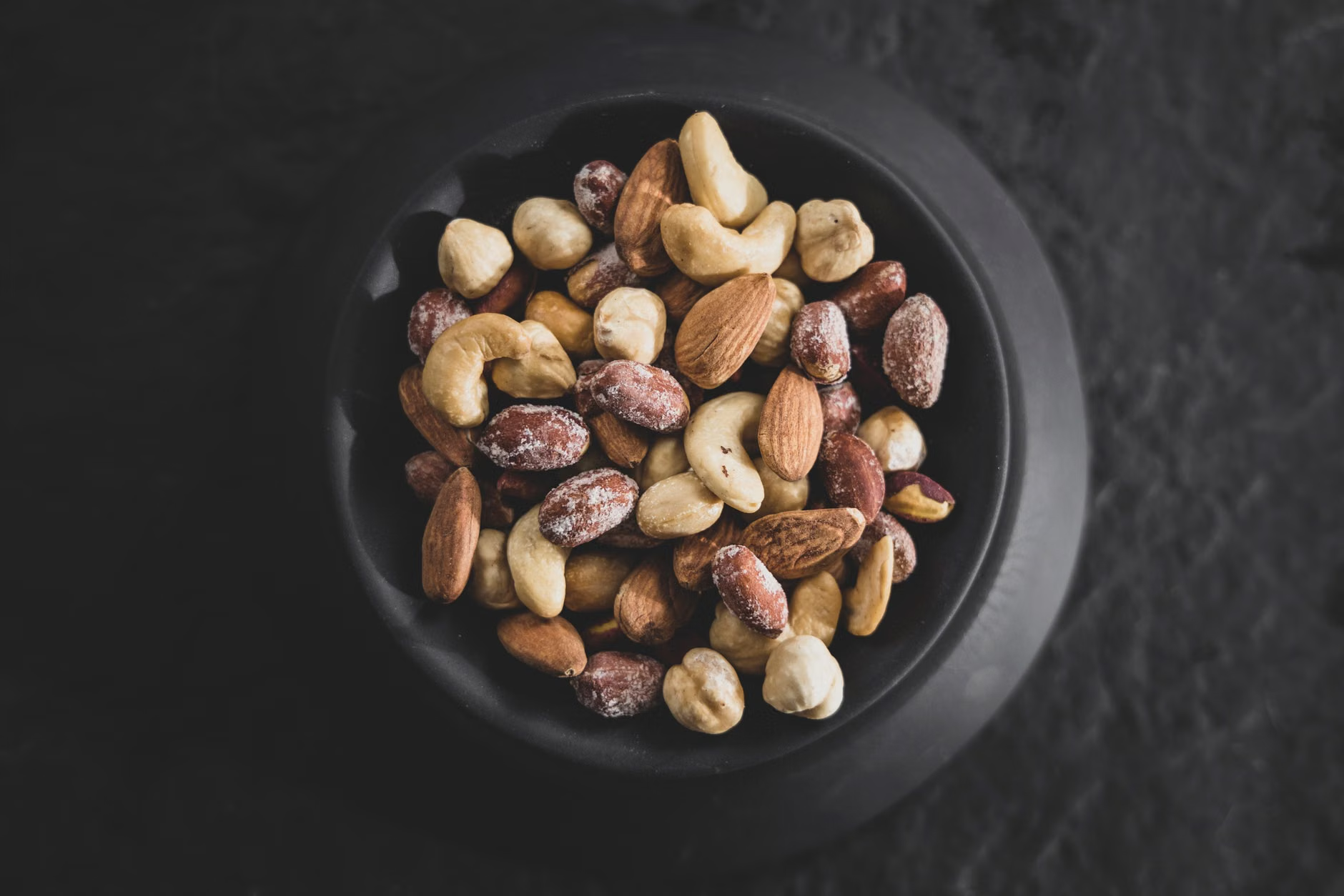
| Almonds | 1 Ounce (dry roasted) | 7.3 mg | Supports heart health; can be consumed as almond butter if whole nuts are difficult to chew. |
| Sunflower Oil | 1 Tablespoon | 5.6 mg | A simple switch from butter or lard for light sautéing. |
| Hazelnuts | 1 Ounce | 4.3 mg | Rich in monounsaturated fats; excellent for brain health. |
| Spinach (Cooked) | 1/2 Cup | 1.9 mg | Provides Vitamin K and Lutein alongside Vitamin E; easy to digest. |
| Avocado | 1/2 Medium fruit | 2.1 mg | Contains healthy fats that help the body absorb the Vitamin E it contains. |
When selecting these foods, consider your specific needs. For example, if you have dental concerns or find hard nuts difficult to manage, almond butter or sunflower seed butter provides the same nutritional profile in a much softer format. Similarly, wheat germ oil should never be used for high-heat frying as the heat destroys the Vitamin E; instead, use it as a finishing oil over a salad or a bowl of oatmeal.
Maximizing Absorption: The Importance of Dietary Fat
Vitamin E is fat-soluble, meaning it requires the presence of fat in the digestive tract to be absorbed into the bloodstream. If you eat a Vitamin E-rich food (like spinach) but do not include any fat in that meal, your body may only absorb a fraction of the available nutrient. This is a common mistake in “low-fat” diets often recommended for heart health.
For a 70-year-old reader, the practical solution is food pairing. If you are having a salad of leafy greens (which contain modest amounts of Vitamin E), you must add a fat source like olive oil, avocado, or a few walnuts. This triggers the gallbladder to release bile, which breaks down the fat and the Vitamin E, allowing them to pass through the intestinal wall.
Another factor in absorption is the health of the digestive system. Conditions such as celiac disease, Crohn’s disease, or certain gallbladder issues can impair the body’s ability to absorb fat-soluble vitamins. If you find that your skin remains chronically dry and flaky despite a high-quality diet, it may be worth discussing “malabsorption” with your doctor rather than simply increasing your intake.
Safety and Risks: The Danger of High-Dose Supplements
While dietary Vitamin E is almost universally safe, Vitamin E supplements are a different story for the 60-80 age group. Many “Senior Multivitamins” or standalone Vitamin E capsules contain doses ranging from 400 IU to 1,000 IU (roughly 268 mg to 670 mg). This is significantly higher than the RDA of 15 mg.
The primary concern for older adults is the anticoagulant effect of high-dose Vitamin E. It can inhibit platelet aggregation and interfere with Vitamin K’s role in blood clotting. If you are taking prescription blood thinners such as Warfarin (Coumadin), Clopidogrel (Plavix), or even daily Aspirin, high doses of Vitamin E can dangerously increase your risk of internal bleeding or hemorrhagic stroke.
Furthermore, research has shown that high-dose Vitamin E supplements do not provide the same cardiovascular or cognitive benefits as Vitamin E obtained through food. In some clinical trials, excessive supplementation was actually linked to an increased risk of heart failure in certain populations. The conclusion is clear: Focus on the grocery store, not the supplement shop, unless a physician has diagnosed a specific deficiency.
Practical Steps for a Vitamin E-Rich Lifestyle
Integrating more Vitamin E into your life doesn’t require a radical diet overhaul. It is about small, consistent choices. Here is a step-by-step approach to optimizing your intake:
- Audit Your Cooking Oil: Replace refined “vegetable oil” (which is often mostly soy or corn oil) with sunflower oil or safflower oil for medium-heat cooking. Use extra virgin olive oil for cold dishes.
- The “Handful” Rule: Aim for one small handful of nuts or seeds daily. If you are concerned about calories, remember that the fats in these foods are highly satiating and may help you eat less later in the day.
- Color Your Plate: Vitamin E is often found in dark green vegetables. Aim for at least one serving of steamed spinach, kale, or Swiss chard daily. Pairing these with a slice of salmon (which contains healthy Omega-3s) creates an ideal environment for absorption.
- Check Your Labels: When buying cereals or plant-based milks, look for those “fortified” with alpha-tocopherol. This can be an easy way to boost intake without changing your habits.
- Monitor Your Skin: Keep a simple diary of skin changes. If you notice improved hydration or less “crepiness” after two months of increased dietary Vitamin E, you are likely on the right track.
Conclusion: A Foundation for Resilient Aging
Vitamin E is not a miracle cure for aging, but it is a fundamental building block for maintaining the body’s structural integrity. By protecting the cell membranes that house our DNA and power our organs, and by reinforcing the skin barrier that protects us from the environment, Vitamin E serves as a vital tool for health in our 60s, 70s, and 80s.
The most important next step for any reader is to evaluate your current fat intake. Ensure you are not avoiding fats so strictly that you are starving your body of this essential antioxidant. Focus on the “whole food” sources listed above, and if you are currently taking a high-dose Vitamin E supplement, make it a priority to discuss the necessity and safety of that supplement with your pharmacist or primary care physician at your next appointment.
For more information on nutrient requirements for older adults, you can consult official resources such as the National Institutes of Health (NIH) Vitamin E Fact Sheet or the Mayo Clinic’s guide to Vitamin E safety.
Frequently Asked Questions
1. Can I get enough Vitamin E if I am on a low-fat diet for heart health?
It is difficult. Since Vitamin E is found in fatty foods and requires fat for absorption, extremely low-fat diets often lead to sub-optimal levels. The key for heart patients is to choose “heart-healthy” fats like those found in almonds, avocados, and sunflower oil, rather than avoiding fat entirely. Always coordinate your dietary changes with your cardiologist.
2. Is “natural” Vitamin E better than “synthetic” Vitamin E?
Yes, in terms of potency. On supplement labels, natural Vitamin E is listed as d-alpha-tocopherol, while the synthetic version is dl-alpha-tocopherol. The body has a specific transport protein in the liver that prefers the natural “d” form, making it about twice as effective. However, getting it from food remains the gold standard.
3. How long does it take to see improvements in my skin after increasing Vitamin E intake?
Skin cells typically take about 28 to 40 days to renew, and this process slows down as we age. You should expect to maintain a consistent dietary change for at least 6 to 8 weeks before noticing visible changes in skin hydration or texture. Consistency is more important than high doses.
Disclaimer: This information is for educational purposes only and does not constitute medical advice, diagnosis, or treatment. Always seek the advice of your physician or other qualified health provider with any questions you may have regarding a medical condition or nutritional changes.