- Seated chest-expansion is a low-impact, accessible way to counteract “forward-leaning” posture common in older adults.
- Consistency is more important than intensity; performing this movement 2–3 times a day for 5 minutes yields better long-term results than one long, strenuous session.
- Always prioritize comfort over range of motion; if you feel sharp pain or numbness, stop immediately and consult a physical therapist.
Seated Chest-Expansion: A Practical Guide to Improving Upper Back Mobility
Maintaining upper back mobility is essential for everyday tasks, from reaching for a shelf to maintaining a comfortable driving posture. As we move into our 60s, 70s, and beyond, the natural curvature of the spine can become more pronounced, leading to rounded shoulders and a forward-leaning head. The seated chest-expansion exercise is a highly effective, safe, and simple tool to counteract these tendencies, helping to open the chest, lengthen the pectoral muscles, and strengthen the muscles between the shoulder blades.
This article explores the mechanics of chest mobility, why it matters for your independence, and how to perform this movement safely in the comfort of your own home.
Understanding Thoracic Mobility and Why It Diminishes
The thoracic spine, or the middle section of your back, acts as the bridge between your neck and your lower back. In daily life, we often perform tasks that pull our shoulders forward—reading, using a computer, cooking, or even gardening. Over time, the muscles in the front of your chest (the pectorals) become tight, while the muscles in the upper back (the rhomboids and trapezius) become chronically stretched and weakened.
Why this matters: When your upper back loses mobility, your shoulders round forward, which shifts your center of gravity. This can lead to neck strain, decreased lung capacity (because the chest cavity is compressed), and an increased risk of falls due to a compromised balance point. Improving thoracic mobility isn’t just about “standing up straight”; it is about preserving the physical freedom required to move through the world comfortably.

Step-by-Step: The Basic Seated Chest-Expansion
You do not need specialized equipment to begin. A sturdy chair without armrests is the best tool for this movement. If you have mobility issues, ensure the chair is placed against a wall to prevent it from sliding.
Step-by-Step Execution
- The Setup: Sit toward the front edge of your chair with your feet flat on the floor, hip-width apart. Maintain a neutral spine—imagine a string pulling the crown of your head toward the ceiling.
- Hand Placement: Reach your hands behind you. You can either clasp your hands together, hold onto the back of the chair, or, if your range of motion is limited, simply reach toward the floor behind your hips.
- The Expansion: As you inhale, gently pull your shoulders back and down, away from your ears. Imagine you are trying to squeeze a pencil between your shoulder blades.
- The Hold: Hold this position for 10 to 15 seconds. Ensure you are not holding your breath; breathe naturally and deeply.
- The Release: Slowly exhale and return your shoulders to their neutral position. Repeat this cycle 5 to 8 times.
Common Mistake: Many people arch their lower back excessively when trying to open their chest. If you feel pinching in your lower back, you are likely compensating. Keep your abdomen gently engaged to protect your lumbar spine.

Enhancing the Stretch: Tools and Modifications
If you find that your hands cannot comfortably reach behind you, or if you want to deepen the stretch, you can use simple household items. The goal is not to force your body into a position but to provide gentle, consistent tension that encourages the muscles to lengthen.
Tools for Success
| Tool | Purpose | Best For |
|---|---|---|
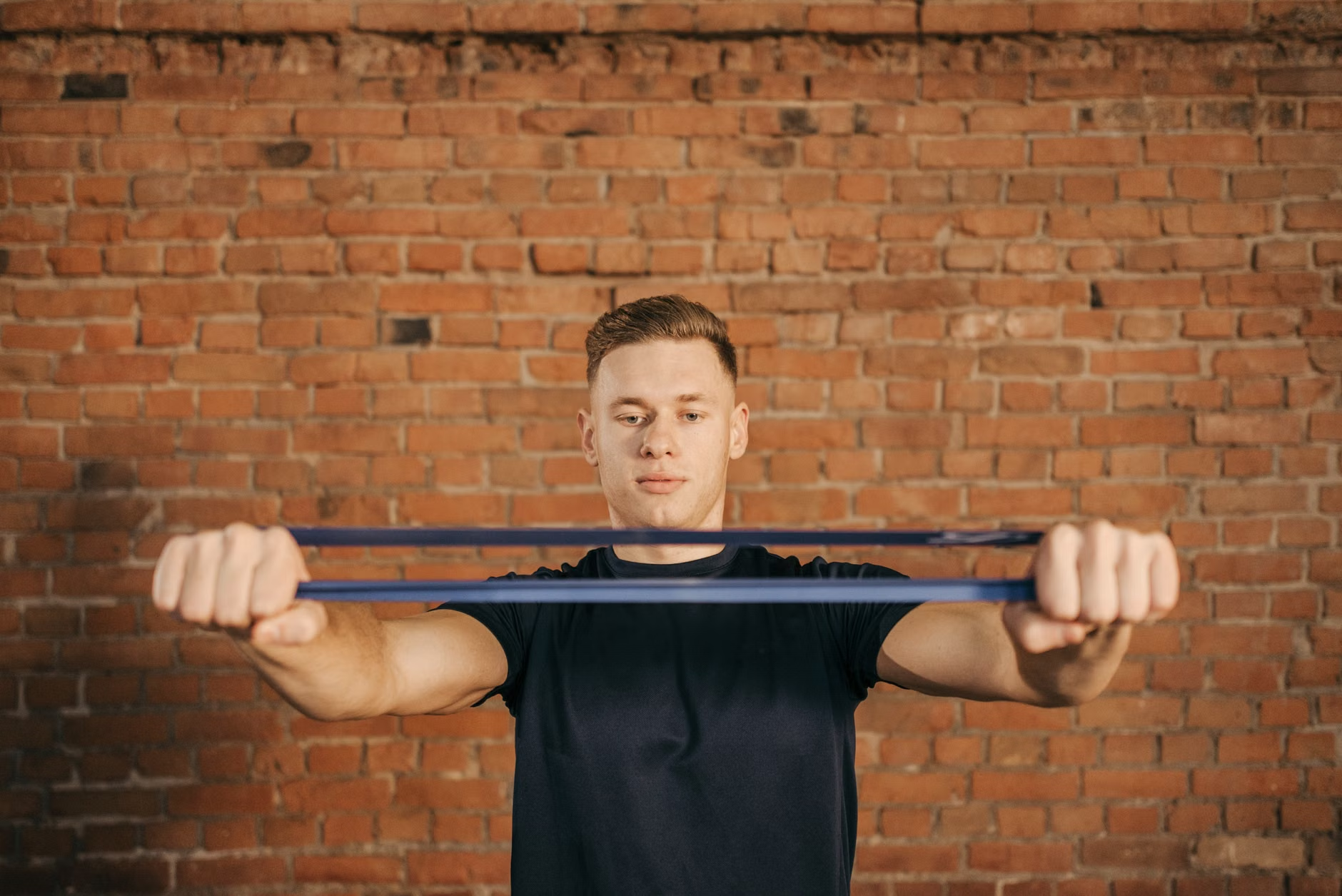
| Resistance Band | Provides gentle resistance and distance between hands. | Those with tight shoulders who cannot clasp hands. |
| Towel or Scarf | Acts as an extension of your arms. | Beginners or those with limited shoulder flexibility. |
| Yoga Block | Used between the shoulder blades for feedback. | Those needing to feel where their shoulder blades are. |
Using a towel or a resistance band is often the most effective method for seniors. By holding the ends of a towel behind your back, you can maintain a wide grip. As your mobility improves over weeks or months, you can gradually move your hands closer together on the towel.
When to Consult a Professional
While stretching is generally safe, it is important to recognize when your body is signaling that you need professional guidance rather than home exercise. If you experience any of the following, pause your routine and speak with a healthcare provider or a licensed physical therapist:
- Sharp, localized pain: A “good stretch” should feel like tension in the muscles, not a stabbing or sharp pain in the joints.
- Numbness or tingling: If you feel “pins and needles” in your hands or arms during the stretch, you may be compressing a nerve.
- Persistent stiffness: If your mobility does not improve after 4–6 weeks of consistent, gentle practice, there may be underlying joint issues, such as osteoarthritis, that require a tailored clinical approach.
When visiting a professional, bring a list of your daily activities. For example, explain how long you sit at a desk or how much time you spend gardening. This helps the therapist understand the specific movement patterns contributing to your stiffness.
Integrating Mobility into Your Daily Routine
The most common reason people fail to see improvements in mobility is a lack of consistency. Thinking of this exercise as a “workout” often leads to skipping days. Instead, view it as a “movement break.”
Building the Habit
- The Morning Routine: Perform three sets of chest expansions while waiting for your coffee to brew.
- The “Commercial Break” Rule: If you watch television, use the commercial breaks as a prompt to perform a set of stretches.
- The Reading/Computer Reminder: If you read or use a tablet, set a timer for every 30 minutes. When it goes off, do one minute of chest expansion to reset your posture.
By breaking the exercise into small, frequent doses, you keep your muscles supple throughout the day rather than allowing them to tighten for hours at a time. This approach is significantly more effective for long-term health than a single 30-minute session once a week.
Advanced Considerations: The Role of Breathing
Chest expansion is intrinsically linked to respiratory health. As the chest tightens, the diaphragm—the primary muscle for breathing—has less room to expand. This can lead to shallow breathing, which reduces the amount of oxygen your body receives and can even contribute to feelings of fatigue.
When performing your seated chest expansion, focus on “diaphragmatic breathing.” Place one hand on your belly and one on your chest. As you expand your chest, focus on drawing the breath deep into your abdomen rather than letting your shoulders rise toward your ears. This technique ensures that you are utilizing the full capacity of your lungs, which in turn helps relax the intercostal muscles between your ribs, further improving mobility.
Safety is paramount when exercising at home. Always ensure your environment is clear of tripping hazards. If you use a chair with wheels, move it to a carpeted area or lock the wheels before starting. If you have a history of dizziness, perform the exercise near a sturdy table you can hold onto if you lose your balance.
For those living with caregivers, this exercise can be a shared activity. A caregiver can assist by gently placing their hands on your shoulder blades to provide tactile feedback, helping you understand where to engage the muscles. However, remember that the goal is for you to develop the muscle memory to perform the movement independently.
Conclusion: The Path to Better Posture
Improving upper back mobility is a journey of small, consistent steps. By dedicating just a few minutes a day to seated chest-expansion, you are taking an active role in maintaining your physical independence. Remember, the goal is not to achieve a perfect pose but to create a sustainable habit that allows you to move through your day with greater ease and comfort.
Start today with just two or three repetitions. Listen to your body, celebrate the small improvements in your range of motion, and recognize that you are building the foundation for a more mobile, comfortable future.
Resources for Further Learning
- National Institute on Aging: Four Types of Exercise for Seniors
- Arthritis Foundation: Stretching Tips for Safety
Frequently Asked Questions (FAQ)
1. How long does it take to see results from chest-expansion exercises?
Most individuals notice a reduction in stiffness within 2 to 3 weeks of daily practice. However, significant changes in posture often take 3 to 6 months of consistent, daily effort. It is a gradual process of retraining your muscles.
2. Can I do this exercise if I have had shoulder surgery?
If you have had recent surgery or have a history of shoulder injuries, you must consult your surgeon or a physical therapist before starting. They can provide specific modifications or range-of-motion limits that are safe for your unique recovery status.
3. Does my age limit how much mobility I can regain?
Age is not a barrier to improving mobility. While tissues may become less elastic over time, the body remains adaptive. Many people in their 80s see meaningful improvements in their comfort and range of motion through consistent, gentle stretching.