- Ankle dorsiflexion acts as a “second heart” for the legs, utilizing the calf muscles to pump blood back toward the heart.
- Consistent, gentle movement can significantly reduce fluid buildup (edema) and stiffness, especially for those who spend long periods sitting.
- Safety is paramount: perform these exercises with stable posture and stop immediately if you experience sharp pain or unusual discomfort.
Seated Ankle Dorsiflexion: A Simple Habit for Improving Lower Limb Circulation
For adults aged 60 to 80, maintaining healthy blood flow in the lower limbs is essential for mobility, independence, and overall comfort. One of the most effective, accessible, and overlooked methods to support this is the seated ankle dorsiflexion. This movement—the act of pulling your toes upward toward your shin—activates the calf muscles, which act as a pump to encourage venous blood return from the feet and legs back to the heart.
Understanding the “Calf Muscle Pump”
When you are sitting or standing for extended periods, gravity works against your circulatory system. Blood and lymph fluid can pool in the lower extremities, leading to sensations of heaviness, swelling (edema), and stiffness. This is where the “calf muscle pump” comes into play.
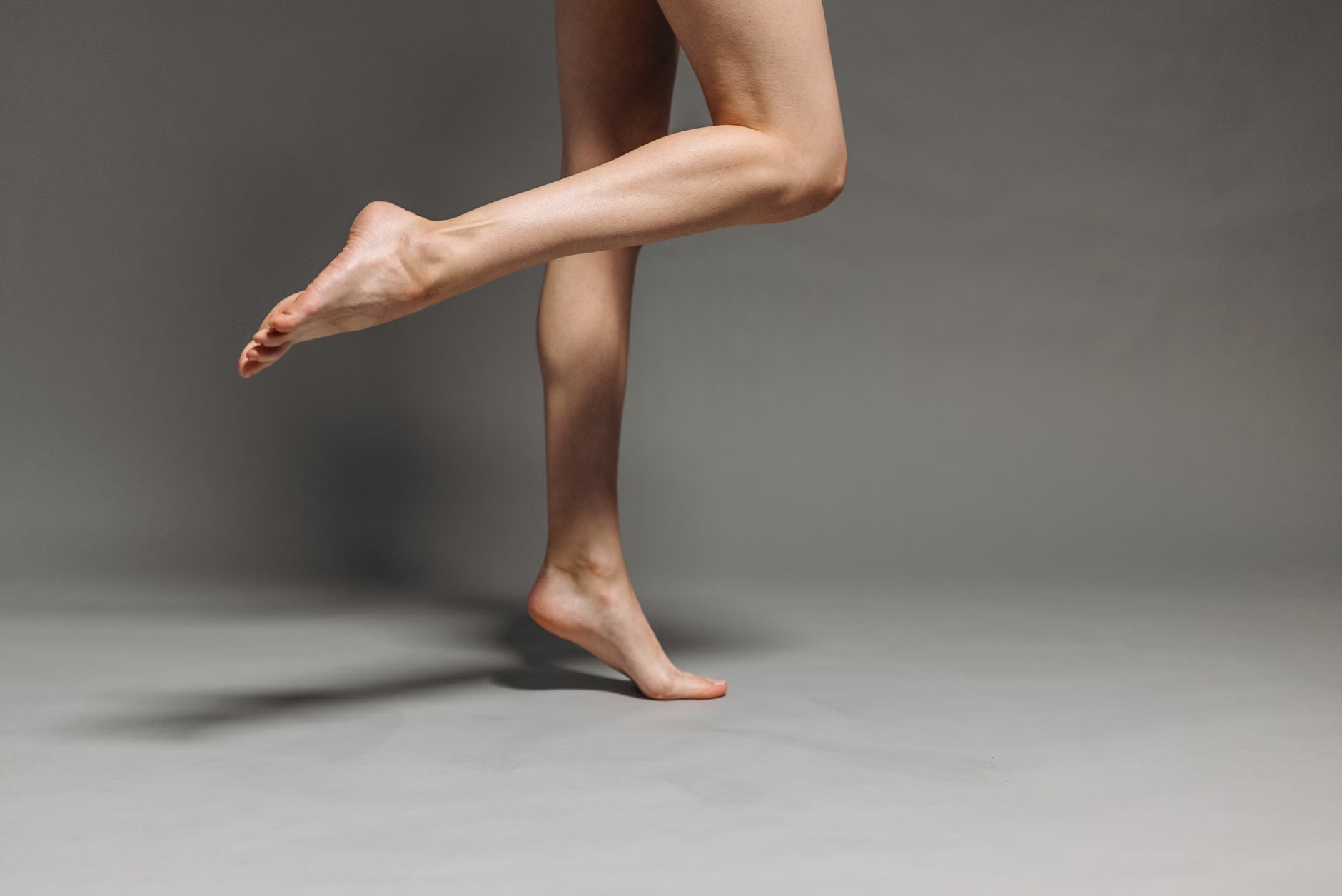
The calf muscles, specifically the gastrocnemius and soleus, are located in the lower leg. When these muscles contract, they squeeze the deep veins, pushing blood upward against the force of gravity. Because veins have one-way valves, this rhythmic squeezing ensures that blood moves in the correct direction rather than pooling in the feet.
Why Dorsiflexion Matters
Dorsiflexion is the specific movement of flexing the ankle so that the foot moves toward the shin. By performing this movement while seated, you engage the tibialis anterior muscle (on the front of the shin) and encourage the calf muscles to relax and contract effectively. For an older adult, this is not just an exercise; it is a functional tool for managing the daily physical reality of aging, such as reduced arterial elasticity or slower circulation.
Getting Started: The Proper Technique
The beauty of seated ankle dorsiflexion is that it requires no special equipment and can be done anywhere—at your desk, while watching television, or even while waiting at a transit station. However, technique is vital to ensure you are engaging the correct muscles without putting undue strain on your joints.
Step-by-Step Execution
- Find a stable seat: Choose a chair that provides support. Your feet should be able to rest flat on the floor with your knees bent at approximately a 90-degree angle.
- Positioning: Sit tall with your weight evenly distributed on your sitting bones. Avoid slouching, as a compressed torso can interfere with optimal circulation.
- The Motion: Keep your heels firmly planted on the ground. Slowly lift your toes and the front of your feet as high as you comfortably can, pointing them toward your shins.
- The Return: With control, lower your toes back to the floor. Do not simply let them drop; the controlled descent is just as important as the lift.
- Repeat: Perform 10 to 15 repetitions per set. You may aim for 3 sets throughout the day.
Common Mistakes and How to Avoid Them
Even simple movements can be done incorrectly, which may lead to muscle fatigue or ineffective results. Being mindful of these common errors will help you maximize the benefits.
| Mistake | Why it happens | Correction |
|---|---|---|
| Lifting the heel | Trying to “do more” than necessary. | Focus on keeping the heel glued to the floor; the pivot point must be the ankle. |
| Moving too quickly | Treating the movement as a chore. | Slow down. A 2-second lift and a 2-second lower creates better muscle engagement. |
| Holding your breath | Tensing up the upper body. | Breathe rhythmically. Exhale on the lift, inhale on the return. |
If you find that you are consistently lifting your heel, try placing a thin towel under the ball of your foot. This provides tactile feedback; if the towel slides away or your heel lifts, you know you are deviating from the correct form.
Integrating Movement into Your Daily Routine
The effectiveness of this exercise relies on consistency rather than intensity. It is far better to perform 10 repetitions every two hours than to do 100 repetitions once a week. For many older adults, the challenge is not the exercise itself, but remembering to do it.
Practical Triggers for Consistency
- The “Advert Break” Rule: If you are watching TV, use every commercial break as a prompt to perform two sets of ankle pumps.
- The “Morning Coffee” Routine: While waiting for your coffee to brew or while sitting with your first cup of the day, perform your dorsiflexion sets.
- Reading/Digital Time: If you are reading a book or checking your emails, keep a sticky note on your monitor or near your chair as a visual reminder.
When to Seek Professional Advice
While seated ankle dorsiflexion is generally considered safe and beneficial, it is important to understand when this simple movement might not be enough or when it could be masking an underlying issue. If you experience persistent swelling in only one leg, redness, warmth, or sudden sharp pain, these may be indicators of conditions that require medical evaluation, such as Deep Vein Thrombosis (DVT) or venous insufficiency.
Warning Signs: If you notice that your legs remain swollen even after rest, or if the skin on your lower legs becomes discolored or feels tight and shiny, please consult a healthcare professional. These are not signs that you should simply “exercise more” but rather indicators that a diagnostic check is necessary.
When you visit a healthcare professional, bring a simple log of your symptoms. Note when the swelling occurs, what you were doing at the time, and whether the swelling subsides after elevation. This information is invaluable for your doctor in determining whether the issue is related to circulation, heart function, or medication side effects.
Advanced Considerations: Adding Resistance
Once you have mastered the basic range of motion and find that your muscles have adapted, you may consider adding light resistance. This is not about building bodybuilder calves, but about maintaining the functional strength needed for walking, balance, and stair climbing.
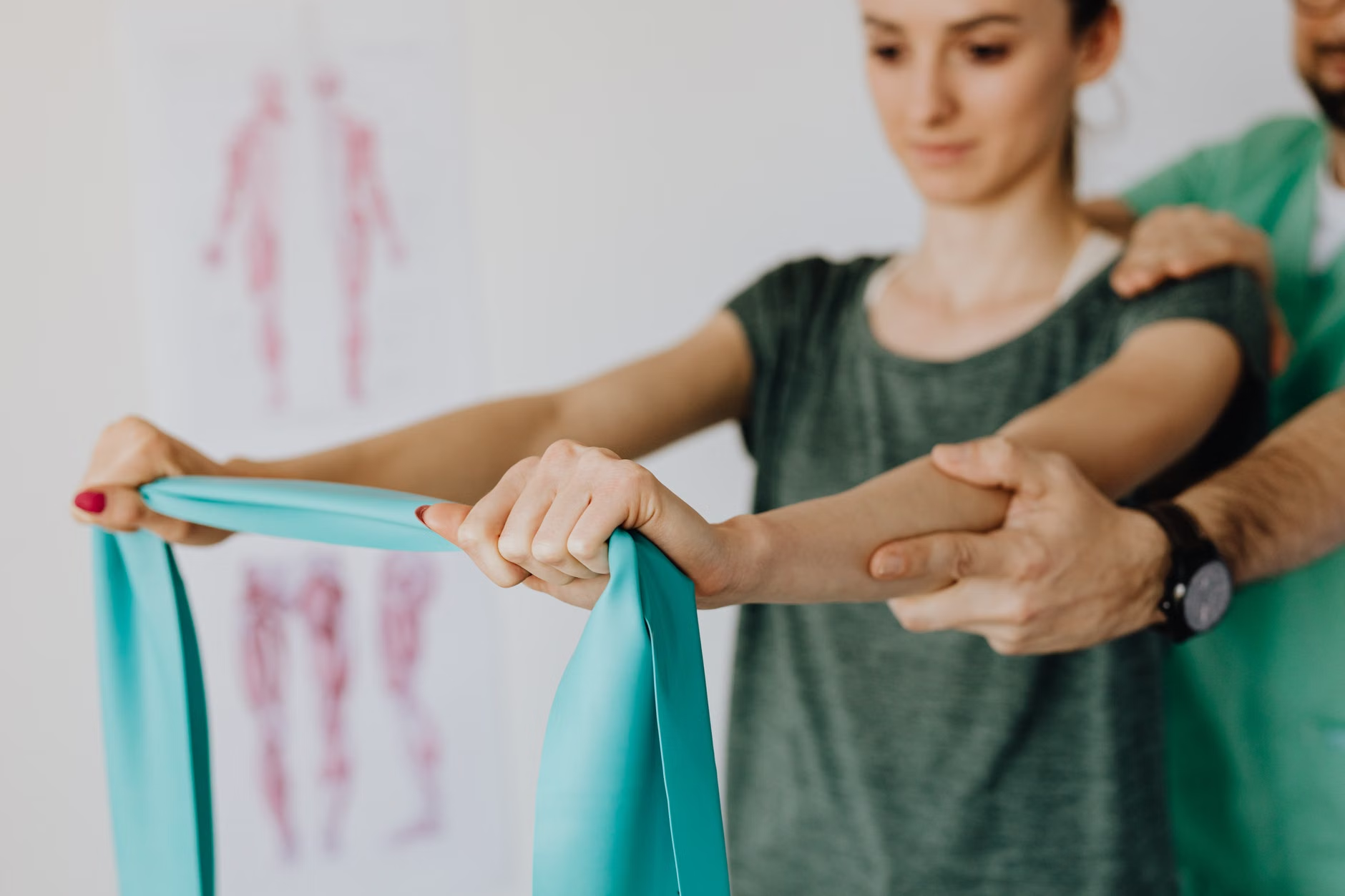
You can use a light-resistance exercise band (often called a TheraBand). Sit with your leg extended, loop the band around the ball of your foot, and hold the ends. Pull your toes against the resistance of the band. Always ensure the band is secure and that you are using a resistance level that allows you to maintain perfect form. If you find yourself shaking or unable to complete the full range of motion, return to the unweighted version.
Lifestyle Factors Influencing Circulation
Movement is only one piece of the puzzle. For circulation to be optimal, other lifestyle factors must be addressed. Hydration, for instance, plays a significant role in blood volume and viscosity. While you should follow any specific fluid intake guidelines provided by your doctor, particularly if you have heart or kidney concerns, maintaining adequate hydration is generally supportive of healthy circulation.
Furthermore, consider your footwear. Even when sitting, tight shoes or socks can act as a tourniquet, restricting blood flow. If you are sitting for a long period, it is often beneficial to remove your shoes or at least loosen the laces to allow your feet to expand naturally.
The Role of Elevation
While dorsiflexion is an active intervention, passive intervention is equally important. When you are resting, elevating your feet to a level above your heart (or at least parallel to the floor) uses gravity to assist the return of blood to the heart. Combining active dorsiflexion with periods of elevation is a powerful strategy for managing lower limb health.
Conclusion: Building a Sustainable Habit
The goal of incorporating seated ankle dorsiflexion is to build a habit that supports your long-term mobility. Start small, focus on the quality of the movement, and observe how your legs feel throughout the day. By taking these small, deliberate steps, you are actively investing in your physical comfort and independence.
Remember that the body thrives on variety. While dorsiflexion is excellent, it should be part of a broader repertoire of gentle movements, including seated knee extensions, shoulder rolls, and deep breathing. Listen to your body, respect your limits, and enjoy the process of keeping your circulation flowing smoothly.
Frequently Asked Questions
- How often should I perform these exercises? Aim for several times throughout the day, especially if you have been sitting for more than an hour. Consistency is more important than the total number of repetitions.
- Can I do this if I have arthritis in my ankles? Generally, yes, as it is a low-impact movement. However, if you feel sharp, grinding pain, stop and consult with a physical therapist to ensure the movement pattern is appropriate for your specific joint health.
- Does this replace walking or other forms of exercise? No. Seated dorsiflexion is a supplement to, not a replacement for, regular physical activity like walking, swimming, or strength training. It is a “micro-habit” to support circulation during sedentary periods.
Disclaimer: This article is for informational purposes only and does not constitute medical advice. Always consult with a healthcare professional before starting any new exercise program, especially if you have existing health conditions or concerns regarding your circulation.
Official guidance on physical activity for older adults can be found through the World Health Organization (WHO) physical activity guidelines.
To further understand why this matters, consider the physiology of the venous system. Unlike the arterial system, which has the heart as a high-pressure pump, the venous system relies on low-pressure mechanisms. The “calf pump” is essentially the primary engine for the legs. When we reach our 60s, 70s, and 80s, the elasticity of our vein walls can naturally decrease, and the efficiency of the one-way valves can diminish. This is why “venous pooling” becomes more common. By performing dorsiflexion, you are essentially performing a manual override of this aging process, providing the necessary mechanical force to assist your body in its natural functions.
It is also worth noting that the temperature of your environment can affect circulation. In colder weather, blood vessels naturally constrict to conserve heat, which can make the legs feel stiffer. During these times, keeping your feet warm with appropriate socks and performing your dorsiflexion exercises can help counteract the natural tendency for blood flow to slow down in the extremities. Conversely, in hot weather, blood vessels dilate, which can lead to increased fluid accumulation in the lower legs. In both scenarios, the mechanical action of the calf muscle remains a reliable way to encourage flow.
For those who travel, particularly on long-distance flights or train rides, these exercises are essential. The phenomenon of “economy class syndrome” or travel-related venous stasis is a well-documented risk. By making a conscious effort to perform ankle pumps every 30 to 60 minutes during transit, you are taking a proactive step in your travel safety. Always choose an aisle seat if possible to allow for easier movement and to facilitate the ability to stretch your legs periodically.