- Boron is a trace mineral that plays a supportive role in calcium metabolism, which is essential for maintaining bone density and structural integrity in older adults.
- Rather than relying on supplements, the most effective way to obtain boron is through a balanced diet rich in fruits, vegetables, nuts, and legumes.
- Before starting any high-dose boron supplementation, consult with your healthcare provider to check for potential interactions with existing medications or underlying health conditions.
For many adults between the ages of 60 and 80, maintaining skeletal integrity and joint mobility is a primary focus of health management. While calcium and vitamin D are widely discussed, other trace minerals—such as boron—often fly under the radar. Boron is not just a chemical element found in the earth; it is a bioactive trace mineral that, when consumed in appropriate amounts, supports the body’s ability to process essential nutrients for bone and joint health.
This article explores the role of dietary boron, how it functions within your body, and how you can incorporate it into your daily routine to support your long-term wellbeing.
Understanding Boron: What It Is and Why It Matters
Boron is a trace mineral that exists naturally in the environment, primarily in soil and water. In the human body, it is categorized as a “trace” element because we only require it in very small amounts. However, its influence on physiological processes is significant.
Research suggests that boron influences the metabolism of key minerals like calcium, magnesium, and phosphorus. These minerals are the building blocks of your skeletal system. By helping the body regulate how these minerals are absorbed and excreted, boron acts as a “facilitator” that helps ensure your bones receive the materials they need to stay strong.
Beyond bone density, boron has been studied for its potential role in joint comfort. Preliminary observations indicate that individuals with higher dietary boron intake may experience less discomfort related to joint stiffness. While this does not mean boron is a “cure” for arthritis or other degenerative conditions, it highlights the importance of micronutrient balance in supporting the body’s natural maintenance processes.
The Relationship Between Boron and Bone Density
As we age, the rate of bone remodeling shifts. Our bodies naturally break down bone tissue faster than they build it up, which can lead to a decrease in bone mineral density. This is why fall prevention and bone health become critical priorities for those in the 60-80 age bracket.
Boron contributes to this process by interacting with the hormones that regulate bone turnover. Specifically, it is thought to influence the levels of estrogen and vitamin D in the body. Since vitamin D is crucial for calcium absorption, maintaining an adequate level of boron can indirectly support your bone density efforts.
Practical Application: Real-Life Scenarios
Imagine a scenario where an individual is diligent about taking their calcium supplement but fails to consume a varied diet. If their body lacks the trace minerals necessary to “process” that calcium—such as boron, magnesium, and vitamin K—the supplement may not be as effective as it could be. This is why nutritionists often emphasize “food-first” strategies; nutrients found in whole foods rarely come alone. They come in a complex matrix that the body is evolved to process efficiently.
Sources of Boron: How to Incorporate It Into Your Diet
You do not need to hunt for exotic foods to get enough boron. Most of the best sources are common, affordable items found in any local grocery store. The goal is consistent, moderate intake rather than high-dose spikes.
| Food Group | Examples | Why It’s Useful |
|---|---|---|
| Fruits | Apples, pears, grapes, dates | Easy to snack on; high fiber content supports digestion. |
| Legumes | Chickpeas, lentils, kidney beans | Excellent plant-based protein and mineral source. |
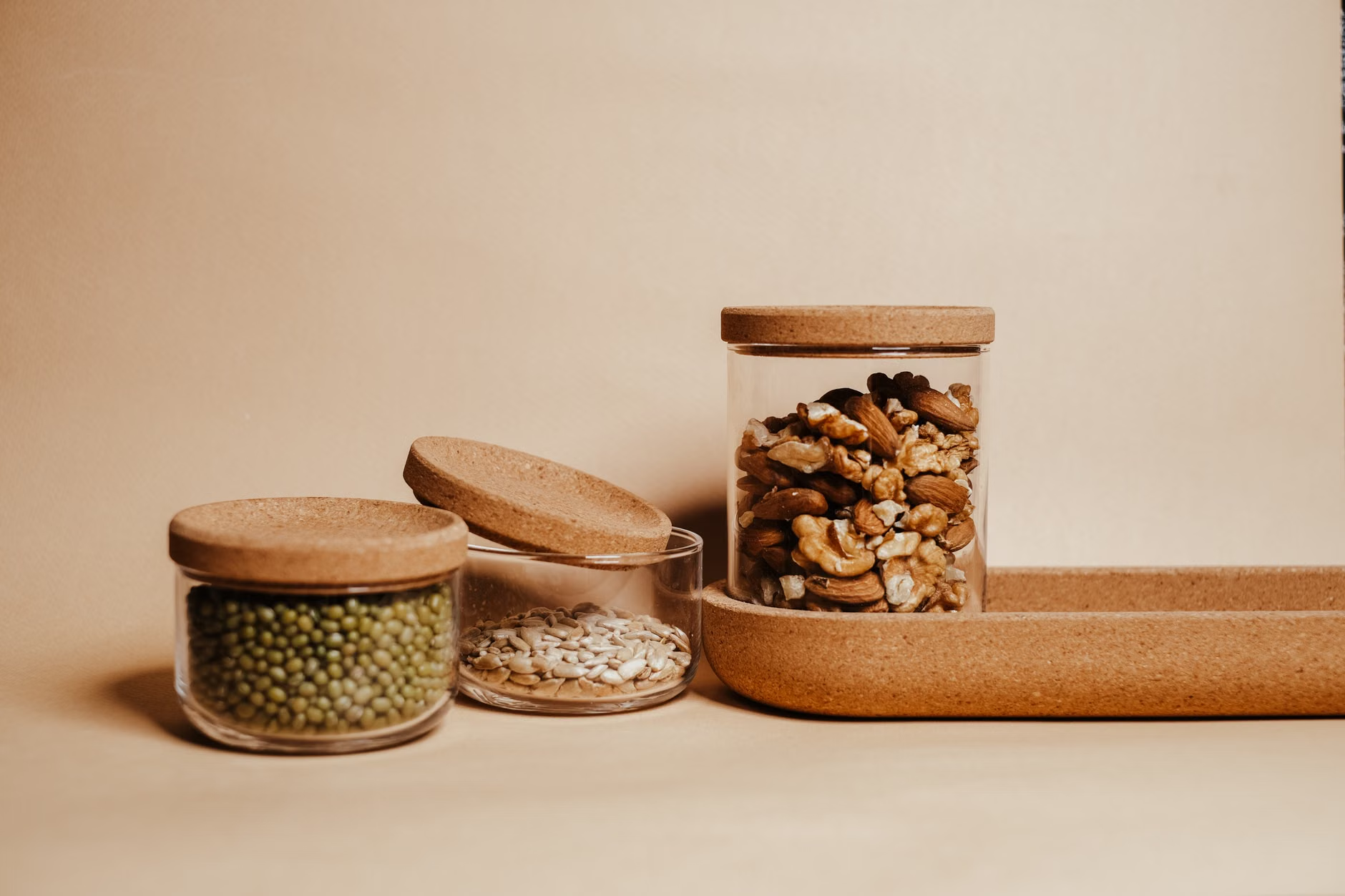
| Nuts | Almonds, hazelnuts, walnuts | Healthy fats for heart and brain health. |
| Vegetables | Broccoli, carrots, leafy greens | Low calorie, high nutrient density. |
The table above highlights that boron is ubiquitous in a plant-forward diet. If you follow a Mediterranean-style eating pattern, you are likely already consuming adequate amounts of boron without needing to track it specifically.
There is a common misconception that if a little is good, a lot must be better. When it comes to trace minerals, this is rarely true. Boron supplements are available, but they are generally not necessary for the average healthy adult. In fact, excessive intake of boron can lead to adverse effects, including digestive distress or interference with other hormonal balances.
When to Consult Your Doctor
If you are considering a boron supplement, you must speak with your healthcare provider, especially if you fall into these categories:
- You are taking hormone-related medications: Because boron can influence hormonal activity, it may interact with treatments for hormone-sensitive conditions.
- You have kidney concerns: The kidneys are responsible for excreting excess minerals. If your kidney function is impaired, you are at a higher risk of mineral accumulation.
- You are on a multi-supplement regimen: Taking several different mineral supplements simultaneously can lead to “nutrient competition,” where one mineral prevents the absorption of another.
Before your next appointment, create a simple list of all supplements and medications you currently take. This allows your doctor to identify any potential interactions that you might have overlooked.
Lifestyle Habits That Support Bone and Joint Health
Boron is just one piece of the puzzle. To truly support your bones and joints, you must combine nutritional intake with physical activity and injury prevention. Think of boron as the “lubricant” for the engine, but the engine itself requires regular use to stay in working order.
1. Weight-Bearing Exercise
Bones respond to stress. When you engage in weight-bearing exercises—such as brisk walking, dancing, or light resistance training—you send a signal to your body to maintain bone density. Even 20 minutes of daily activity can make a significant difference over the course of a year.
2. Hydration and Joint Fluid
Joints rely on synovial fluid for lubrication. Staying hydrated ensures this fluid remains at an optimal consistency, which reduces friction during movement. If you find plain water boring, infuse it with slices of lemon or cucumber to increase your intake throughout the day.

3. Fall Prevention at Home
The greatest threat to bone health in the 60-80 age group is a fracture resulting from a fall. Evaluate your living space for “trip hazards.” Common culprits include loose rugs, poor lighting in hallways, and cluttered floor spaces. Addressing these physical environment factors is far more effective for bone health than any supplement could ever be.
The Importance of Consistency Over Perfection
Many people feel overwhelmed by the constant stream of nutritional advice. It is important to remember that health is not built in a day. It is the result of thousands of small, consistent decisions. Choosing to eat an apple instead of a processed snack, or choosing to walk to the mailbox instead of driving, are the real drivers of long-term health.
If you find that your diet is lacking in fruits and vegetables, do not try to change everything at once. Start by adding one serving of a boron-rich food to your lunch. Monitor how you feel, how your digestion responds, and how your energy levels change. This approach allows you to build sustainable habits that fit your lifestyle.
Beyond the Basics: Overlooked Variables
One variable often overlooked in bone health is the role of systemic inflammation. Chronic inflammation can hinder the body’s ability to repair tissue. Factors such as smoking, excessive alcohol consumption, and chronic sleep deprivation can all increase inflammation, effectively canceling out the benefits of a “perfect” diet. Addressing these lifestyle factors is as critical as ensuring you have adequate boron, calcium, and vitamin D.
Furthermore, be aware of “hidden” dietary habits. For example, some people consume high amounts of caffeine, which can increase calcium excretion. While you don’t necessarily have to give up your morning coffee, being mindful of your total intake can help you balance your mineral needs more effectively.
Practical Steps for Your Next Checkup
When you visit your healthcare provider, use this checklist to have a productive conversation about your bone health:
- Ask about a DEXA scan: This is a standard test for measuring bone mineral density. Ask your doctor if it is time for you to have one.
- Review your current medications: Some common medications (like certain steroids or antacids) can affect bone density.
- Discuss your diet: Ask your doctor if they believe your current eating patterns provide enough micronutrients for your specific health goals.
- Share your activity level: Be honest about how much you move. Your doctor can provide advice on exercises that are safe for your specific joint health status.
By bringing these points to your appointment, you transform a passive medical visit into an active collaboration. You are the expert on your body; your doctor is the expert on the science. Together, you can create a plan that prioritizes your mobility and structural health for the years to come.
Conclusion: A Balanced Approach to Longevity
Boron is a remarkable trace mineral that deserves a place in our understanding of senior nutrition. Its role in supporting bone density and joint comfort is a testament to how even the smallest components of our diet can have a profound impact on our quality of life. However, it is never a substitute for a comprehensive approach to health.
Focus on a diet rich in whole foods, stay active, maintain a safe living environment, and keep an open dialogue with your healthcare provider. These are the pillars of aging well. By integrating boron-rich foods into your daily routine, you are taking a proactive, practical step toward maintaining your strength and independence.
Frequently Asked Questions
1. Can I get enough boron from a multivitamin?
Most general multivitamins contain very small amounts of boron. If you are eating a balanced diet that includes fruits, vegetables, and nuts, you are likely already meeting your needs. Always check the label of your multivitamin to see if it includes boron and in what dosage.
2. Is there a “best” time of day to eat boron-rich foods?
There is no specific time of day that increases the effectiveness of boron. The most important factor is consistency. Incorporating these foods into your regular meals ensures a steady supply of nutrients throughout the day, which is better for your body than trying to “time” your intake.
3. Are there any warning signs that I might have a boron deficiency?
There is no simple, widely used medical test to diagnose a specific “boron deficiency.” Because boron is found in so many common foods, a true deficiency is rare in people who eat a varied diet. If you are experiencing symptoms like joint pain or concerns about bone density, it is better to discuss these symptoms with a doctor to identify the root cause rather than assuming a mineral deficiency.
Sources and further reading:
- National Institutes of Health (NIH) Office of Dietary Supplements: https://ods.od.nih.gov/ (Search for “Boron” for general nutritional guidance).
- World Health Organization (WHO) Guidelines on Healthy Diet: https://www.who.int/news-room/fact-sheets/detail/healthy-diet