- Isometric neck retraction is a gentle, movement-free exercise that strengthens the deep neck flexors to support the head’s weight.
- Consistency over intensity: Performing small, controlled sets throughout the day is more effective and safer than one strenuous session.
- Posture is systemic: Neck health is intrinsically linked to upper back and shoulder positioning; true relief requires adjusting your entire seated environment.
Understanding the Mechanics of Forward Head Posture
As we age, the cumulative effect of gravity and daily habits—such as reading, using digital devices, or looking down at tasks—often leads to a forward head posture. In clinical terms, this is often referred to as “anterior head carriage.” While it may seem like a minor aesthetic concern, the biological reality is quite taxing on the musculoskeletal system.
The human head weighs approximately 4.5 to 5.5 kilograms (10 to 12 pounds). When the head shifts forward by even a few centimeters, the leverage placed on the cervical spine (the neck) increases exponentially. For every inch of forward lean, the effective weight the neck muscles must support can double. Over time, this leads to chronic muscular fatigue, stiffness, and discomfort in the upper back and shoulders.
The seated isometric neck retraction is a targeted method to counteract this. Unlike dynamic exercises that involve rotating or bending the neck, “isometric” means the muscle contracts without the joint moving through a range of motion. This provides the strengthening benefits of resistance training while minimizing the risk of irritation to the cervical joints or discs.

Why Isometric Exercises are Suitable for Older Adults
For individuals aged 60 to 80, the primary goal of any exercise regimen is to maintain function without inducing injury. Isometric exercises are particularly well-suited for this demographic for three specific reasons:
- Joint Protection: By avoiding repetitive bending or twisting, you reduce the mechanical friction on the facet joints in the neck.
- Controlled Intensity: You dictate the force of the contraction. If you feel any resistance or discomfort, you can instantly reduce the pressure.
- Low Equipment Requirement: These exercises can be performed anywhere—at the kitchen table, on a park bench, or in a recliner—making them highly sustainable for daily routines.
It is important to note that if you have a history of cervical spine surgery, severe osteoarthritis, or neurological symptoms (such as numbness or tingling in the hands), you should consult with a physical therapist or healthcare provider before beginning any new exercise routine. These professionals can perform a physical assessment to ensure that your specific anatomy is compatible with retraction exercises.
Step-by-Step: Performing the Seated Isometric Neck Retraction
To perform this movement effectively, focus on the quality of the motion rather than the force of the contraction. Follow these steps to ensure you are targeting the correct muscles.
| Step | Instruction | Key Focus |
|---|---|---|
| 1. Initial Setup | Sit upright with your feet flat on the floor and your spine against the back of a chair. | Ensure your pelvis is neutral, not slouched. |
| 2. Eye Level | Keep your gaze fixed on a point directly in front of you at eye level. | Do not look up or down; keep the chin parallel to the floor. |
| 3. The Retraction | Gently draw your chin straight back as if trying to make a “double chin.” | Imagine a string pulling the crown of your head toward the ceiling. |
| 4. The Hold | Maintain this retracted position for 5 to 10 seconds. | Breathe normally; do not hold your breath. |
| 5. Release | Slowly return to your natural, relaxed starting position. | Do not snap the head forward. |
Common Mistake: Many beginners tilt their chin downward toward their chest. This is a “chin tuck” that focuses on the front of the neck but misses the deeper postural muscles. The goal is to pull the head straight back, keeping the chin perfectly level. Think of your head sliding along a horizontal track rather than pivoting on a hinge.

Integrating Postural Support into Daily Life
Exercises are only half the battle. If you perform your neck retractions for five minutes but spend the next five hours hunched over a laptop or a book, the exercise will struggle to produce lasting results. Environmental adjustment is a critical, often overlooked variable in senior health.
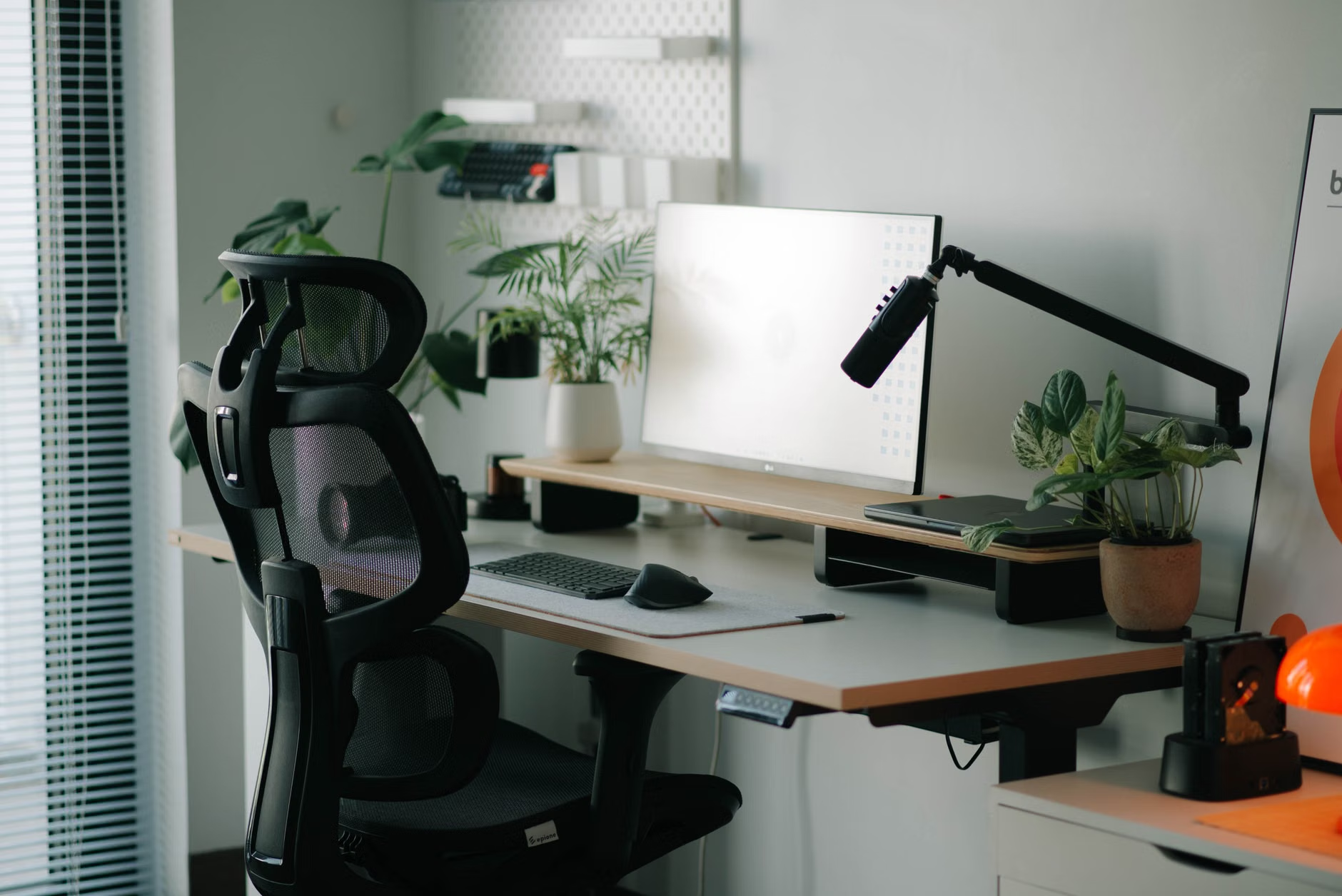
Ergonomic Considerations for the Home
- Eye-Level Viewing: Ensure your television, computer monitor, or tablet is positioned so that you do not have to look down. Use a stand or a stack of books to elevate screens.
- Chair Support: If your chair is too deep, your pelvis may slide forward, causing your upper back to round. Use a small lumbar cushion or a rolled-up towel to support the natural curve of your lower back, which naturally helps align the neck.
- Reading Habits: When reading a physical book, bring the book up to your eye level rather than lowering your head to the book. This simple shift reduces the strain on the cervical extensors significantly.
Identifying When to Seek Professional Guidance
While isometric exercises are generally safe, they are not a solution for all forms of neck pain. It is vital to recognize the difference between “muscular fatigue” and “pathological pain.”
Seek professional medical advice if you experience:
- Radicular Pain: Sharp, shooting pain, numbness, or tingling that travels down into your shoulders, arms, or fingers. This may indicate nerve impingement.
- Sudden Onset: Pain that occurs immediately following a fall, bump to the head, or sudden movement.
- Progressive Weakness: If you notice you are dropping objects more frequently or having difficulty with fine motor tasks (like buttoning a shirt), this requires a professional neurological evaluation.
When visiting a doctor or physical therapist, bring a list of your daily activities, the specific times of day when pain is worst, and a record of any medications you are taking. Being prepared helps your practitioner distinguish between mechanical postural issues and other conditions that may require different treatment approaches.
The Role of Consistency and Patience
Muscular adaptation in the neck takes time. Do not expect significant changes in posture after a single day. The deep neck flexors are small muscles that are often “asleep” due to years of poor posture. Think of this process as “waking them up.”
Start with three repetitions, twice per day. As you become more comfortable, you can increase to five repetitions, three times per day. The key is to avoid over-fatigue. If your neck feels sore or stiff the next day, reduce the duration of your hold or the frequency of your sets. The objective is to gently re-educate the muscles, not to exhaust them.
Consider linking your exercise to a daily habit. For example, perform your neck retractions every time you sit down to eat a meal or every time you finish a chapter in your book. By “habit-stacking,” you ensure that the exercise becomes an automated part of your day rather than a chore you have to remember.
Advanced Nuances: The Shoulder-Neck Connection
A deeper insight into neck health is that the neck cannot be isolated from the shoulders. In many older adults, the muscles of the upper back (the trapezius and rhomboids) are tight, which pulls the shoulders forward and, by extension, pulls the head forward. If you find the neck retraction difficult to perform, it may be because your shoulders are “locked” in a forward position.
Try this: Before performing your neck retractions, perform a few shoulder rolls. Bring your shoulders up toward your ears, back, and then down. This helps open the chest and places the shoulder blades in a more stable position against the rib cage. When your shoulder blades are “set” properly, you will find that it is much easier to maintain a neutral head position.
Furthermore, consider your sleep environment. If your pillow is too high, your neck is forced into a flexed position all night. If it is too flat, your neck may be extended. A pillow should ideally support the natural curve of the neck, keeping it in line with the rest of your spine while you are lying on your side or back. If you wake up with neck stiffness, your pillow height is the first thing you should evaluate.
Conclusion: Building a Foundation for Long-Term Comfort
Improving your neck posture is a journey of small, daily adjustments. The seated isometric neck retraction is a powerful tool because it is accessible, safe, and effective at strengthening the structures that keep your head upright and your spine aligned. By combining this exercise with an ergonomic home environment and an awareness of your daily movement patterns, you can significantly reduce the strain on your cervical spine.
Remember that your goal is to support your body’s natural function, not to force it into a rigid position. Listen to your body, stay consistent, and prioritize the quality of your movement. With time, these small actions will accumulate into a noticeable improvement in your daily comfort and physical vitality.
Frequently Asked Questions
1. How long does it take to see improvements in neck posture?
Most individuals notice a reduction in daily tension within 2 to 4 weeks of consistent, daily practice. However, structural changes in posture—such as a more neutral resting head position—can take several months of continued habit reinforcement.
2. Can I do this exercise while standing?
Yes, you can perform the isometric neck retraction while standing. In fact, standing against a wall can provide helpful feedback; simply stand with your heels, glutes, and upper back against the wall, then gently draw your chin back toward the wall without letting your head tilt up or down.
3. Is there a specific time of day that is best for this exercise?
There is no “best” time, but performing these movements during breaks from sedentary activities (like computer work, knitting, or watching TV) is most effective, as it helps counteract the cumulative strain of those specific tasks.
Official guidance on physical activity for older adults can be found through international health organizations such as the World Health Organization (WHO), which emphasizes the importance of maintaining muscle strength and functional mobility as part of a healthy aging strategy.