The 2026 global standards for age-inclusive wearable health monitors prioritize clinical-grade accuracy, high-contrast visibility, and simplified data sharing to ensure adults aged 60 to 80 can manage their preventive health with confidence and independence.
Key Takeaways
- Standardized Accessibility: By 2026, certified devices must feature “High-Visibility Modes” with a minimum 18pt font and voice-guided navigation to accommodate varying levels of vision and dexterity.
- Clinical Reliability: Global standards now require wearable sensors to meet ISO 80601-2-60 benchmarks, ensuring that heart rate and blood oxygen readings are accurate enough for professional medical consultation.
- Simplified Data Sovereignty: New regulations mandate that health data must be shareable with family or doctors via a single-tap “Export Report” function, removing the technical barriers of manual data entry.
Understanding the 2026 Standards for Age-Inclusive Design
As we move into 2026, the landscape of wearable technology has shifted from general fitness tracking to rigorous health monitoring. For the global population of older adults, this transition is supported by new international standards led by the International Organization for Standardization (ISO) and the International Electrotechnical Commission (IEC). These standards are not just technical specifications; they are a response to the specific needs of users who may face challenges with small screens, complex menus, or skin sensitivity.
The 2026 standards focus on “Universal Usability.” This means a device should be usable by someone with arthritis, mild visual impairment, or limited experience with digital interfaces without requiring a steep learning curve. In real life, this looks like a watch that doesn’t just buzz when you have a notification, but uses distinct haptic patterns (vibrations) to tell you if it’s a “low battery” warning or a “heart rate alert.”
What this means for you is a move away from “fiddly” gadgets. The 2026-compliant devices prioritize automatic background monitoring. You no longer need to “start” a sleep tracker or “tell” the watch you are walking. The device recognizes these patterns autonomously, reducing the cognitive load on the user. For a 75-year-old managing hypertension, a compliant device provides a seamless way to track trends that can be discussed during a quarterly check-up with a general practitioner.
Physical Ergonomics: More Than Just a Pretty Watch
One of the most overlooked aspects of wearable technology for seniors is the physical impact on the skin and ease of wear. The 2026 standards introduce strict guidelines on biocompatibility and fastening mechanisms. As skin tends to become thinner and more sensitive with age, the materials used in the bands and the sensor casing must be hypoallergenic and breathable.
Fastening and Charging Innovations
Traditional watch buckles can be difficult for those with reduced grip strength or tremors. The 2026 standards encourage the use of magnetic “wrap” bands or “expansion” bands that do not require precise finger movements. Furthermore, charging has moved toward universal wireless pads. Instead of trying to plug a tiny USB cable into a small slot, you simply place the device on a flat surface. This eliminates one of the most common reasons seniors stop using their devices: the frustration of charging.
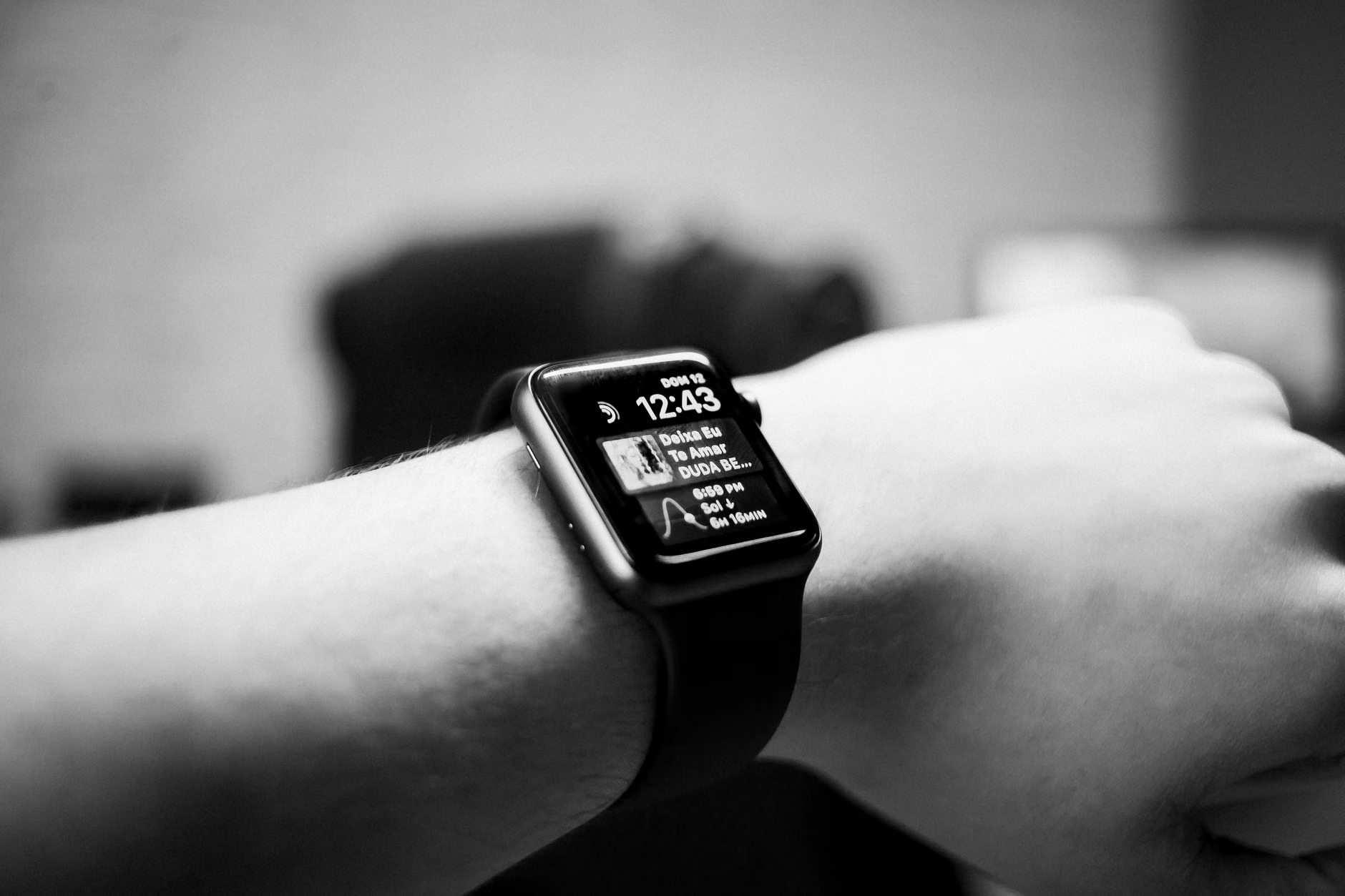
What to look for: When choosing a device, check if the band is “Standard 22mm” or “Standard 20mm.” This allows you to swap the original band for a third-party magnetic or Velcro strap if the one in the box is uncomfortable. A device that feels heavy (over 50 grams) may cause wrist fatigue over 24 hours of wear. Aim for lightweight aluminum or reinforced polymer casings.
Clinical Accuracy: Distinguishing Wellness from Medical Data
By 2026, the gap between a “toy” and a “tool” has been clearly defined by regulatory bodies like the FDA (USA), EMA (Europe), and TGA (Australia). For an older adult, the most critical sensors are those monitoring heart rhythm (ECG), blood oxygen (SpO2), and blood pressure trends. However, it is vital to understand that no wearable replaces a professional medical diagnosis.
The Role of PPG and ECG Sensors
Most wearables use Photoplethysmography (PPG)—the green light on the back of the watch—to measure heart rate. While excellent for general trends, it can be less accurate during high-intensity movement or if the watch is worn too loosely. The 2026 standards require “Signal Quality Indicators.” If the watch cannot get a good reading, it will tell you to “Adjust the strap” rather than giving you a potentially frightening, incorrect number.
| Feature | Standard Requirement (2026) | Practical Benefit for Seniors |
|---|---|---|
| Heart Rate (AFib) | Background Irregular Rhythm Notifications (IRN) | Early detection of potential heart issues before symptoms appear. |
| Fall Detection | Multi-axis accelerometer + Barometric pressure | Distinguishes between “sitting down quickly” and a real fall. |
| Blood Oxygen | Certified for rest and sleep monitoring | Helps identify signs of sleep apnea or respiratory changes. |
| Blood Pressure | Cuffless trend monitoring (Calibration required) | Tracks daily fluctuations without the hassle of a bulky cuff. |
Decision Rule: If you have a known heart condition, prioritize a device with “On-demand ECG” (Electrocardiogram). This allows you to take a 30-second reading when you feel a palpitation, creating a PDF report you can email to your cardiologist. If your main concern is general fitness, a high-quality PPG sensor is sufficient and usually results in better battery life.
Data privacy is a significant concern for the 60-80 age group, who often value discretion and security. The 2026 standards mandate “Localized Processing.” This means your most sensitive data—like your exact GPS location or specific heart rhythm patterns—is processed on the watch itself rather than being immediately sent to a cloud server. This “Edge Computing” approach significantly reduces the risk of data breaches.
For family members and caregivers, the 2026 standards have introduced “Consent-Based Mirroring.” This allows a daughter in London to see the activity levels of her father in Sydney, but only the data he chooses to share. For instance, he might share “Fall Alerts” and “Step Counts” but keep “Sleep Data” private. This maintains the user’s dignity and autonomy while providing a safety net.
The “Red Button” Protocol
Every 2026-standard wearable must have a clear “Emergency SOS” function. In real-life terms, this is often a physical button that, when held for three seconds, calls emergency services and sends your location to your “In Case of Emergency” (ICE) contacts. Practical Tip: When setting up a new device, the first step should always be to test the SOS sequence (without actually calling 911/999) to ensure the user is comfortable with the pressure required to activate it.
The Interface Revolution: Readability and Voice Control
The days of squinting at tiny icons are over. 2026-compliant devices must offer a “Senior Mode” or “Simplified UI.” This interface uses high-contrast colors (yellow on black or white on dark blue) which are easier to read for those with cataracts or macular degeneration. Icons are replaced by large, text-based buttons.
Voice control has also become a standard. Instead of navigating through menus to find “Sleep Data,” you can simply ask the watch, “How did I sleep last night?” The AI-driven assistants in 2026 are designed to understand natural language and different accents, making them much more reliable than the assistants of five years ago. This is particularly useful for those with Parkinson’s or other conditions that affect fine motor skills.
Common Mistake: Many users leave the screen brightness on “Auto.” For older eyes, “Auto” is often too dim. A practical step is to manually set the brightness to 80% and increase the “Screen Timeout” to at least 15 seconds. This gives you enough time to read the information without the screen turning off prematurely.
How to Choose: A Practical Decision Guide
Choosing a wearable in 2026 depends on your specific lifestyle and health goals. There is no “one size fits all.” Use the following criteria to narrow down your options:
Scenario A: The Active Traveler (Aged 60-70)
If you enjoy hiking, traveling, and staying active, prioritize battery life and GPS accuracy. You want a device that lasts at least 5-7 days so you don’t have to worry about charging while on a cruise or a walking tour. Look for “Rugged” certifications (MIL-STD-810H) to ensure the watch can handle accidental bumps against suitcase handles or airplane seats.
Scenario B: The Health-Conscious Homebody (Aged 70-80)
If your goal is monitoring chronic conditions like hypertension or heart health, prioritize sensor suite and ease of reporting. A device that integrates directly with common health apps (like Apple Health, Google Fit, or Samsung Health) is essential. Ensure the device has “Passive AFib Detection,” which works in the background while you go about your day.
Scenario C: The Minimalist (Any Age)
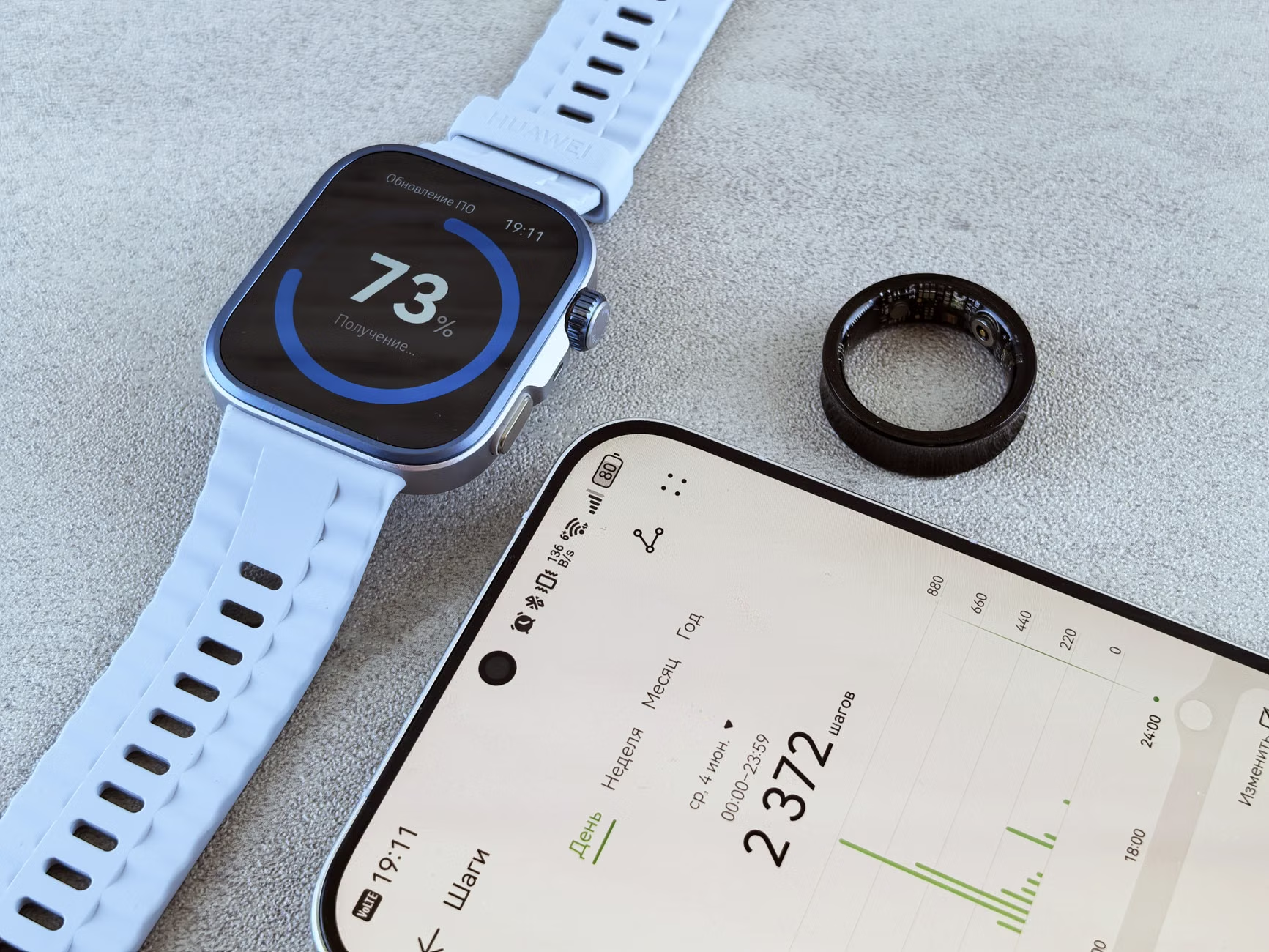
If you dislike the look of a smartwatch, consider a smart ring or a discreet patch. By 2026, smart rings have reached parity with watches for heart rate and sleep tracking. They have no screen, which means fewer distractions, but they require a smartphone to view any data. This is an excellent option for those who prefer traditional jewelry but want the safety of fall detection.
Maintenance and Long-Term Use: The First 48 Hours
The success of a wearable health monitor is often decided in the first 48 hours. Follow this checklist to ensure a smooth experience:
- The “Comfort Test”: Wear the device for a full night. If you wake up with an itchy wrist or a red mark, the strap is too tight or the material is not right for your skin. Swap to a fabric or “breathable” silicone strap immediately.
- Notification Culling: By default, new watches alert you for every email and social media post. This is overwhelming. Turn off everything except for “Phone Calls,” “Text Messages,” and “Health Alerts.” This preserves battery and reduces “technostress.”
- Emergency Contact Setup: Ensure your ICE contacts are correctly synced. Test the “Fall Detection” sensitivity. Some devices allow you to set a “delay” before they call for help, giving you time to cancel the alert if you just dropped the watch on the floor.
Future Outlook: The Ethics of AI Health Coaching
By 2026, many devices include an “AI Health Coach.” This feature analyzes your data and gives advice, such as “You seem restless; perhaps a 10-minute walk would help.” While useful, it is important to maintain a healthy skepticism. These are algorithms, not doctors. If the AI suggests a change in your activity level that feels wrong or causes pain, always prioritize your body’s signals over the device’s suggestions.
The “Right to Repair” movement has also influenced the 2026 standards. Manufacturers are now encouraged to make batteries replaceable or provide long-term software support (at least 5 years). This is a victory for seniors, as it means your investment won’t become “obsolete” just because a new model is released next year.
Summary: Your Path to Proactive Health
The 2026 standards for age-inclusive wearables have turned these devices from “luxury gadgets” into “essential health companions.” By focusing on accessibility, accuracy, and ease of use, they empower older adults to stay ahead of potential health issues while maintaining their independence.
Your next action: Before purchasing, visit a physical store to try on different models. Check if you can read the screen without your glasses and if you can operate the buttons or touch interface comfortably. If buying for a family member, involve them in the “strap selection” and “notification setup” to ensure they feel in control of the technology rather than burdened by it.
For more information on global health technology standards, you can visit the International Organization for Standardization (ISO) or the World Health Organization (WHO) Digital Health portal.
Frequently Asked Questions
1. Do I need a smartphone to use a 2026-standard health monitor?
While some “standalone” models with their own SIM cards exist, most wearables still require a smartphone for the initial setup and for viewing detailed long-term health reports. However, the 2026 standards ensure that the daily use of the watch (checking heart rate, receiving alerts) can be done entirely on the wrist without touching a phone.
2. Is the fall detection 100% accurate?
No technology is 100% accurate. While the 2026 standards have significantly reduced “false alarms” (like when you clap your hands or chop vegetables), “slow falls” or sliding out of a chair may sometimes go undetected. It should be used as one part of a safety plan, not the only solution.
3. Will my health insurance cover the cost of a wearable?
This varies by country and provider. In many regions, insurance companies are beginning to offer rebates or subsidized devices for seniors who participate in “Preventive Wellness Programs.” Check with your provider to see if a “Clinically Validated Wearable” (ISO 80601-2-60 compliant) qualifies for a discount or premium reduction.