- Community watercolor groups provide more than just art instruction; they offer structured social interaction that combats isolation and fosters cognitive engagement.
- Watercolor painting is an accessible hobby for older adults as it requires minimal physical exertion while promoting fine motor control and concentration.
- Success in a community group depends on finding the right balance between structured learning and casual, peer-to-peer social time.
For many adults aged 60 to 80, the transition into retirement or a slower pace of life brings a search for activities that offer both intellectual stimulation and meaningful social connection. While there are countless ways to spend one’s time, few hobbies bridge the gap between individual creativity and communal belonging as effectively as watercolor painting groups. These gatherings provide a unique environment where the focus is not on the outcome of the painting, but on the process of learning and the joy of sharing the experience with others.
The Cognitive and Physical Benefits of Watercolor Painting
Engaging in artistic activities, particularly watercolor painting, offers a unique set of benefits for the aging brain and body. Unlike more physically demanding hobbies, watercolor painting can be adapted to almost any level of physical mobility, making it an inclusive choice for those who may have limited stamina or mobility issues.
Fine Motor Skills and Hand-Eye Coordination
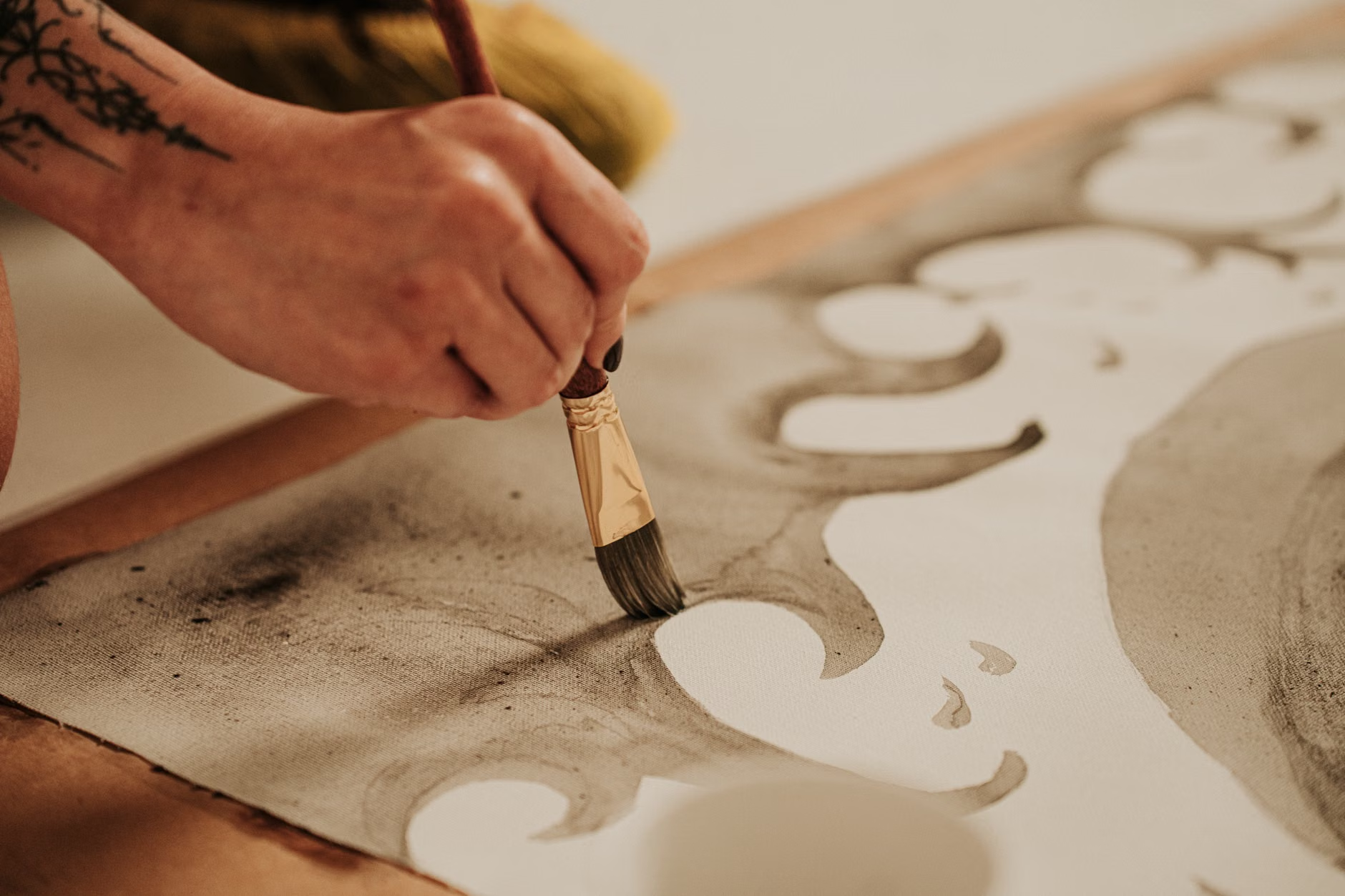
The act of holding a brush, mixing pigments, and applying paint to paper requires a high degree of fine motor control. Over time, these repetitive, deliberate movements help maintain the dexterity in the hands and fingers. For individuals who may experience mild stiffness associated with aging, the gentle, rhythmic nature of painting serves as a low-impact exercise for the joints.
Cognitive Engagement and Concentration
Watercolor is a medium that requires planning and focus. Choosing colors, understanding the water-to-pigment ratio, and observing how paint behaves on paper engages multiple areas of the brain. This form of “flow”—a state of complete immersion in an activity—is associated with reduced stress levels and improved mood. It allows the mind to step away from daily worries and focus on the immediate, tangible task at hand.
The Social Dynamics of Community Art Groups
The true value of a community watercolor group often lies in the social environment it creates. Unlike a formal classroom setting where the focus is strictly on technical instruction, community groups often prioritize the “social glue” that keeps individuals engaged and connected.
Building a Supportive Peer Network
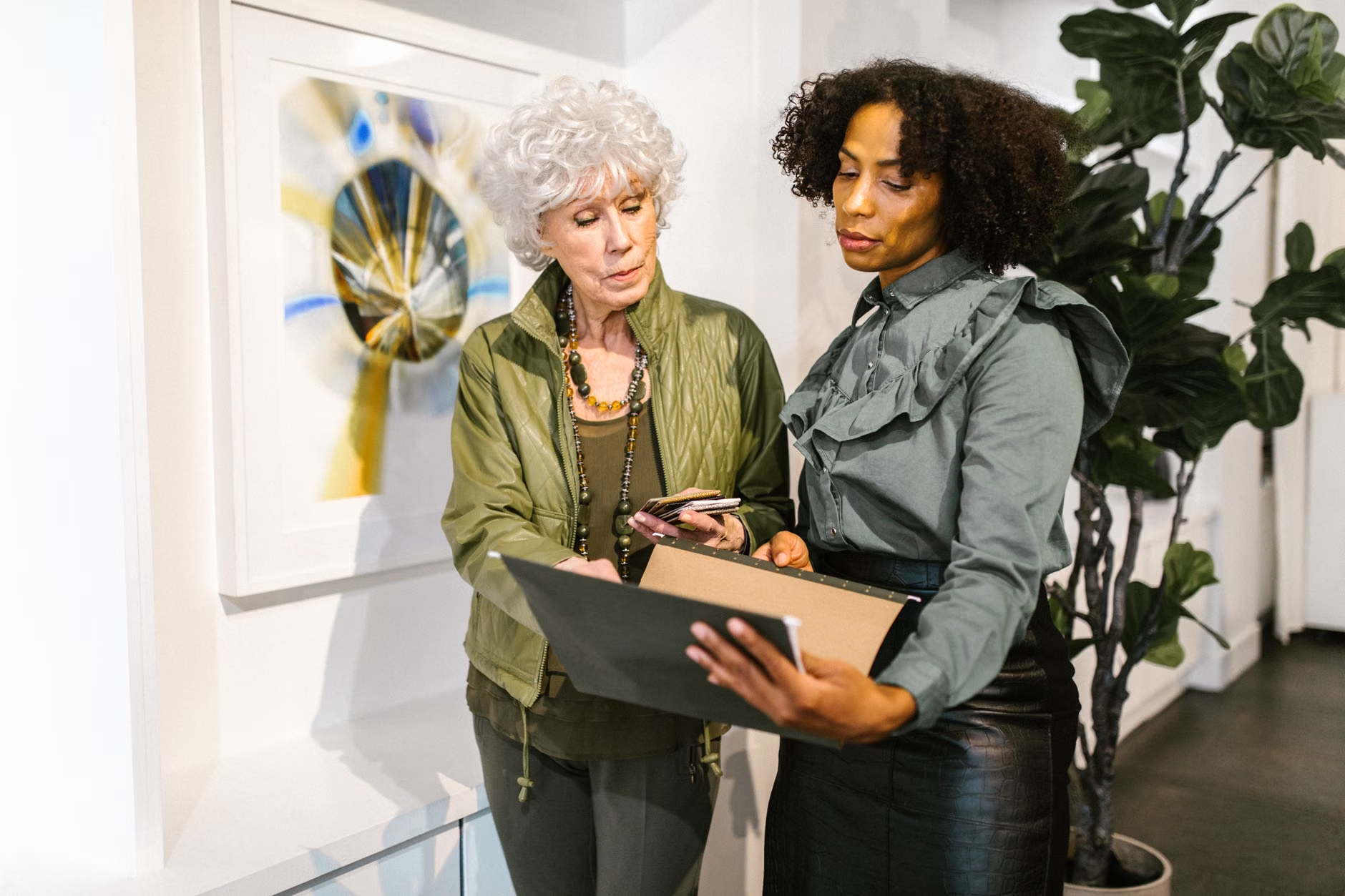
One of the most significant challenges for adults in their 60s, 70s, and 80s is maintaining a robust social circle. When you join a weekly or monthly painting group, you are entering a space where common interests serve as an icebreaker. Conversations naturally flow from the technique of the painting to shared life experiences, travel stories, or local news. This creates a low-pressure environment where friendships can form organically.
In a group setting, everyone is a student at some level. Seeing how others approach the same subject matter—whether it is a landscape, a floral arrangement, or an abstract piece—provides a sense of perspective. It normalizes the process of making mistakes, which is an inherent part of watercolor painting. When one participant struggles with a wash and another offers a tip, it builds a culture of mutual support rather than competition.
Choosing the Right Group for Your Needs
Not all watercolor groups are created equal. When looking for a local group, it is important to consider your personal goals, your physical requirements, and the logistics of the location. Below is a comparison of common group types to help you decide which environment might suit your current lifestyle.
| Group Type | Primary Focus | Best For |
|---|---|---|
| Structured Class | Technical skill building and curriculum. | Those who want to learn specific techniques and prefer a clear roadmap. |
| Casual Social Club | Peer support and conversation. | Those who want to paint in a relaxed environment with low pressure. |
| Workshop/Seminar | Deep-dive into a specific style or topic. | Those who want an intensive, short-term challenge. |
When selecting a group, consider the accessibility of the venue. Check for comfortable seating, adequate lighting, and easy access to water stations and restrooms. If you have mobility concerns, a group that meets in a single-level community center with elevator access is preferable to one held in a historic building with stairs.
Practical Considerations for Getting Started
Starting a new hobby can feel daunting, but watercolor painting is remarkably accessible. You do not need a massive studio or an expensive array of supplies to begin. In fact, starting with a basic set of materials is often better, as it prevents you from feeling overwhelmed by equipment choices.
Essential Starter Checklist
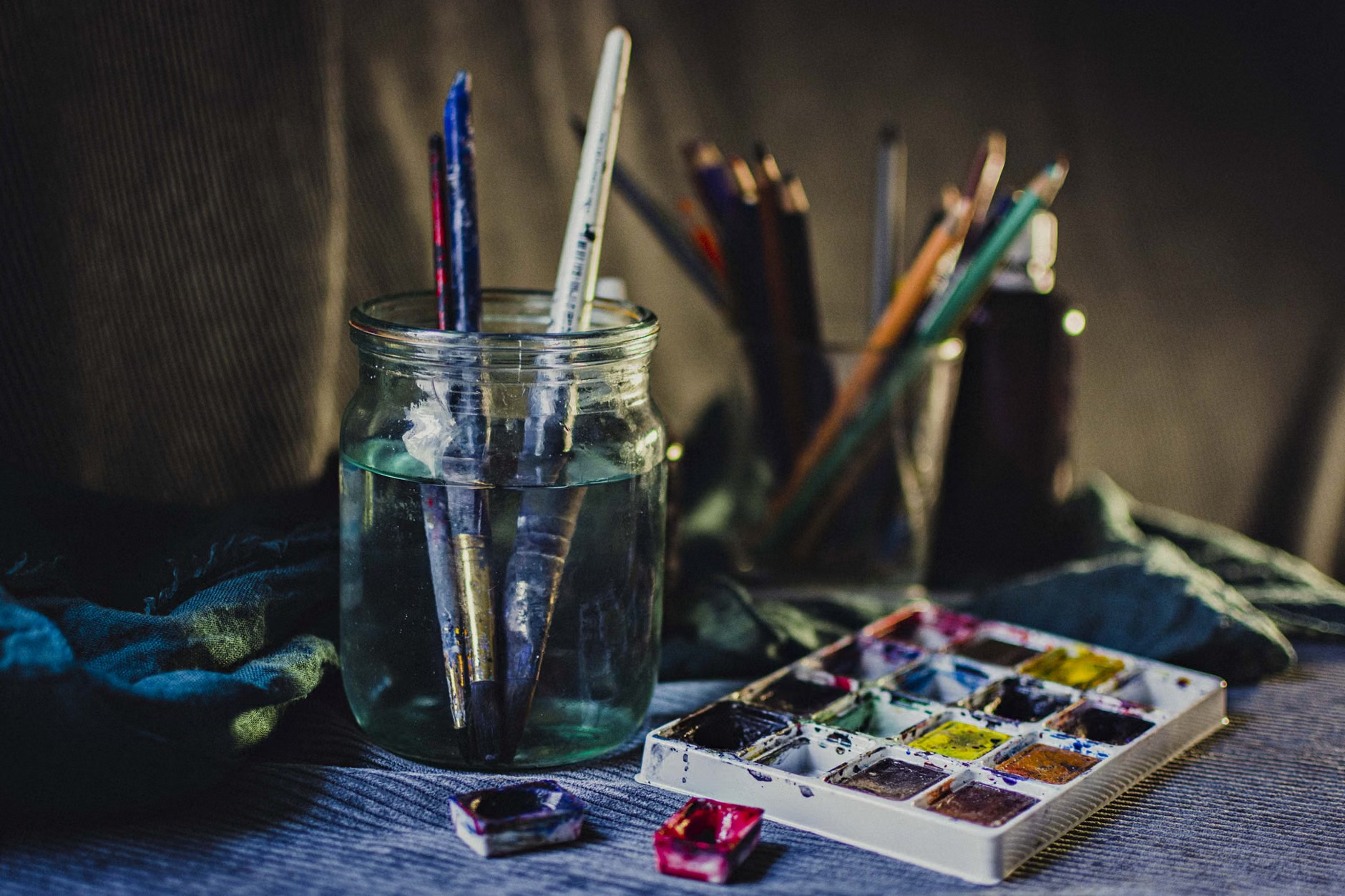
- Paint: A small set of “pan” watercolors (solid cakes) is easier to manage than tubes.
- Brushes: Two or three synthetic round brushes (sizes 6, 8, and 12) are sufficient for most beginners.
- Paper: Use “cold press” watercolor paper (at least 140lb or 300gsm) to prevent buckling.
- Accessories: Two jars for water (one for rinsing, one for clean water), a paper towel, and a simple plastic palette.
The most common mistake beginners make is purchasing low-quality paper. Even with the best paints, poor-quality paper will frustrate you because it does not absorb water correctly. Investing in decent paper is the single most effective way to ensure your painting experience is enjoyable.
Overcoming Potential Barriers
It is natural to feel hesitant about starting something new, especially if you feel your artistic skills are “rusty” or non-existent. However, the goal of a community group is not to produce gallery-ready art; it is to explore creativity. If you find yourself worried about your “lack of talent,” remember that art is a skill that develops through practice, not an innate gift that one either has or does not have.
Managing Stamina and Comfort
If you find that sitting for long periods is uncomfortable, look for groups that encourage “open studio” hours where you can come and go as you please. Taking regular breaks to walk around, stretch, and look at others’ work is not only encouraged but beneficial for your creative process. If you have any specific physical limitations, such as grip strength issues, look for brushes with ergonomic, thicker handles, which are often sold at art supply stores or can be easily modified with foam grips.
The Importance of Consistency
The benefits of these groups are cumulative. Going once and feeling discouraged is common; going five times creates a rhythm and a sense of belonging. The social connection you build with the “regulars” in the group will often be the primary motivator for returning, even on days when you feel less inspired to paint.
Expanding Your Horizons: Beyond the Canvas
As you become more comfortable with the group, you may find that the hobby starts to influence other aspects of your life. Many people report that they begin to “see the world like a painter”—noticing the play of light on a building, the subtle variations of green in a park, or the way shadows stretch in the late afternoon. This heightened observation is a form of mindfulness that enriches daily life, regardless of whether you are holding a brush or simply taking a walk.
Furthermore, these groups often evolve. It is not uncommon for a painting group to organize a trip to a local gallery or a botanical garden for “plein air” (outdoor) painting. These outings provide a low-stress way to travel and explore your local area, adding a layer of adventure to your hobby.
For some, art is used as a complementary activity alongside professional care. If you are currently managing a health condition, painting can be an excellent way to maintain a sense of agency and focus. While painting is not a medical treatment, it can be a vital part of a holistic approach to well-being. Always ensure that your participation in a group aligns with any advice from your healthcare team, particularly if you have conditions that affect your vision, fine motor control, or posture.
If you are a caregiver looking for activities for a loved one, a community watercolor group can be a wonderful shared experience. Many groups are open to caregivers attending, and even if you do not participate in the painting itself, the social environment provides a refreshing change of pace from the home environment.
Conclusion
The decision to join a community watercolor group is an investment in your social, cognitive, and emotional health. By stepping into a space where creativity is shared and mistakes are celebrated, you open the door to new friendships and a renewed sense of purpose. Whether you are picking up a brush for the first time or returning to a long-lost passion, the most important step is simply showing up. The community waiting for you is likely as eager for connection as you are.
Frequently Asked Questions
- Do I need to be a talented artist to join a community group?
Absolutely not. Most community watercolor groups are designed for beginners and hobbyists. The focus is on the social experience and the enjoyment of the process, not on technical perfection or professional output.
- How do I find a reputable watercolor group in my area?
Start by checking your local community center, library, or senior center bulletin boards. You can also search online for “watercolor painting classes for seniors” or “community art groups near me.” Local craft stores often keep lists of local art clubs and workshops.
- What if I have physical limitations that make painting difficult?
There are many adaptive tools available, such as ergonomic brush handles for those with arthritis or specialized easels that adjust to a seated position. Always communicate your needs to the group facilitator; they are usually very happy to help you find a comfortable way to participate.
For further information on the benefits of creative aging, you can explore resources from the National Endowment for the Arts (USA) or similar national arts councils in your respective country, which often provide guidance on the intersection of arts and healthy aging.