- Standardization: By 2026, many jurisdictions are adopting stricter tactile and auditory requirements for Accessible Pedestrian Signals (APS) to ensure consistency.
- Increased Crossing Times: New guidelines prioritize longer clearance intervals, accommodating slower walking speeds to enhance safety for older pedestrians.
- Smart Integration: Future-proofing involves the integration of mobile-app connectivity with street signals, allowing for customized audio alerts via personal devices.
2026 Global Updates to Accessible Pedestrian Signals: What You Need to Know
As urban environments evolve, the infrastructure that supports our daily movement is undergoing a significant transformation. For adults aged 60 to 80, navigating intersections—often the most complex part of a walk—is becoming safer and more intuitive. By 2026, a wave of new international standards for Accessible Pedestrian Signals (APS) will be implemented in various urban centers worldwide. These changes are designed to address the specific mobility needs of an aging population, ensuring that crossing the street remains a safe, predictable, and independent experience.
This article provides an in-depth look at what these 2026 updates entail, why they matter for your daily routine, and how you can effectively use these improved systems to maintain your independence.
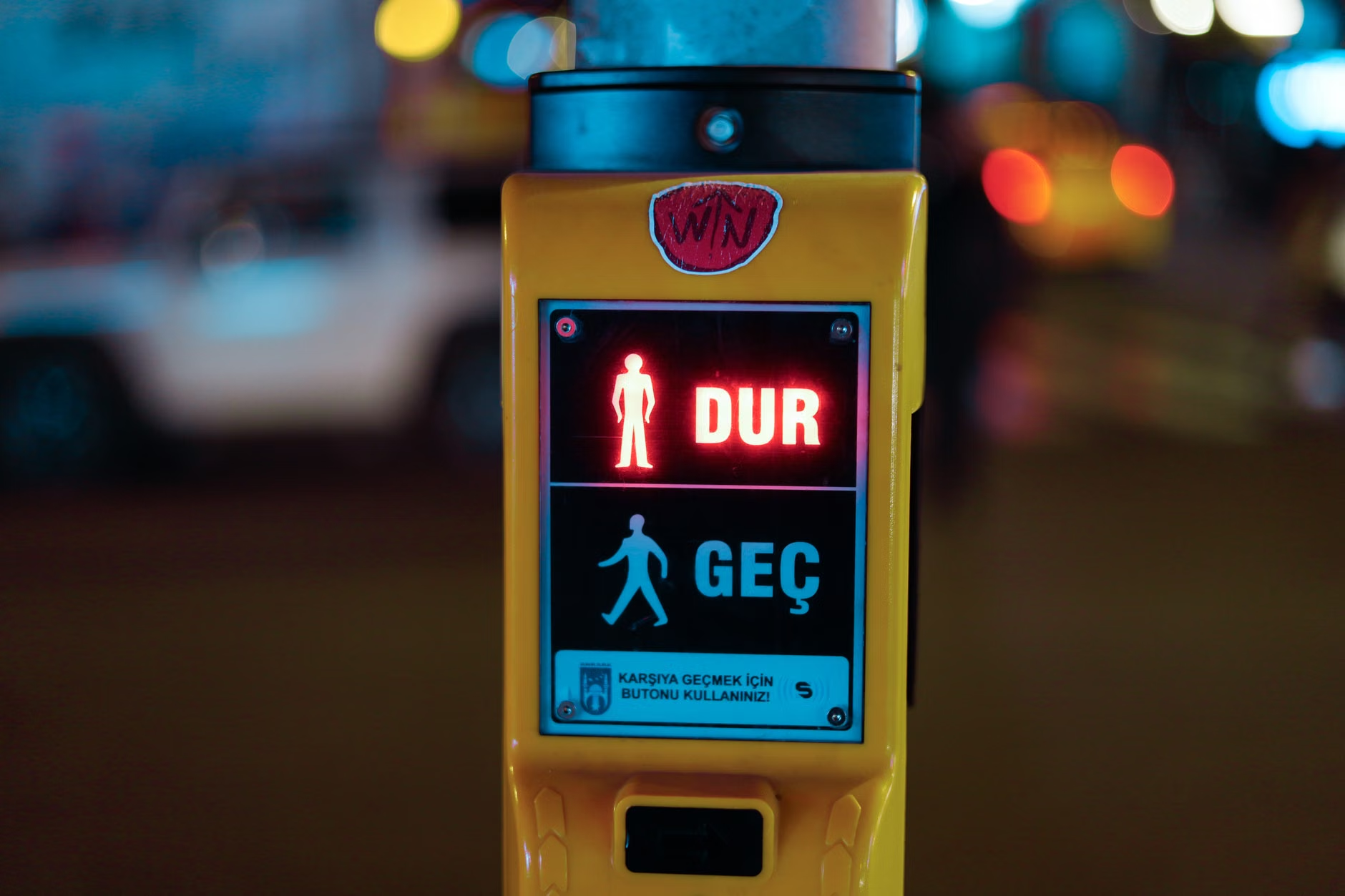
Understanding the 2026 Shift: Why Infrastructure is Changing
Accessible Pedestrian Signals (APS) are devices that communicate information about the “Walk” and “Don’t Walk” intervals at traffic signals in non-visual formats, such as audible tones and vibrating surfaces. While these devices have existed for decades, their implementation has historically been inconsistent. One city might use a chirping sound, while another uses a percussive tick, and a third might have no signal at all.
The 2026 global updates are moving toward a unified “Universal Design” framework. This shift is driven by the recognition that as the global population ages, infrastructure must adapt to diverse walking speeds, hearing capabilities, and cognitive preferences. The core goal is to reduce the “cognitive load” on the pedestrian—you should not have to guess if a signal is meant for you or for the traffic moving parallel to you.
The Core Components of the New Standards
The updated guidelines focus on three primary pillars: Reliability, Clarity, and Customization.
- Tactile Arrow Alignment: The signal button is now required to have a raised arrow that points in the direction of the travel path. This confirms to the user exactly which crosswalk the signal controls.
- Vibratory Feedback: When the “Walk” interval begins, the button housing will vibrate. This is a critical feature for those with hearing loss, as it provides a physical confirmation that it is safe to step off the curb.
- Dynamic Volume Adjustment: New sensors allow the signal volume to adjust based on ambient noise. If a bus is idling nearby, the signal will increase its volume to remain audible; if the street is quiet, it will decrease its volume to avoid noise pollution.
How Crossing Times are Being Recalibrated for 2026
Perhaps the most significant change for older adults is the adjustment of “clearance intervals.” Historically, traffic engineers calculated crossing times based on a standard walking speed of 3.5 feet per second (approximately 1.07 meters per second). Research has shown this speed is often too fast for many older adults, especially those using mobility aids like canes or walkers.
Starting in 2026, many municipal road authorities are shifting their baseline to 3.0 feet per second (roughly 0.9 meters per second). This may seem like a small adjustment, but it adds several seconds to your crossing time, significantly reducing the pressure to “hurry” before the light changes.
Practical Scenario: The Impact of New Timing
Imagine a typical four-lane urban intersection that is 60 feet wide. Under the old 3.5 ft/sec standard, you would be given roughly 17 seconds of crossing time. Under the new 3.0 ft/sec standard, you are provided 20 seconds. Those three extra seconds represent a 15% increase in your safety window, allowing for a more comfortable, steady pace without the need for rapid movement.
| Crossing Width | Old Timing (3.5 ft/sec) | New Timing (3.0 ft/sec) | Difference |
|---|---|---|---|
| 40 Feet | 11.5 Seconds | 13.5 Seconds | +2 Seconds |
| 60 Feet | 17 Seconds | 20 Seconds | +3 Seconds |
| 80 Feet | 23 Seconds | 27 Seconds | +4 Seconds |
Decision Criterion: If you find that you frequently reach the middle of the street just as the “Don’t Walk” signal begins to flash, you are a prime candidate for utilizing intersections that have already been upgraded to these 2026 standards. You can often check your local municipal traffic department website for “Active Pedestrian Improvement Projects” to see which intersections in your neighborhood have been retrofitted.
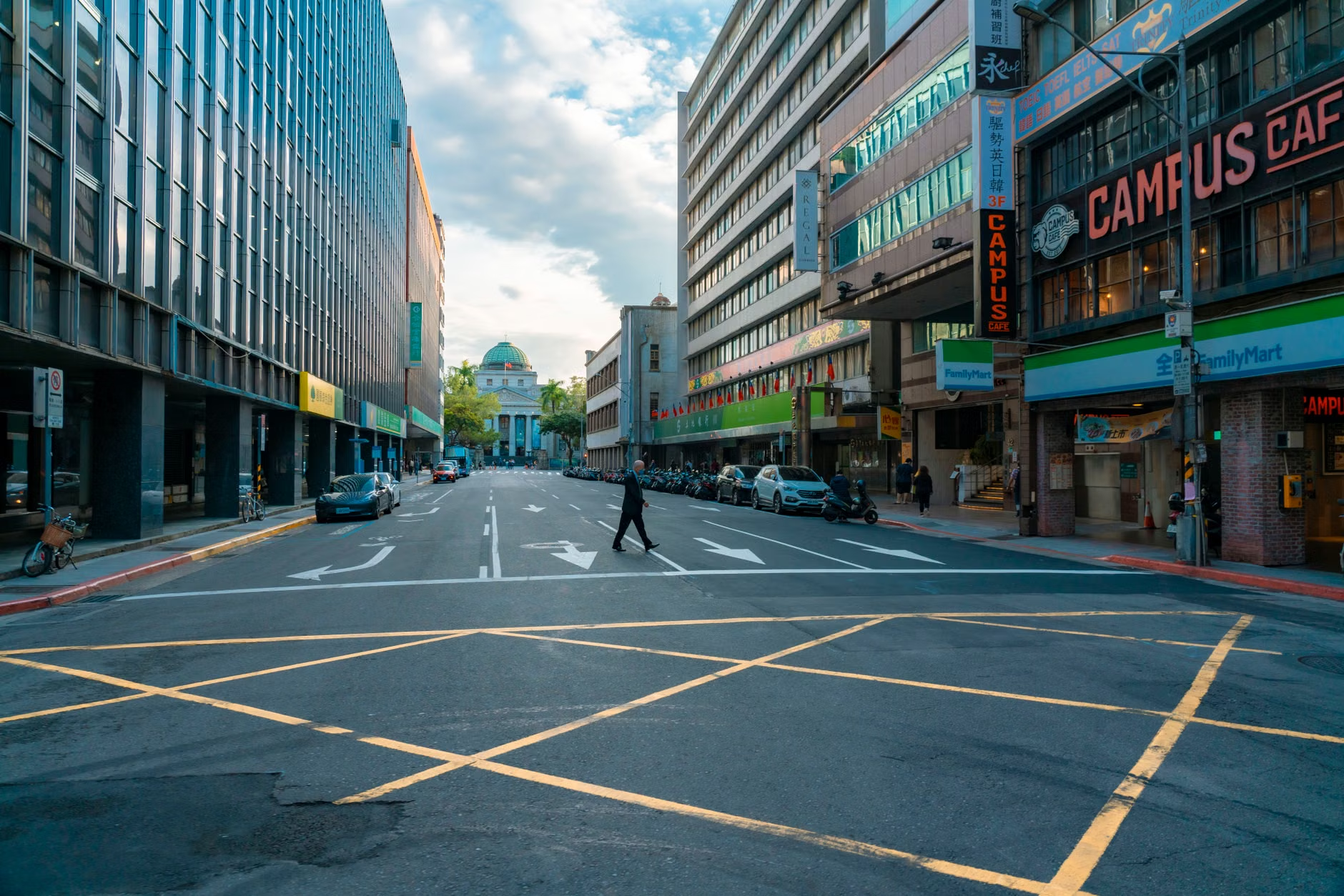
Technological Integration: The Role of Personal Devices
One of the most exciting developments arriving in 2026 is the widespread adoption of Bluetooth-enabled APS. This technology allows the pedestrian signal to “talk” to your smartphone. Instead of relying solely on the speaker on the pole, you can receive the signal information directly through your phone’s speakers or your hearing aids.
Why this matters for your independence
For individuals with hearing impairments, the ambient noise of a city can make traditional audible signals difficult to interpret. By connecting your device, the signal information becomes crystal clear, regardless of the traffic noise levels around you. Furthermore, this integration allows for the signal to provide additional context, such as the name of the street you are about to cross, which is particularly helpful in unfamiliar areas.
Steps to prepare for app-based signals:
- Check your smartphone settings: Ensure your Bluetooth is enabled when you are walking in urban areas.
- Download local transit apps: Many cities are integrating APS data into their official municipal transit or accessibility apps.
- Test before you travel: Try using the app at a familiar, quiet intersection before relying on it in a busy city center.
A Note on Reliability: While digital integration is a powerful tool, it should be treated as a supplement to, not a replacement for, your own visual and auditory awareness. Always prioritize your physical observation of traffic flow alongside the digital cues provided by your device.
Addressing Common Misconceptions About Pedestrian Safety
There is a common belief that “more technology equals less safety,” or that older adults might be overwhelmed by these new systems. However, data suggests the opposite. The primary cause of pedestrian accidents for older adults is not technical confusion; it is the mismatch between signal timing and natural walking speed, as well as the difficulty in locating the activation button.
Reality: The 2026 standards mandate that buttons be placed at a height of 36 to 42 inches (91 to 107 cm) from the ground. Furthermore, the buttons are required to be high-contrast and located on the path of travel to the crosswalk, not tucked away in a corner of the sidewalk.
Misconception 2: “Audible signals are just for the blind.”
Reality: While they are essential for those with visual impairments, the new, clearer tones are designed to aid anyone who is distracted or navigating a complex intersection. They serve as a secondary confirmation for all pedestrians, particularly in low-light conditions.

To make the most of these infrastructure improvements, keep this checklist in mind during your daily walks:
- Identify the APS Pole: Before you step up to the curb, look for the signal pole. It will usually have a square or rectangular box with a button and a tactile arrow.
- Confirm the Direction: Feel the arrow on the button. Does it point in the direction you intend to cross? This prevents the common mistake of pushing a button for a crosswalk that runs parallel to your intended path.
- Wait for the Signal: Even if you hear a “walk” tone, take a half-second to visually confirm that cars have actually stopped. Technological systems can fail; your situational awareness is your final safety net.
- Use the Full Time: You are not required to run. The “clearance interval” (the flashing hand or countdown) is designed to allow you to finish crossing if you have already stepped off the curb. If you have not yet stepped off, wait for the next cycle.
The Overlooked Variable: Weather and Infrastructure Performance
One aspect often ignored in accessibility discussions is how weather impacts the efficacy of these signals. In many regions, ice or heavy rain can make the ground near the APS pole slippery, or make it difficult to hold a cane and reach for a button simultaneously.
Insight: When planning your route during inclement weather, look for intersections that feature “pedestrian refuge islands.” These are raised areas in the middle of a wide street that allow you to cross in two stages. In 2026, many of these islands are being retrofitted with their own APS units, meaning you can hit a button to get a fresh “Walk” signal for the second half of your journey. This is a massive advantage for stamina management, as it breaks a long crossing into two shorter, more manageable segments.
Conclusion: Taking Control of Your Urban Environment
The 2026 global updates to Accessible Pedestrian Signals represent a significant step forward in recognizing the needs of older adults in the public sphere. By providing longer crossing times, clearer physical and audible cues, and technological integration, cities are finally designing for the reality of human movement rather than an idealized standard.
Your goal as a pedestrian is to remain informed and proactive. By understanding how to identify these new signals, using the additional time provided to you, and leveraging your personal devices, you can navigate your community with greater confidence and safety. As these systems roll out, take the time to notice the changes in your local area. Your ability to move freely is a fundamental part of your health and daily wellbeing.
Frequently Asked Questions (FAQ)
1. Are these 2026 updates mandatory for every city worldwide?
No, these updates are being adopted by various national and municipal governments at different speeds. While many countries are aligning with these new international standards (such as those outlined by the Manual on Uniform Traffic Control Devices in the U.S. or similar bodies in the EU), implementation depends on local budget and infrastructure planning. Check your city’s transportation department website for local project updates.
2. What should I do if I find an APS button that is broken or incorrectly timed?
Most cities have a non-emergency reporting system, often accessible via a 311 phone number or a municipal mobile app. Reporting a malfunctioning signal is not a nuisance; it is a vital service that helps the city maintain safety for everyone. Note the intersection name and the specific nature of the problem (e.g., “button not vibrating” or “crossing time feels too short for the distance”).
3. Will these new signals be confusing if I am used to the old ones?
The new signals are designed to be more intuitive, not more complex. The tactile arrow and the consistent tone patterns are meant to simplify the experience. If you are unsure, spend a few minutes at a busy intersection on a quiet day to observe how the signals work before you need to rely on them during a busy commute or errand.
For further information on accessibility standards, you can consult the U.S. Access Board or your local government’s transport authority website for regional guidelines.