Community seed-swapping circles offer older adults a unique blend of social engagement, physical activity, and the preservation of local biodiversity while significantly reducing the costs associated with home gardening.
Key Takeaways
- Combatting Isolation: Seed circles provide a structured yet informal way to build consistent social routines, helping to prevent loneliness through shared interests.
- Tangible Health Benefits: Engaging in seed swapping encourages “green exercise” and cognitive stimulation, which are vital for maintaining mobility and mental sharpness.
- Practical Resource Sharing: These circles allow participants to access rare, locally adapted plant varieties for free, bypassing the high costs of commercial nursery seeds.
What Exactly is a Community Seed-Swapping Circle?
A seed-swapping circle is a localized gathering where gardeners meet to exchange seeds they have harvested from their own plants. Unlike a commercial transaction, no money changes hands. Instead, the “currency” is the shared knowledge and the physical seeds themselves. For many older adults, this practice represents a return to traditional community values where resources were managed collectively.
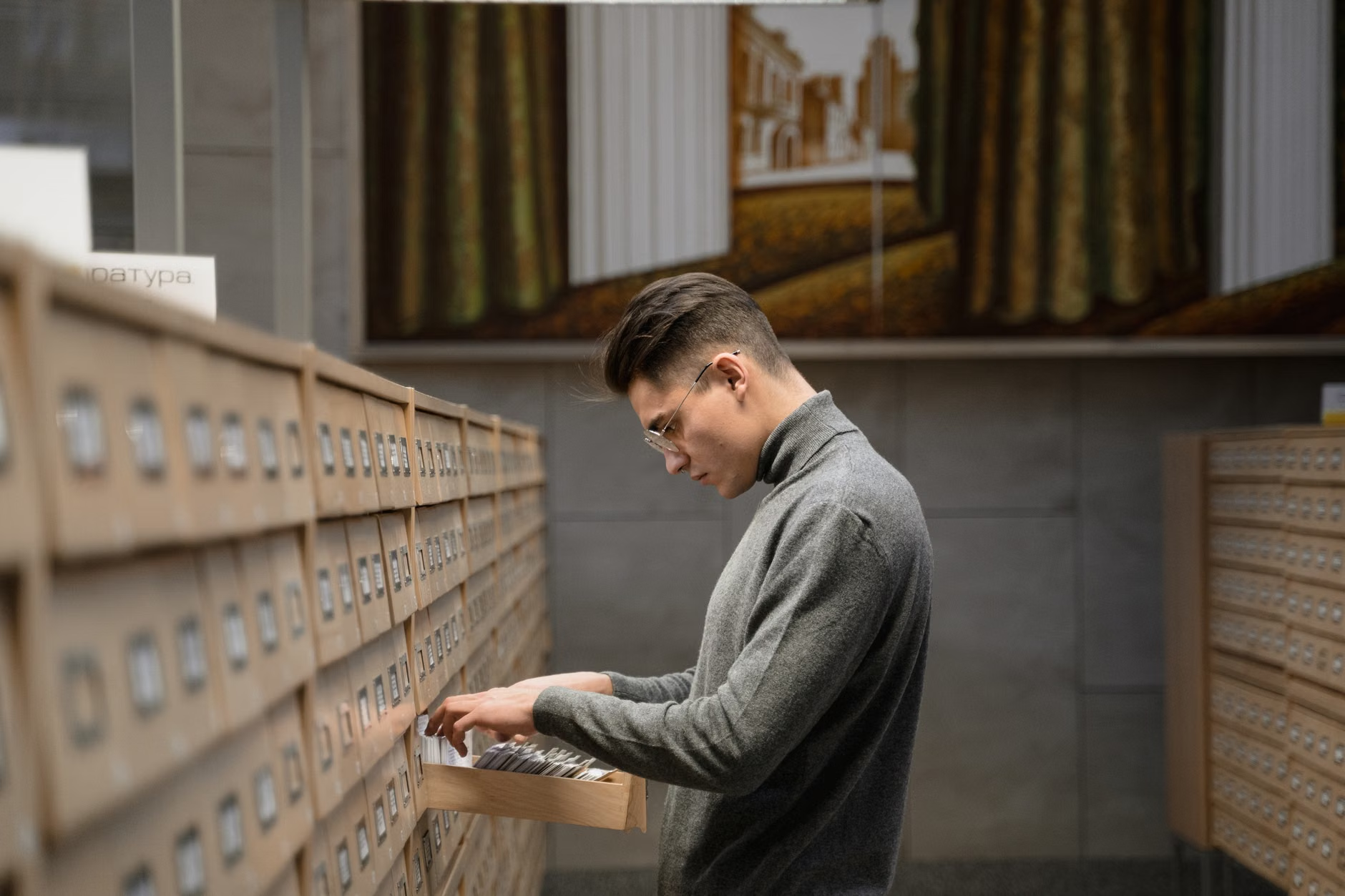
In real life, a seed swap can take many forms. It might be a small group of neighbors meeting in a kitchen, a “seed library” tucked into a corner of a local public library, or a large annual event held in a community hall. The primary goal is to ensure that plant varieties—especially “heirlooms” that have been passed down for generations—continue to grow and thrive in the local soil.
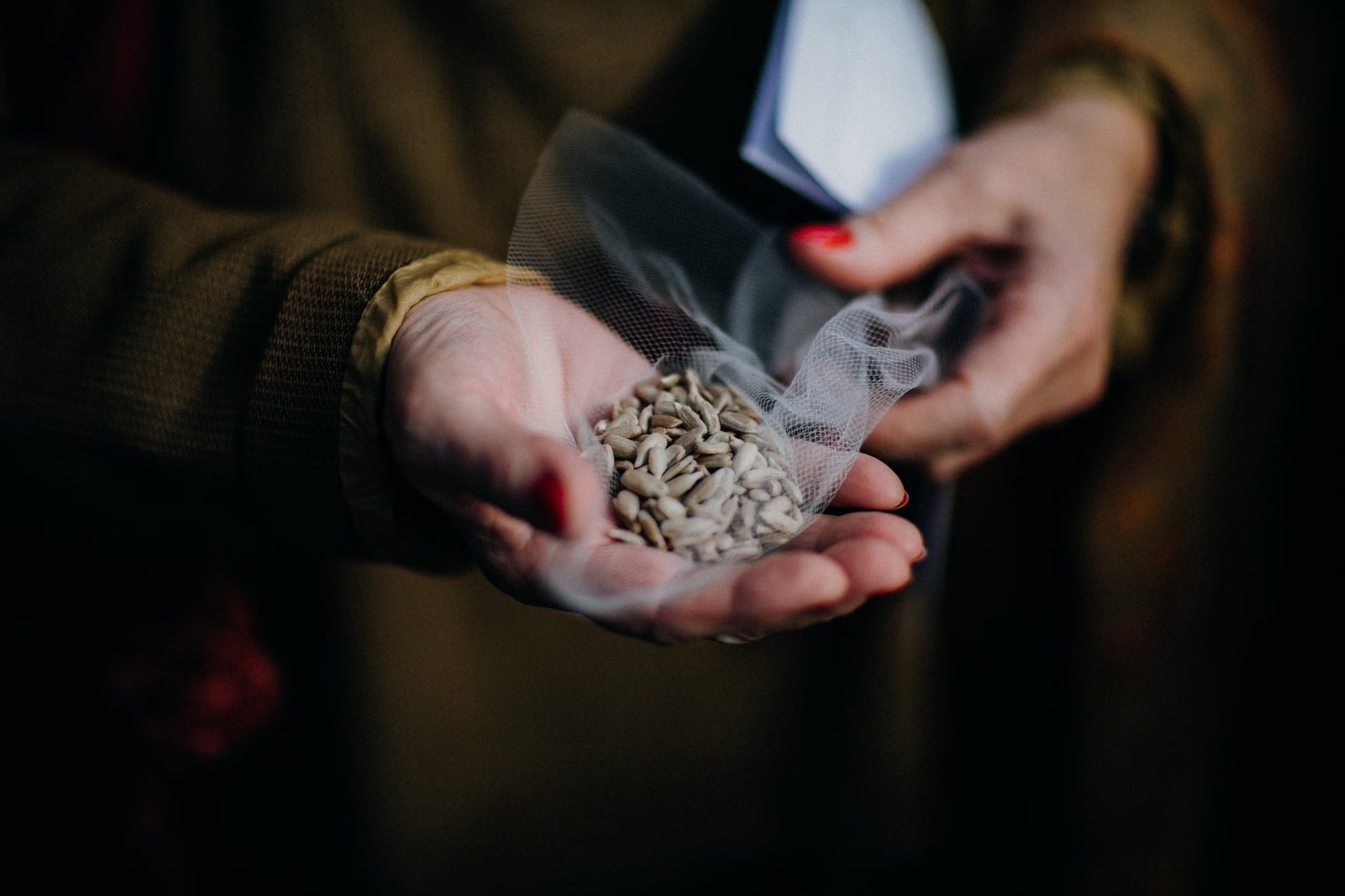
For a participant, the process usually looks like this: you grow a specific plant (like a particularly sweet cherry tomato), let some of the fruit over-ripen, harvest the seeds, dry them, and put them in a labeled envelope. At the next circle meeting, you trade your tomato seeds for someone else’s runner beans or marigolds. This simple act creates a cycle of mutual benefit and continuous learning.
The Difference Between Formal and Informal Swaps
When deciding which type of circle to join, it is helpful to understand the logistical differences. Some prefer the structure of an organized event, while others enjoy the spontaneity of a casual neighborhood group.
| Feature | Formal Events (Libraries/Clubs) | Informal Circles (Neighborhood/Friends) |
|---|---|---|
| Organization | Scheduled dates, often with guest speakers. | Casual meetings, often revolving around tea or coffee. |
| Variety | High volume; hundreds of different species. | Smaller selection; focused on what neighbors grow. |
| Commitment | Low; show up when an event is announced. | Moderate; involves building ongoing relationships. |
| Accessibility | Usually held in public buildings with lifts/ramps. | May be held in private homes or gardens. |
Which is right for you? If you are looking for a wide variety of rare plants and professional advice, a formal event at a botanical garden or library is best. If your primary goal is to build deep friendships with people living nearby, an informal neighborhood circle is more effective for long-term social connection.
The Social Value: Rebuilding the “Village” Mentality
As we move through our 60s, 70s, and 80s, our social circles can sometimes naturally contract. Retirement, relocation, or changes in family dynamics can lead to fewer daily interactions. Seed-swapping circles act as a “social anchor,” providing a meaningful reason to leave the house and interact with others.
Why it matters: Social isolation is not just a feeling; it has documented impacts on physical health, including increased risks of cardiovascular issues and cognitive decline. Engaging in a hobby that requires interaction—like swapping seeds—provides a sense of purpose and belonging. You aren’t just “showing up”; you are a contributor to the community’s future harvest.
In practice, these circles often lead to “intergenerational bridging.” Older adults frequently possess decades of gardening wisdom that younger generations are eager to learn. A 75-year-old gardener might explain to a 30-year-old how to tell exactly when a pumpkin is ready for harvest based on the sound it makes when tapped. This exchange of “tacit knowledge” validates the expertise of the older adult and creates a respectful, multi-generational social fabric.
The “Coffee and Cake” Factor
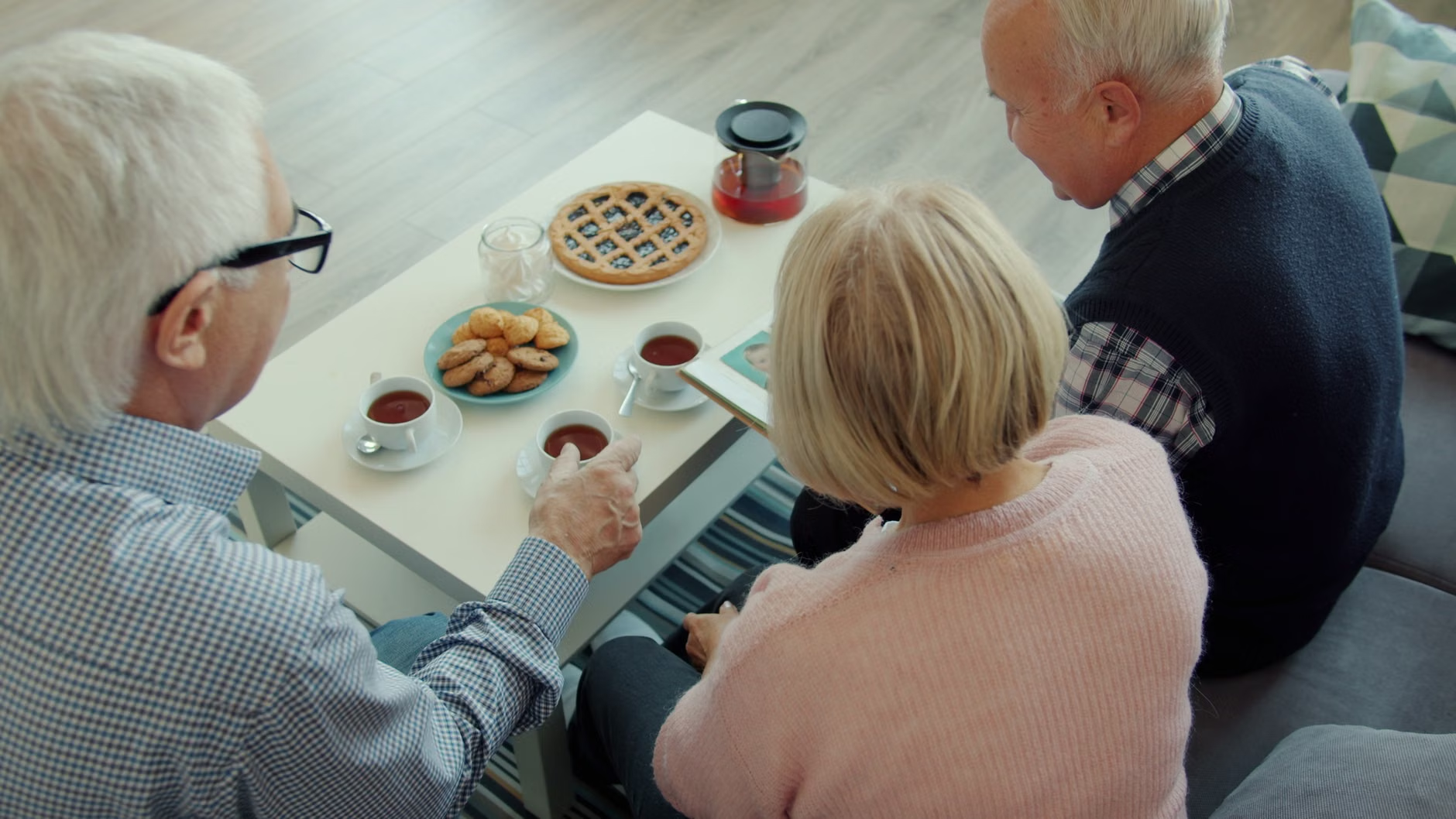
While the seeds are the catalyst, the conversation is often the main event. Most circles allocate significant time for “garden talk.” This involves discussing local weather patterns, pest control without harsh chemicals, and sharing recipes for the produce grown. For someone who lives alone, this 90-minute session can provide enough social energy to boost their mood for the entire week.
Health and Wellbeing: The Hidden Benefits of the Seed
The act of seed swapping is the gateway to gardening, which is one of the most effective forms of “preventive healthcare” available to older adults. It addresses health from three specific angles: physical mobility, cognitive function, and nutritional quality.
1. Physical Mobility and “Green Exercise”
Gardening is a low-impact activity that improves strength, flexibility, and endurance. However, many seniors worry about the physical toll. Seed circles promote a manageable approach to gardening. Because you are growing from seed, you can control the scale of your garden.
Practical Step: If traditional ground gardening is too strenuous on the knees or back, seed-swapping circles are excellent places to find varieties of vegetables that thrive in raised beds or containers. For example, “patio” varieties of tomatoes or peppers allow you to garden at waist height, eliminating the need for bending.
2. Cognitive Stimulation and Memory
Seed saving is a detailed process. It requires identifying the right time to harvest, cleaning the seeds correctly (some require “wet processing” like tomatoes, others “dry processing” like beans), and meticulous labeling. This sequence of tasks provides excellent cognitive stimulation. It involves planning for the future—deciding today what you want to see bloom six months from now—which keeps the mind active and forward-looking.
3. Nutritional Empowerment
Commercial seeds are often bred for “shelf life” and “transportability” rather than flavor or nutrient density. By swapping heirloom seeds within a community, you gain access to plants that have been selected over decades for their taste and health benefits. Freshly harvested vegetables lose their vitamins quickly; by growing your own from swapped seeds, you ensure that the produce on your plate is at its nutritional peak.
How to Find or Start Your Own Circle
If there isn’t a seed-swapping group in your immediate area, starting one is simpler than it might seem and can be a rewarding project. It does not require a large budget or a complex organization.
Finding an Existing Group
- Public Libraries: Many libraries now host “Seed Libraries” where you can “borrow” seeds and “return” them at the end of the season.
- Garden Centers: Local, independent nurseries often have bulletin boards where swapping events are posted.
- Social Media: Searching for “Seed Swap [Your City]” on platforms like Facebook can reveal local groups. If you are less comfortable with technology, ask a family member to help you do a quick search.
- Allotment Associations: In regions like the UK and Europe, allotment sites are the primary hubs for these activities.
Starting a Small Circle: A Step-by-Step Guide
If you want to start a small, informal group, follow these steps to ensure it is manageable and senior-friendly:
- Choose an Accessible Venue: Ensure the meeting spot has no stairs, plenty of seating, and accessible toilets. A local community center or a quiet cafe at a slow time is ideal.
- Set Simple Rules: Decide if you only want organic seeds or if “open-pollinated” (seeds that will grow true to the parent plant) are the focus.
- Provide Materials: Bring a stack of small paper envelopes, some pens, and tape. Many people forget to bring containers for the seeds they receive.
- Include a “Beginner’s Basket”: Not everyone will have seeds to swap the first time. Have a basket of “free to a good home” seeds so newcomers don’t feel excluded.
- Focus on Easy-to-Save Seeds: For the first meeting, suggest people bring “big” seeds like beans, peas, or sunflowers. These are easier to handle for those with arthritis or vision changes.
Practical Seed Saving: A Guide for Success
To be a contributing member of a circle, you need to know how to save seeds properly. Not all seeds are created equal. Some are very easy for beginners, while others require more advanced techniques.
Seed Difficulty Comparison
| Difficulty Level | Plant Types | Reasoning |
|---|---|---|
| Easy (Beginner) | Peas, Beans, Lettuce, Tomatoes | Self-pollinating; they don’t easily cross with other plants. Seeds are large or easy to separate. |
| Intermediate | Squash, Pumpkins, Cucumbers | They cross-pollinate easily. You may end up with a “mystery” hybrid if different types are grown nearby. | Carrots, Onions, Cabbage | These are “biennials,” meaning they don’t produce seeds until their second year of growth. |
Common Mistake to Avoid: Do not save seeds from “F1 Hybrid” packets bought at a store. These are specifically bred to be sterile or to produce unpredictable results in the second generation. Always look for packets labeled “Heirloom” or “Open-Pollinated” if you intend to save the seeds for a swap.
Global Perspectives: Seeds and the Law
It is important to be aware that seed sharing is viewed differently by governments around the world. While small-scale community swapping is almost always legal and encouraged, there are nuances to keep in mind, especially regarding “patented” seeds.
- United States: The Plant Variety Protection Act governs commercial seeds. However, community seed libraries are widely supported. The Seed Savers Exchange is a major resource for US-based seniors.
- United Kingdom: The Heritage Seed Library (run by Garden Organic) works to protect varieties that are not on the official “National List.” Swapping within a private club is generally the standard way to share these.
- European Union: Regulations are strict regarding the *sale* of seeds, but “informal exchange” for non-commercial use is typically protected under biodiversity initiatives.
- Australia/New Zealand: Biosecurity is a major concern. Never bring seeds across international borders to a swap, as this can introduce invasive species or diseases. Stick to seeds grown within your own region.
Overcoming Challenges: Mobility and Digital Literacy
While seed swapping is highly beneficial, there are practical hurdles that older adults might face. Addressing these directly ensures the hobby remains inclusive.
Handling Small Seeds with Arthritis
For those with reduced manual dexterity, handling tiny seeds like poppy or lettuce can be frustrating.
Solution: Use “seed tape” or “pelleted seeds” for planting. When *saving* seeds, use a small funnel to move seeds from a drying tray into an envelope. At the swap, suggest that participants use small spoons rather than their fingers to distribute seeds.
Some of the most vibrant swapping communities exist online (e.g., through Reddit or specialized gardening forums). If you are not comfortable with digital platforms, you don’t have to miss out.
Practical Step: Many local community centers offer “intergenerational tech hours” where students help seniors navigate websites. You can use this time to list your seeds on a local swap site or to find upcoming physical events in your area.
Space Constraints: The “Small-Scale” Gardener
You do not need a large backyard to participate. Many “window-box” gardeners are the most valued members of seed circles because they specialize in herbs and compact flowers. If you live in an apartment or assisted living facility, focus on culinary herbs like basil, parsley, and chives. These are easy to grow on a windowsill and their seeds are highly sought after in swaps.
Conclusion: Your Next Steps into the Circle
Community seed-swapping circles are far more than a way to get free plants. They are a powerful tool for maintaining independence, social relevance, and physical health. They turn the solitary act of gardening into a communal celebration of life and growth.
Your immediate priority: Do not wait for the “perfect” garden to start. Look for a local seed library or a gardening club in your town this week. If you have even one packet of seeds from a plant you enjoyed last summer, you have everything you need to join the conversation. The goal is not a perfect harvest, but the connections you grow along the way.
Frequently Asked Questions
1. Do I need to be an expert gardener to join a seed swap?
Absolutely not. Most circles welcome beginners. In fact, many experienced members enjoy the opportunity to mentor newcomers. If you don’t have seeds to bring, simply explain that you are just starting out; most groups have a “free” bin for those establishing their first garden.
2. How do I know if the seeds I receive will actually grow?
While there are no guarantees in nature, most swappers test their seeds’ “germination rate” by trying to grow a few themselves first. To be safe, ask the person you are swapping with about the plant’s history—when it was harvested and what kind of sun it likes. This conversation is part of the social value of the circle.
3. Is it safe to share seeds during flu or cold season?
Like any social gathering, it is wise to take standard precautions. If you are concerned, many circles offer “contactless” swaps where you drop off your labeled envelopes and pick up others later. Using hand sanitizer at the swapping table and meeting in well-ventilated community halls or outdoor gardens are also effective strategies.
For further information on seed saving techniques and finding global communities, visit the Seed Savers Exchange or the Royal Horticultural Society (RHS) Community Gardening page.