Selecting the right riverfront sculpture park requires prioritizing level terrain, frequent seating, and proximity to accessible transit to ensure a safe and enriching cultural experience for older adults.
Key Takeaways:
- Choose parks with “Loop” designs and paved surfaces (asphalt or concrete) to minimize tripping hazards and avoid the need for backtracking.
- Verify the density of “Resting Points”—ideally a bench every 150 to 200 meters—to manage stamina and prevent overexertion.
- Always confirm the availability of “Changing Places” or high-standard accessible toilets before arrival, as riverfront locations often have long distances between public facilities.
Why Riverfront Sculpture Parks are Ideal for Senior Mobility
Riverfront sculpture parks offer a unique combination of benefits that cater specifically to the needs of adults aged 60 to 80. Unlike traditional indoor museums, which can feel cramped or require long periods of standing on hard marble floors, these outdoor spaces provide fresh air, natural light, and the psychological benefits of “blue space” (proximity to water). For many seniors, the gentle humidity near a river can also be more comfortable for respiratory health compared to the dry, air-conditioned environments of indoor galleries.
From a mobility perspective, riverfronts are naturally flatter than hillside parks. Cities are often built on the floodplains of rivers, meaning the paths alongside them tend to follow a consistent elevation. This lack of steep inclines is a primary safety factor, reducing the strain on knees and hips. Furthermore, these parks are usually designed with modern infrastructure, including wide promenades that easily accommodate walking frames, canes, or mobility scooters without the congestion found in city centers.
The cognitive benefits are equally significant. Engaging with three-dimensional art in a changing natural environment stimulates neuroplasticity. Observing how light hits a bronze sculpture at 10:00 AM versus 2:00 PM encourages “slow looking,” a meditative practice that reduces stress and improves focus. For those traveling with family, these parks offer a multi-generational appeal where grandchildren can move freely while older adults enjoy the art at a measured pace.
The “Gold Standard” Criteria for Selecting an Accessible Park
Not all outdoor art spaces are created equal. When evaluating a destination, look beyond the beauty of the sculptures and focus on the technical infrastructure. A park might be “accessible” by law but still be exhausting or difficult for a senior with moderate stamina. Here are the specific criteria to use when planning your visit.
1. Surface Quality and Material
The type of ground you walk on determines your fatigue levels and fall risk. For adults over 60, poured concrete or smooth asphalt is the preferred surface. While gravel or woodchips look natural, they create “rolling resistance” for wheelchairs and are unstable for those using canes. If a park features boardwalks, ensure the planks are laid perpendicular to the direction of travel to prevent cane tips from getting stuck in the gaps.
2. Gradient and Slopes
International accessibility standards (such as the ADA in the US or Part M in the UK) generally require ramps to have a gradient no steeper than 1:12. However, for a leisurely walk, a 1:20 gradient is much more comfortable. Before visiting, check the park’s website for a “topographical map” or use the street-view feature on digital maps to see if there are unexpected stairs or steep bridges connecting different sections of the riverbank.
3. Seating Density and Ergonomics
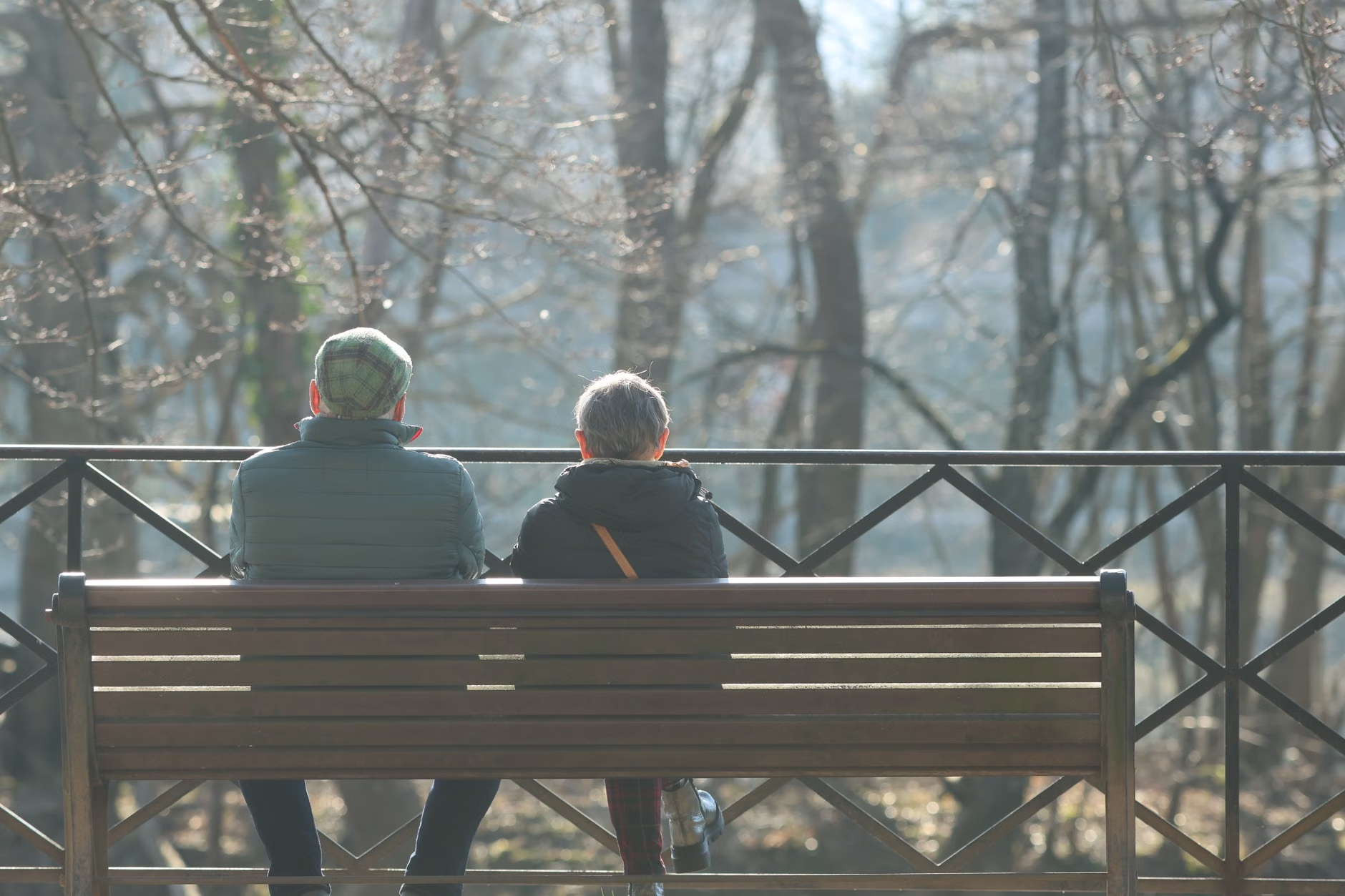
A “senior-friendly” park must have what experts call “Frequent Resting Points.” In a high-quality sculpture park, you should never be more than three minutes away from a seat. Look for benches with backrests and armrests. Armrests are crucial because they provide the necessary leverage for an older adult to stand up safely. Avoid parks that only offer “backless blocks” or low stone ledges, which can be difficult to exit and provide no lumbar support.
4. Shade and Shelter
Exposure to direct sun for more than 30 minutes can lead to rapid dehydration or heat exhaustion. Accessible parks should feature “shading sculptures” or strategically planted trees. Additionally, check for “rain shelters.” If a sudden shower occurs, you need to know there is a roofed area reachable within a short walk to prevent slipping on wet surfaces.
Top 5 Accessible Riverfront Sculpture Parks Globally
Based on the criteria of mobility, safety, and artistic quality, these five locations stand out as premier destinations for international senior travelers.
| Park Name & Location | Primary Surface | Seating Availability | Best Mobility Feature |
|---|---|---|---|
| Olympic Sculpture Park (Seattle, USA) | Smooth Concrete | High (Every 100m) | Z-shaped gentle ramp system |
| Southbank Centre (London, UK) | Paved Stone/Asphalt | Very High | Step-free elevator access to all levels |
| South Bank Parklands (Brisbane, Australia) | Level Pavement | High | Free “Green Heart” shuttle nearby |
| Singapore River Walk (Singapore) | Polished Stone/Concrete | Moderate (Indoor malls nearby) | 100% flat terrain for miles |
| Rhine Promenade (Düsseldorf, Germany) | Paved Brick/Stone | High | Separated lanes for walkers and cyclists |
1. Olympic Sculpture Park (Seattle, USA)
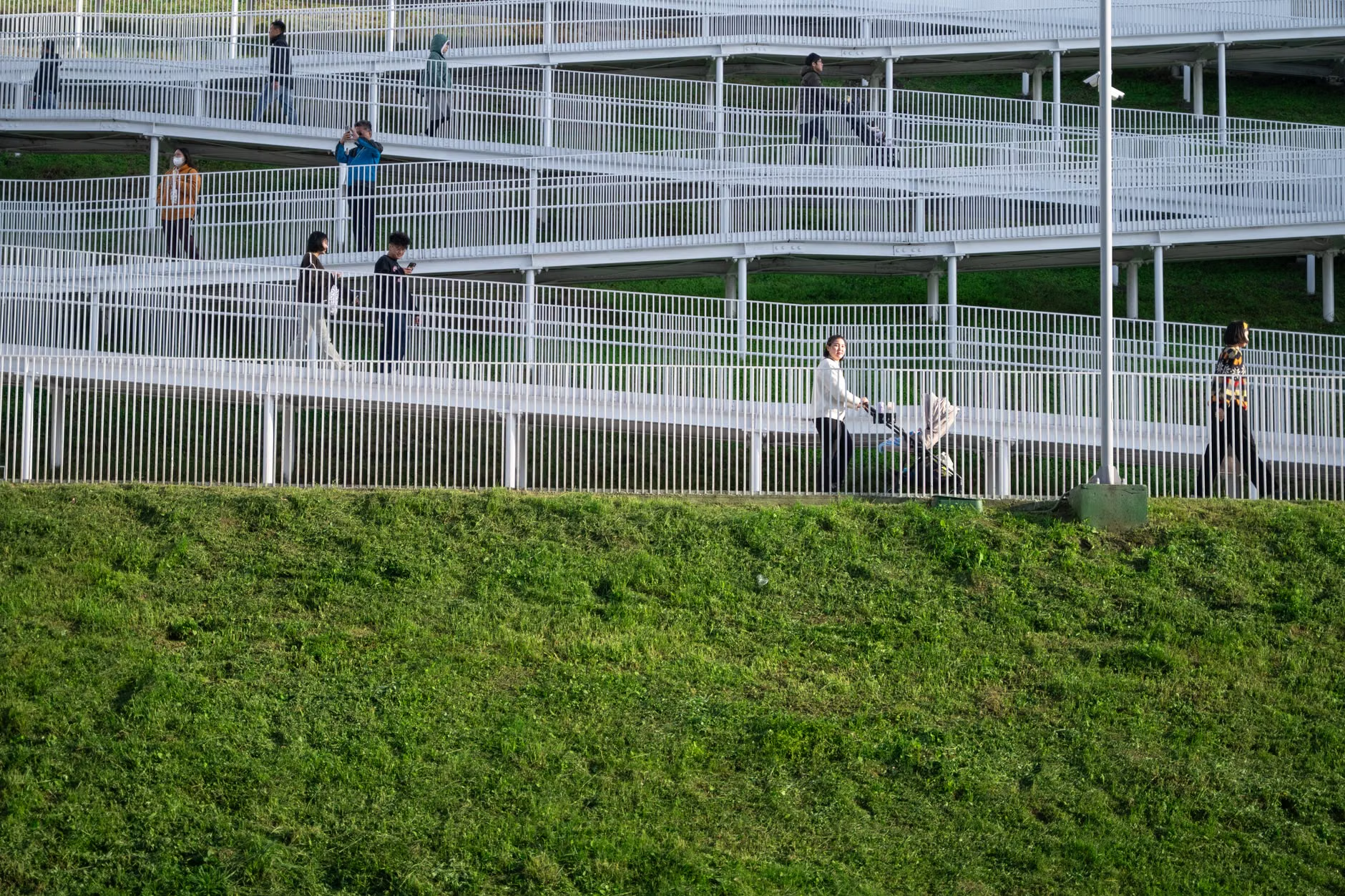
Operated by the Seattle Art Museum, this 9-acre park is a masterpiece of accessible design. It was built over a former industrial site and features a “Z” shaped path that connects the city to the water. This design is intentional; it allows visitors to descend 40 feet to the shoreline without ever encountering a single step. The incline is so gradual that it feels like walking on flat ground.
Practical Tip: Start your visit at the PACCAR Pavilion at the top of the hill. There are accessible restrooms here and a cafe. You can walk “down-slope” toward the water and then use a rideshare service from the lower entrance to avoid walking back up the hill.
2. Southbank Centre & Thames Path (London, UK)
The stretch of the Thames between Westminster Bridge and Blackfriars Bridge is a world-class outdoor gallery. While not a “park” in the traditional sense, it is a pedestrianized promenade lined with major sculptures and installations. The entire path is level, and the Royal Festival Hall provides a perfect “hub” with numerous accessible toilets, elevators, and indoor seating if the weather turns cold.
Practical Tip: Avoid the “Golden Jubilee Bridges” if you dislike heights or wind. Instead, stay on the South Bank level for a consistent, wide-path experience that is shielded from the heaviest traffic noise.
3. South Bank Parklands (Brisbane, Australia)
Brisbane’s South Bank is famous for its “Arbour,” a 1-kilometer pedestrian walkway covered in bougainvillea and featuring various sculptures. The park is exceptionally flat and offers a “shuttle” service for those who find the distance too great. It is one of the few riverfronts in the world that integrates a beach, a rainforest, and high-end art into one accessible loop.
Practical Tip: Visit during the early morning (7:00 AM to 9:00 AM) to avoid the midday Australian sun. The park is well-lit and very safe for early walkers.
Logistics: Managing Stamina and Transport
For seniors, a successful outing is often determined by the 10% of the trip spent on logistics rather than the 90% spent looking at art. Planning the “entry and exit” strategy is vital.
The Arrival Strategy
When using public transport, verify that the specific station has “Step-Free Access from Street to Train.” In many older cities like London, Paris, or New York, a station might be labeled “accessible” but only for certain platforms or via a long, confusing series of elevators. If you are using a taxi or rideshare, ask the driver to drop you at the “Visitor Center” or “Main Pavilion.” These areas are almost always the most accessible points with the best facilities.
The “15-Minute Rule” for Stamina
To avoid “museum fatigue,” implement the 15-minute rule: Walk for 15 minutes, then sit for 5 minutes. Even if you don’t feel tired, this proactive resting prevents the cumulative exhaustion that often hits two hours into a trip. Use this time to check your map, hydrate, and look at the sculptures from a seated perspective—many sculptures are designed to be viewed from different heights.
Cost and Ticketing
Most riverfront sculpture parks are free public spaces. However, some (like the Olympic Sculpture Park or South Bank Brisbane) may have ticketed special exhibitions. Always check if there is a “Senior” or “Concession” rate. In Europe and Australia, you may need to show a national senior card or a passport to prove age eligibility. Carry a digital photo of your ID on your phone to avoid carrying the physical document.
Health and Safety Precautions Near Water
Walking near a river introduces specific environmental factors that require attention. Safety is not just about avoiding falls; it’s about managing your body’s reaction to the environment.
Sun Protection and Glare
Water reflects UV rays, increasing the intensity of sun exposure. Even on a cloudy day, the “glare” from a river can cause significant eye strain and headaches for those with cataracts or sensitive vision. Polarized sunglasses are essential. They cut through the reflection on the water and the metallic surfaces of sculptures, making it easier to see the texture of the path ahead.
Hydration and Electrolytes
Outdoor art walks often involve more movement than we realize. Because riverfronts can be breezy, you might not feel yourself sweating, leading to “stealth dehydration.” Carry a reusable water bottle that can be clipped to a walker or bag. If you are walking for more than an hour, consider a drink with electrolytes to maintain muscle function and prevent cramping.
Footwear: Beyond Just “Comfort”
The best shoes for a riverfront walk are those with non-slip rubber soles and a wide toe box. Avoid sandals without backstraps, as they can slip on the smooth, sometimes damp surfaces near water. If the park has sections of boardwalk, ensure your shoes do not have narrow heels that could catch in the spacing between the wood.
For Family and Caregivers: How to Support the Trip
If you are accompanying an older adult, your role is to be the “logistics officer” so they can be the “art critic.” This allows the senior to maintain their autonomy while you manage the potential stressors.
- Preview the Route: Use Google Street View to “walk” the path virtually a day before. Identify where the toilets are and where the path might narrow.
- The “Lend an Arm” Technique: Instead of pushing or pulling, offer your arm. This allows the senior to set the pace and maintain their balance.
- Manage the Crowd: In busy parks like London’s Southbank, walk slightly ahead or to the side to create a “buffer zone,” preventing the senior from being bumped by faster pedestrians or cyclists.
- Photo Assistance: Offer to take photos of the sculptures or the senior with the art. This prevents them from having to overextend their arms or risk losing balance while handling a camera or phone.
Engaging with the Art: A Senior Perspective
Sculpture is a tactile and spatial medium. For seniors, this can be a more rewarding experience than looking at flat paintings. Here is how to deepen the engagement:
1. The 360-Degree Walk: Unlike a painting, a sculpture changes as you move around it. If your mobility allows, try to view a piece from at least three different angles. Notice how the river in the background changes the “frame” of the artwork.
2. Understanding Materials: Many modern sculptures use industrial materials like Corten steel (which looks rusty), stainless steel, or stone. Important Warning: Be careful when touching metal sculptures in the summer. Dark metal can reach temperatures high enough to cause skin burns. Always “air-test” the heat with the back of your hand before touching.
3. Use Audio Guides: Most major parks now offer free audio tours via a smartphone app. Use your own comfortable headphones. This is often better than reading small plaques on the ground, which may require bending over and can cause dizziness.
Conclusion: Your Next Steps for a Cultural Adventure
Riverfront sculpture parks are among the most accessible and rewarding travel destinations for adults aged 60 to 80. They bridge the gap between physical activity and cultural enrichment in a way that is manageable for varying levels of stamina. By prioritizing parks with flat, paved surfaces and high seating density, you can enjoy world-class art without the physical toll of traditional sightseeing.
Your immediate next step: Choose one of the five parks mentioned above and visit their official website to download a “Visitor Accessibility Map.” If you are local to a different river, use Google Maps to search for “Public Art” near the water and use the “Street View” tool to check the pavement quality. Start with a short, 45-minute visit to test your stamina and comfort levels. The world of outdoor art is waiting, and it has never been more accessible.
Frequently Asked Questions
1. What should I do if I get tired and there are no benches nearby?
If you find yourself between resting points and feeling fatigued, look for “architectural seating”—this includes sturdy low walls, the bases of certain sculptures (if permitted), or wide steps. If you use a mobility aid, consider a “rollator” (a walker with a built-in seat), which provides a guaranteed resting spot wherever you are. Never push through significant leg pain; stop and lean against a sturdy structure if necessary.
2. Are these parks safe to visit alone as a senior?
Most major riverfront sculpture parks are high-traffic public areas with security patrols and CCTV. However, safety is best managed by timing. Visit during “peak daylight” hours (10:00 AM to 3:00 PM) when there are plenty of other visitors around. Always carry a fully charged mobile phone and let someone know your expected return time. Many parks also have “Emergency Help Points” located near the main entrances or restrooms.
3. How do I handle “unpredictable” surfaces like grass or gravel in a park?
If a sculpture is located off the main paved path, do not feel pressured to walk across uneven grass or gravel to see it. Most large-scale sculptures are designed to be appreciated from a distance. If you must get closer, use “side-stepping” for better balance or ask a companion to check the firmness of the ground first. If you use a cane, consider a “quad-cane” or a cane with a wide “flex-tip” for better stability on natural surfaces.
Official Sources for Accessibility Information:
– Seattle Art Museum (Olympic Sculpture Park): https://www.seattleartmuseum.org/visit/olympic-sculpture-park
– Southbank Centre London Accessibility: https://www.southbankcentre.co.uk/visit/accessibility
– Queensland Government (South Bank Brisbane): https://www.visitbrisbane.com.au/south-bank