- Prioritize Level Access: Historic observatories often feature steep, uneven, or unlit terrain; always confirm the presence of paved paths or shuttle services before booking.
- Manage the Night-Time Variable: Cold temperatures and low-light conditions significantly impact stability and stamina; plan for extra layers and shorter, well-lit viewing sessions.
- Verify Equipment Accessibility: Traditional eyepieces can be difficult to reach; prioritize sites that offer digital monitor displays or motorized, height-adjustable telescope mounts.
Stargazing at a historic observatory is a profound experience, but for travelers aged 60 and older, it requires more than just a clear sky. Many of the world’s most significant astronomical sites were built decades or even centuries ago, often on remote hills or mountains to avoid light pollution. While these locations offer unparalleled views of the cosmos, they often present challenges regarding terrain, temperature management, and physical accessibility.
This guide provides a systematic approach to selecting and preparing for an accessible stargazing tour, ensuring that your journey into the night sky remains comfortable, safe, and intellectually rewarding.
Evaluating the Physical Accessibility of Historic Sites
The primary hurdle in visiting historic observatories is that “historic” often implies architectural designs that predate modern accessibility standards. When researching a site, do not rely on generic promotional brochures. Instead, investigate the specific logistics of the site’s topography.
The “Topography Check”
Most observatories are located on high ground. A common mistake is assuming that because a site is a public tourist destination, it is barrier-free. You must verify if the observatory provides a shuttle from the base of the hill to the main dome. Walking up an incline in the dark—even on a paved surface—can be tiring and poses a trip hazard, especially when your eyes are adjusting to low-light conditions.
Actionable Step: Use tools like Google Street View or satellite imagery to examine the parking area and the path leading to the entrance. Look for stairs versus ramps. If you use a cane, walker, or wheelchair, contact the observatory’s visitor center directly and ask: “Is there a continuous paved or level path from the designated accessible parking to the main telescope viewing area?”
Observatories are, by necessity, dark places. They use red lighting to preserve the night vision of astronomers and visitors. While this is scientifically necessary, it can be disorienting for older adults with reduced depth perception. Check if the tour operator provides “dark-sky-friendly” low-level lighting along pathways. If not, consider bringing your own high-lumen, red-light-emitting LED torch to illuminate your immediate path without ruining the star-viewing experience for others.
Selecting the Right Type of Stargazing Tour
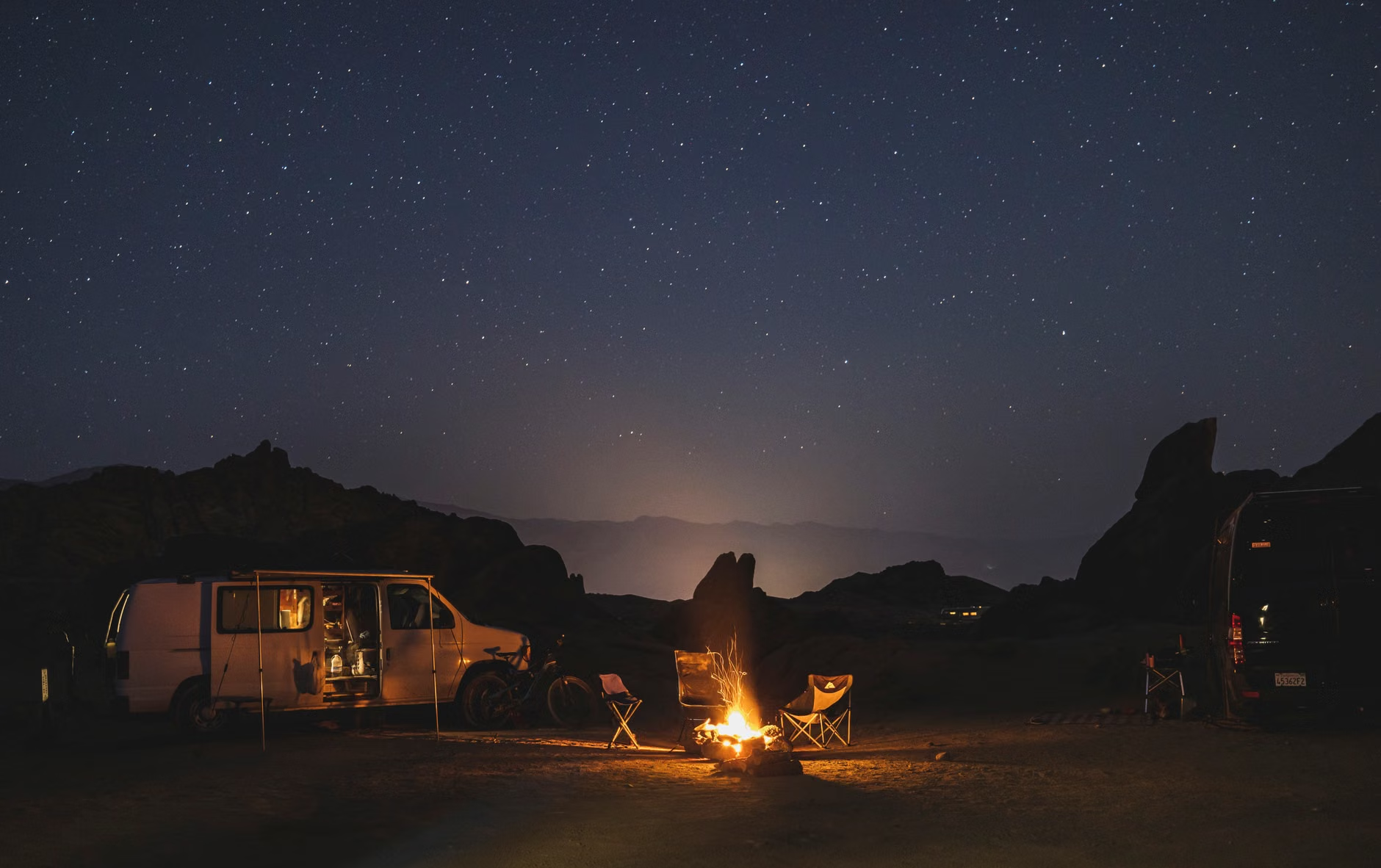
Not all stargazing experiences are created equal. You should distinguish between “observatory-based tours” and “field-based astronomy sessions.”
| Feature | Observatory Tour | Field Stargazing |
|---|---|---|
| Setting | Inside a historic dome | Open field or park |
| Accessibility | Varies (often stairs) | Usually level ground |
| Comfort | Wind-protected | Exposed to elements |
| Viewing Method | Large telescope | Portable telescopes/binoculars |
If you have limited mobility, a field-based tour might actually be more accessible, provided it is held in a maintained, flat location like a botanical garden or a level clearing at a state park. Conversely, an observatory tour offers a more controlled environment, provided you confirm the availability of elevators or ground-level viewing domes.
Technical Accessibility: Beyond the Eyepiece
The most common frustration for senior stargazers is the traditional telescope eyepiece. Often mounted at heights that require standing on a stepladder or leaning at awkward angles, these are inherently inaccessible for many adults.
Seeking Modern Integrations
Look for facilities that offer “Video Astronomy” or “EAA” (Electronically Assisted Astronomy). In these setups, the image from the telescope is projected onto a large, high-definition monitor. This allows you to sit comfortably in a chair while viewing the craters of the moon or the rings of Saturn in real-time, without the physical strain of climbing a ladder or bending your neck.
When booking, ask the tour coordinator: “Does the tour utilize a live-feed monitor for viewing, or is it strictly manual eyepiece observation?” If it is the latter, ensure the telescope is mounted on a pier that can be adjusted for a seated observer.

Managing Stamina and Environmental Factors
Stargazing is a passive activity, which sounds easy, but it is deceptive. Sitting still in the dark, often in temperatures that drop rapidly after sunset, requires specific preparation to prevent fatigue and discomfort.
The “Layering for Stillness” Strategy
When you are hiking, your body generates heat. When you are stargazing, you are immobile for long periods. You will need more clothing than you think. A common rule is to dress for a temperature 10 degrees Celsius (18 degrees Fahrenheit) colder than the forecast. Focus on:
- Footwear: Ensure your boots have non-slip soles, as dew often makes observatory grounds slippery at night.
- Extremities: Blood circulation slows when sitting still. Invest in high-quality wool socks and insulated gloves.
- Support: If the tour does not provide seating, bring a lightweight, foldable camping chair with a backrest. Do not rely on benches, as they are often cold and lack proper lumbar support.
Managing Fatigue and Recovery
Do not schedule an observatory tour on the same day as a long-distance flight or a full day of sightseeing. The combination of travel fatigue and late-night activity increases the risk of falls and reduces your ability to enjoy the experience. Aim for a “rest day” in between, allowing your body to acclimate to the local environment.
Traveling to historic, remote locations requires a proactive approach to safety and communication.
Pre-Trip Documentation
Keep a digital and physical copy of your medical information, a list of current medications, and emergency contacts in your day bag. Because many observatories are in “dead zones” where cell service is unreliable, ensure that your travel companion or the tour operator knows exactly where your emergency information is stored.
Communication with Tour Operators
Do not hesitate to be explicit about your needs. Use the following phrasing when contacting tour providers:
- “I require a seating area close to the telescope station to manage my energy.”
- “Are there accessible, well-lit restroom facilities within 50 meters of the primary viewing area?”
- “What is the maximum walking distance from the parking area to the dome, and is the surface paved?”
If a tour operator is dismissive or vague about these questions, it is a clear indicator that the site is not prepared for guests with mobility needs. Move on to a different provider; the global astronomy community is vast, and many modern, accessible sites are eager to accommodate senior travelers.
The Hidden Value of Specialized Astronomy Groups
Consider looking for tours organized by local astronomical societies rather than large commercial tour agencies. These societies often host “Star Parties”—public events where members bring their own equipment. These events are often more flexible, less expensive, and highly social. Because the organizers are passionate amateurs, they are frequently more willing to adjust their equipment height, offer extra time, and provide personalized explanations tailored to your interests.
To find these, search for “[Region/City] Astronomical Society” and check their event calendar. Look for events labeled as “Public Outreach” or “Sidewalk Astronomy.” These are almost always held in accessible public parks and are designed to be inclusive of all age groups.
Conclusion: Crafting Your Stargazing Experience
Stargazing should be an act of wonder, not an exercise in endurance. By prioritizing locations with level terrain, seeking out modern digital viewing options, and meticulously planning for the physical demands of night-time environments, you can enjoy the majesty of the universe without compromising your comfort. Remember that the best stargazing experience is one where you feel secure enough to focus entirely on the sky above.
Before you book, confirm the specific accessibility features of the site, ensure your clothing is suited for stationary activity, and choose a tour that values your pace. With these foundations in place, your next excursion to the stars will be both safe and unforgettable.
Frequently Asked Questions (FAQ)
1. Are all historic observatories wheelchair accessible?
No. Many historic observatories are protected by heritage status, which can prevent the installation of modern elevators or ramps. Always verify the status of a specific site by contacting them directly, as “accessible” can sometimes only refer to the visitor center, not the actual telescope dome.
2. Can I bring my own telescope to an observatory tour?
Generally, no. Most observatories have strict rules about equipment to prevent damage to their facilities or interference with their professional research. If you wish to use your own equipment, look for “Public Star Parties” held by local astronomy clubs, which are specifically designed to welcome personal telescopes.
3. What should I do if I get cold or tired during a stargazing tour?
Most professional tours have a “base camp” or indoor visitor center. Before the tour begins, identify where this is located and ensure you know the path back to it. If you feel yourself getting too cold or tired, inform your guide immediately; they are trained to assist visitors and can often help you transition to a warmer, indoor space.
Official Resources
- International Dark-Sky Association (For finding certified dark-sky locations with better infrastructure).
- Sky & Telescope Magazine (For finding local astronomy clubs and public outreach events).