Dietary Choline: A Strategic Approach to Liver Health for Adults 60+
Key Takeaways:
- Choline is an essential nutrient that plays a critical role in lipid metabolism and liver function, helping to prevent the accumulation of fat in the liver.
- For adults aged 60 to 80, prioritizing choline-rich whole foods like eggs, lean meats, and cruciferous vegetables is more effective than relying on supplements.
- Consulting with a healthcare provider before starting any new supplement regimen is essential, especially if you are managing existing liver conditions or taking specific medications.
As we navigate our 60s, 70s, and beyond, the way our bodies process nutrients undergoes subtle but significant shifts. One nutrient that often flies under the radar, yet remains vital for metabolic health and liver function, is choline. While it was only officially recognized as an essential nutrient by the Institute of Medicine in 1998, its role in maintaining cellular integrity and liver health is profound.
For many older adults, the focus is often on calcium for bones or fiber for digestion. However, understanding how choline supports the liver can be a powerful tool in your preventive health arsenal. This article explores what choline is, why it matters for liver health as you age, and how you can practically incorporate it into your daily diet.
What is Choline and Why Does Your Liver Need It?
Choline is a water-soluble compound that acts as a precursor for several critical physiological processes. It is a fundamental component of cell membranes and is necessary for the production of acetylcholine, a neurotransmitter essential for memory, mood, and muscle control. However, its most significant impact on the liver lies in its role in lipid metabolism—specifically, the transport and processing of fats.
Think of your liver as a high-performance processing plant. One of its primary jobs is to package fats into structures called Very-Low-Density Lipoproteins (VLDL) so they can be transported out of the liver and into the bloodstream to be used as energy by other parts of the body. Choline is a necessary “packing material” for this process. Without sufficient choline, the liver struggles to package these fats, leading to the accumulation of fat within the liver cells—a condition known as hepatic steatosis.
As we age, our metabolic efficiency naturally changes. If the liver becomes overloaded with fat, it can lead to chronic inflammation and compromise long-term liver function. By ensuring an adequate intake of choline, you are essentially providing your liver with the logistical support it needs to stay clean and functional.
The Practical Reality of Choline Intake for Older Adults
The “Adequate Intake” (AI) for choline, as established by the National Academies of Sciences, Engineering, and Medicine, is 550 mg per day for men and 425 mg per day for women. While these numbers provide a baseline, they do not account for the specific metabolic challenges that can arise in older age, such as decreased absorption efficiency or the presence of comorbidities.
Common Sources of Dietary Choline
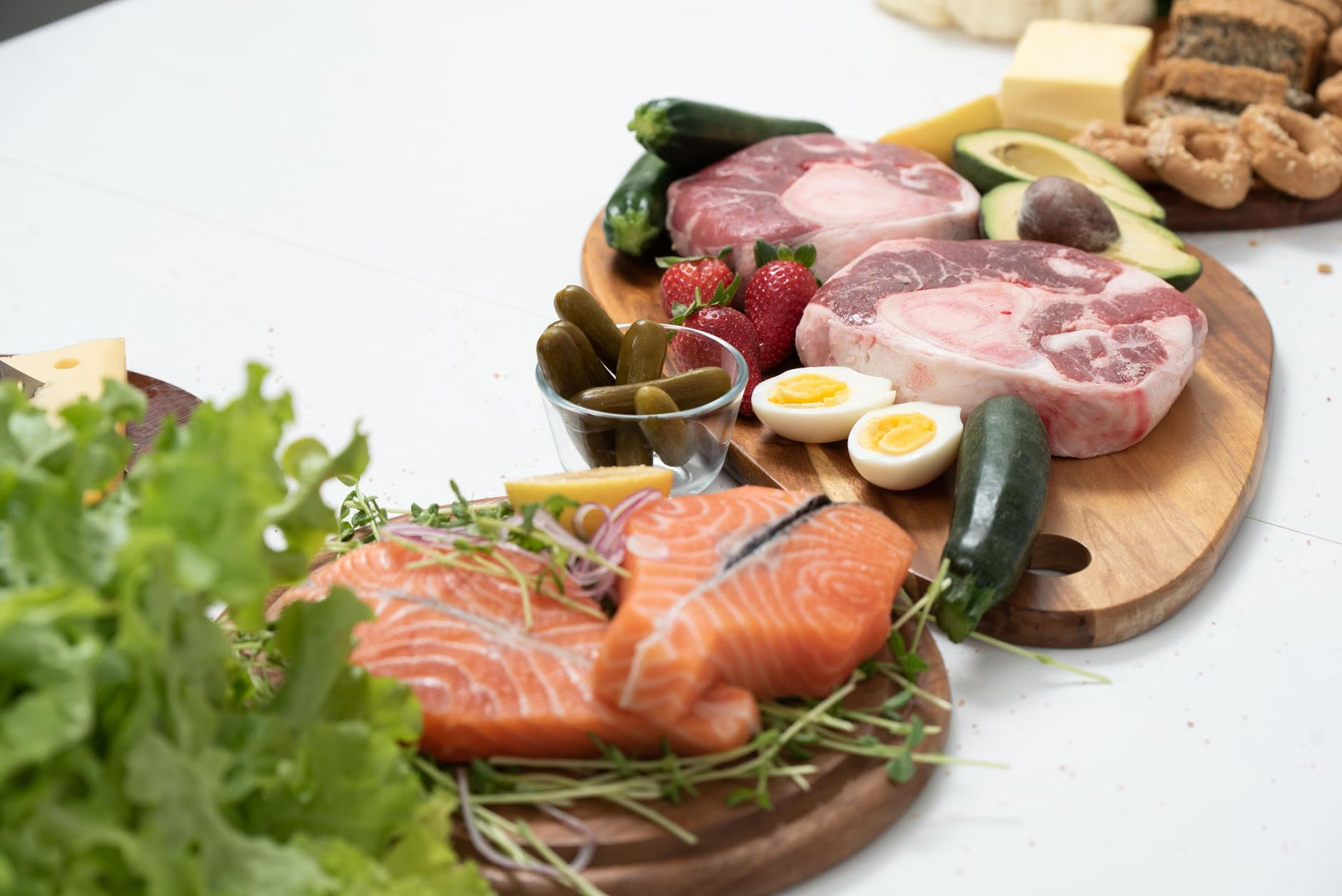
The most effective way to meet your choline needs is through a varied, whole-food diet. Relying on supplements should be a secondary consideration, only explored after discussing your specific health profile with a physician.
| Food Item | Approximate Choline Content | Practical Serving Context |
|---|---|---|
| Large Egg (Hard-boiled) | 147 mg | One of the most concentrated, bioavailable sources. |
| Beef Liver (3 oz) | 356 mg | Highly potent, but should be consumed in moderation due to Vitamin A content. |
| Chicken Breast (3 oz) | 72 mg | A lean, versatile protein staple. |
| Salmon (3 oz) | 63 mg | Provides Omega-3 fatty acids alongside choline. |
| Broccoli (1 cup, chopped) | 63 mg | A plant-based source that also offers essential fiber. |
This table illustrates that achieving your daily goal is quite feasible through a balanced diet. For example, starting your day with two eggs provides nearly 300 mg of choline, more than halfway to the daily requirement for women and a significant portion for men.
Many older adults are tempted to reach for a multivitamin or a dedicated choline supplement to bridge the gap. However, food matrices are complex. When you eat an egg, you are not just getting choline; you are getting high-quality protein, lutein, and zeaxanthin, which support eye health. The body is evolved to process nutrients within the context of these complex food structures.
When might a supplement be necessary? If you have restricted dietary habits—such as strict veganism or specific medical diets that limit protein intake—you may find it difficult to reach the AI through food alone. Furthermore, certain genetic variations (polymorphisms) in the PEMT gene, which is involved in the synthesis of choline, can increase an individual’s requirement for the nutrient.
If you suspect you have a deficiency or are considering a supplement, follow this decision-making process:
- Step 1: Audit your diet. Track your food intake for three days using a simple journal or a digital app to estimate your average weekly choline intake.
- Step 2: Identify barriers. Are you avoiding eggs due to cholesterol concerns? (Modern research suggests that for most people, dietary cholesterol in eggs has a minimal impact on blood cholesterol levels). Are you unable to eat cruciferous vegetables due to digestive discomfort?
- Step 3: Consult your primary care physician. Bring your food log to your appointment. Ask specifically about your liver health markers, such as ALT and AST blood tests, to see if your current liver function warrants extra attention.

Integrating Choline into a Senior-Friendly Lifestyle
Healthy aging is not about perfection; it is about consistency. Incorporating choline-rich foods into your routine should be enjoyable and sustainable. Here are some practical strategies for the 60 to 80 age demographic:
1. The “Protein-First” Breakfast
Breakfast is often the most overlooked meal for high-quality protein and choline. If you usually have cereal or toast, try incorporating one or two eggs. If you are concerned about preparation time, hard-boil a half-dozen eggs at the start of the week. They store well in the refrigerator and provide an immediate, grab-and-go source of choline.
2. Strategic Vegetable Pairing
Cruciferous vegetables like broccoli, Brussels sprouts, and cauliflower are excellent sources of choline. If you find these difficult to digest, steaming them until they are very tender or incorporating them into soups can make them much easier on your digestive system. Pair them with a healthy fat like olive oil, which can further aid in the absorption of fat-soluble nutrients.
3. Managing Portion Sizes
As we age, our caloric needs often decrease, but our nutrient needs remain high or even increase. This means every bite must be nutrient-dense. Instead of large portions of empty-calorie carbohydrates, prioritize smaller portions of nutrient-dense proteins and vegetables. This “quality over quantity” approach naturally increases the proportion of choline in your diet.

Addressing Misconceptions and Safety Considerations
There is often confusion regarding the relationship between choline, TMAO (trimethylamine N-oxide), and heart health. Some studies have suggested that high levels of TMAO—a byproduct produced by gut bacteria after eating choline-rich foods—may be linked to cardiovascular risks. However, this is a nuanced area of research.
Most experts agree that the cardiovascular benefits of consuming whole foods like eggs and fish, which are rich in protective nutrients, generally outweigh concerns about TMAO production in healthy individuals. The key is balance. If you are concerned about your cardiovascular health, focus on the overall quality of your diet, emphasizing fiber-rich plant foods, which can help modulate the gut microbiome and reduce the production of TMAO.
Warning Signs: If you experience persistent fatigue, unexplained changes in digestion, or right-sided upper abdominal discomfort, do not assume this is related to nutrition. These symptoms require professional medical evaluation. Your liver is a resilient organ, but it is not infallible. Use these symptoms as a signal to schedule a check-up, not as a reason to experiment with supplements.
The Role of Healthcare Professionals in Liver Support
When you visit your doctor for your annual physical, it is helpful to have a clear understanding of your liver health. You can ask specific, informed questions to guide the conversation:
- “Based on my recent blood work, are my liver enzyme levels (ALT/AST) within a healthy range?”
- “Given my current diet and medication list, is there any reason I should be concerned about fatty liver or metabolic health?”
- “If I am looking to improve my liver health through diet, are there specific foods I should prioritize or avoid?”
Always bring a list of your current medications and supplements to these appointments. Some medications can affect liver metabolism, and your doctor needs a complete picture to provide safe, personalized advice.
Building a Sustainable Path Forward
Preventive health is a marathon, not a sprint. The goal of focusing on choline is not to achieve a specific number on a lab test tomorrow, but to build a foundation of metabolic health that supports your vitality for years to come. By choosing whole, nutrient-dense foods, you are supporting your liver’s ability to clear toxins, manage fats, and maintain the chemical balance required for daily energy.
Start small. Perhaps this week, you commit to adding one serving of cruciferous vegetables to your dinner three times, or you swap a processed snack for a hard-boiled egg. Monitor how you feel, keep your healthcare provider in the loop, and remember that every positive dietary change is a cumulative investment in your future well-being.
Official Sources for Further Exploration
- National Institutes of Health (NIH) Office of Dietary Supplements: Choline Fact Sheet for Health Professionals
- American Liver Foundation: General Liver Health Guidance
- Dietary Guidelines for Americans: Nutritional Recommendations for Older Adults
Frequently Asked Questions
1. Can I get enough choline if I am a vegetarian?
Yes, you can. While eggs and meat are the most concentrated sources, plant-based options like soybeans, tofu, quinoa, and cruciferous vegetables (broccoli, cauliflower) are excellent sources. Vegetarians may need to be more intentional about their food choices to ensure they hit the daily target.
2. Is there a danger of getting too much choline?
The Tolerable Upper Intake Level (UL) for adults is 3,500 mg per day. It is very difficult to exceed this level through diet alone. Excess choline from supplements can sometimes lead to side effects like a “fishy” body odor, sweating, or low blood pressure. This is why food-first approaches are strongly recommended.
3. Does cooking destroy the choline in food?
Choline is relatively heat-stable, meaning you do not lose significant amounts through standard cooking methods like boiling, steaming, or baking. You can continue to prepare your favorite healthy meals without worrying about significantly degrading the choline content.