- Prioritize Accessibility Verification: Not all canal boats are created equal; always confirm the presence of wide gangplanks, handrails, and level-access cabins before booking.
- Strategic Packing: Use soft-sided luggage to save space in narrow cabins and pack layers, as temperatures on the water fluctuate significantly between day and night.
- Mobility Management: If you use a mobility aid, ensure your tour operator has specific experience with boarding processes at traditional locks and towpaths.
Heritage canal boat tours offer a uniquely slow-paced and immersive way to explore historical waterways. For travelers aged 60 to 80, these journeys provide a peaceful alternative to the high-energy demands of traditional sightseeing. However, the unique environment of a canal boat—characterized by confined spaces, uneven towpaths, and specific boarding requirements—demands careful preparation to ensure safety, comfort, and enjoyment.
Understanding the Canal Environment: Why Planning Matters
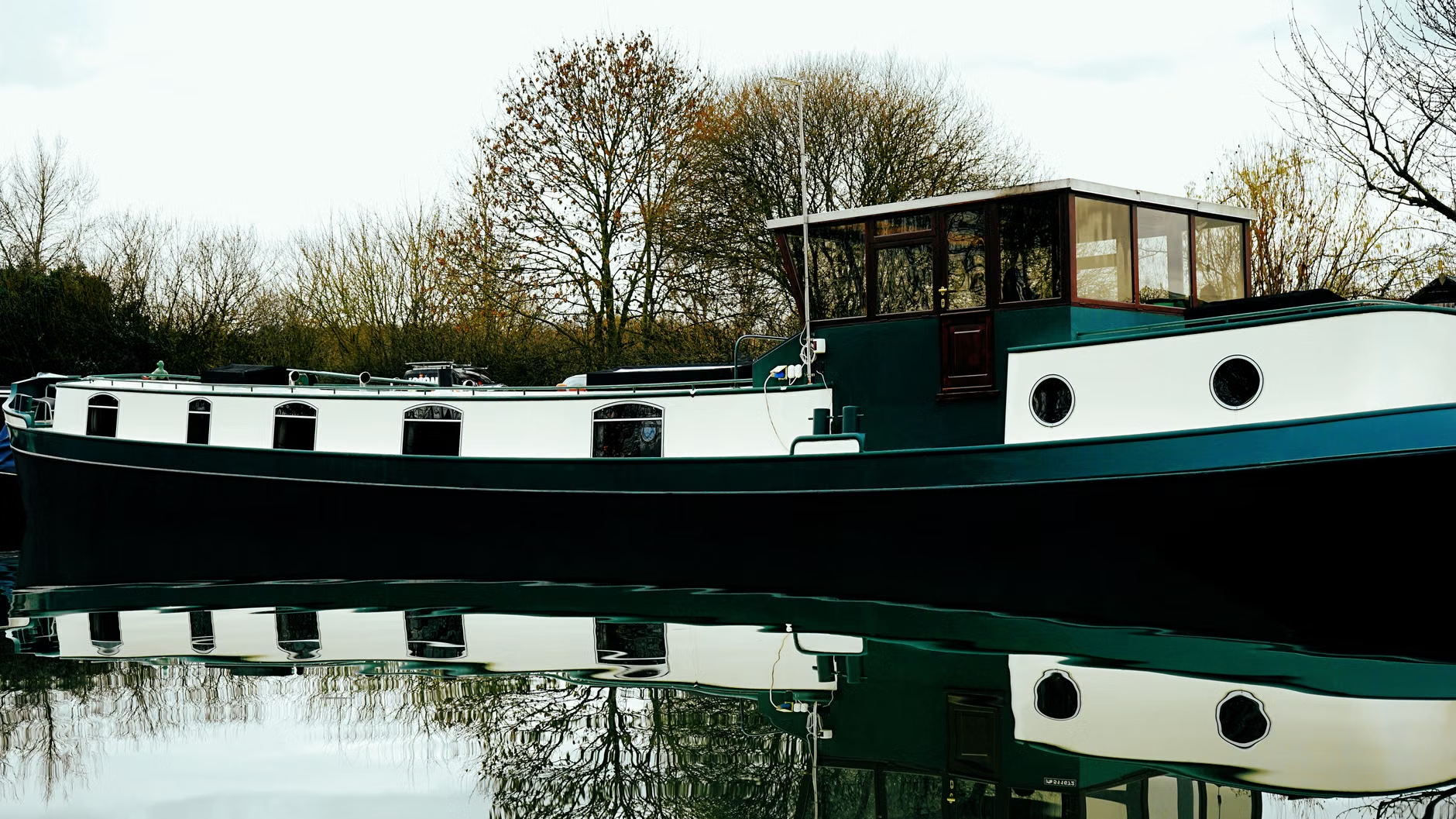
Canal boats, often referred to as narrowboats in regions like the UK, are designed for the specific dimensions of historic locks and waterways. While they are charming, their design poses specific challenges for seniors, particularly those with mobility concerns. Understanding the “what” and “why” of these challenges is the first step in planning a successful trip.
The Space Constraint: Narrowboats are rarely wider than 7 feet (approx. 2.1 meters). This means corridors are tight, doorways are often narrow, and storage space is extremely limited. For a traveler, this translates to a need for minimalism in packing and a requirement for high physical awareness when moving through the vessel.
The Boarding Variable: Unlike a cruise ship with a standardized pier, boarding a canal boat often involves stepping from a grassy or gravel towpath directly onto the boat’s deck. This requires a certain level of balance and coordination. If you have concerns about your stability, you must inquire with the tour operator specifically about their “level-access” boarding options or if they utilize dedicated, reinforced gangplanks.
Evaluating Your Mobility and Stamina
Before booking, conduct an honest assessment of your mobility. Canal travel is not inherently sedentary; it involves navigating steps (often steep) to enter the cabin, moving across moving decks, and walking on potentially uneven canal towpaths during stops.
The Mobility Checklist
- Step Clearance: Can you comfortably manage three to four steep, narrow stairs? If not, look for “single-level” or “wide-beam” boats that offer more stable access.
- Balance Requirements: The boat is a moving vessel. While slow, the sensation of movement can be disorienting. Ensure you are comfortable with light swaying.
- Towpath Navigation: Most canal towpaths are unpaved. If you use a cane or walker, verify if the specific route you are taking features accessible, paved sections near moorings.
If you find that standard narrowboats are too restrictive, consider “wide-beam” boats. These vessels are significantly wider, offering more stable footing and easier navigation, though they are limited to specific, larger canal networks.
Strategic Packing: The Art of the Soft-Sided Bag
One of the most common mistakes travelers make on canal boats is bringing large, hard-shell suitcases. These are impossible to store in a narrowboat cabin and will clutter your living space, creating a tripping hazard. Always use soft-sided luggage or structured duffel bags that can be collapsed and tucked under a bed or into a small closet.
The Essential Packing List
| Category | Items to Include | Reasoning |
|---|---|---|
| Clothing | Lightweight layers, waterproof jacket, non-slip rubber-soled shoes. | Temperatures drop quickly on the water; damp decks require excellent traction. |
| Health | Extra medication supply, simple first-aid kit, sun protection (hat/sunglasses). | Canal routes are often remote; access to pharmacies may be delayed. |
| Accessibility | Collapsible trekking pole or cane, portable LED torch. | Assistance on towpaths and safety during low-light hours on deck. |
Why non-slip shoes matter: The deck of a canal boat becomes slippery when wet. Avoid leather soles or high heels. Opt for walking shoes with deep-tread rubber outsoles that provide stability on both wet wood and uneven gravel paths.
Managing Health and Daily Wellbeing on the Water
Canal travel is a “slow travel” experience. It is important to pace yourself, especially regarding hydration and sun exposure. The water acts as a mirror for sunlight, which can increase UV exposure even on cloudy days. Always keep a reusable water bottle within reach and ensure you have a wide-brimmed hat.
Handling Medications
Because canal boat tours often move through rural areas, you cannot assume you will be near a pharmacy. Carry a minimum of three extra days’ worth of essential medications. Keep these in a waterproof bag, separate from your main luggage, so they are always accessible in case of an emergency evacuation or a delay in travel.
If you have a chronic condition, discuss your travel plans with your primary care provider before booking. Ask specifically about the implications of being in a remote, water-based environment for several days. Ensure you carry a summary of your medical history, including a list of current medications and allergies, in a clear, waterproof document holder.
Safety on a canal boat is about proactive management of the environment. The most common risk is a fall, either while boarding or while moving between the deck and the cabin.
Safety Rules for Seniors
- Always maintain three points of contact: When stepping on or off the boat, ensure you have two hands on a stable railing and one foot planted, or one hand and two feet.
- Communication with the Crew: If you are on a tour with a captain, do not hesitate to ask them to “steady the boat” or provide a hand during boarding. They are trained to assist.
- Lighting the Way: Canal moorings are often dark at night. Always carry a small, high-lumen LED torch if you need to step outside after sunset.
It is also worth noting the “lock” process. Locks are the mechanisms that raise and lower boats between different water levels. While you may not be required to operate them, watching the process can be fascinating. However, stay on the boat or in a designated safe observation area, as the area around locks can be wet, slippery, and involve heavy machinery.
Choosing the Right Tour Operator
When selecting a canal boat tour company, look for those that explicitly mention “accessibility” or “senior-friendly” features. Do not settle for a generic “all ages” description. Ask the following questions directly to the operator:
- Do you have boats with handrails installed throughout the cabin and deck?
- What is the height of the step from the gunwale (the side of the boat) to the deck?
- Are your bathrooms equipped with grab bars?
- Do you provide a briefing on safety and mobility for senior passengers?
If an operator cannot answer these questions clearly, it is a sign that their equipment may not be suitable for your specific needs. In many countries, such as the UK or France, there are specialized charter companies that focus on accessible tourism—seek these out as a priority.
Hidden Inconveniences and How to Mitigate Them
Even with the best planning, there are variables that often surprise first-time canal travelers. Recognizing these beforehand allows you to adjust your expectations and minimize stress.
The “Noise” Variable
Canal boats are typically powered by diesel engines located near the stern (rear). If you are sensitive to noise or vibration, request a cabin toward the bow (front). This will significantly improve your sleep quality and overall comfort during the day.
Moisture and Dampness
Canal environments are inherently humid. If you have respiratory sensitivities, be aware that cabins can feel damp, especially in the mornings. Bring a travel-sized dehumidifier or simply ensure you air out the cabin by opening windows or hatches as soon as you wake up. Packing clothes in moisture-resistant bags (like vacuum-seal bags) is also a practical way to keep your belongings fresh.

The Financial and Practical Decision-Making Process
When budgeting for your tour, include “accessibility costs.” This might mean choosing a slightly more expensive boat that has been retrofitted with wider doors and grab bars. Think of this not as an extra expense, but as a necessary investment in your safety and comfort. Choosing a cheaper, non-accessible boat often leads to higher stress and potential injury, which far outweighs any initial savings.
Additionally, check your travel insurance. Does it cover “active” water holidays? Some standard policies have exclusions for boat-based travel. Ensure your provider understands the nature of the trip and that you have adequate coverage for medical evacuation if you are in a remote section of the canal.
Conclusion: Pacing for a Memorable Experience
The beauty of canal travel lies in its ability to force us to slow down. By prioritizing your physical needs, selecting the right equipment, and packing strategically, you can fully enjoy the tranquility of the waterways. Remember that the goal is not to reach a destination quickly, but to enjoy the journey itself. Take time to rest, observe the local wildlife, and engage with the slow, rhythmic movement of the boat. With the right preparations, a canal tour can be one of the most rewarding and accessible travel experiences for the active senior.
Official Resources for Further Planning
- Canal & River Trust (UK) – Accessibility Guidelines
- Inland Waterways Association – Safety and Navigation
Frequently Asked Questions (FAQ)
1. Do I need to be physically fit to go on a canal boat tour?
You do not need to be an athlete, but you should have sufficient mobility to step across a small gap between the boat and the bank and manage a few steps. If you have significant mobility limitations, look for operators that offer “accessible” boats with ramp-assisted boarding and wider internal layouts.
2. Is there a specific age limit for canal boat travel?
There is no upper age limit for canal travel. Many operators welcome seniors and cater to them with specific safety briefings and stable equipment. The key is to be realistic about your own stamina and to choose a tour length that allows for plenty of recovery time.
3. How do I handle emergencies while on a canal boat?
Most operators provide a safety manual and a radio or emergency contact number. Before you depart, ensure you know how to use the radio and where the emergency shut-off valves are located. If you have a personal medical device, ensure it is fully charged and that you have a portable power bank, as onboard power can sometimes be limited.