- Mechanical Efficiency: Seated torso stretches improve the flexibility of the intercostal muscles and thoracic spine, allowing the lungs to expand more fully with less effort.
- Preventive Focus: Consistent daily movement helps counteract the natural stiffening of the chest wall that occurs with age, supporting long-term respiratory resilience.
- Safety First: Always prioritize stability by using a sturdy, armless chair and moving within your pain-free range of motion; avoid jerky movements or holding your breath during stretches.
Respiratory health is one of the most critical factors in maintaining independence and stamina as we age. While we often think of lung health in terms of aerobic activity like walking or swimming, the physical structure of the chest—the thoracic cage—plays an equally vital role. As we reach our 60s, 70s, and 80s, the rib cage and the spine can naturally become less flexible. This stiffness can restrict the full expansion of the lungs, making breathing feel more labored and reducing the amount of air we can comfortably inhale in a single breath.
Seated torso stretches offer a highly accessible, low-impact way to maintain thoracic mobility. By specifically targeting the muscles between the ribs (intercostals) and the muscles surrounding the spine, we can create more “room” for the lungs to function optimally. This article explores the mechanics of why these stretches matter, how to perform them safely, and how to integrate them into a daily preventive health routine.
Understanding the Mechanics: Why the Torso Matters for Breathing
To understand the value of these stretches, we must first look at how we breathe. Breathing is not just a lung function; it is a muscular process. When you inhale, your diaphragm contracts and moves downward, while your intercostal muscles lift your rib cage outward and upward. This mechanical expansion creates a vacuum that pulls air into the lungs.
As we age, several physiological changes can impede this process:
- Reduced Thoracic Compliance: The joints where the ribs meet the spine can stiffen, making it harder for the rib cage to expand fully.
- Postural Changes: A slight forward curve in the upper spine (thoracic kyphosis) can compress the front of the chest, limiting the diaphragm’s downward movement.
- Muscle Tightness: Tight chest and abdominal muscles can act like a tight corset, resisting the expansion needed for deep, efficient breaths.
When these structures are stiff, the body compensates by using “accessory” muscles in the neck and shoulders. This is why many older adults report feeling tension in their neck or upper back after a period of activity—it is often a sign that their primary breathing mechanics are being restricted by a tight torso.

Preparing for Your Session: Safety and Setup
Before beginning any stretching routine, the environment and your equipment are paramount. The goal is to provide enough stability that your body feels safe enough to relax into the stretch.
Choosing the Right Chair
Do not use a rolling office chair or a chair with wheels. Use a sturdy, non-slip dining chair or a stable bench. The seat should be firm enough that you do not sink into it, as you need a neutral, upright pelvis to effectively stretch the torso.
The “Neutral Spine” Principle
Before starting any movement, find your neutral alignment. Sit toward the front edge of the chair with your feet flat on the floor, hip-width apart. Imagine a string pulling the crown of your head toward the ceiling. Your shoulders should be relaxed, not hunched toward your ears. This starting position ensures that when you move into a stretch, the tension is directed into the muscles rather than being absorbed by poor posture.
When to Consult a Professional
If you have a history of spinal fractures, severe osteoporosis, or recent thoracic surgery, consult your primary care physician or a physical therapist before starting these movements. These stretches are preventive and gentle, but your specific medical history may necessitate modifications.
Core Seated Stretches for Respiratory Capacity
The following stretches are designed to be performed daily. They are not high-intensity workouts; rather, they are “maintenance” movements for your respiratory system.
| Stretch Name | Primary Benefit | Duration |
|---|---|---|
| Seated Chest Opener | Stretches the pectorals and opens the anterior rib cage. | 30 seconds |
| Seated Side Bend | Lengthens the intercostal muscles between the ribs. | 20 seconds per side |
| Seated Thoracic Twist | Improves rotational flexibility of the spine. | 30 seconds per side |
1. The Seated Chest Opener
Sit tall and reach your hands behind you, grasping the back of the chair or simply clasping your hands behind your lower back. Gently draw your shoulder blades together and lift your chest slightly toward the ceiling. Crucially, do not arch your lower back. Keep your core engaged to protect your lumbar spine. You should feel a gentle stretch across the front of your chest and shoulders. Breathe deeply into the space you feel opening in your upper chest.

2. The Seated Side Bend
While seated, place your left hand on the seat of the chair for stability. Reach your right arm up toward the ceiling. Slowly lean your torso to the left, keeping both “sit bones” firmly planted on the chair. Imagine you are reaching over a large beach ball. You will feel a stretch along the right side of your rib cage. This helps expand the space between the ribs on one side, allowing for better lateral lung expansion. Repeat on the other side.
3. The Seated Thoracic Twist
Sit tall and place your right hand on the outside of your left knee. Place your left hand on the back of the chair. As you exhale, gently rotate your torso to the left, looking over your left shoulder. Use your hand on the knee as a light lever, but do not force the rotation. This rotation massages the rib joints and encourages better movement in the thoracic spine, which is often the most rigid part of the spine in older adults.
Integrating Diaphragmatic Breathing
Stretching the muscles is only half the equation; you must also retrain the body to use the space you have created. Diaphragmatic breathing, or “belly breathing,” is the most efficient way to use your lungs.
To practice this, place one hand on your chest and one hand on your abdomen. As you inhale slowly through your nose, focus on making the hand on your abdomen move outward, while the hand on your chest remains relatively still. This ensures that the diaphragm—the primary breathing muscle—is doing the heavy lifting. If you find your chest rising and your shoulders shrugging, you are likely using your secondary neck muscles, which is less efficient and more tiring.
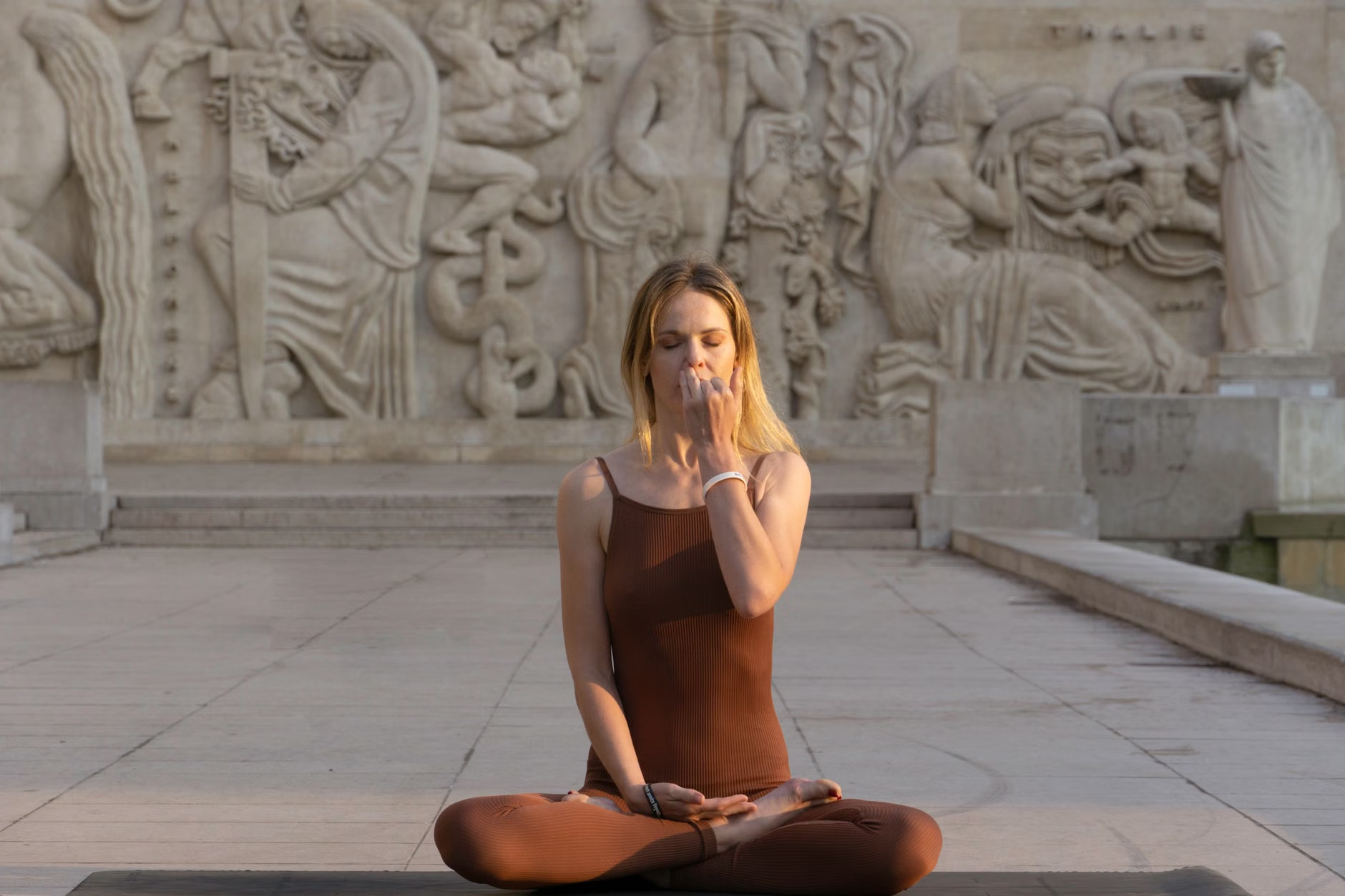
Perform this breathing technique for two to three minutes after completing your stretching routine. This helps “set” the new, more relaxed posture and encourages the nervous system to shift into a calmer state, which further reduces unnecessary muscle tension.
Common Mistakes and How to Avoid Them
Even with simple movements, common pitfalls can reduce the effectiveness of the exercise or cause minor discomfort. Here is how to troubleshoot common issues:
- Breath Holding: Many people instinctively hold their breath when trying to focus on a stretch. This is counterproductive. If you find yourself holding your breath, your intensity is likely too high. Back off the stretch until you can breathe rhythmically and deeply.
- Forcing the Range of Motion: You should feel a “tension” or “pull,” but never sharp pain. If you experience sharp pain, stop immediately. Flexibility in the spine and rib cage is gained through consistency, not force.
- Collapsing the Spine: Many people slouch while trying to twist or bend. If you lose your “tall” posture, you are losing the stretch. Focus on the feeling of being pulled upward by a string attached to the crown of your head throughout every movement.
The Role of Lifestyle and Environment
Beyond specific exercises, your daily habits significantly influence your respiratory capacity. Consider these factors:
Hydration and Tissue Health
Fascia, the connective tissue that surrounds your muscles and ribs, requires hydration to remain pliable. Even mild dehydration can lead to a sensation of stiffness. Ensure you are drinking adequate water throughout the day, as this directly affects the elasticity of your thoracic tissues.
Environmental Ergonomics
If you spend significant time sitting—reading, watching television, or using a computer—ensure your environment supports good posture. A chair that forces you to slump will undo the benefits of your morning stretches. Use a lumbar support pillow if your chair does not provide adequate support for the natural curve of your lower back.
The “Micro-Break” Strategy
Instead of doing one long session, integrate these stretches into your day. If you are watching a television program, do a few seated twists during the commercial breaks. By “micro-dosing” these movements, you keep your thoracic cage mobile throughout the day rather than allowing it to stiffen up over several hours of inactivity.
While these stretches are excellent for prevention, they are not a replacement for medical care if you experience genuine respiratory symptoms. It is important to know when to seek professional advice. If you experience any of the following, do not rely on stretching; make an appointment with your healthcare provider:
- Persistent Shortness of Breath: If you find that you are winded during activities that previously did not bother you, such as walking up a single flight of stairs or carrying light groceries.
- Chronic Cough: A cough that lasts longer than three weeks or is accompanied by changes in mucus production.
- Chest Discomfort: Any pain, pressure, or tightness in the chest, particularly if it radiates to the arms, neck, or jaw.
- Wheezing or Audible Breathing: New or worsening sounds when you breathe, even at rest.
When you do see a doctor, come prepared. Keep a simple log for one week detailing:
- When you feel short of breath (e.g., “after walking 50 meters”).
- How long it takes to recover (e.g., “about 2 minutes of rest”).
- Any other symptoms (e.g., fatigue, dizziness, or swelling in the ankles).
This information is far more useful to a clinician than a vague description of “feeling tired.”
Scientific Context and Long-Term Resilience
Research into gerontology consistently shows that respiratory muscle strength is a predictor of longevity and healthspan. While most studies focus on high-intensity training, there is growing recognition of the importance of “thoracic mobility” as a foundational element. When the chest wall is mobile, the energy cost of breathing is lower. For an older adult, this means having more “energy budget” left over for walking, socializing, and participating in hobbies.
Think of your thoracic cage as a hinge on a door. If you never open the door fully, the hinge eventually rusts and becomes difficult to move. By performing these stretches, you are effectively “oiling the hinge” of your rib cage. You are ensuring that when you need to take a deep breath—whether to climb a hill while traveling or simply to recover from a quick walk—your body is mechanically prepared to do so.
Conclusion: Building a Sustainable Routine
Respiratory capacity is not a static trait; it is something you can actively maintain and improve through intentional movement. By focusing on the flexibility of your thoracic spine and intercostal muscles, you are taking a proactive step in preventive health that pays dividends in your daily stamina and comfort.
Start with just five minutes a day. Choose a time that is easy to remember, such as right after your morning coffee or just before you settle in for your evening reading. The secret to success is not the intensity of the stretch, but the regularity of the habit. As you become more comfortable with these movements, you may find that deep, full breaths become your natural state, rather than something you have to consciously attempt. This shift in breathing pattern is the hallmark of a body that remains resilient, energized, and capable well into your 70s, 80s, and beyond.
Disclaimer: This article is for informational purposes only and does not constitute medical advice. Always consult with a qualified healthcare professional before beginning any new exercise program, especially if you have pre-existing health conditions.
Frequently Asked Questions (FAQ)
1. Can these stretches help with asthma or COPD?
These stretches are designed to improve the mechanical mobility of the chest wall, which can help anyone breathe more comfortably. However, they are not a treatment for conditions like asthma or COPD. If you have a diagnosed respiratory condition, please speak with your pulmonologist or primary care doctor to ensure these movements are appropriate for your specific care plan.
2. How long will it take to notice an improvement in my breathing?
Most people notice a difference in their “feeling” of openness within the first week of consistent daily practice. However, structural improvements in thoracic mobility are a cumulative process that occurs over several weeks or months of regular, gentle stretching.
3. Is it better to do these stretches in the morning or evening?
There is no “perfect” time, but many people find that doing them in the morning helps “loosen up” after a night of sleep, when the body can feel stiff. Others prefer the evening to help release the tension accumulated throughout the day. Choose the time that makes it easiest for you to remain consistent.
Sources for further reading and verification: