- Consistency over Intensity: Gentle, daily neck-tilts are more effective and safer for managing muscle tension than infrequent, intense stretching.
- Prioritize Alignment: The efficacy of a neck stretch depends entirely on your seated posture; if your spine is slouched, the muscles cannot release tension effectively.
- Know Your Limits: If you experience sharp pain, dizziness, or numbness during movement, stop immediately; these are signs that professional guidance is required.
Understanding Neck Tension in Later Life
As we navigate our daily routines—whether reading, using a digital device, or simply relaxing—the muscles in the neck and upper back often bear the brunt of our posture. For adults aged 60 to 80, the structural changes in the cervical spine, combined with cumulative years of habitual movement patterns, can lead to localized tension. This is not necessarily a sign of a medical condition, but rather a common functional consequence of daily life.
Preventive health is about managing these small, daily accumulations of tension before they become sources of stiffness or discomfort. The seated neck-tilt is a low-impact, accessible movement that targets the sternocleidomastoid and trapezius muscles—the primary areas where we “hold” our stress and fatigue. By integrating this simple practice into your day, you can maintain a greater range of motion and reduce the frequency of muscle tightness.
What Happens When Tension Builds
When neck muscles remain contracted for long periods, they can become fatigued and shorten. This often manifests as a feeling of “heaviness” in the head or a dull ache at the base of the skull. In older adults, maintaining neck mobility is not just about comfort; it is essential for functional safety. For example, the ability to turn the head comfortably and without pain is critical for activities like driving, crossing the street, or simply looking behind you while walking.
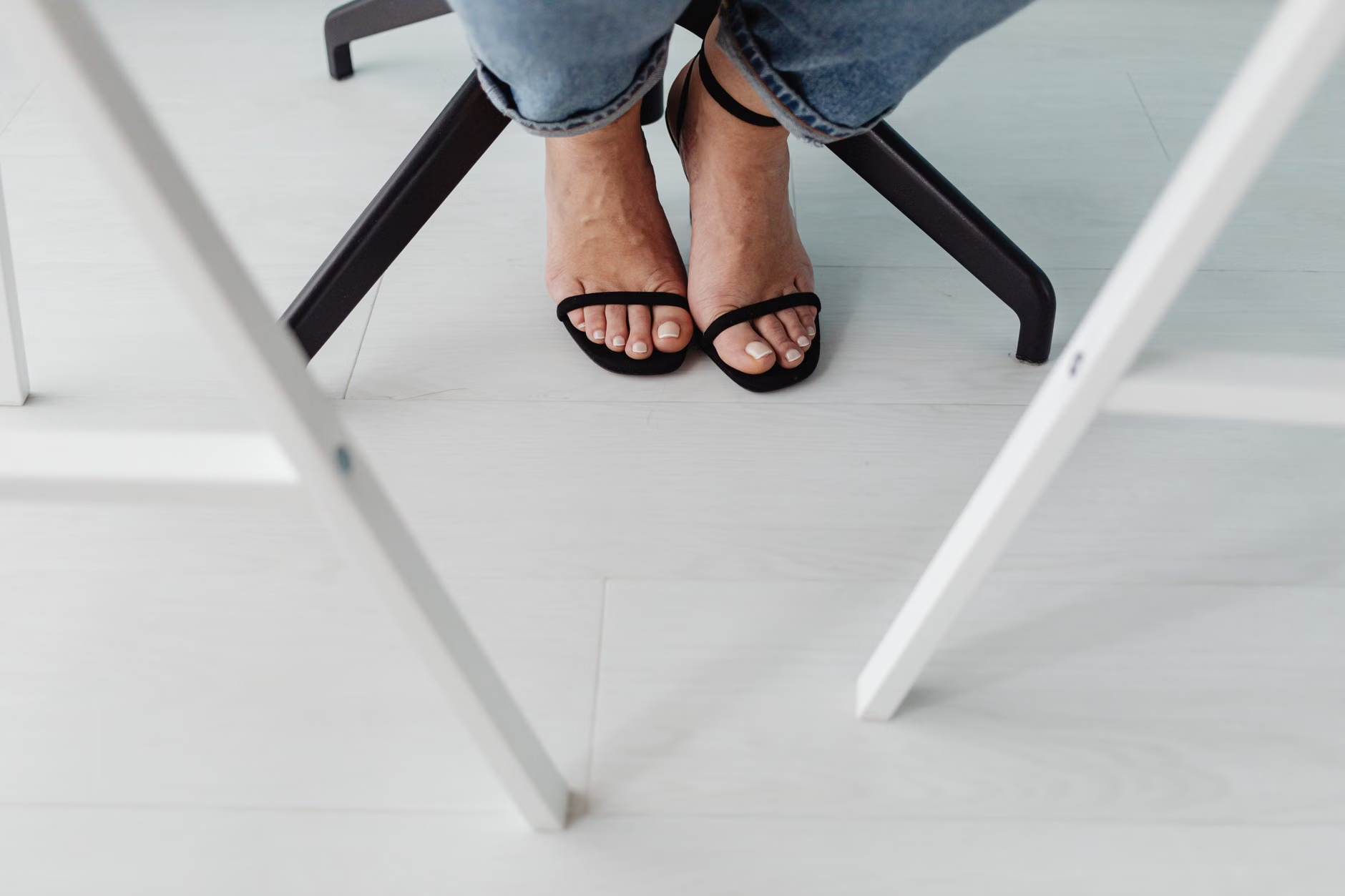
Establishing the Foundation: Proper Seated Posture
Before attempting any neck movement, you must establish a stable base. If you are slouched, your neck muscles are already working to compensate for the weight of your head, making any further stretching counterproductive.
| Body Part | Correct Position | Why It Matters |
|---|---|---|
| Feet | Flat on the floor, shoulder-width apart. | Provides a stable foundation for the entire kinetic chain. |
| Spine | Neutral curve; not arched or rounded. | Reduces unnecessary load on the cervical vertebrae. |
| Shoulders | Dropped and relaxed, away from ears. | Prevents the trapezius from ‘guarding’ the neck. |
If you find that your chair is too deep or does not support your lower back, place a small, firm cushion behind your lumbar region. This simple adjustment often provides the stability needed to keep the spine upright without excessive muscular effort.
The Seated Neck-Tilt: A Step-by-Step Execution
The goal of this movement is to gently lengthen the muscles on the side of the neck. It is not about forcing the head down; it is about finding a light, controlled stretch.
- Start Neutral: Sit tall, looking straight ahead. Keep your chin parallel to the floor.
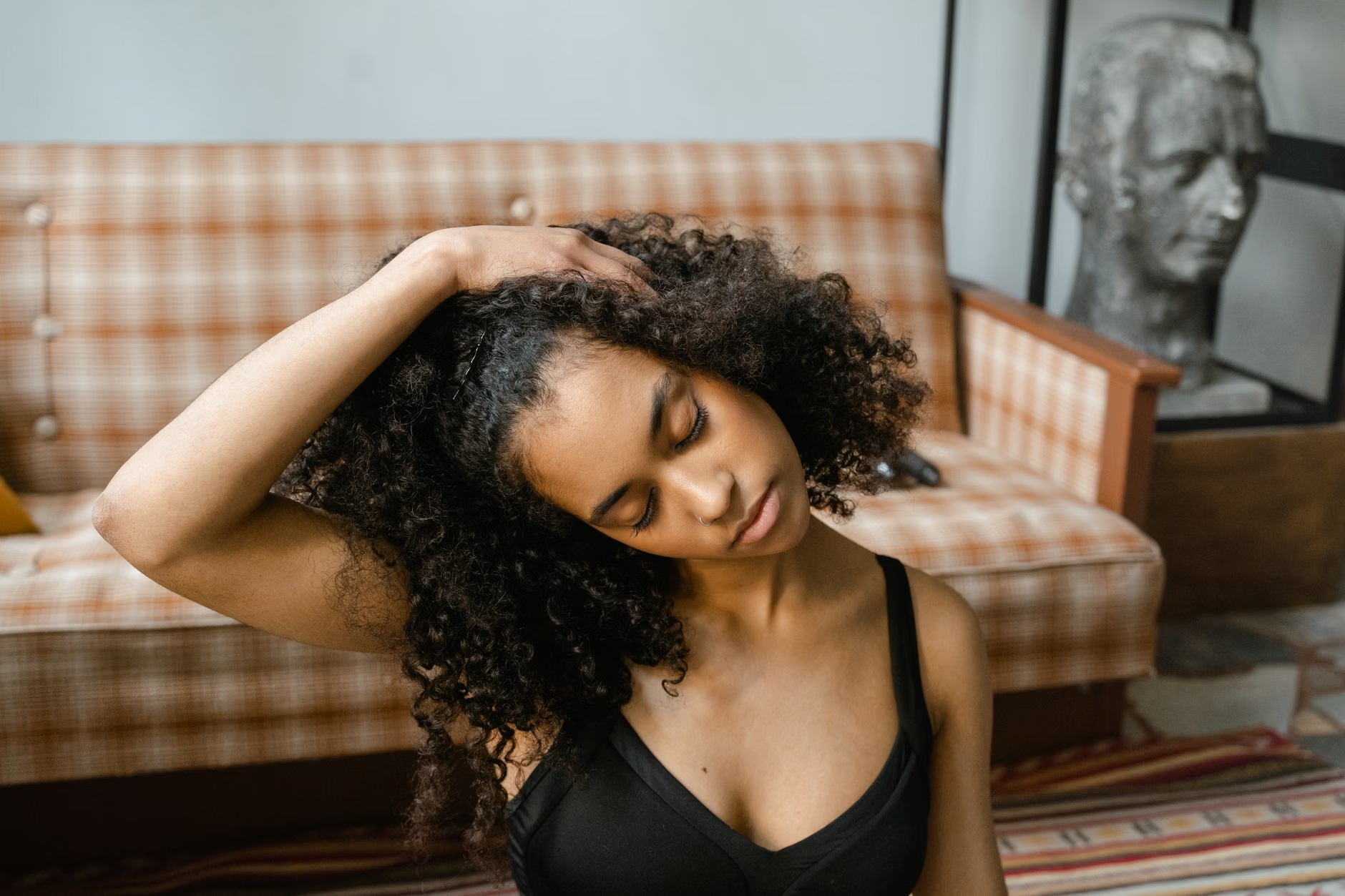
- The Tilt: Slowly tilt your right ear toward your right shoulder. Move only as far as you can while keeping your left shoulder completely relaxed and down.
- The Hold: Hold this position for 10 to 15 seconds. Breathe deeply. If you hold your breath, your muscles will naturally tense up, defeating the purpose of the stretch.
- The Return: With control, bring your head back to the center. Pause for a moment to reset.
- Repeat: Perform the movement on the left side, tilting your left ear toward your left shoulder.
Common Mistake: Many people attempt to “pull” their head down with their hand. Avoid this. Using your hand adds weight and force that your neck may not be ready for. Rely on the gentle weight of gravity alone.
Modifications and Safety Considerations
Not every body is the same, and your comfort levels may vary day to day. If you have a history of cervical spine issues, such as arthritis, stenosis, or previous injuries, you must consult with your primary care physician or a physical therapist before starting this routine.
When to Modify
If you feel any sharp, shooting pain, stop immediately. This is not “good” pain; it is a signal of nerve irritation or structural stress. Instead of a full tilt, try a smaller, shallower movement. Sometimes, just turning the head slightly to the side while keeping the chin tucked is enough to provide relief without reaching the point of discomfort.
Using Support
If you have limited neck mobility, you may find that the muscles in the neck “shake” when you tilt your head. This is a common sign of muscle fatigue. To support the head, you can place your palm against the side of your head—not to push, but to provide a “wall” for your head to lean into. This provides a sense of security and allows the muscles to relax rather than fight to stabilize the head.

Integrating Movement into Your Daily Rhythm
The most effective preventive health habit is one that you can do without thinking about it. You do not need a gym or special equipment to perform seated neck-tilts. Here are three scenarios where this practice can be seamlessly integrated:
- Morning Routine: While waiting for your coffee to brew or while sitting at the breakfast table, take two minutes to do three slow cycles of neck-tilts. This helps “wake up” the muscles after the stillness of sleep.
- Digital/Reading Breaks: If you spend time reading or using a computer, set a timer for every 45 minutes. When it goes off, perform your neck-tilts. This breaks the cycle of static, forward-leaning posture.
- Evening Wind-down: Before bed, while sitting on the edge of your bed or in a comfortable chair, perform these stretches to release the tension accumulated throughout the day. This can also serve as a signal to your body that it is time to relax.
The Role of Professional Guidance
While gentle movement is excellent for general tension, it is not a substitute for professional medical care if you are experiencing persistent issues. You should seek a professional assessment if:
- Your neck pain is accompanied by numbness or tingling in the arms or hands.
- You experience frequent dizziness or lightheadedness when moving your head.
- The pain does not improve after a few days of gentle movement.
- You have had a recent fall or injury involving your head or neck.
When you visit a healthcare professional, come prepared. Keep a simple log for three days: note when the pain occurs, what you were doing at the time, and what specific movements make it better or worse. This information is invaluable for a doctor or physical therapist in determining whether your tension is postural, muscular, or related to underlying structural changes.
Long-term Benefits: Beyond Immediate Relief
The long-term impact of consistent, gentle neck movement is the preservation of your “functional independence.” As we age, the neck’s range of motion naturally decreases if we do not actively maintain it. By keeping these muscles supple, you are essentially “greasing the hinges.”
Furthermore, there is a strong connection between neck tension and overall balance. The muscles in the neck provide vital sensory feedback to the brain regarding your head’s position in space. When these muscles are chronically tight, this feedback loop can be slightly disrupted, which may contribute to feelings of unsteadiness. By keeping the neck flexible, you are supporting your body’s proprioception—your sense of balance and spatial awareness.
Addressing Common Misconceptions
A frequent misconception is that “more is better.” Some people believe that if a little stretching is good, then holding the stretch for five minutes or doing it ten times a day is better. This is incorrect. Over-stretching can irritate the very muscles you are trying to soothe. The goal is to nudge the muscles into a state of relaxation, not to force them into a new position. Think of it as a conversation with your body, not a command.
Another misconception is that neck pain is an inevitable part of aging. While it is true that tissues change with age, chronic pain is not a requirement. By understanding how to manage daily tension through simple, evidence-based movements, you can significantly influence your quality of life.
Building Your Personal Neck-Care Plan
Start by creating a plan that is sustainable. Do not aim for perfection; aim for consistency. A simple checklist can help you track your progress without feeling like it is a chore.
| Action | Frequency | Goal |
|---|---|---|
| Seated Neck-Tilt | 2-3 times daily | Reduce daily tension accumulation. |
| Posture Check | Every hour | Maintain spinal alignment during tasks. |
| Deep Breathing | During each stretch | Calm the nervous system and relax muscles. |
If you find yourself forgetting to do these, link them to another habit. For example, “Every time I sit down to watch the evening news, I will perform my neck-tilts during the first commercial break.” By tethering the new habit to an existing one, you increase the likelihood of sticking with it.
Practical Tips for Success
To ensure your efforts are effective, focus on the “quality” of the movement. Avoid jerky or sudden motions. The movement should be slow, deliberate, and smooth, like a pendulum. If you feel a “catch” or a point where the movement feels blocked, do not push through it. Back off slightly and move within the range that feels smooth.
Temperature can also play a role. If you are feeling particularly stiff, applying a warm, moist towel to the back of your neck for five minutes before your stretches can help relax the muscle fibers, making the movement more comfortable and effective. Never use a heating pad while sleeping or on the highest setting, as the skin of older adults can be more sensitive to burns.
The Connection Between Mind and Muscle
It is important to acknowledge that neck tension is often a physical manifestation of stress. When we are worried or anxious, we tend to tighten the muscles around our shoulders and neck unconsciously. While the physical stretches provided here will help, they are most effective when paired with a conscious effort to relax your mind. If you find your shoulders creeping up toward your ears, take a moment to consciously drop them and take a deep, slow breath. This “body scan” approach—checking in with your physical state throughout the day—is a powerful tool for self-regulation.
Conclusion: Empowering Your Daily Comfort
Managing neck tension is a proactive, empowering step in maintaining your overall wellbeing. By understanding the importance of proper posture, executing gentle movements with consistency, and knowing when to seek professional advice, you can navigate your daily life with greater ease and comfort. Remember, the journey to improved mobility is measured in small, daily wins. Start slowly, be kind to your body, and enjoy the relief that comes from consistent, mindful movement.
Frequently Asked Questions
1. How long does it take to see results from these neck-tilts?
Many people feel a sense of immediate, though temporary, relief after the first session. However, to see long-term changes in muscle flexibility and tension reduction, consistency over two to four weeks is usually required. Think of it as a long-term investment in your mobility rather than a quick fix.
2. Can I do these stretches while standing up?
While you can perform neck-tilts while standing, sitting provides a more stable base, which allows you to focus entirely on the neck muscles without worrying about your balance. For the safest and most effective results, especially if you are prone to dizziness, performing these while seated in a sturdy chair is recommended.
3. Should I use ice or heat for neck tension?
For chronic muscle tightness, gentle, moist heat is generally more effective at relaxing muscle fibers. Ice is typically reserved for acute injuries where there is swelling. If you are unsure about the nature of your discomfort, start with gentle, warm applications and monitor your body’s response. Always avoid extreme temperatures.
For further reading on maintaining mobility as you age, you may consult the resources provided by the National Institute on Aging, which offers extensive, evidence-based guidance on safe physical activity for older adults.