- Prioritize Infrastructure: Look for “universal design” markers such as wide, non-slip paths, gradual gradients (under 5%), and frequent, shaded seating areas.
- Validate Real-Time Access: Use satellite map views and local municipal transit websites to confirm the proximity of accessible restrooms and elevator-equipped entry points before visiting.
- Optimize Your Pace: Plan for “micro-breaks” every 20-30 minutes, ensuring your itinerary accounts for local transport frequency and peak-hour congestion to avoid overexertion.
Selecting an accessible riverfront promenade for a garden tour requires more than just checking for a flat path. For travelers aged 60 to 80, the ideal excursion balances aesthetic reward with physical comfort and logistical ease. A truly accessible promenade is one where the infrastructure supports your independence, allowing you to focus on the landscape rather than navigating potential obstacles.
Evaluating the Physical Infrastructure of Riverfront Gardens
When researching a destination, the term “accessible” is often used broadly. To ensure a location meets your specific mobility needs, you must look for concrete evidence of universal design. Universal design refers to environments that can be accessed, understood, and used to the greatest extent possible by all people, regardless of their age or size.
Surface Quality and Gradient Standards
The primary concern for any walking tour is the ground surface. Avoid locations that rely heavily on cobblestones, loose gravel, or uneven brickwork, as these can pose significant trip hazards and increase the physical effort required for a stable gait. Instead, seek out paths paved with smooth, continuous asphalt, poured concrete, or high-density composite decking. These materials provide the necessary friction to prevent slips while remaining easy to traverse with canes, walkers, or mobility scooters.
Furthermore, pay attention to the gradient. A path may look flat in photographs but could have subtle inclines that become exhausting over a multi-mile promenade. International accessibility standards generally suggest that a comfortable slope for independent movement should not exceed 5%. If you are using a manual wheelchair or have limited cardiovascular stamina, verify if the promenade features “switchback” ramps or elevator access points when moving between city street levels and the riverfront.
The “Rest-Stop” Decision Matrix
A successful garden tour is one where you never feel forced to push beyond your energy threshold. When reviewing a potential route, use the following decision matrix to determine if the promenade supports a sustainable pace:
| Feature | Ideal Standard | Why It Matters |
|---|---|---|
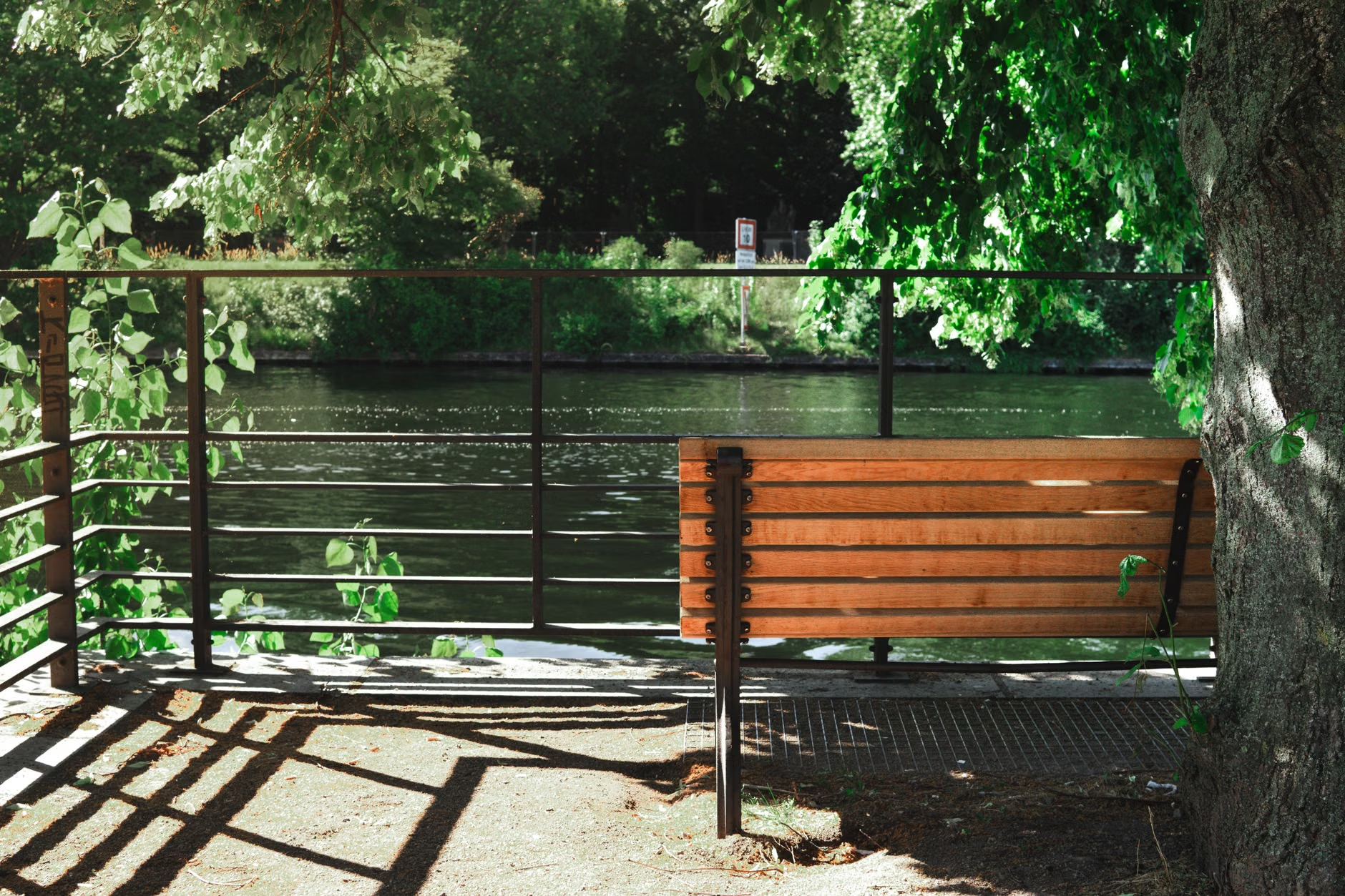
| Seating Frequency | Bench every 50-100 meters | Prevents muscle fatigue and allows for recovery after short bursts of activity. |
| Seat Design | Backrests and armrests | Provides support when sitting down and standing back up, which is crucial for those with joint stiffness. |
| Shade Provision | Natural tree canopy or shelters | Crucial for thermoregulation, especially for those sensitive to heat or sunlight. |
If a promenade lacks these features, it is effectively inaccessible for a full-length tour regardless of how “flat” the path might be. In such cases, consider planning a “segmented tour” where you only visit the most scenic 200-meter stretch rather than attempting the entire length of the riverfront.

Logistical Planning: Transport and Facilities
Mobility within the garden is only half the battle; getting to and from the riverfront is where most logistical challenges occur. Many older adults find that the journey to the site is more physically demanding than the walk itself. You must treat the “last mile” of your journey with as much care as the tour itself.
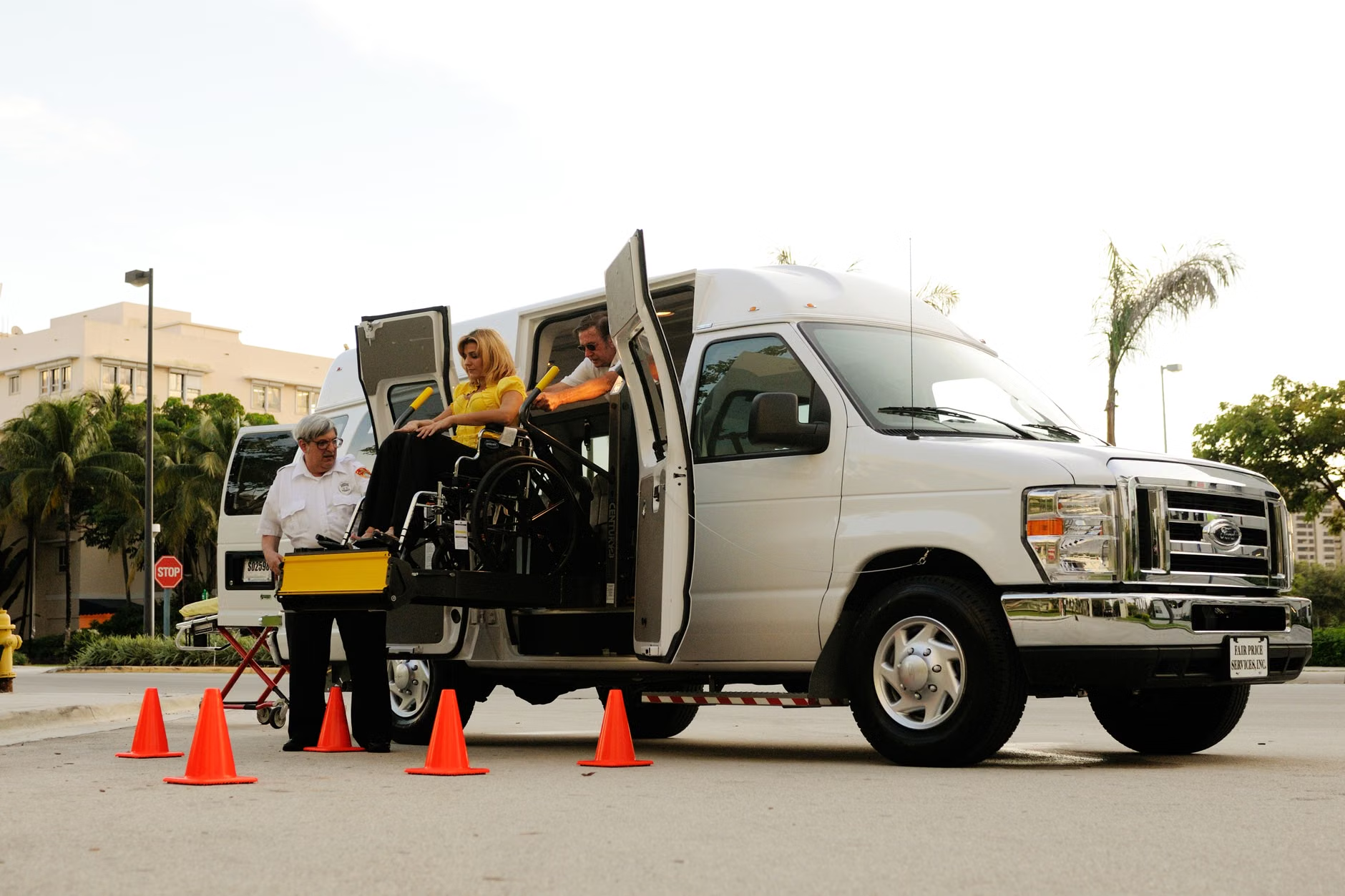
Check the transit authority’s website for the specific city you are visiting. Look for keywords such as “step-free access” or “level boarding.” In many major global cities, such as London or New York, transit maps now clearly mark stations that have working elevators. However, never rely on a single source. If a station’s elevator is undergoing maintenance, your entire day could be disrupted. Always identify a “Plan B” bus route or a pre-vetted accessible taxi service that can drop you off at a street-level entrance near the river.
The Importance of “Accessible” vs. “Available” Restrooms
A common mistake is assuming that because a city is a major tourist destination, it will have ubiquitous public restrooms. In reality, many riverfront promenades are historical or natural spaces where facilities are sparse. Use a digital mapping tool to plot the location of public restrooms along your intended path. Ensure they are explicitly labeled as “accessible” or “ADA-compliant” (if in the US) or “disabled-access” (in the UK/EU). A useful tip is to look for restrooms located within museums, cafes, or public libraries that abut the riverfront, as these are often cleaner and more reliably maintained than standalone public facilities.
Health Preparation and Stamina Management
Maintaining stamina during a tour is a matter of strategic energy distribution. Even if you are an active walker, the cumulative effect of walking on hard surfaces, combined with temperature fluctuations, can lead to unexpected fatigue. Proper preparation is the key to preventing injuries and ensuring you enjoy the day.
Hydration and Thermoregulation
Older adults are more susceptible to dehydration because the body’s thirst mechanism becomes less sensitive with age. Do not wait until you are thirsty to drink water. Carry a lightweight, insulated water bottle. If you are traveling in a summer climate, aim to visit the riverfront during the “golden hours”—shortly after sunrise or just before sunset—when the heat island effect of the pavement is at its lowest. This also avoids the peak crowds that can make navigating a path more stressful.
The “Two-Thirds” Rule
A practical decision rule for any tour is the “Two-Thirds Rule.” If you feel your energy levels dropping to about 60% of your maximum, it is time to turn back or find a place to rest. Do not wait until you feel exhausted. By the time you feel extreme fatigue, your coordination and balance may already be compromised, increasing the risk of a fall. Planning your route to include a midway point with a cafe or a public transport stop allows you to “exit” the tour early if necessary without feeling like you have failed to complete the trip.
Comparing Different Types of Promenade Environments
Not all riverfronts are created equal. Depending on your current mobility level, certain environments will be significantly more rewarding than others. Below is a comparison of common riverfront configurations to help you choose the best fit for your next outing.
| Environment Type | Pros | Cons | Best For |
|---|---|---|---|
| Urbanized Embankments | High connectivity, frequent transport, nearby amenities. | Crowded, higher noise levels, potential for uneven urban foot traffic. | Those who want easy access to cafes and public transport. |
| Converted Industrial Parks | Wide, flat, purpose-built paths; excellent accessibility. | Can lack natural shade or historic charm; often very long stretches. | Those using mobility aids (wheelchairs/scooters) needing wide clearance. |
| Naturalistic River Paths | Quiet, scenic, relaxing, fewer crowds. | Surfaces may be variable (dirt/packed earth); fewer facilities. | Those with high mobility who prefer nature over city bustle. |
If you have limited mobility, the Converted Industrial Park is almost always the superior choice. These spaces are typically designed with modern accessibility regulations in mind, meaning they are far more likely to feature wide, smooth paths and integrated ramps. Conversely, if you are looking for a social experience with a spouse or friends, the Urbanized Embankment offers the best balance of scenery and the ability to duck into a climate-controlled environment if you need a break.
Advanced Tips for a Stress-Free Experience
Beyond the basics, there are several “insider” tactics that can transform a standard trip into a seamless experience. First, consider the “Digital Scout” method. Before you leave home, use Google Maps’ “Street View” feature to virtually walk the path. This allows you to identify exactly where the curb cuts are, where the benches are located, and whether the path narrows at any point. Seeing the path in high definition helps you visualize the route and identify any potential bottlenecks.
Second, prioritize footwear. Even if you are not planning a “hike,” the surface of a riverfront promenade is unforgiving. Wear shoes with a firm, cushioned sole and good arch support. Avoid slip-on shoes that do not provide lateral stability. If you have any history of foot or ankle issues, consider using trekking poles—not because you need them for balance, but because they help distribute weight and reduce the impact on your knees during longer walks.
Finally, always carry a “Safety Card” in your wallet or purse. This should include a list of your current medications, any allergies, and an emergency contact number. While this is standard advice, it is particularly important when traveling in a city where you may not be familiar with the local medical system. Knowing you have this information on hand can reduce anxiety and allow you to focus on the gardens.
The Role of Technology in Modern Accessible Travel
Technology has significantly reduced the barriers to travel for older adults. Beyond navigation apps, there are specific tools designed to help you assess the accessibility of a location. Sites like Wheelmap.org allow users to crowdsource accessibility information for public spaces. While it is geared toward wheelchair users, the data is incredibly useful for anyone with mobility challenges, as it identifies which locations have step-free entrances and accessible restrooms.
Additionally, consider utilizing local “City Pass” services. Many tourism boards offer transit-inclusive passes that provide unlimited access to buses, trams, and boats. Using these services can make it easier to “hop on and off” along a riverfront, allowing you to experience the best parts of a long promenade without having to walk the entire distance. This creates a “hub-and-spoke” model of touring, where you travel to a specific point, explore a small area, and then move to the next point via public transport.
Addressing Potential Challenges: What to Do When Plans Change
Even with the most meticulous planning, circumstances can change. You might arrive at a promenade to find a section closed for construction, or the weather might turn unexpectedly. In such moments, the best strategy is to have a “flexible itinerary.” Identify two or three “anchor points”—cafes, museums, or transit hubs—along the riverfront that you would be happy to spend time in if you cannot complete your walk.
If you encounter a barrier you cannot pass, such as a flight of stairs where you expected a ramp, do not attempt to force it. It is perfectly acceptable to change your plans. The goal of the trip is leisure and enjoyment, not endurance. Prioritizing your safety and comfort over a pre-planned route is the hallmark of an experienced and savvy traveler.
Conclusion: Crafting Your Own Riverfront Experience
Selecting an accessible riverfront promenade is an exercise in balancing your desire for exploration with a realistic assessment of your physical needs. By focusing on the infrastructure—the quality of the path, the availability of seating, and the accessibility of transport—you can create a travel experience that is both rewarding and sustainable. Remember that the best tours are those that allow you to move at your own pace, take in the surroundings, and return home feeling energized rather than exhausted.
As you plan your next outing, start with one location, verify its features using the criteria discussed, and build your confidence through small, successful trips. With the right preparation, the world’s riverfronts remain open and accessible, providing a beautiful backdrop for your leisure and reflection.
Frequently Asked Questions (FAQ)
1. How can I verify if a riverfront path is truly accessible before I travel there?
The most reliable method is to use satellite and street-level imagery on digital maps to scout the path for curb cuts, ramps, and surface quality. Additionally, check the official municipal tourism or parks department website for the city; they are legally required in many jurisdictions to provide accessibility reports for public infrastructure.
2. What should I do if I experience unexpected fatigue while on a promenade walk?
Do not push through the discomfort. Look for the nearest “anchor point” such as a cafe, museum, or public transit stop where you can sit down in a controlled environment. If you are far from an exit, use a ride-sharing app or contact a local taxi service to pick you up at the nearest street-level access point rather than attempting the return walk.
3. Are there specific times of day that are safer for seniors to visit popular riverfronts?
Yes. Visiting during the early morning (shortly after sunrise) or late afternoon (before sunset) is generally best. These times avoid the peak heat of the day and the highest pedestrian traffic, which reduces the risk of collisions and allows for easier access to seating and facilities.
Note: This guide is for informational purposes and does not constitute medical advice. Always consult with your healthcare provider regarding your specific mobility needs and physical limitations before planning strenuous travel.