- Prioritize Sustainability: Choose hobbies that balance physical exertion with long-term joint health and cognitive engagement to ensure you can enjoy them for decades.
- The 20-Minute Rule: When starting a new skill, limit sessions to 20 minutes to prevent muscle fatigue and maintain mental focus, gradually increasing duration as you build stamina.
- Social Integration: Select hobbies that offer a mix of solitary focus and group interaction to support both mental clarity and emotional wellbeing.
Mastering the Art of Low-Impact Hobbies: A Guide to Sustainable Leisure for Your 60s and Beyond
The transition into your 60s, 70s, and beyond is not merely a change in age; it is a fundamental shift in how you allocate your most precious resource: time. Engaging in hobbies during this phase of life is about more than filling hours. It is a deliberate strategy for maintaining cognitive plasticity, physical mobility, and social connectivity. However, the most effective hobbies are those that respect the changing needs of your body while challenging the boundaries of your mind.
This guide explores how to select, adapt, and sustain hobbies that provide deep satisfaction without unnecessary physical strain, ensuring that your leisure time remains a source of vitality rather than exhaustion.
Why Low-Impact Hobbies Are Essential for Longevity
Low-impact hobbies are activities that minimize repetitive stress on joints, ligaments, and tendons while still providing cardiovascular or cognitive benefits. In your 60s and beyond, the goal is to find a “Goldilocks zone”—a level of activity that is challenging enough to stimulate brain health (neuroplasticity) but gentle enough to avoid injury.
When you engage in a hobby that requires fine motor skills, such as watercolor painting or intricate model building, you are actively stimulating the neural pathways responsible for hand-eye coordination. This is vastly different from passive consumption, such as watching television. Research consistently shows that active engagement in hobbies is linked to a lower risk of cognitive decline. By choosing low-impact activities, you eliminate the risk of “overuse injuries” that can sideline your progress, allowing for consistent, long-term practice.

Criteria for Selecting Your Ideal Hobby
Choosing the right hobby requires an honest assessment of your current physical mobility, stamina, and environment. Many people make the mistake of choosing a hobby based on nostalgia—trying to return to a sport or activity they practiced in their 30s. While admirable, this often leads to frustration or physical discomfort. Instead, use the following criteria to evaluate potential pursuits.
1. Physical Accessibility and Joint Load
Does the hobby require prolonged standing, kneeling, or repetitive heavy lifting? For example, traditional gardening can be strenuous on the lower back and knees. However, “raised-bed gardening” or “container gardening” offers the same psychological rewards of nurturing life with significantly reduced physical load. Always ask: “Can I perform this activity for 30 minutes without needing to lie down or take medication for pain afterward?”
2. The Learning Curve vs. The Reward Cycle
Some hobbies have a steep learning curve that can be discouraging. If you are looking for a hobby to reduce stress, avoid activities that require expensive, complex software or high-stakes competition initially. Look for “low-floor, high-ceiling” activities—those that are easy to start but offer infinite room for mastery.
3. Financial Sustainability
Some hobbies, like high-end photography or vintage car restoration, carry massive hidden costs. Ensure your hobby fits within your retirement budget by exploring community-based options. Public libraries, local community centers, and senior social clubs often provide equipment for activities like pottery, book clubs, or chess, removing the need for a large initial capital investment.
| Hobby Category | Physical Load | Cognitive Demand | Social Potential |
|---|---|---|---|
| Watercolor Painting | Minimal | High | Moderate |
| Tai Chi | Low/Moderate | High | High |
| Philately (Stamp Collecting) | Minimal | Moderate | High |
| Indoor Gardening | Low | Moderate | Low |
The table above illustrates how different hobbies cater to various needs. If you prioritize social connection, Tai Chi or Philately are excellent choices. If you need a solitary, meditative outlet, Watercolor Painting is highly effective.
Tai Chi: The Gold Standard of Low-Impact Movement
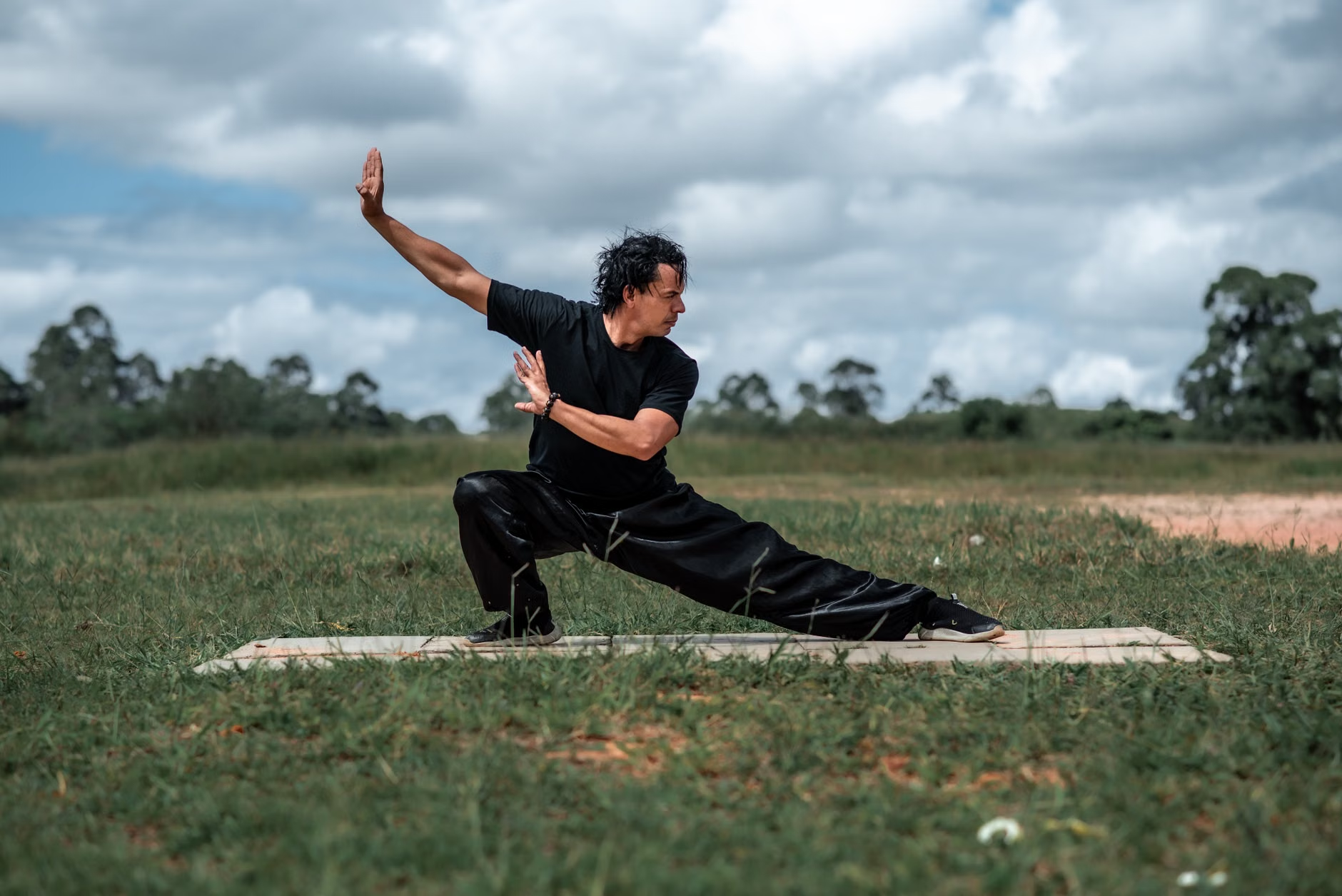
Tai Chi is frequently recommended by health professionals for older adults, and for good reason. It combines slow, intentional movement with focused breathing and mindfulness. Unlike high-impact sports, Tai Chi emphasizes balance and weight distribution, which are critical for fall prevention as we age.
What it looks like in real life: A typical beginner session involves standing in a relaxed posture, shifting weight from one leg to the other, and moving arms in wide, flowing arcs. The “low-impact” aspect comes from the fact that your feet never leave the ground in a jarring way, and there is no sudden impact on the knees.
How to get started safely:
- Seek Certified Instruction: Avoid learning purely from videos if you have pre-existing balance issues. A local instructor can correct your posture, ensuring you aren’t putting undue pressure on your joints.
- The “Soft Knees” Rule: Never lock your joints. Always keep a slight, natural bend in your knees to absorb the movement and support your frame.
- Listen to the “Good” Soreness: You may feel mild muscle fatigue, which is normal. However, sharp or shooting pain is a signal to stop immediately and adjust your stance.
The Cognitive Benefits of “Collecting and Curating”
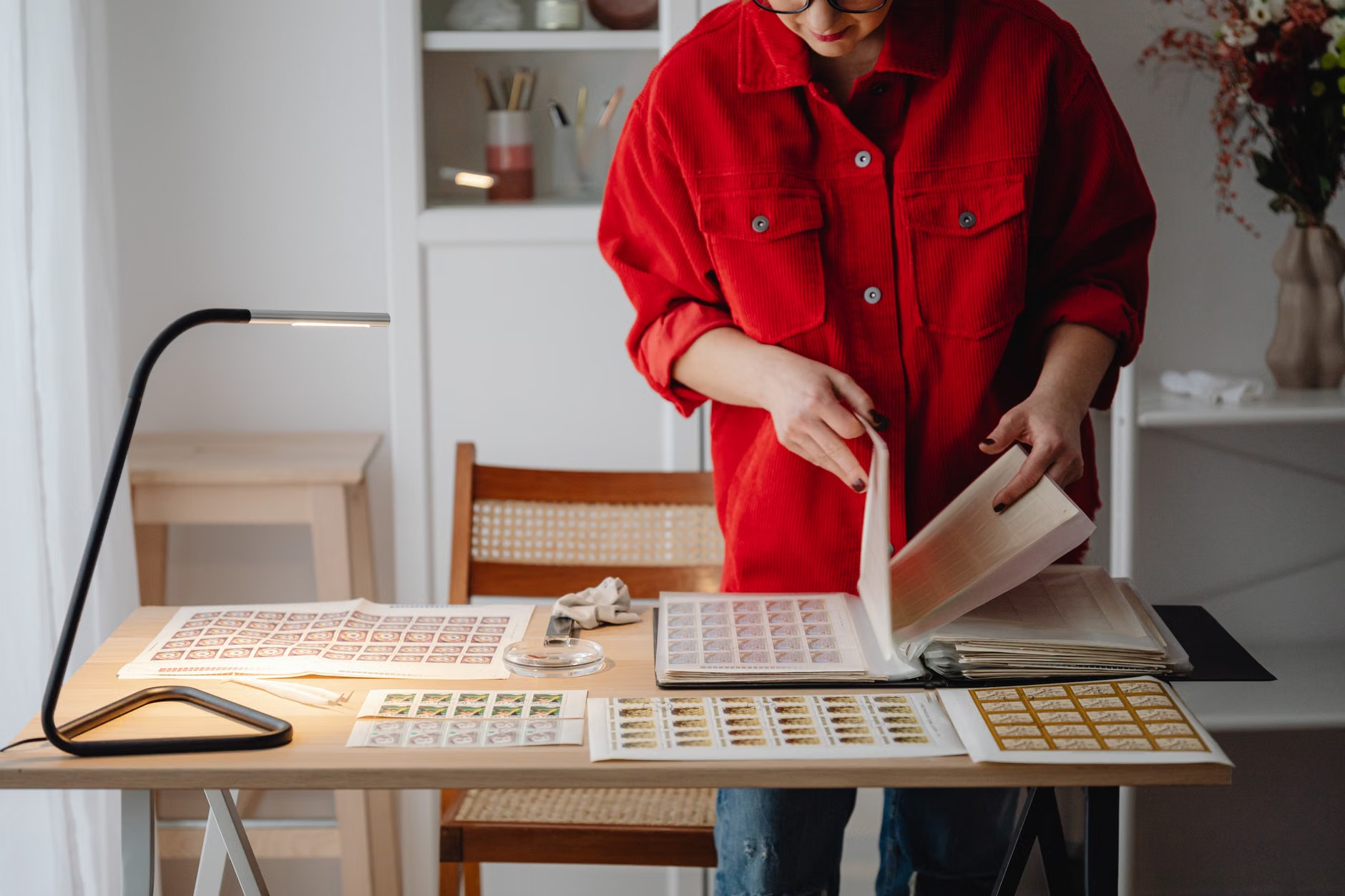
Hobbies involving collecting—whether it is stamps, coins, vintage postcards, or even local history—offer a unique cognitive benefit: they require systematic categorization and research. This is not just “hoarding items”; it is an exercise in organization and memory retention.
When you curate a collection, you are constantly exercising your ability to identify patterns, evaluate authenticity, and recall historical context. This keeps the brain engaged in complex analytical tasks without the pressure of a deadline or a test.
Practical Steps for Starting a Collection:
- Define Your Scope: Do not try to collect “everything.” Focus on a specific niche, such as “stamps from a particular decade” or “postcards from cities you have visited.”
- Create a System: Use physical logs or simple digital spreadsheets to track your items. This adds a layer of administrative discipline that is excellent for cognitive health.
- Engage with a Community: Join an online forum or a local club. The social aspect of sharing your collection and learning from others is as important as the items themselves.
Overcoming Common Barriers to Hobbies
Even with the best intentions, you may encounter barriers such as fatigue, lack of motivation, or physical limitations. Addressing these proactively is key to maintaining a hobby long-term.
1. Managing Energy Fluctuations
If you find that your energy levels vary, use “Energy Budgeting.” Schedule your most mentally or physically demanding hobby sessions during your peak energy hours—usually the morning for many older adults. Save passive, low-energy hobbies (like reading or listening to music) for the afternoon or evening.
2. The “Equipment Trap”
A common mistake is buying the most expensive gear before you are sure you will enjoy the hobby. For instance, do not buy a top-of-the-line camera before you have learned the basics of photography using your smartphone. Start with what you have, and upgrade only when your skill level creates a genuine need for better equipment.
3. Adapting to Physical Limitations
If arthritis or reduced dexterity makes fine motor tasks difficult, look for adaptive tools. There are ergonomic paintbrushes, magnifying lamps, and voice-to-text software for writers that can keep your hobbies accessible. Do not stop an activity simply because it has become harder; look for the tool that bridges the gap.
Integrating Hobbies into Your Routine
The transition from “having a hobby” to “living a hobby” happens through consistency. Rather than waiting for a “free day,” treat your hobby as a non-negotiable appointment. Even 20 minutes a day is more effective for cognitive health than one four-hour session once a week.
Use a simple checklist to track your engagement. This serves as both a reminder and a source of motivation. If you find yourself skipping sessions, ask yourself if the hobby has become too difficult or if it no longer provides the same joy. It is perfectly acceptable to pivot to a new interest if the current one has served its purpose.
When to Seek Professional Guidance
While most hobbies are safe, be mindful of how they interact with your health. If you are starting a hobby that involves significant physical activity, such as hiking, dancing, or even extended gardening, consult with your primary care physician. Ask them:
- “Are there specific movements I should avoid given my medical history?”
- “How should I monitor my heart rate or fatigue levels during this activity?”
- “Are there specific stretches I should perform before and after this hobby?”
If your hobby involves sitting for long periods, such as knitting or reading, remember to follow the “30-minute rule”: stand up, stretch, and walk for two minutes every 30 minutes to maintain circulation and prevent stiffness.
Conclusion: The Path Forward
Hobbies are the scaffolding upon which a fulfilling life is built. By selecting activities that are low-impact, cognitively engaging, and socially rewarding, you are investing in your future health. Whether you choose the meditative flow of Tai Chi, the analytical satisfaction of collecting, or the creative outlet of painting, the most important step is to start small and remain consistent. Your leisure time is a powerful tool for wellness; use it to challenge yourself, connect with others, and find joy in the process of learning something new every day.
Frequently Asked Questions
1. How do I know if a hobby is too physically demanding for me?
If you experience pain that lasts for more than 24 hours after an activity, or if you find yourself needing to stop frequently due to breathlessness or joint discomfort, the activity may be too demanding. Try modifying the intensity or duration first. If the discomfort persists, consult a physical therapist who can help you adapt the movements to your specific physical condition.
2. Can hobbies really help with cognitive health?
Yes. Engaging in activities that require learning new skills, problem-solving, or social interaction stimulates the brain. This is often referred to as “cognitive reserve.” The key is to avoid repetitive, passive activities. Instead, choose hobbies that force you to think, create, or organize, which keeps the brain active and resilient.
3. What if I feel overwhelmed by the cost of starting a new hobby?
Start by searching for local resources. Public libraries often offer free classes, equipment rentals, and clubs. Many community centers have low-cost programs for seniors. Additionally, many hobbies can be started with very minimal equipment. For example, watercolor painting requires only a basic set of paints, a brush, and paper. Focus on the skill-building aspect before investing in expensive supplies.
Official guidance on healthy aging and activity can be found through the World Health Organization’s Ageing and Health resources.