- Lifelong learning should be selected based on your specific cognitive goals, social needs, and physical stamina rather than just general interest.
- Many high-quality educational resources are available for free or at a significant discount through local libraries, universities, and government programs.
- Consistency and manageable pacing are more effective for long-term cognitive health than intensive, short-term bursts of activity.
The Cognitive and Social Value of Lifelong Learning
Engaging in new hobbies and structured learning after the age of 60 is not merely a way to “fill the time.” It is a proactive strategy for maintaining cognitive flexibility, emotional resilience, and social integration. Research into neuroplasticity—the brain’s ability to reorganize itself by forming new neural connections—suggests that continuous learning can help maintain executive functions such as planning, focusing, and multitasking.
However, the value of a hobby is not purely clinical. It provides a sense of purpose and identity that is often challenged during retirement transitions. When we approach learning as an intentional practice, we shift from passive consumers of entertainment to active participants in our own intellectual and creative development.
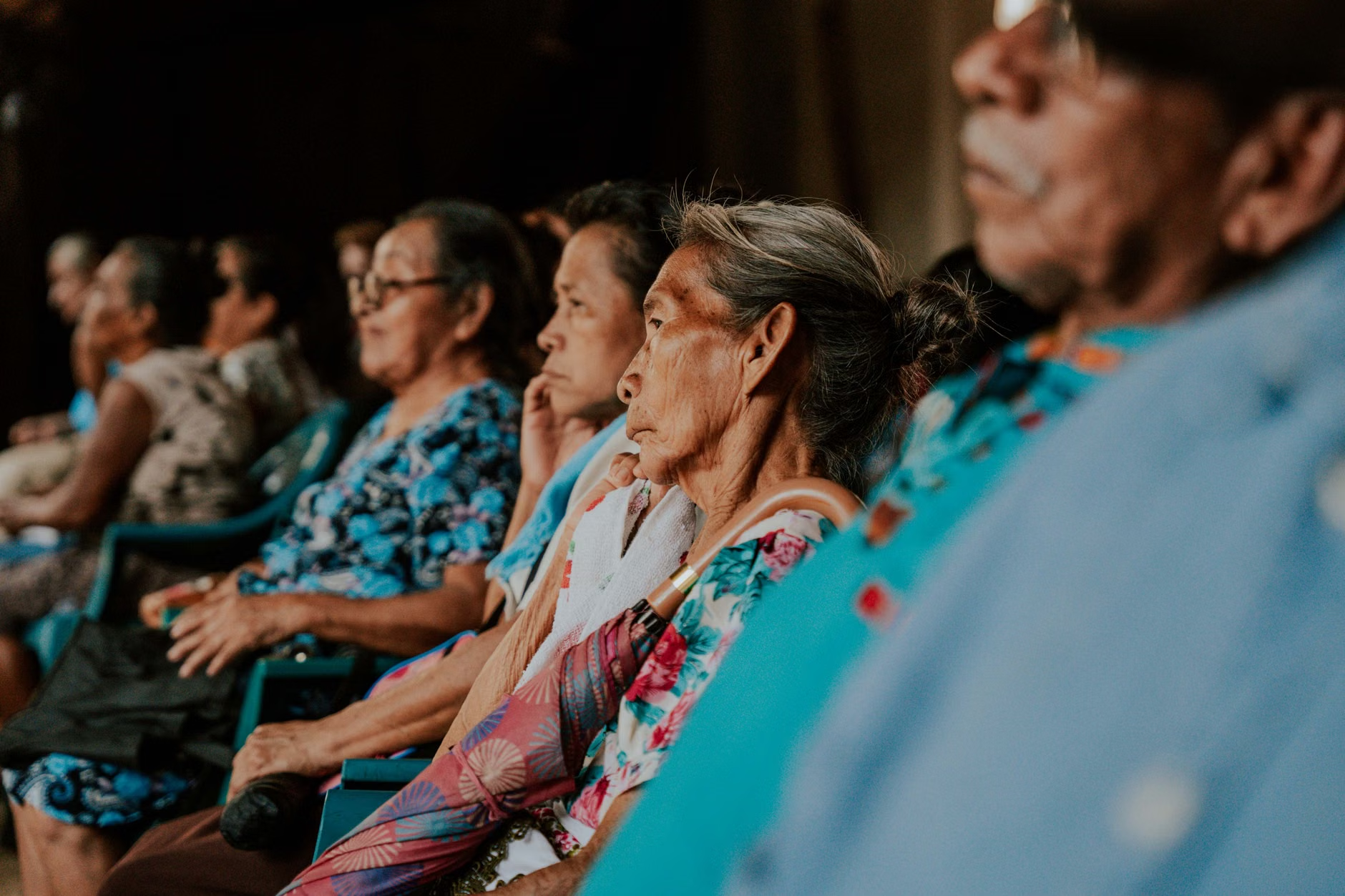
Choosing Your Path: Matching Hobbies to Personal Goals
Choosing a hobby requires an honest assessment of your current physical mobility, technical confidence, and social preferences. It is a common mistake to choose an activity simply because it is “popular” or “recommended” by others, rather than considering how it fits into your daily routine. Below is a framework for evaluating potential pursuits:
| Hobby Category | Primary Benefit | Consideration for Seniors |
|---|---|---|
| Creative Arts (Painting, Writing) | Self-expression & Fine Motor Skills | Requires steady hands; may involve sitting for long periods. |
| Academic Courses (History, Languages) | Cognitive Stimulation | Requires sustained focus; check for accessibility if in-person. |
| Physical Hobbies (Gardening, Tai Chi) | Mobility & Strength | High impact on physical health; requires stamina management. |
| Social/Group Activities (Book Clubs) | Emotional Wellbeing | High social interaction; requires reliable transportation. |
When selecting an activity, look for low-barrier entry points. If you are interested in painting, start with a local community workshop rather than investing in a professional studio setup. This allows you to test your interest and physical comfort without a large financial or time commitment.
One of the most overlooked variables in senior education is the availability of institutional support. Many universities, particularly in the UK, Canada, the US, and parts of Europe, offer “Auditing” programs. Auditing allows you to attend university-level courses without the pressure of grades or formal examinations, often at a significantly reduced rate for those over 60 or 65.
Practical Step: Start by contacting your local council or university registrar’s office. Ask specifically about “Senior Auditor” or “Community Enrichment” programs. These programs are often not heavily advertised on main websites, so a direct inquiry is frequently required.

The Digital Learning Landscape
Online learning platforms have revolutionized how seniors can acquire new skills, yet many fall into the trap of choosing platforms that are not designed for their specific needs. When evaluating an online course, consider the following checklist:
- Interface Accessibility: Does the site allow for text resizing? Is the video player easy to navigate?
- Community Integration: Does the platform offer discussion boards or live video sessions to prevent feelings of isolation?
- Pacing: Are the lessons “on-demand” (allowing you to pause and re-watch) or live-streamed (which requires specific time commitments)?
If you have limited technical confidence, prioritize platforms that offer dedicated support or simplified dashboards. Avoid platforms that require complex software installations unless you have a family member or caregiver who can assist with the initial setup.
Managing Stamina and Physical Constraints
A common mistake in adopting new hobbies is “over-commitment.” In the first flush of enthusiasm, it is easy to sign up for three different classes or a daily hobby schedule that exhausts your energy reserves. This leads to burnout and, eventually, abandonment of the activity.
The 80/20 Rule for Hobbies: Dedicate 80% of your time to activities that you find naturally energizing and 20% to challenging yourself with something new. If a hobby starts to feel like a chore or causes physical pain, it is a clear sign that you need to adjust your approach. For example, if you love gardening but back pain is a concern, consider raised garden beds or vertical gardening, which reduce the need for bending and kneeling.

Overcoming Hidden Barriers to Participation
Sometimes the barrier to learning is not lack of interest, but “social anxiety” or the fear of being the oldest person in the room. This is a common, yet entirely manageable, hurdle. Most instructors welcome older students precisely because they bring a depth of life experience that younger students often lack.
Insight: If you feel uncomfortable in a mixed-age environment, look for “intergenerational programs.” These are becoming increasingly popular in public libraries and community centers. They are designed to foster interaction between different age groups, which can be far more rewarding and intellectually stimulating than a segregated environment.
Assessing Safety in Physical Hobbies
If your hobby involves physical activity—such as hiking, dance, or pottery—always assess the physical environment. Ask the following questions before joining a group:
- Is the facility equipped with accessible restrooms?
- Are there elevators or ramps if the activity is not on the ground floor?
- What is the policy for breaks? Is there a designated quiet area if you need to rest?
Do not wait for an injury to occur before asking these questions. It is your right as a participant to ensure the environment supports your safety and comfort.
Planning for Long-Term Consistency
The secret to successful lifelong learning is not intensity, but rhythm. Establishing a routine where your hobby is integrated into your weekly calendar—much like a medical appointment or a grocery run—ensures that it remains a priority. Use a physical planner or a digital calendar to block out “learning time.”
If you find that your energy levels fluctuate, keep a “low-energy” version of your hobby. For instance, if your primary hobby is photography, your high-energy activity might be a field trip to a park. Your low-energy version could be organizing and editing your digital photo library from the comfort of your chair. This keeps the hobby alive even on days when your stamina is lower.
Conclusion: Taking the First Step
Lifelong learning is an investment in your future self. Whether you choose to learn a new language, master a craft, or dive into history, the act of engagement is what matters most. Start small, prioritize environments that respect your physical and social needs, and don’t be afraid to pivot if an activity no longer serves you. The goal is to remain a curious, active participant in your own life.
For more information on finding local educational resources, visit your national or regional government’s public services portal (e.g., GOV.UK for those in the UK, or USA.gov for those in the United States) and search for “adult education” or “community learning.”
Frequently Asked Questions (FAQ)
Q: Is it too late to start a hobby that requires a steep learning curve, like learning an instrument?
A: Absolutely not. While the process may take longer than it would for a child, the cognitive benefits of learning a new skill are significant regardless of age. Focus on the process of learning rather than the speed of mastery.
Q: How do I know if a group class is suitable for my mobility level?
A: Always call the organizer before signing up. Ask specifically about the physical layout, the amount of standing required, and the availability of seating. If the organizer cannot provide clear answers, it may not be the right environment for your needs.
Q: Can I really learn effectively online if I am not tech-savvy?
A: Yes, provided you start with a platform that has a simple, intuitive design. Many libraries offer free “digital literacy” classes that can help you get comfortable with the basics of using a tablet or computer for learning purposes.
Note: This article is for informational purposes and does not constitute professional advice. Always consult with a healthcare professional regarding physical activities if you have underlying health conditions.