- 1. Container gardening allows for “micro-dosing” nature, providing significant cognitive and physical benefits without the labor-intensive demands of traditional ground-level gardening.
- 2. Ergonomic setup is the foundation of success; prioritizing waist-high planters and lightweight materials prevents physical strain and improves long-term accessibility.
- 3. Mindful gardening is a practice of observation and patience, helping to lower cortisol levels and improve focus by centering attention on the immediate, tactile needs of the plants.
Container gardening is not merely an aesthetic choice for small spaces; it is a therapeutic practice that transforms balconies, patios, and windowsills into vibrant, manageable ecosystems. For adults aged 60 to 80, this hobby offers a unique blend of physical activity, cognitive engagement, and emotional grounding. By shifting the focus from large-scale cultivation to the intimate care of individual pots, you can enjoy the rhythm of the seasons without the physical toll of traditional gardening.
The Cognitive and Emotional Benefits of Micro-Gardening
Gardening is often categorized as physical exercise, but its impact on the brain is equally significant. Engaging with plants—touching soil, observing growth patterns, and adjusting care based on weather—requires a specific type of sustained attention known as “soft fascination.” Unlike the intense focus required by digital tasks, this form of attention allows the brain to rest while remaining alert.
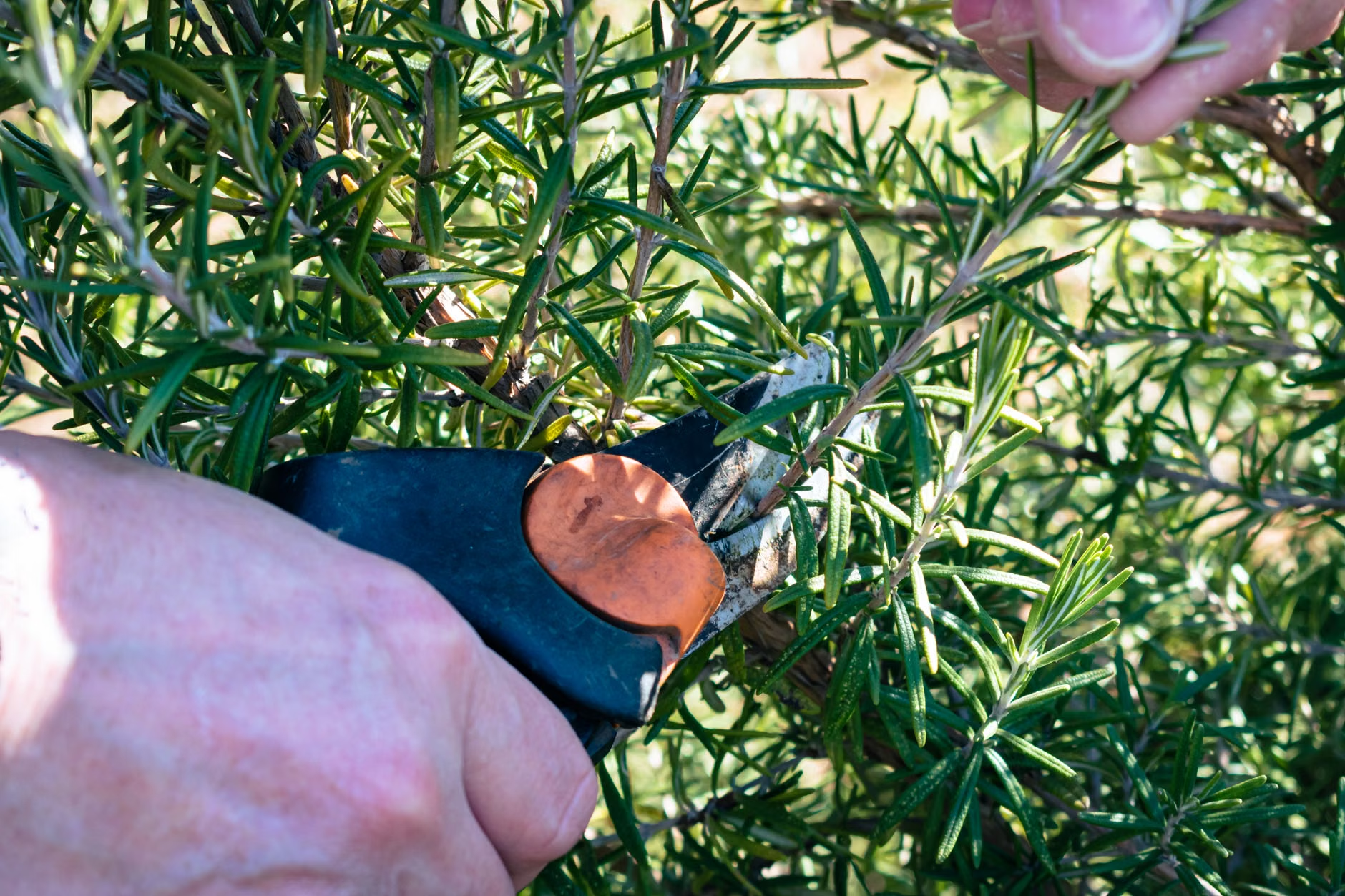
What it is: Mindful gardening involves intentionality. It is the practice of performing routine tasks—such as watering, pruning, or checking for pests—with full awareness of the senses. Instead of viewing these tasks as chores, you treat them as moments of quiet observation.
Why it matters: Research consistently links contact with nature to reduced levels of cortisol, the body’s primary stress hormone. For older adults, the ability to nurture a living thing provides a sense of purpose and continuity. It creates a “living clock” on your balcony, where the appearance of a new leaf or a budding flower marks the passage of time in a positive, generative way.
In real life: Imagine the difference between rushing through a watering routine and taking five minutes to inspect each plant. By looking at the soil moisture, checking the underside of leaves for health, and feeling the texture of the stems, you shift from “doing” to “being.” This transition is a powerful tool for emotional regulation and mental clarity.
Designing an Ergonomic Garden for Sustained Mobility
The biggest barrier to gardening as we age is the physical strain caused by bending, lifting heavy objects, or kneeling on hard surfaces. A successful container garden is built on the principle of accessibility. If you have to struggle to reach your plants, the hobby will eventually feel like a burden rather than a joy.
Principles of Accessible Garden Layouts
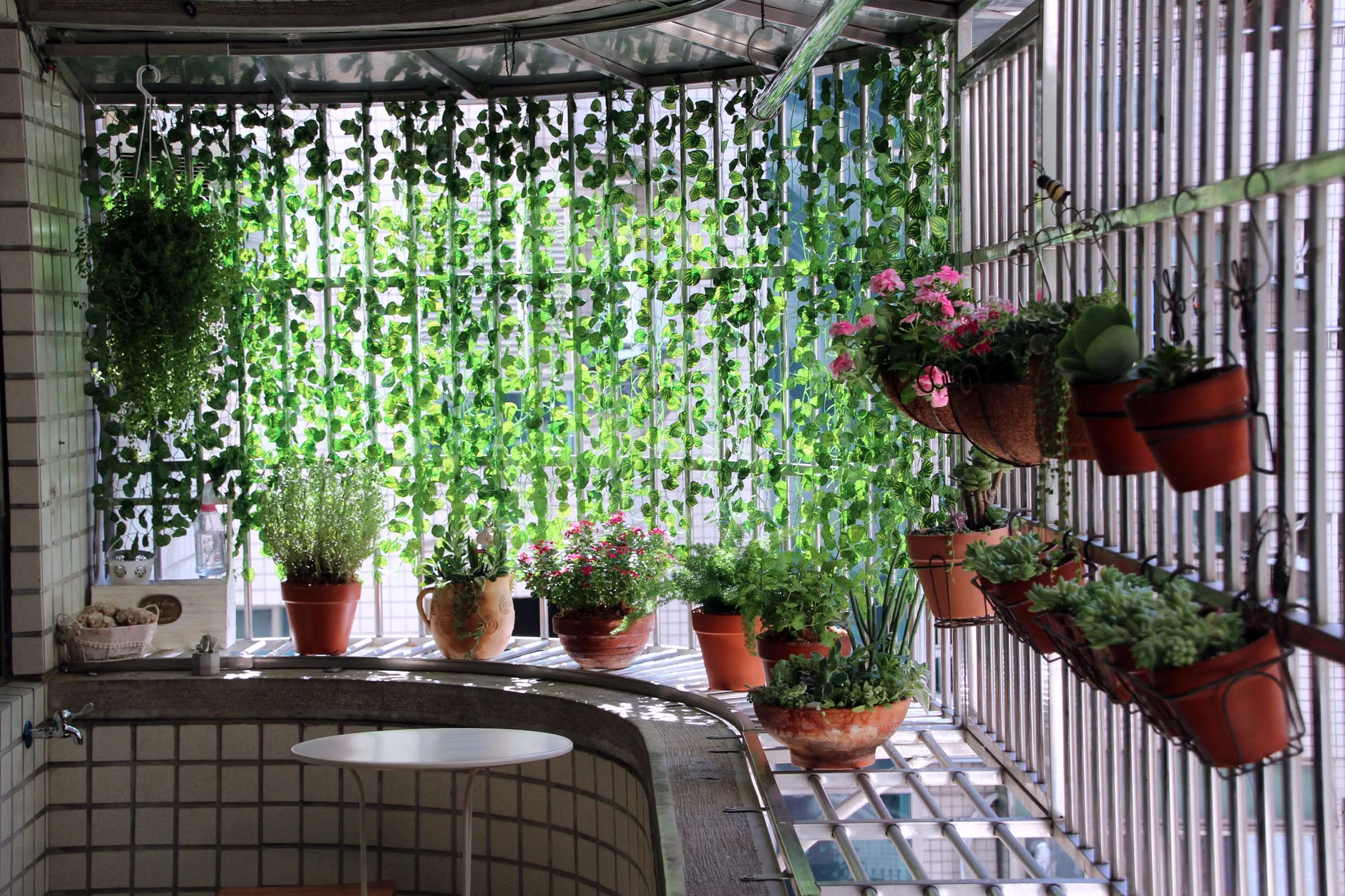
- Elevated Planters: Use waist-high planters or sturdy tables. This eliminates the need to stoop or kneel, protecting your lower back and knees.
- Vertical Space: Utilize wall-mounted planters or tiered shelving. This keeps plants within a comfortable reach-zone, usually between your waist and shoulder height.
- Weight Management: Choose containers made of lightweight materials like resin, fabric, or thin-walled plastic rather than heavy terracotta or stone.
- Tool Selection: Invest in ergonomic tools with thick, non-slip grips and long handles to reduce the strain on your wrists.
Decision Criteria: Material Choice
| Material | Pros | Cons | Best For |
|---|---|---|---|
| Fabric (Grow Bags) | Extremely lightweight, excellent drainage, portable. | Can look worn over time. | Vegetables and annual flowers. |
| Resin/Plastic | Durable, lightweight, holds moisture well. | Can degrade if low quality. | General use, high-shelf placement. |
| Glazed Ceramic | Aesthetic, heavy (stable in wind). | Difficult to move, prone to cracking. | Large perennials, permanent setups. |
If you have limited hand strength, prioritize lightweight fabric or resin containers. If your balcony is prone to high winds, use heavier ceramic pots only for the base layer, keeping the lighter materials on the higher shelves.
Selecting Plants for Success and Low Maintenance
Not all plants require the same level of intervention. For a mindful, low-stress garden, choose species that are resilient and provide clear signals when they need attention.
The “Indicator” Method: Choose plants that “tell” you when they are thirsty. For example, peace lilies or certain herbs like basil will slightly droop when they need water, making it easy to know exactly when to act. This removes the guesswork and anxiety of “Am I watering too much or too little?”
Recommended Low-Maintenance Choices:
- Herbs: Mint (in a separate pot, as it spreads), chives, and rosemary are hardy and provide an immediate sensory reward when you brush against them.
- Succulents: These require minimal water and are perfect for a “set it and forget it” approach on sunny windowsills.
- Leafy Greens: Lettuce and spinach grow quickly in shallow containers, offering a fast cycle of growth and harvest.
A Practical Step: Start with no more than three containers. One of the most common mistakes is over-planting. A small, thriving garden of three pots is far more satisfying and sustainable than a crowded, struggling collection of ten.
Managing the Micro-Climate of a Small Space
Every balcony or patio has its own micro-climate. Factors like sun direction, wind exposure, and reflected heat from walls can dramatically alter how your plants grow. Understanding these variables allows you to work with your environment rather than against it.
Key Factors to Monitor:
- Sunlight Tracking: Observe how many hours of direct sunlight your space receives. A south-facing balcony (in the Northern Hemisphere) may be “full sun,” while a north-facing one will be “shade.” Choose plants accordingly.
- Wind Exposure: High-rise balconies can be very windy, which dries out pots quickly. If your space is windy, avoid tall, top-heavy plants that might tip over.
- Drainage: Always ensure your containers have drainage holes. Standing water is the primary cause of root rot, which is often mistaken for a need for more fertilizer or water.
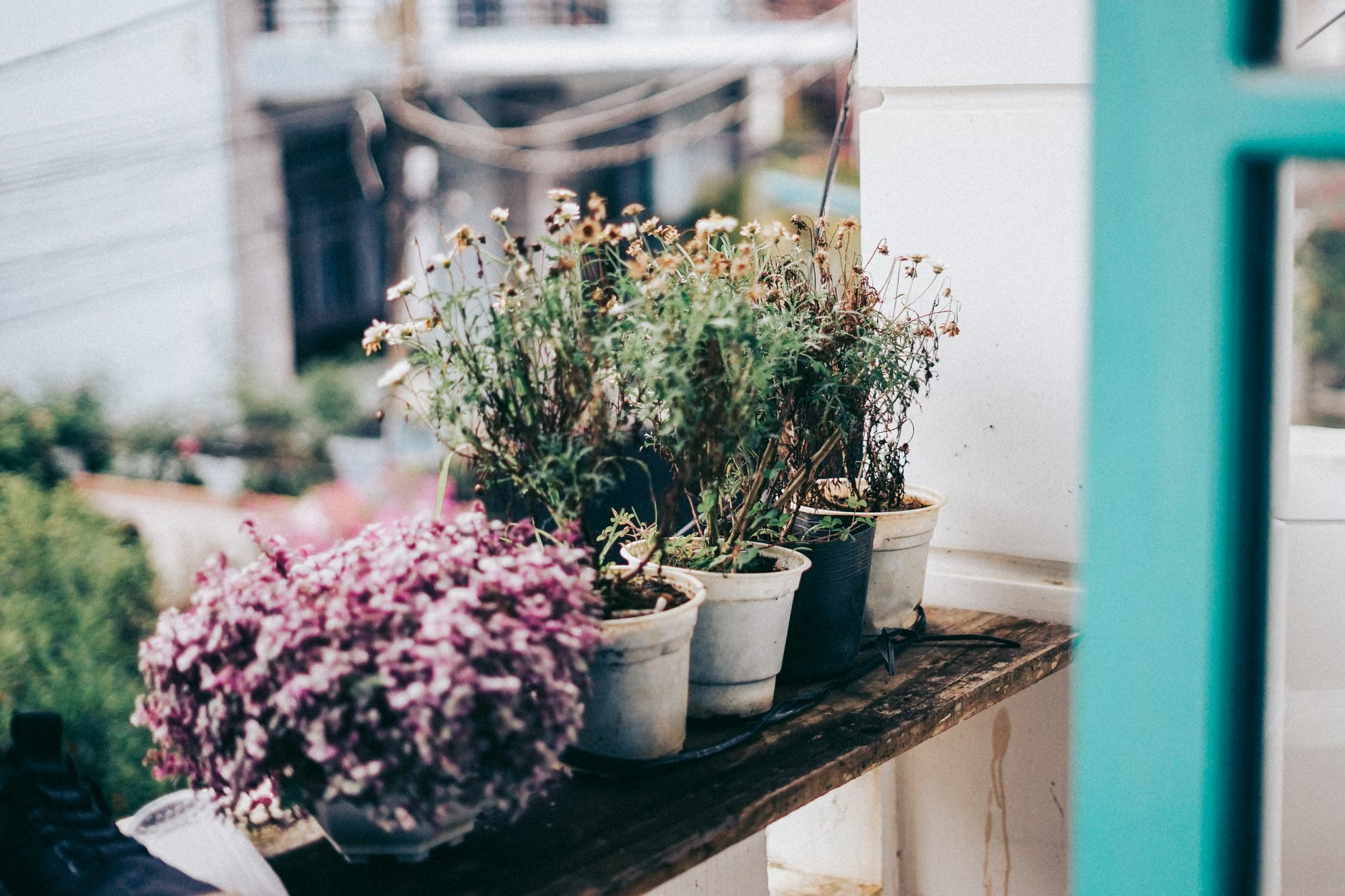
Even with the best preparation, challenges will arise. Pests, seasonal changes, and vacation schedules are the most common hurdles. Rather than feeling discouraged, view these as part of the learning process.
Managing Pests: Avoid harsh chemicals. Most small-space issues can be managed with a simple mixture of water and a few drops of mild dish soap, or by physically removing the affected leaves. If a plant is consistently struggling, do not hesitate to compost it and try a different variety. Gardening is a process of discovery, not a test of perfection.
Vacation Care: If you are traveling, consider self-watering spikes or fabric wicks that draw water from a secondary reservoir. For longer trips, ask a neighbor to water only the most sensitive plants. Most herbs and succulents can survive a week without attention if they are well-watered before you leave.
Safety Considerations: Ensure that your pots are secured if you live in a high-wind area. Use heavy saucers to catch water to prevent it from dripping onto neighbors below or creating slippery surfaces on your own balcony. If you are using electrical plant lights, ensure they are rated for outdoor use and that cords are tucked away to prevent tripping hazards.
Creating a Routine that Supports Your Wellbeing
The most important element of gardening is the routine you build around it. To make this a sustainable hobby, integrate it into your existing daily rhythm. Perhaps you check your plants with your morning coffee, or you do a “water check” every Tuesday and Friday.
The “Check-In” Checklist:
- Look: Do the leaves look vibrant? Is there any yellowing or spotting?
- Touch: Stick your finger an inch into the soil. Is it dry, moist, or soggy?
- Adjust: Move the pot if the sun has shifted, or prune a dead leaf to encourage new growth.
- Record: Keep a small notebook if you enjoy tracking your progress. Note when you planted seeds or when you last fertilized.
This routine is not just for the plants; it is for you. It provides a reliable, comforting structure that grounds your day. By the time you finish your check-in, you will likely find that your own stress levels have decreased, and your focus has sharpened.
Conclusion: The Joy of the Process
Container gardening is a journey of small, incremental victories. It is not about producing a massive harvest, but about the joy of seeing a seed sprout, a leaf unfurl, or a flower bloom in a space you have curated. By prioritizing accessibility, starting small, and embracing the mindful nature of the practice, you can turn any small space into a sanctuary of growth.
Remember that you are the architect of your garden. You decide the complexity, the plant varieties, and the pace. If a plant dies, it is not a failure; it is simply an invitation to learn more about the unique conditions of your home. Take your time, enjoy the tactile nature of the soil, and let your balcony become a source of daily peace and accomplishment.
Frequently Asked Questions
Q: How do I know if my balcony gets enough sunlight for vegetables?
A: Most vegetables need at least 6 to 8 hours of direct sunlight. You can track this by observing your balcony at hourly intervals on a sunny day. If you have less than 6 hours, focus on leafy greens like lettuce, spinach, or kale, which tolerate partial shade much better than fruiting plants like tomatoes or peppers.
Q: Is it expensive to start a container garden?
A: It can be as affordable as you choose. You can reuse household containers (ensuring they have drainage holes) and purchase seeds rather than established plants. The primary costs will be potting soil and a good quality watering can. Avoid “specialty” garden fertilizers initially; a basic, balanced organic liquid fertilizer is sufficient for most container plants.
Q: What should I do if I have mobility issues that make carrying heavy water difficult?
A: Avoid carrying heavy watering cans. Instead, use a lightweight, collapsible hose that attaches to a nearby tap, or keep a smaller, lighter pitcher near your plants and refill it from a secondary container that stays in one place. Alternatively, consider installing a simple gravity-fed drip irrigation system, which can be set up once and requires very little manual effort to maintain.
For further reading on horticultural therapy and its benefits for older adults, you may refer to the resources provided by the American Horticultural Therapy Association.