- Prioritize Low-Floor Models: Modern low-floor trams offer level boarding, eliminating the need for steep steps and making them the gold standard for independent senior mobility.
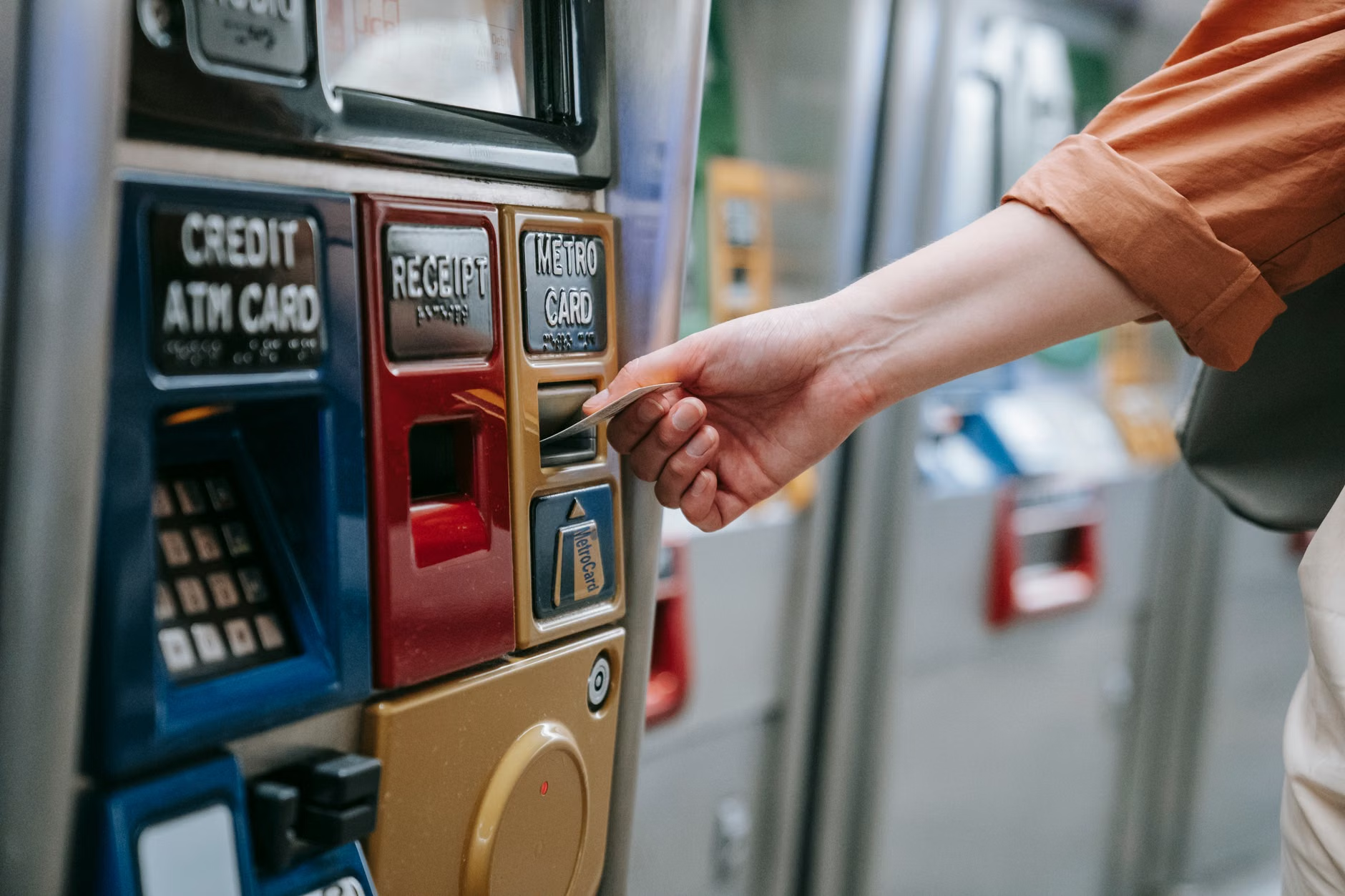
- Master Contactless Payments: Most global systems have transitioned to “tap-and-go” contactless cards or mobile wallets, significantly reducing the stress of buying physical tickets at machines.
- Plan for Off-Peak Hours: Traveling between 10:00 AM and 3:00 PM provides more space, quieter environments, and a more relaxed pace, which is ideal for avoiding the rush-hour fatigue.
Modern electric tram systems have transformed city centers into accessible hubs for travelers of all ages. For older adults, these systems offer a unique blend of convenience, safety, and scenic transit that traditional subways or buses often lack. By understanding the mechanics of these systems—from boarding protocols to digital payment integration—you can navigate complex urban landscapes with confidence and ease.
The Evolution of Accessibility: Why Low-Floor Trams Matter
The most significant advancement in urban transit for seniors is the widespread adoption of “low-floor” tram technology. Historically, boarding a tram required climbing steep, narrow stairs, which presented a significant barrier for those with joint stiffness, balance concerns, or limited stamina. Modern low-floor vehicles are engineered so that the interior floor is at nearly the same height as the station platform.
Why it matters: Level boarding reduces the risk of trips and falls—the most common injury risk for older travelers. It also allows for seamless movement if you are traveling with a rolling suitcase, a walking aid, or a portable mobility scooter. When researching a city’s transport network, look for official transit websites that specifically mention “low-floor” (or “level-access”) rolling stock.
Identifying Accessible Infrastructure
Beyond the vehicle itself, the station environment plays a critical role. A truly accessible tram stop features:
- Tactile Paving: Raised patterns on the ground to assist those with visual impairments in identifying the platform edge.
- Ramp Access: Even if the platform is raised, ensure there is a gentle slope or lift access from street level to the platform.
- High-Contrast Signage: Clear, large-font displays that indicate arrival times and route information.
Mastering the Modern Ticketing Experience
Gone are the days when you needed to fumble for exact change or locate a ticket booth in a foreign language. The digitization of transit payments is a major benefit for independent travelers, provided you prepare your method of payment before arrival.
The Rise of Contactless Systems
In many global cities (such as London, Sydney, and Vancouver), you no longer need to buy a separate ticket. You can simply tap your contactless credit card or mobile phone (via Apple Pay or Google Wallet) at the reader. This is often the most cost-effective method, as these systems frequently apply a “fare cap,” meaning once you reach a certain daily or weekly spend, subsequent rides are free.
| Payment Method | Pros | Cons | Best For |
|---|---|---|---|
| Contactless Credit Card | No need to carry cash; automatic fare capping. | Requires international transaction capabilities. | Short-term visitors and casual travelers. |
| Mobile Wallet | Very secure; transaction history is easily tracked. | Requires a smartphone and battery life. | Tech-savvy travelers who want to avoid physical cards. |
| Physical Transit Pass | Reliable; works without network or battery. | Requires locating a kiosk or service center. | Longer stays where specialized senior discounts apply. |
Practical Decision Rule: If you are traveling for less than a week, use your existing contactless bank card. If you are staying longer than a week, check the local transit authority’s website to see if there is a “senior concession pass” that requires a passport-sized photo or proof of age. The savings can be significant, but the administrative effort may only be worth it for extended trips.
Strategic Route Planning: Pacing and Stamina
The greatest mistake travelers make is overestimating their daily stamina. In a city center, tram lines often crisscross, offering the temptation to hop on and off at every attraction. However, the cumulative effect of walking to stops, standing while waiting, and navigating urban terrain can lead to premature exhaustion.
The “Hub-and-Spoke” Strategy
Rather than traversing the city from one end to the other, treat the tram system as a tool to reach a specific neighborhood. Once you arrive, spend two to three hours in that area before returning to the tram. This limits the amount of time spent navigating transit transfers, which are often the most stressful and physically demanding parts of any journey.
Managing Wait Times and Seating
Modern trams are generally equipped with digital displays showing the “countdown” to the next arrival. Use this to your advantage. If the wait is longer than 10 minutes, look for a nearby bench. Never stand on the platform if you have the option to sit, as this preserves your energy for the walking you will inevitably do once you reach your destination.
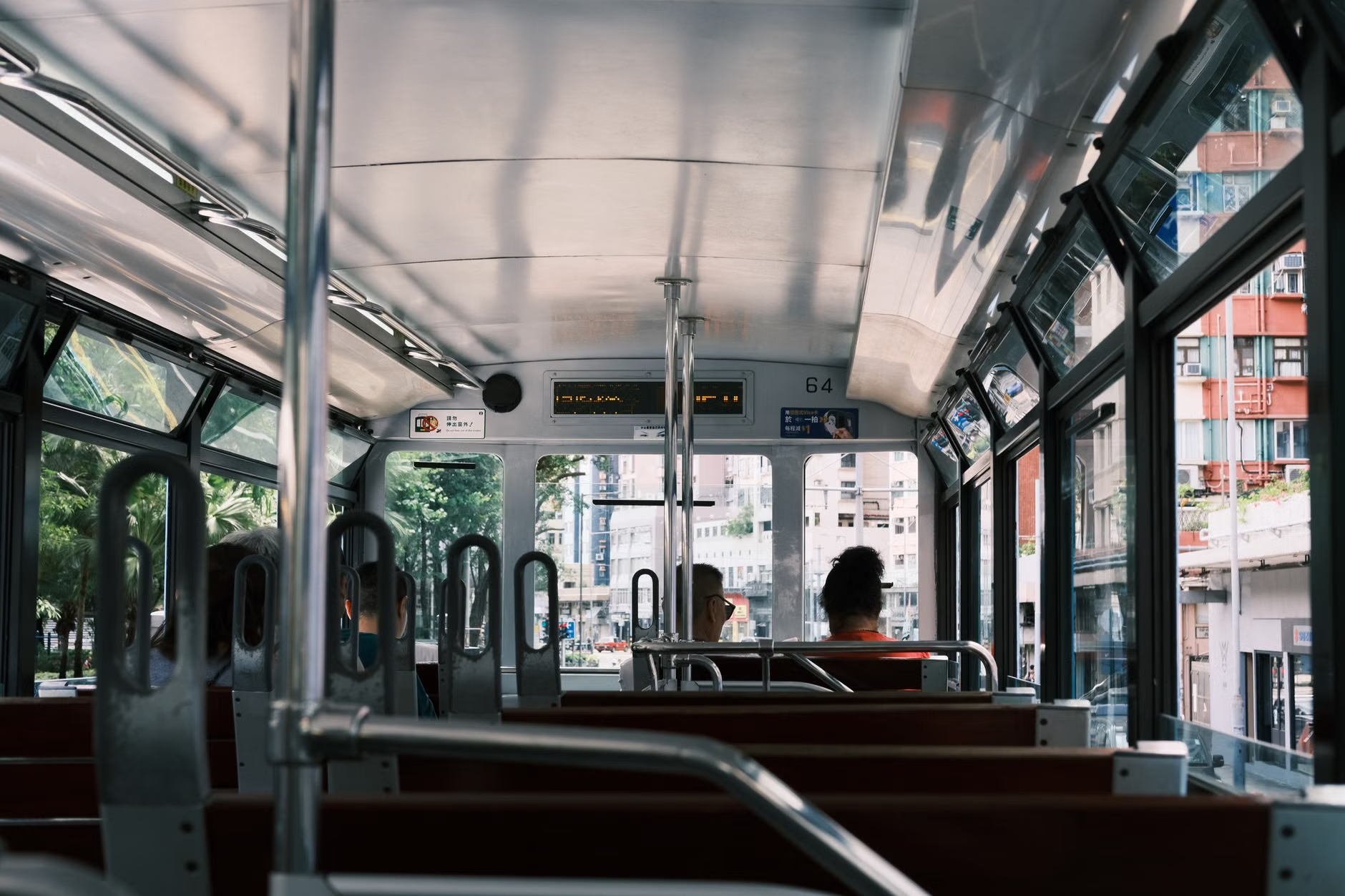
Once inside the tram, prioritize the designated priority seating, which is usually located near the doors. These seats are reserved for those who need them most—including seniors, those with disabilities, and expectant parents. Do not feel hesitant to use them; they are there specifically to ensure the system remains accessible to everyone.
While electric trams are generally safe, the environment can be unpredictable. Here is how to handle common scenarios that might arise during your travels.
Handling Sudden Starts and Stops
Trams, like any public transport, can accelerate or brake suddenly. The cardinal rule of tram travel is: As soon as you board, secure a handhold or reach a seat immediately. Do not wait until the tram starts moving to find your balance or check your map. If you are carrying a bag, keep it on your lap or between your feet rather than on the seat beside you, as this keeps the aisle clear and prevents tripping hazards.
Dealing with “Ghost” Stops and Detours
Occasionally, a route may be diverted due to construction or local events. This is where digital tools become essential. Apps like Google Maps or Citymapper are generally excellent at providing real-time updates. However, for a more reliable experience, download the official app of the city’s transit authority. These apps are often the first to publish information about service disruptions or temporary stop closures.

What to do if you get lost
If you find yourself on the wrong line or at the wrong stop, do not panic. Trams run in loops or back-and-forth lines. Simply remain on the tram until you reach a major hub or a stop where you see a familiar landmark. Almost every tram operator has a “Customer Service” desk at major central stations. If you are ever unsure, find a staff member—they are trained to assist passengers with navigation and can provide printed maps or clear directions.
Essential Preparation Checklist for Senior Travelers
Before you depart, invest 30 minutes in “pre-flight” preparation to ensure your transit experience is smooth.
- Check Accessibility Requirements: Visit the transit operator’s website (e.g., Transport for London or VBB Berlin) to download their accessibility map.
- Battery Management: Carry a portable power bank. Your phone is your ticket, your map, and your communication device. A dead battery in a foreign city is a major inconvenience.
- Document Your Route: Take a screenshot of your planned route and the names of your stop. If your data roaming fails, you will still have the information available on your phone.
- Carry a Small Physical Map: While digital is great, a paper map of the city center provides a “big picture” view that screens cannot replicate.
- Comfortable Footwear: Even if you are taking the tram, you will likely walk several thousand steps. Wear well-broken-in walking shoes with good arch support.
The Hidden Nuances of Global Tram Systems
It is important to recognize that “modern” does not mean “uniform.” While many cities in Europe and North America have standardized their systems, others have unique quirks. For example, in some cities, you must press a button to open the doors, while in others, they open automatically. If you are unsure, observe the locals. If they are all standing by the door waiting for it to open, it is a clear sign that you should do the same.
Another overlooked variable is the climate control. Trams can be very hot in the summer and quite chilly in the winter. Dressing in layers is the best way to maintain personal comfort, as you cannot always control the temperature inside the vehicle. Always keep a light jacket or a shawl accessible, even if it is warm outside.
Finally, consider the time of day. If you have the flexibility, avoid the “commuter rush” (typically 7:30 AM – 9:00 AM and 4:30 PM – 6:30 PM). During these times, trams can be crowded, making it difficult to find a seat and more stressful to navigate with luggage or mobility aids. Mid-morning and mid-afternoon are the “sweet spots” for senior travelers, offering a much higher probability of a comfortable, relaxed journey.
Conclusion: Empowerment Through Knowledge
Navigating modern electric tram systems is not about speed; it is about the freedom to explore at your own pace. By focusing on low-floor accessibility, mastering contactless payment methods, and planning your routes to minimize fatigue, you can turn public transit from a source of stress into a highlight of your travel experience. Remember that the system is designed to serve you. Take your time, utilize the priority seating, and don’t hesitate to use the digital tools at your disposal to stay informed. With the right preparation, the city is yours to discover.
Frequently Asked Questions
1. How do I know if a specific tram line is accessible for my mobility aid?
Most official city transit websites feature a “Accessibility” or “Step-Free” section. Look for symbols representing a wheelchair or a person with limited mobility. If you are traveling with a large mobility scooter, verify the maximum dimensions allowed, as some older tram models have narrower doors than newer ones.
2. Should I buy a multi-day pass or pay as I go?
If you plan to use the tram more than three times a day, a multi-day pass is usually more cost-effective. However, many modern systems have an automatic “daily cap” on contactless payments, which offers the same financial benefit as a pass without the need to purchase a physical ticket. Check the local transit authority’s website for their specific fare-capping policy.
3. What should I do if the tram is too crowded to find a seat?
If you cannot find a seat and the tram is crowded, do not hesitate to ask a fellow passenger for assistance. A simple, “Excuse me, would you mind if I took a seat?” is usually met with kindness. If you find that the tram is consistently crowded, consider adjusting your travel schedule to avoid peak commuter hours, which are typically early mornings and late afternoons.
Disclaimer: This article is for informational purposes only and does not constitute professional travel advice. Always check the official website of the local transit authority in your destination city for the most current rules, safety guidelines, and accessibility features.